Neon Genesis Evangelion: The End of Evangelion
"The most beautiful nightmare ever drawn."
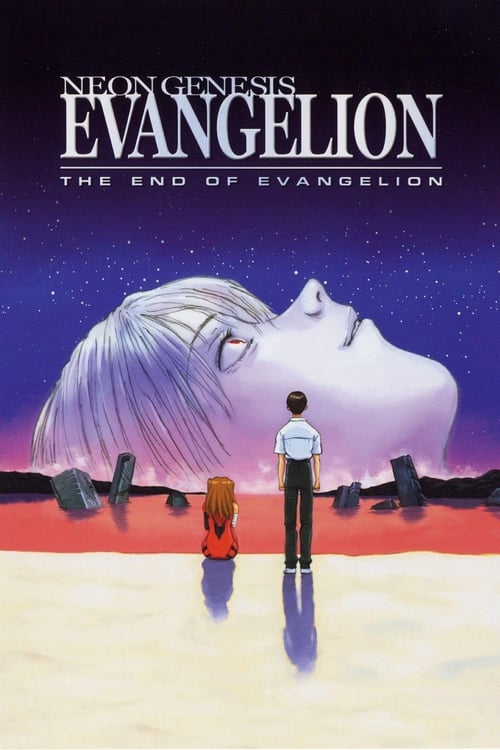
There is a specific kind of silence that follows a collective trauma, and in 1997, that silence was broken by the sound of a thousand VHS tapes being rewound in sheer disbelief. When Neon Genesis Evangelion wrapped its television run in 1995, it didn’t end with giant robots punching aliens; it ended with a psychological therapy session in a sketchbook. Fans were... unhappy. Death threats were mailed. The studio was vandalized. In response, Hideaki Anno didn’t just give the audience the "action" they demanded; he gave them a cinematic execution of their expectations.
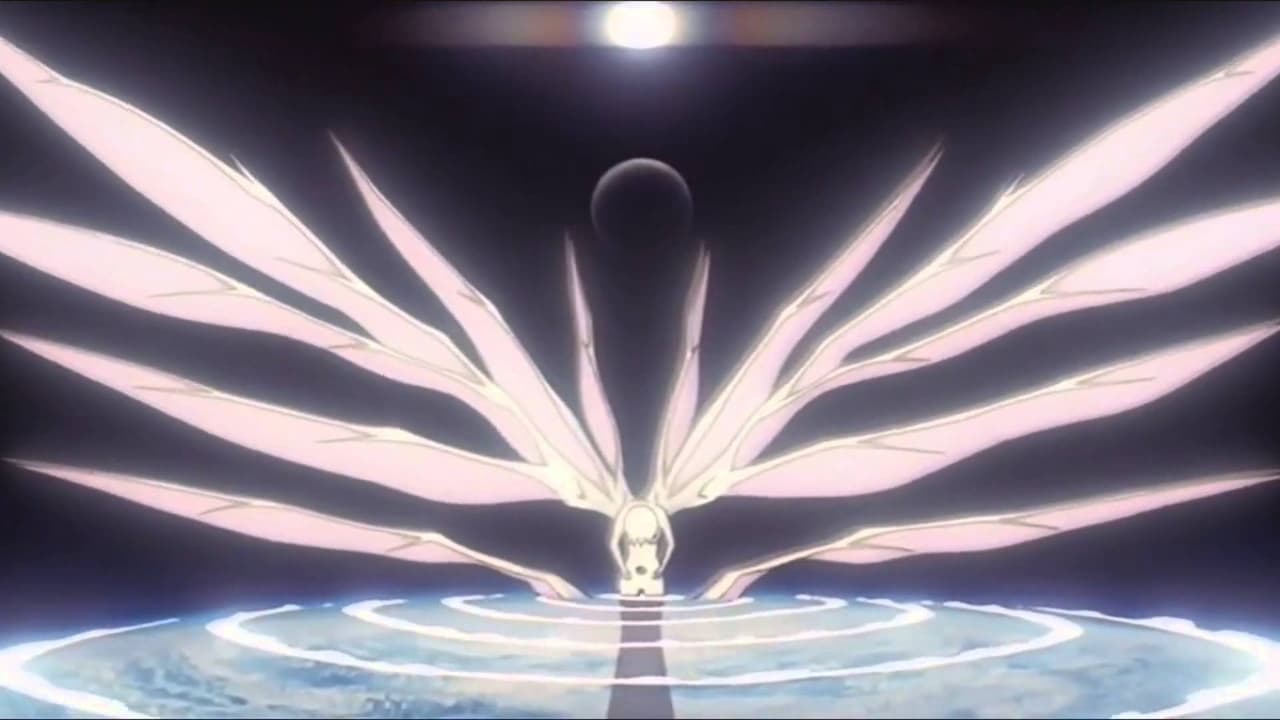
I first watched this film on a battered laptop with a dying battery while eating a lukewarm cup of instant ramen that I’d forgotten to season, and honestly, that flavorless salt-water felt like the perfect accompaniment to the existential dread on screen. The End of Evangelion isn't just a movie; it’s a 87-minute nervous breakdown that happens to have some of the most gorgeous animation of the 20th century.
The Siege of the Soul
The film picks up exactly where the "traditional" plot of the show stalled. NERV, the underground fortress tasked with saving humanity, is no longer fighting "Angels." They are being hunted by fellow humans. The Japanese Strategic Self-Defense Force is sent in to liquidate the staff, and the shift in tone is jarring. We go from sci-fi wonder to a slasher film where the monsters wear tactical gear.
At the center of this carnage is Megumi Ogata as Shinji Ikari. If you’re looking for a hero who rises to the occasion, you’ve come to the wrong apocalypse. Shinji is catatonic, huddled under a desk while his friends are being systematically executed. Ogata’s performance is harrowing; she captures a level of raw, snot-nosed desolation that most live-action actors wouldn't dare touch. It’s a bold, uncomfortable choice to make your protagonist this pathetic, but it’s what makes the drama feel earned. He isn't a chosen one; he’s a teenager who has been asked to pilot his mother’s corpse to save a world that never gave him a hug.
The first half of the film, "Air," is a masterclass in tension. Seeing Yuko Miyamura’s Asuka Langley Soryu find her will to live just as the world decides she shouldn't is one of the most triumphant—and eventually devastating—sequences in animation history. The way Kazuya Tsurumaki directs the Eva-02 fight against the Mass Production models is fluid, brutal, and terrifyingly graceful.
A Beautiful, Bloody Apocalypse
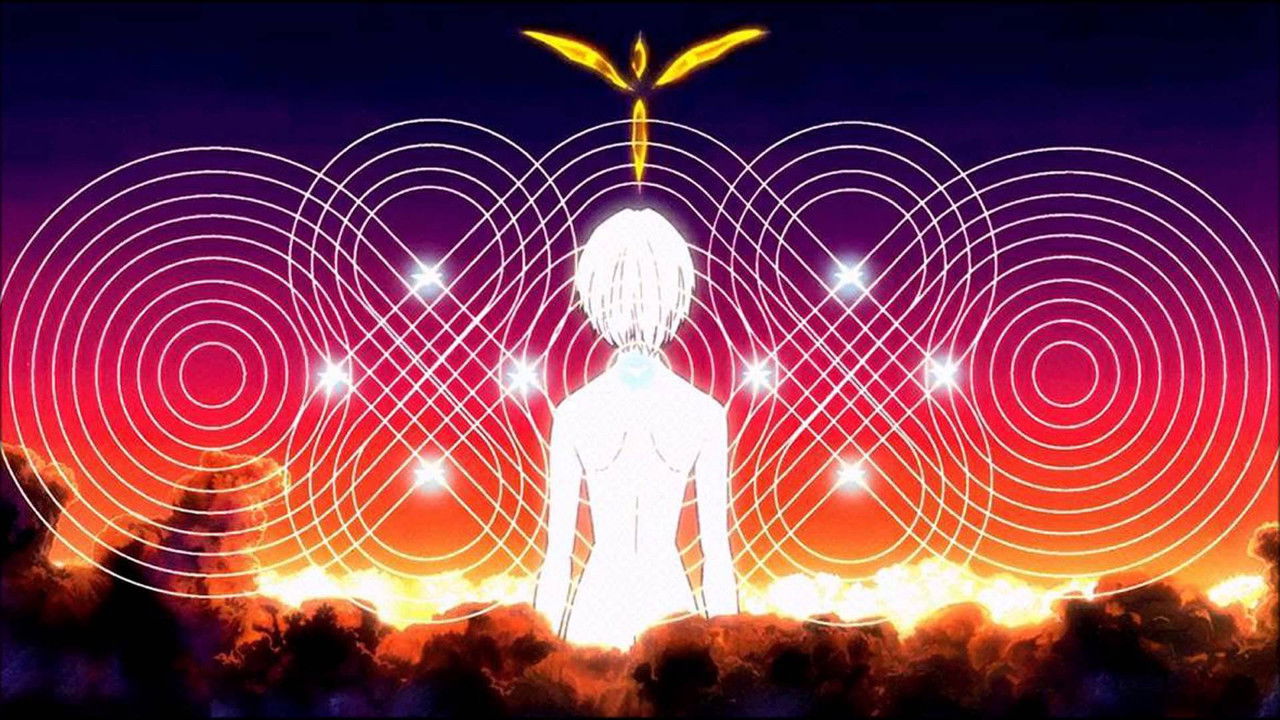
As we transition into the second half, "Sincerely Yours," the film sheds its skin as a "mecha" story and becomes a psychedelic, philosophical treatise. This is where Hideaki Anno’s screenplay goes full Jungian. The "Human Instrumentality Project" begins, which essentially involves turning every human soul into a collective puddle of orange LCL soup so that no one will ever feel lonely again.
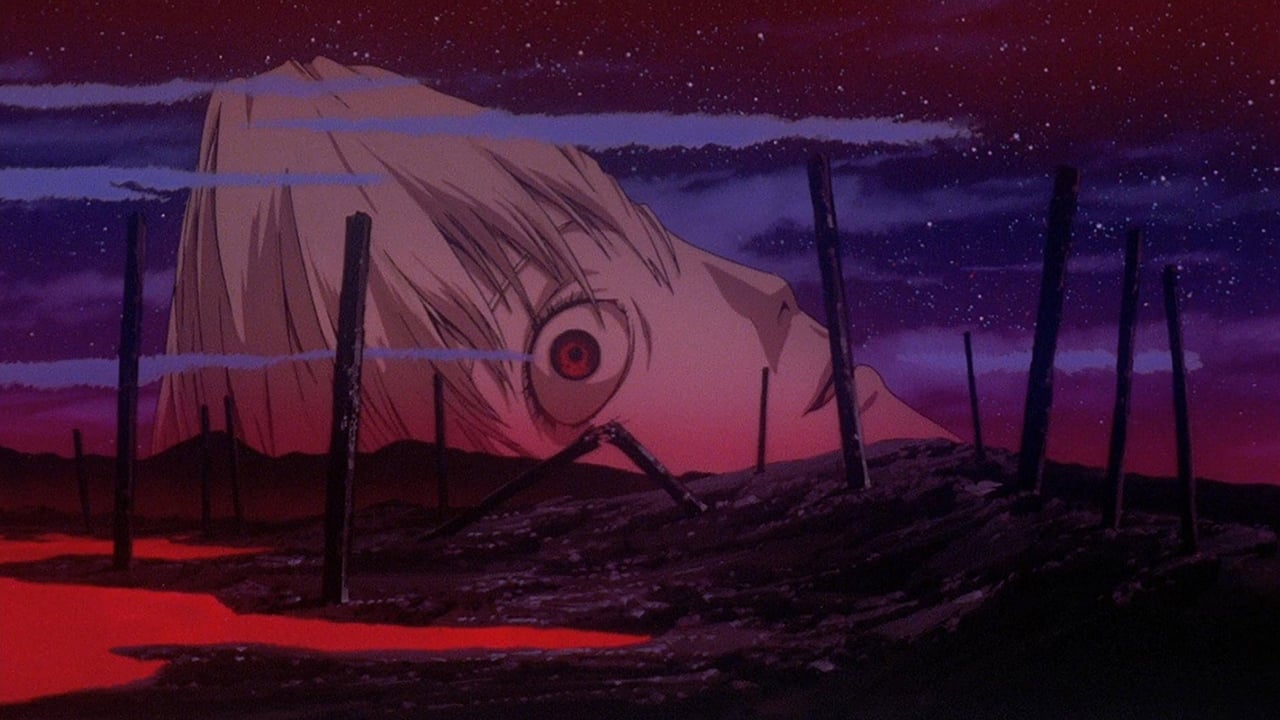
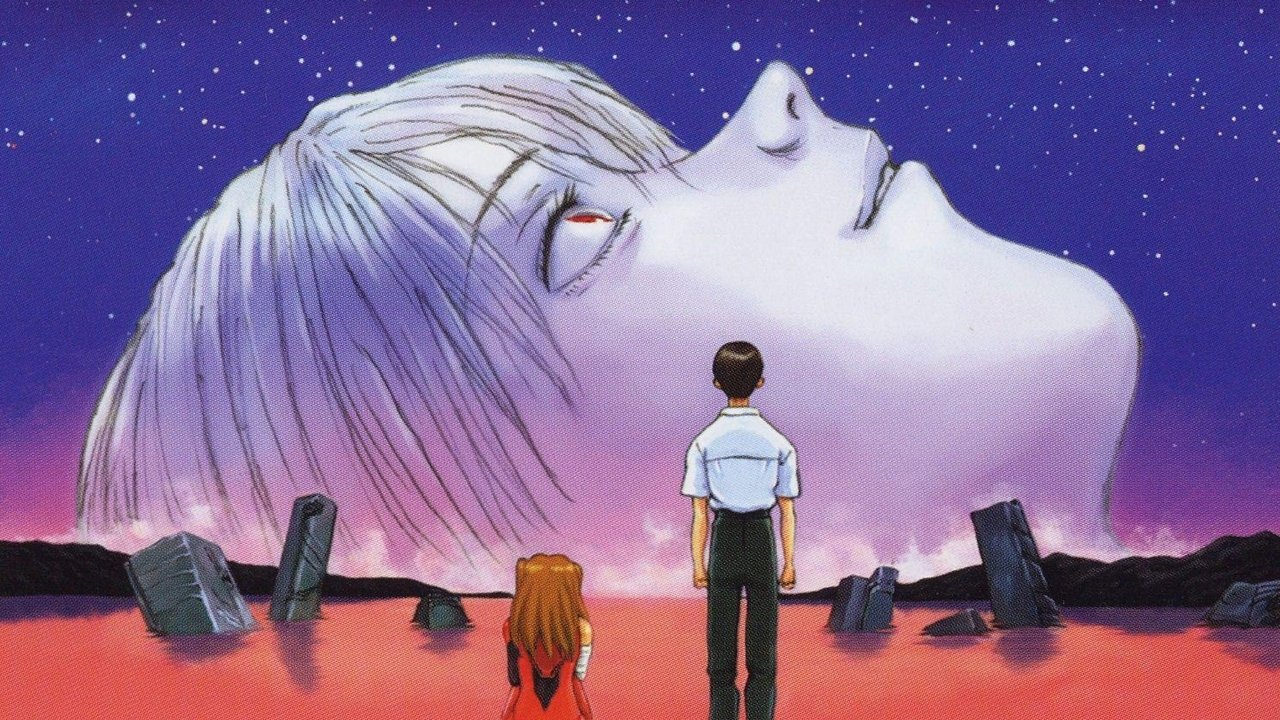
Visually, this era of GAINAX was the pinnacle of cel animation. Before the industry fully pivoted to digital shortcuts, every frame here feels heavy with intent. The imagery of a giant, ghostly Megumi Hayashibara (as Rei Ayanami) looming over the planet is both serene and horrifying. It’s the kind of high-concept Sci-Fi that felt revolutionary in the late 90s, capturing that pre-millennium tension where we weren't sure if the internet was going to connect us or dissolve our identities entirely.
The score by Shiro Sagisu is the secret weapon here. Using "Komm, süsser Tod" (Come, Sweet Death)—a upbeat, Beatles-esque pop song with lyrics about suicide—to score the literal end of the world is a stroke of perverse genius. It highlights the film’s central irony: that the apocalypse is basically just a very expensive group therapy session gone wrong.
The Legacy of the "Lost" Version
For years, The End of Evangelion was a bit of a "holy grail" for Western fans. Before the current era of streaming ubiquity, you had to hunt down expensive, out-of-print Manga Entertainment DVDs or trade grainy fansubs. This obscurity added to its mythos. It was the "forbidden" ending. Looking back, it perfectly bridges the gap between the analog 90s and the digital 2000s, utilizing experimental live-action footage and meta-commentary that directly addresses the audience in the theater.
Is it a "fun" watch? Not in the traditional sense. It’s a film that asks if life is worth living if pain is the price of connection. It’s cerebral, often confusing, and deeply nihilistic right up until the moment it isn't. It’s a drama that values internal truth over external logic. If you can stomach the opening ten minutes—which feature Shinji at his absolute moral nadir—you will find a film that offers a strangely hopeful message: that as long as you have the will to live, anywhere can be paradise.
The End of Evangelion remains the definitive punctuation mark on a decade of anime history. It is a dense, challenging, and visually overwhelming piece of art that refuses to give the audience what they want, opting instead to give them what they need to hear. It’s the rare "franchise" film that feels like a genuine, unedited transmission from a creator’s soul. Even if you haven't seen the series, the sheer audacity of the filmmaking demands your attention. ---
Keep Exploring...
-

Evangelion: 1.0 You Are (Not) Alone
2007
-
Evangelion: 2.0 You Can (Not) Advance
2009
-
Evangelion: 3.0+1.0 Thrice Upon a Time
2021
-

Evangelion: 3.0 You Can (Not) Redo
2012
-
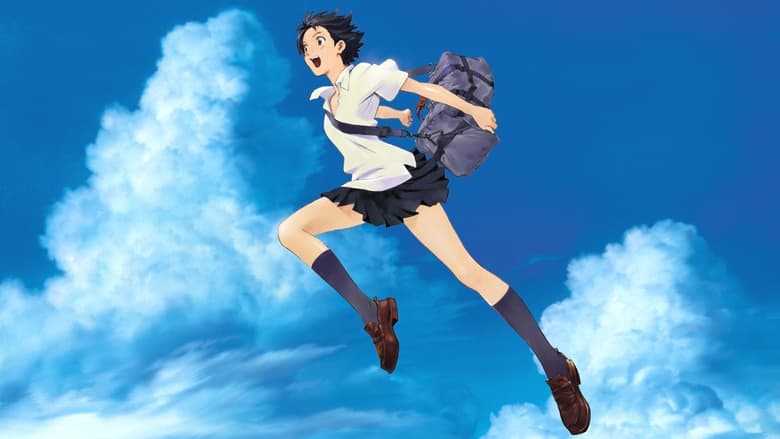
The Girl Who Leapt Through Time
2006
-
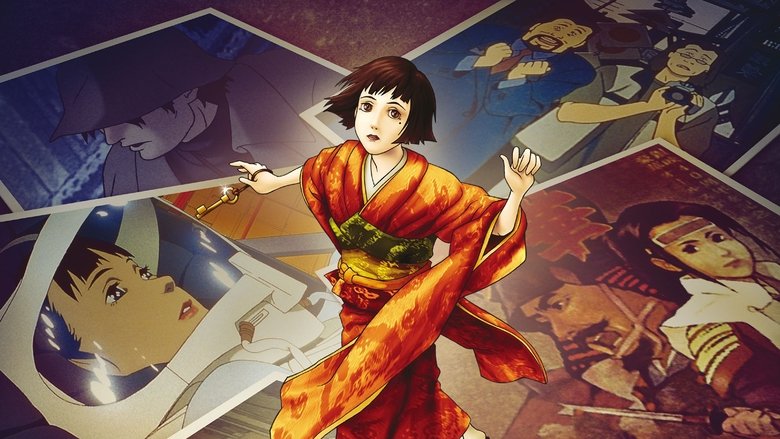
Millennium Actress
2002
-

Cowboy Bebop: The Movie
2001
-
The Tale of The Princess Kaguya
2013
-
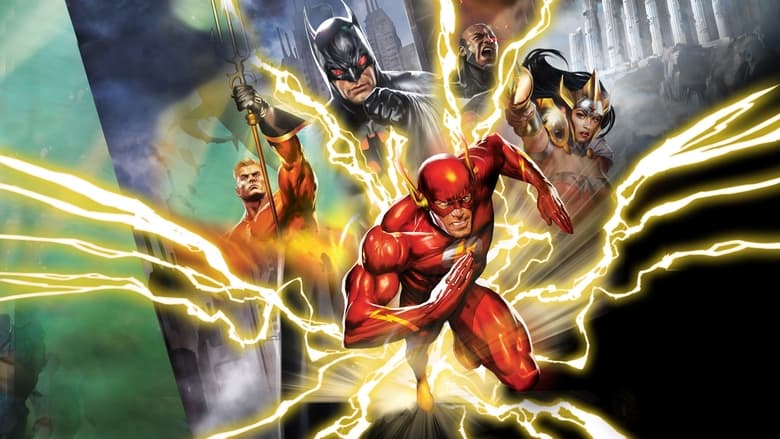
Justice League: The Flashpoint Paradox
2013
-
Wolf Children
2012
-
The Iron Giant
1999
-
Treasure Planet
2002
-

Dragon Ball Z: Fusion Reborn
1995
-
A Little Princess
1995
-
A Dog's Will
2000
-
Ghost in the Shell 2: Innocence
2004
-
From Up on Poppy Hill
2011
-

Hotarubi no Mori e
2011
-
When Marnie Was There
2014
-
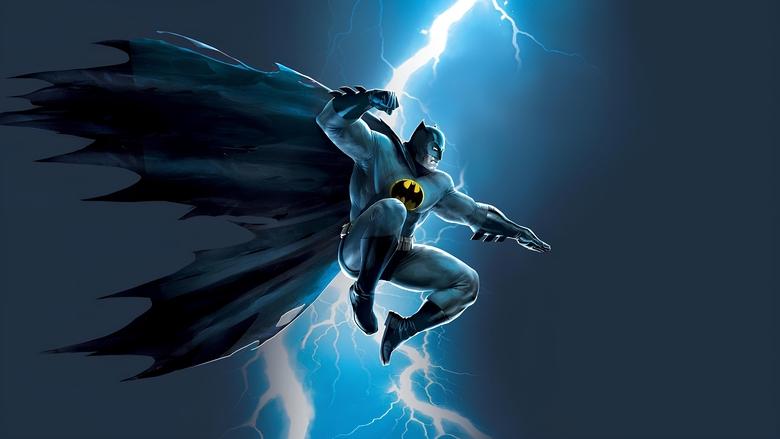
Batman: The Dark Knight Returns, Part 1
2012