Princess Mononoke
"The forest bleeds and the gods are angry."
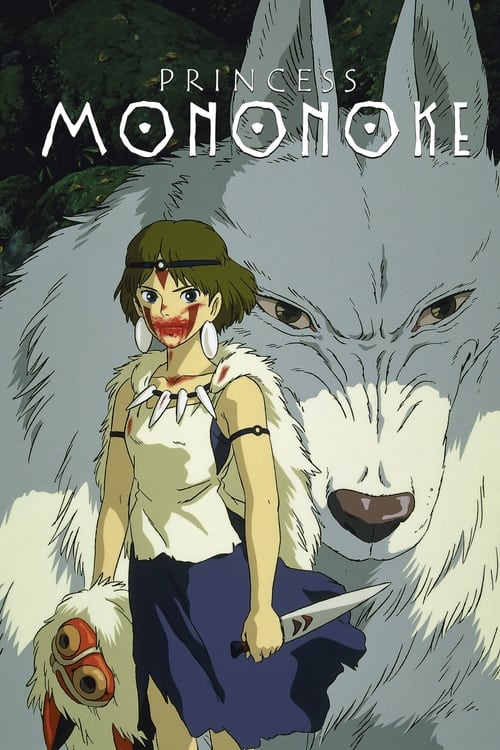
The first time I saw a demon-corrupted boar god charge out of the underbrush, dripping with what looked like purple, pulsating spaghetti, I realized my childhood perceptions of "cartoons" were about to be incinerated. It was 1997, and while the West was busy obsessing over the sleek, digital sheen of Toy Story, Hayao Miyazaki was in Japan busy hand-drawing a nightmare. I actually watched this for the first time on a flickering CRT television while eating a bowl of lukewarm miso ramen that I eventually spilled all over my lap because I couldn't take my eyes off the screen.
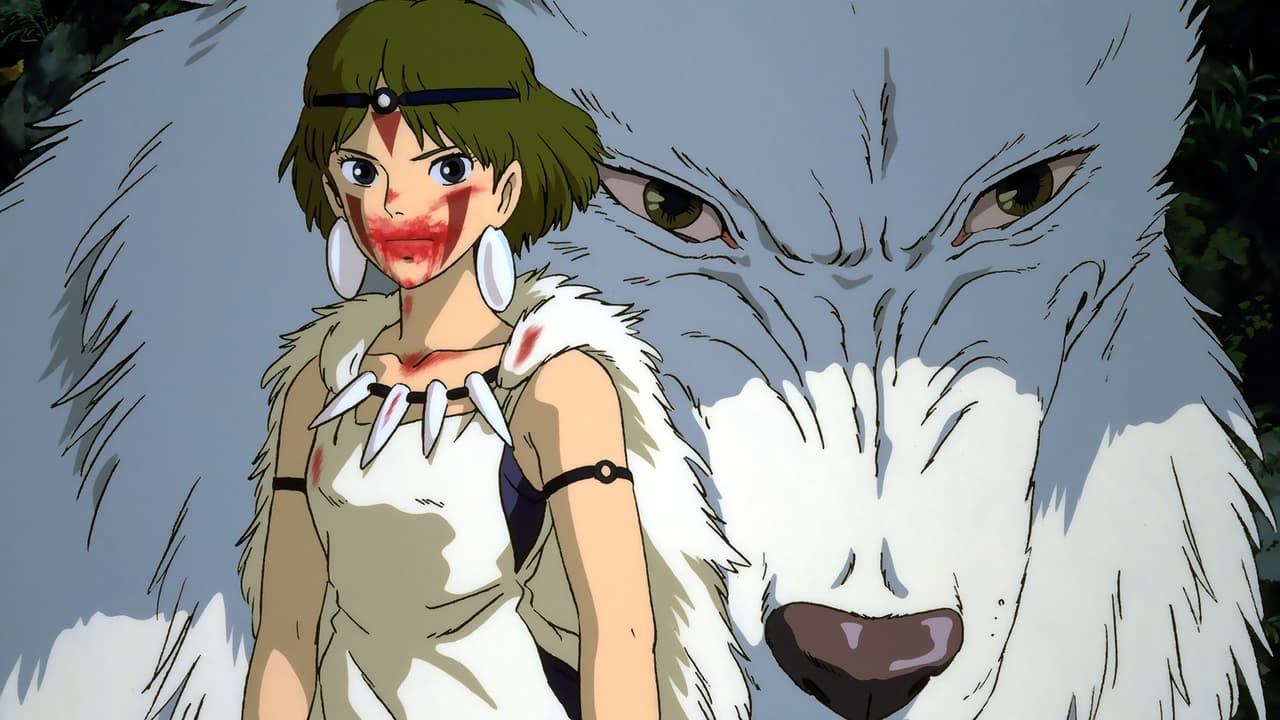
Princess Mononoke isn't just a movie; it’s a shifting tectonic plate in the history of cinema. It arrived at the tail end of the 90s, a period where "adventure" usually meant a clear-cut hero punching a clear-cut villain. Then came Ashitaka, a prince of a dying tribe, who kills a monster only to be cursed by its rot. He doesn’t set out to save the world; he sets out to "see with eyes unclouded by hate." It sounds poetic until you realize those unclouded eyes spend half the movie watching limbs get severed by enchanted arrows.
The Industrial Revolution as a Horror Movie
The genius of Miyazaki (who also directed the whimsical My Neighbor Totoro and the sky-high adventure Castle in the Sky) is that he refuses to give us a comfortable seat. In most adventure films, the "encroaching civilization" is represented by a mustache-twirling developer. Here, it’s Lady Eboshi, voiced with a steely, pragmatic grace by Yuko Tanaka.
Eboshi is a fascinating contradiction. She’s essentially a social reformer who buys the contracts of brothel workers to give them dignity and jobs in her iron works. She cares for lepers when society treats them as refuse. But to fuel her utopia, she has to strip-mine the mountains and decapitate the Forest Spirit. Looking back from our current era of corporate-sanitized blockbusters, Eboshi is a shockingly complex "villain" because, in any other movie, she’d be the feminist icon we’re rooting for.
Opposing her is San (Yuriko Ishida), the titular "Princess," though she’s less royalty and more a raw nerve of ecological fury. Raised by wolf gods, she’s a human who hates her own kind with a feral intensity. The chemistry between Ashitaka (Yoji Matsuda) and San isn't a "Disney romance"—it’s two people trying to find a way to exist in a world that is literally catching fire around them.
Hand-Drawn Grandeur in a Digital Dawn
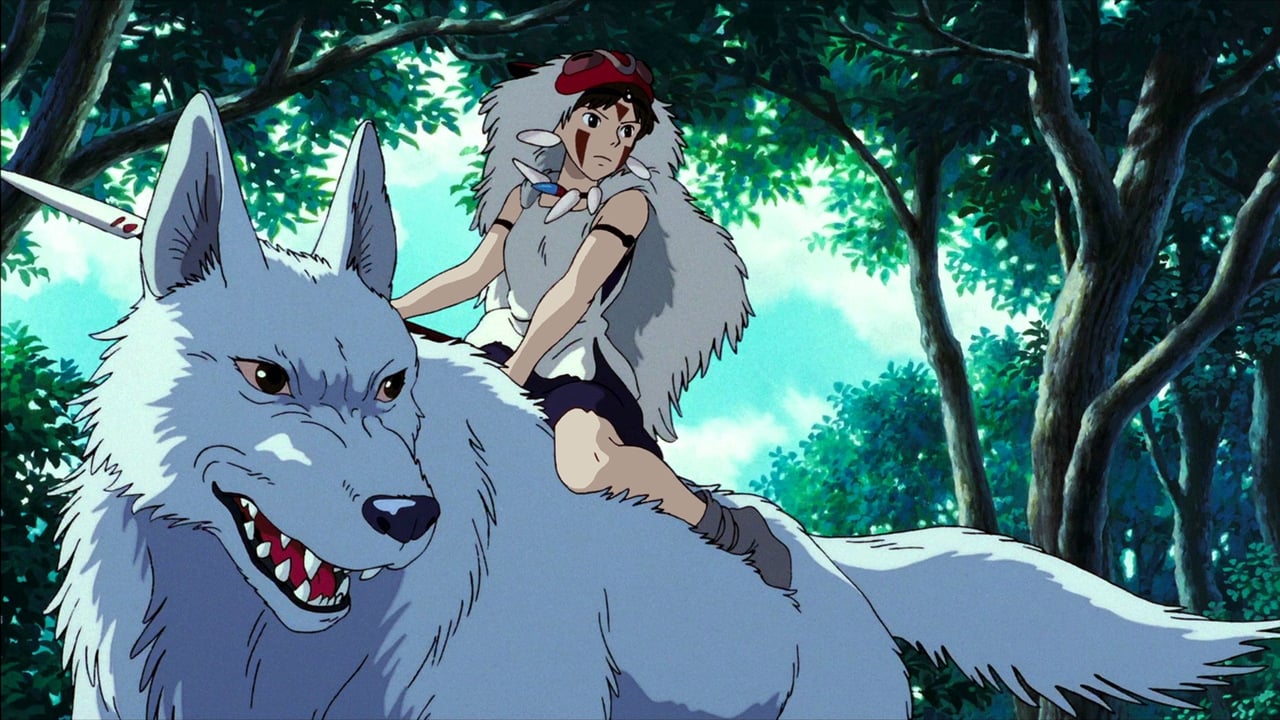
We often talk about the 90s as the "CGI Revolution," pointing to Jurassic Park or The Matrix. But Princess Mononoke represents the absolute zenith of traditional cel animation. Studio Ghibli did use some early digital techniques here—mostly to composite those terrifying "demon worms" and some 3D-assisted camera moves—but the vast majority of its 144,000 frames were drawn by hand.
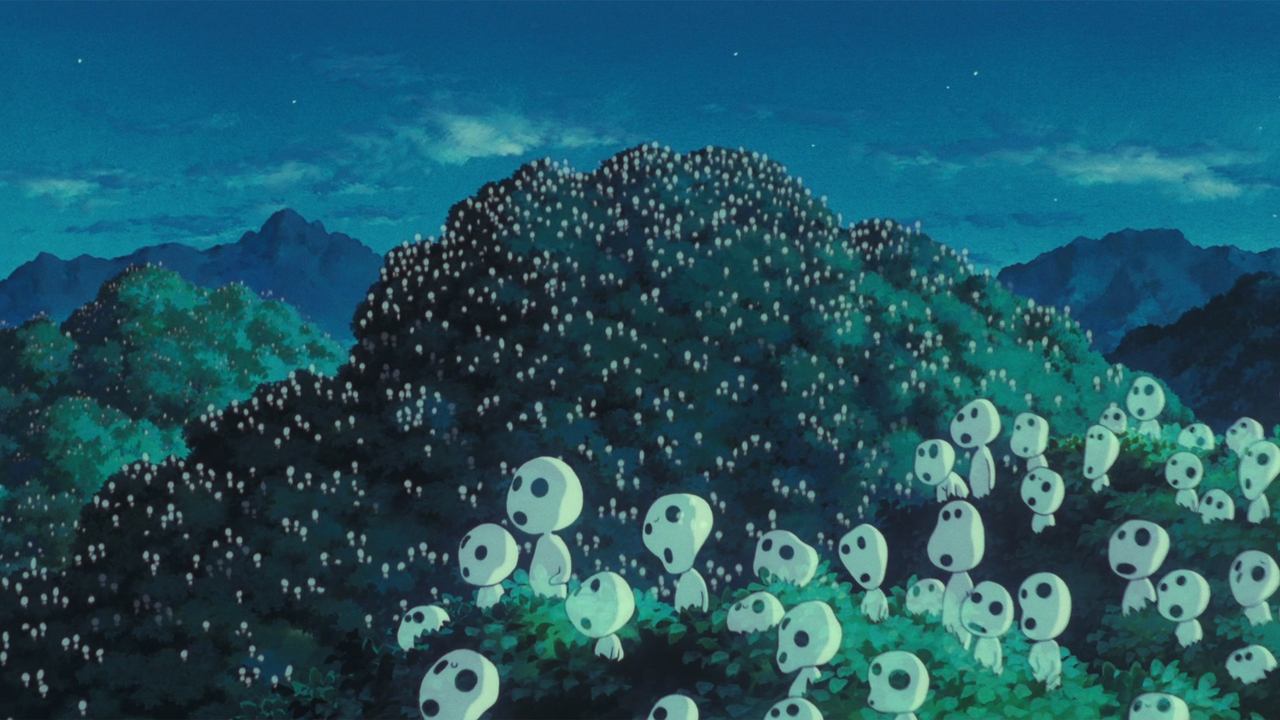
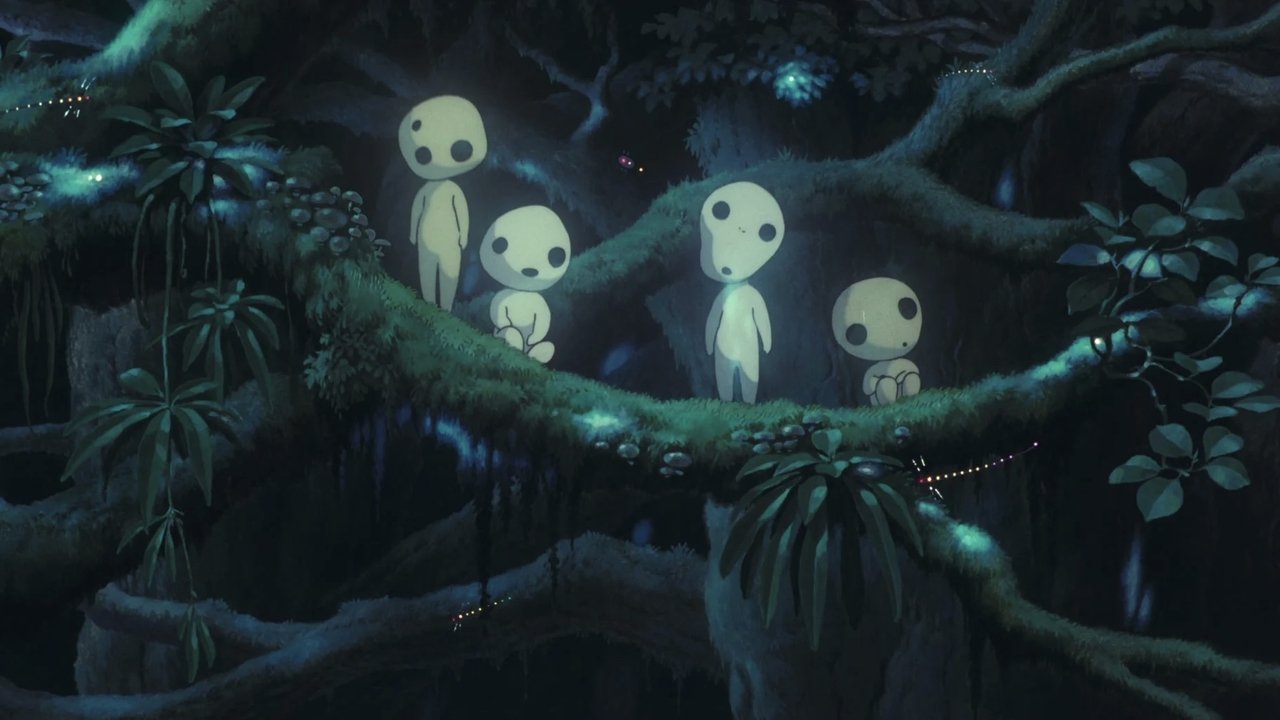
There is a weight to the world-building here that modern digital environments often struggle to replicate. When the Great Forest Spirit walks, the plants bloom and wither under his hooves in seconds. It’s a haunting, rhythmic cycle of life and death that feels ancient and heavy. The kodama—those little rattling forest spirits—are low-key the creepiest things Ghibli ever designed, yet they manage to be adorable in a way that makes you want to protect every tree in your backyard.
The score by Joe Hisaishi is the secret sauce. It doesn't just provide background noise; it carries the mourning of a world that is losing its magic. It’s epic in the truest sense of the word, capturing the scope of the Iron Town sieges while maintaining the intimacy of a quiet conversation between a boy and a wolf.
The "No Cuts" Katana and Cultural Conquest
The trivia surrounding this film is legendary, particularly the story of when it was being prepared for its US release via Miramax. The infamous Harvey Weinstein reportedly wanted to hack the 134-minute runtime down to something more "marketable." In response, Ghibli producer Toshio Suzuki sent Weinstein an actual katana with a simple note attached: "No cuts."
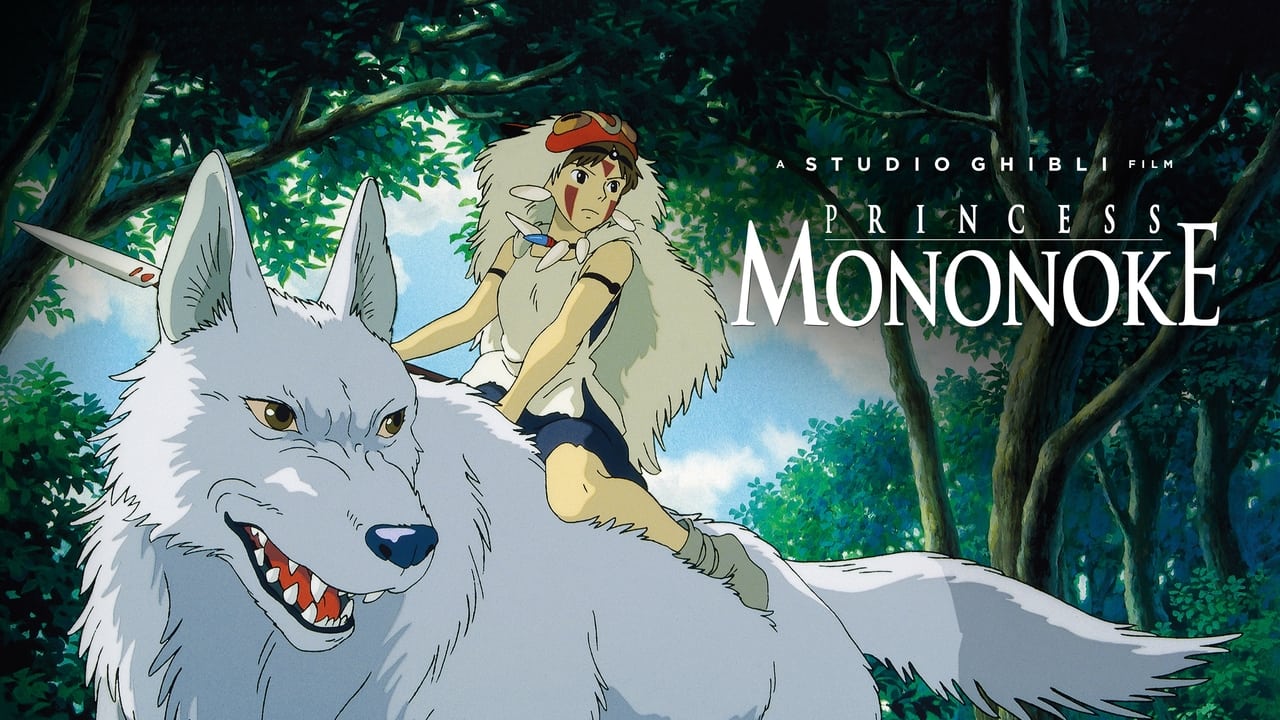
It worked. The film remained intact, and though it didn't become a massive box-office hit in the States immediately (Disney/Miramax's marketing was... confused), its legacy grew through the burgeoning DVD culture of the early 2000s. In Japan, however, it was a seismic event. It unseated E.T. the Extra-Terrestrial as the highest-grossing film in Japanese history at the time, earning over $160 million in its initial run. It proved that animation could be high-stakes, philosophically dense, and commercially unstoppable all at once.
What strikes me most, reassessing it decades later, is how the film refuses to offer a "happily ever after." It offers a "maybe we can survive for a while longer." Ashitaka doesn't fix the world. The gods are still gone, or at least changed forever, and the forest won't simply grow back overnight. It’s a messy, cerebral ending that respects the audience’s intelligence.
Princess Mononoke is a towering achievement that feels more relevant today than it did in 1997. It’s a brutal, beautiful adventure that asks what we’re willing to sacrifice for progress and what we lose when we stop listening to the earth. Whether you’re an animation obsessive or someone who usually avoids "cartoons," this is essential cinema. It’s a film that leaves you feeling a little more connected to the world—and a lot more wary of purple spaghetti demons.
Keep Exploring...
-

Howl's Moving Castle
2004
-
Porco Rosso
1992
-
Ponyo
2008
-

Spirited Away
2001
-
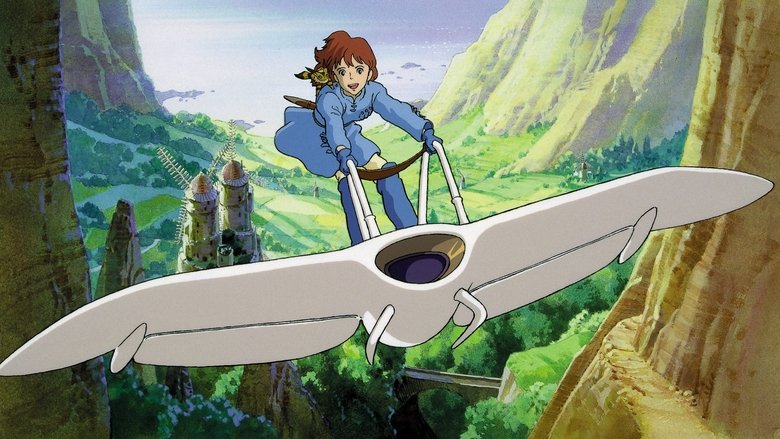
Nausicaä of the Valley of the Wind
1984
-
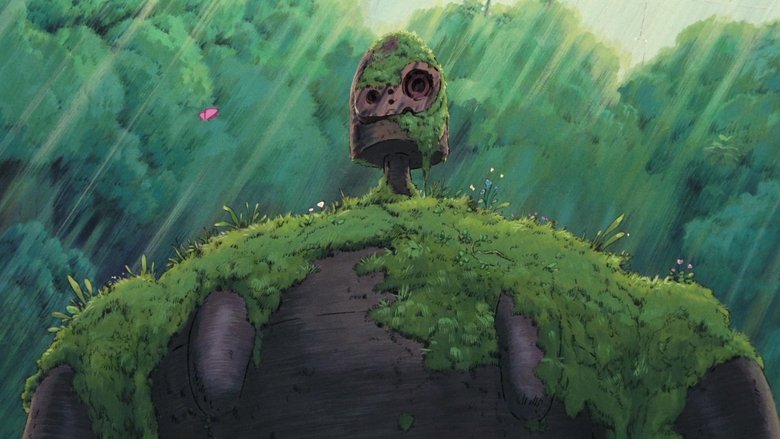
Castle in the Sky
1986
-
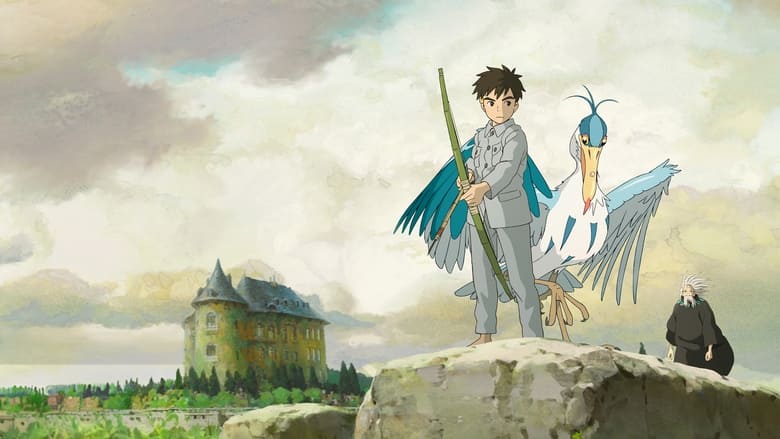
The Boy and the Heron
2023
-
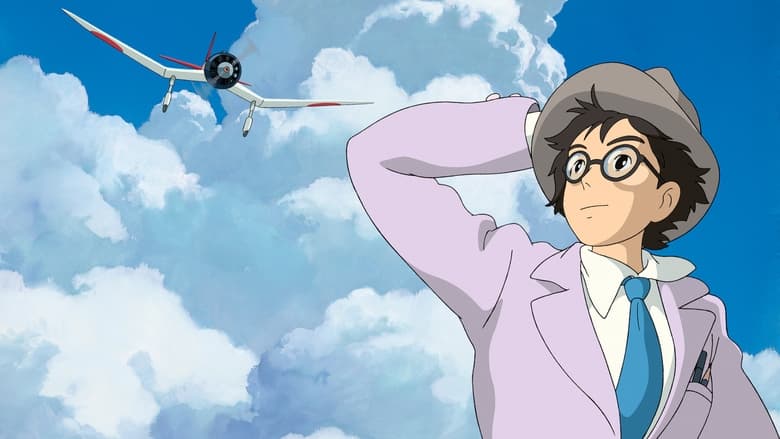
The Wind Rises
2013
-
The Secret World of Arrietty
2010
-
My Neighbor Totoro
1988
-
Kiki's Delivery Service
1989
-

Aladdin
1992
-
Anastasia
1997
-
Treasure Planet
2002
-
Shrek
2001
-
The Castle of Cagliostro
1979
-
Justice League: The Flashpoint Paradox
2013
-
How to Train Your Dragon
2010
-
How to Train Your Dragon 2
2014
-
The Lego Movie
2014