Scream 2
"Lightning strikes twice in the same sorority house."
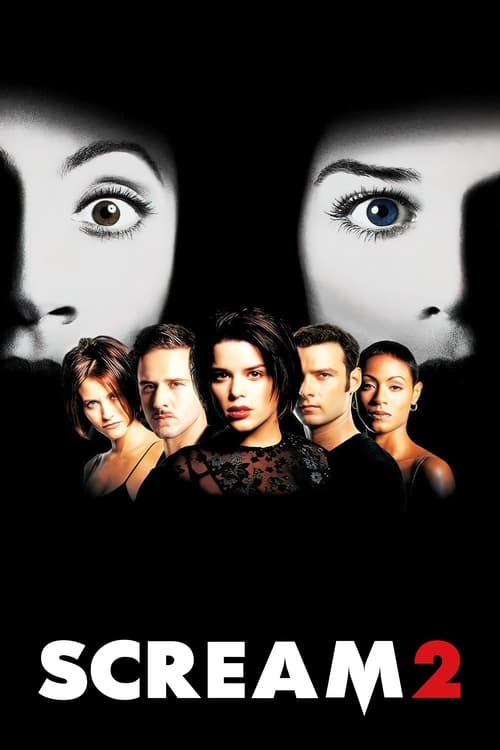
I remember standing in line at a Blockbuster in 1998, holding a rental case for Scream 2 that still smelled faintly of popcorn butter and cleaning chemicals, and wondering if lightning could actually strike twice. The first Scream didn't just revitalize horror; it made being a "film geek" cool. But sequels? Sequels are usually where the creative juices go to die, replaced by studio-mandated "more of the same, but louder." I watched my copy on a DVD player that had a weird glitch—every time Jerry O'Connell started his "I Think I Love You" serenade in the cafeteria, the disc would stutter for three minutes. It actually made the scene more bearable by turning it into a surrealist loop.

The Sophomore Slump That Wasn't
Most sequels stumble because they try to replicate the original’s magic without understanding the chemistry. Wes Craven and writer Kevin Williamson avoided this trap by making the sequel about the impossibility of making a good sequel. It’s a meta-narrative wrapped in a blood-soaked windbreaker. By moving the action from the suburban claustrophobia of Woodsboro to the sprawling, intellectual ivory towers of Windsor College, the film shifts its tone from "scary campfire story" to "urban legend under a microscope."
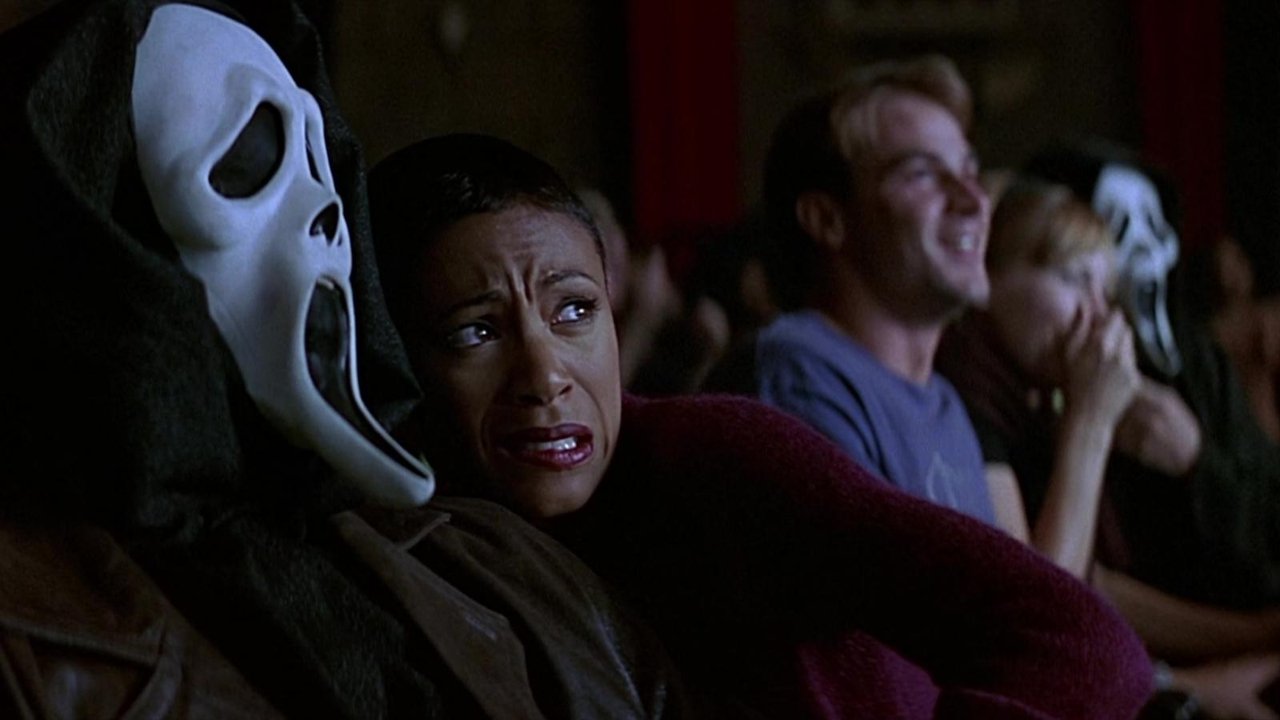
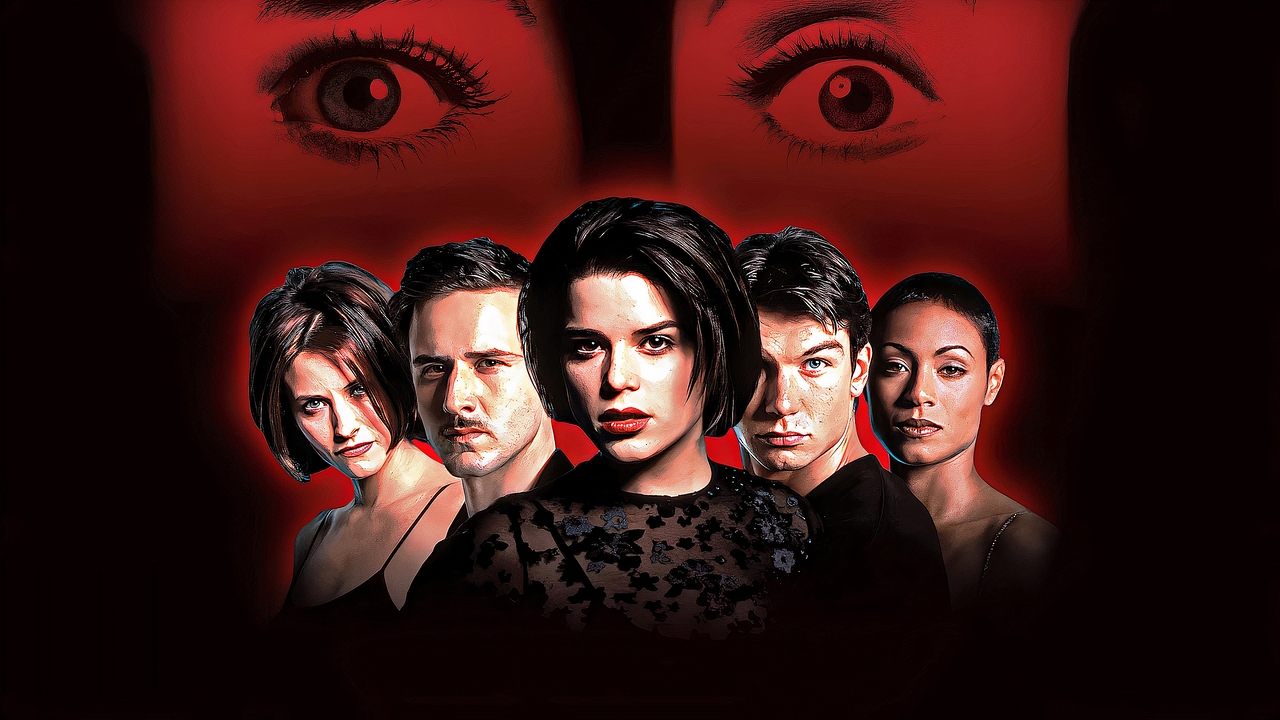
The opening sequence remains an all-time great. Placing the first kills in a movie theater during a sneak preview of Stab—the film-within-the-film based on the first movie—is a masterstroke of audience confrontation. Watching Jada Pinkett Smith die in front of a cheering crowd wearing Ghostface masks isn't just a scare; it’s a biting commentary on how we consume violence as entertainment. It’s the kind of high-concept arrogance that only works when the director actually knows how to pay off the tension. Craven (who also gave us the nightmare fuel of A Nightmare on Elm Street) handles the set pieces with the confidence of a man who knows exactly where you’re hiding.
Scripts, Leaks, and Leading Ladies
The production was a total circus. At the time, the internet was just starting to flex its muscles as a spoiler machine, and about 40 pages of the script leaked online mid-production. Williamson had to perform a frantic, last-minute surgery on the story, changing the killers' identities and rewriting the ending while they were practically on set. You can feel a bit of that frantic energy in the final act, which, if I’m being honest, is basically a Scooby-Doo episode with a higher tax bracket. But the "how" matters less than the "who," and the "who" is anchored by Neve Campbell.
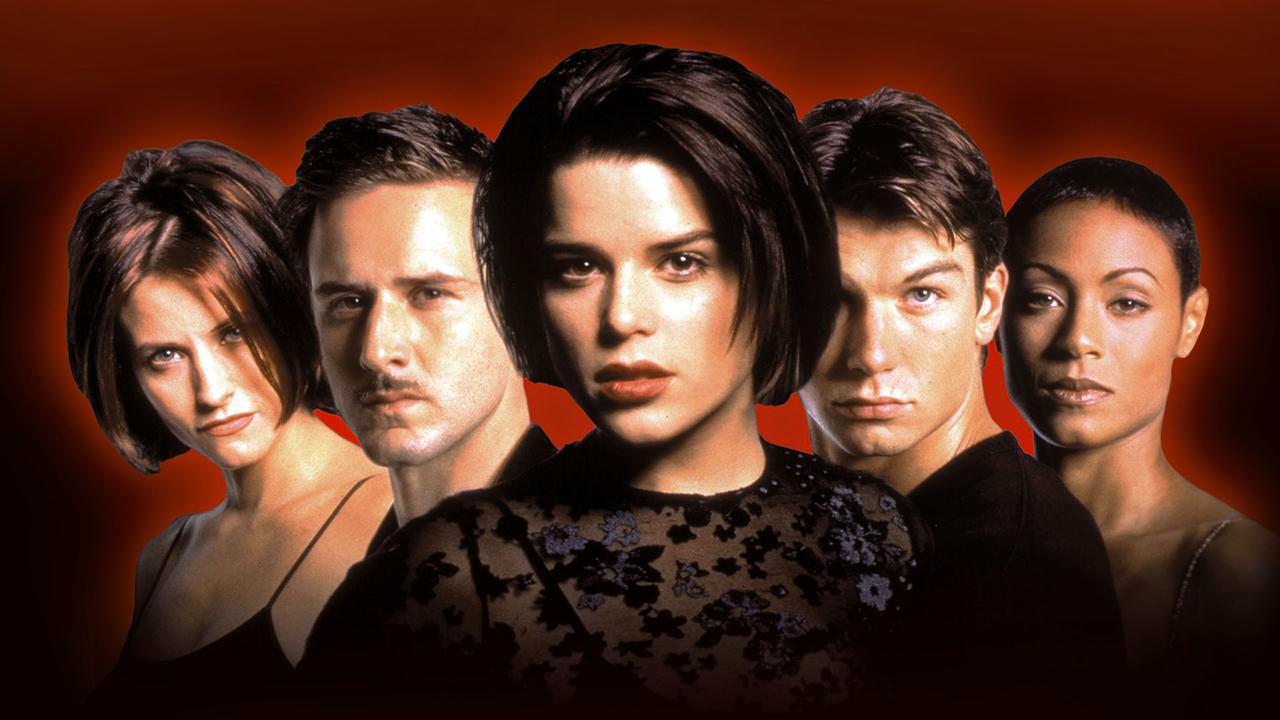
As Sidney Prescott, Campbell remains the gold standard for the "Final Girl." She isn’t just a survivor; she’s a person living with PTSD who refuses to let it turn her into a victim. Looking back, her performance is the glue that keeps the franchise from drifting into parody. Beside her, Courteney Cox returns as Gale Weathers, sporting a haircut that is arguably the scariest thing in the movie. Cox and David Arquette (as the perpetually battered Dewey Riley) have a chemistry that feels lived-in, likely because they were falling in love in real life during the shoot. It gives their scenes a warmth that most slashers lack.
The Rules of the Game
A sequel needs a higher body count and more elaborate kills, and Scream 2 delivers. The sequence where Sidney and Hallie (Elise Neal) have to crawl over a semi-conscious Ghostface in a crashed police car is a clinic in spatial tension. There’s no CGI fluff here; it’s all practical timing, heavy breathing, and the sound of leather creaking. The film also benefits from a stacked supporting cast of 90s "it" kids. You’ve got Sarah Michelle Gellar, who signed on without even seeing a script just to work with Craven, and a young Timothy Olyphant chewing the scenery long before he became everyone’s favorite TV lawman in Justified.
Then there’s Jamie Kennedy as Randy Meeks. His "sequel rules" speech is the heartbeat of the movie. It’s the moment the film acknowledges its own artifice, and it’s why the Scream franchise felt so revolutionary to us in the late 90s. We were the DVD generation; we were the ones watching the special features and director’s commentaries, learning how the sausage was made. Scream 2 spoke our language. It didn't treat us like mindless consumers; it treated us like accomplices.
The film was a massive commercial juggernaut, pulling in over $172 million off a $24 million budget. It proved that the "Miramax/Dimension" era of high-gloss, star-studded horror wasn't a fluke. While the reveal of the killers feels a bit rushed compared to the first film’s gut-punch ending, the journey there is a blast. It’s a smart, cynical, yet strangely affectionate look at the genre that paved the way for every meta-horror film that followed. If you can handle the 90s fashion choices, it’s still the perfect Friday night watch.
The legacy of Scream 2 isn't just in its box office records or its influence on the "Sundance generation" of indie-leaning genre hits. It’s in the fact that it made us look at the screen differently. It reminded me that even when you know the rules of the game, a master like Wes Craven can still make you jump when the phone rings. It’s a rare sequel that earns its existence, proving that sometimes, taking the love of sequels "one step too far" is exactly where you need to go.
Keep Exploring...
-
Scream
1996
-
Scream 3
2000
-
Scream 4
2011
-
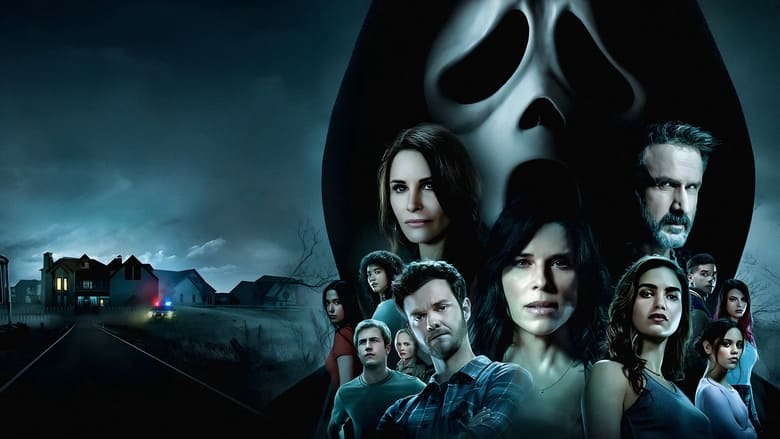
Scream
2022
-
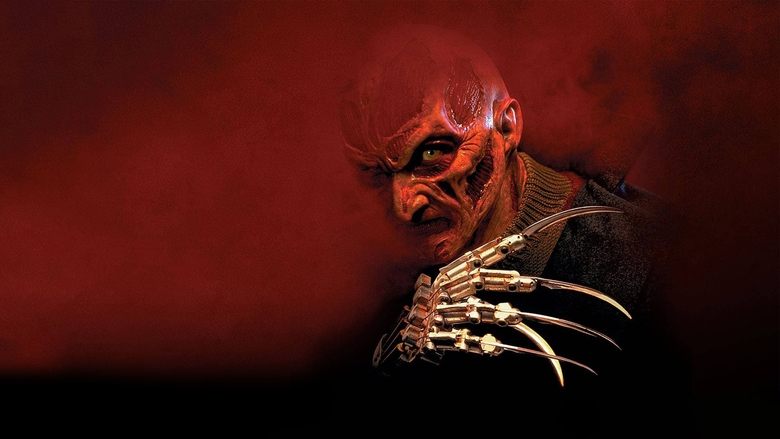
New Nightmare
1994
-
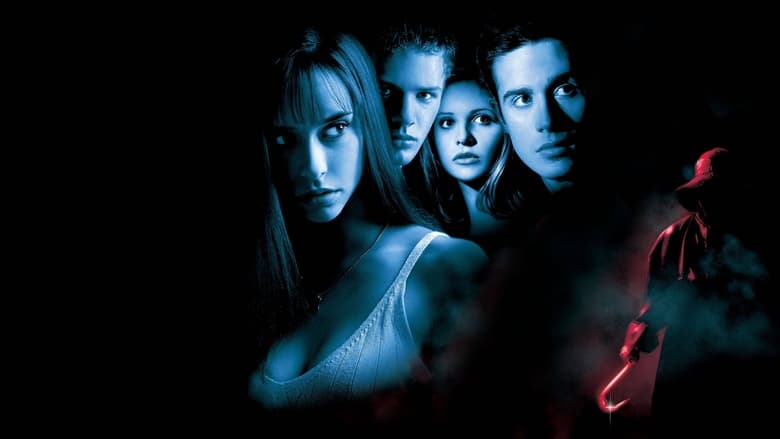
I Know What You Did Last Summer
1997
-
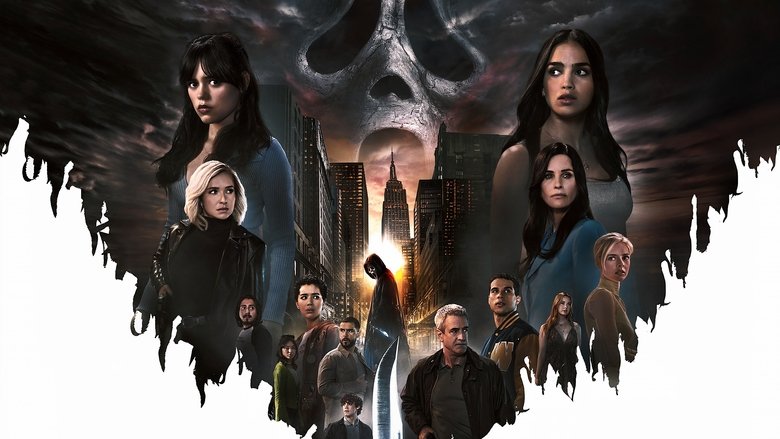
Scream VI
2023
-
The Ring
2002
-
The Blair Witch Project
1999
-
The Grudge
2004
-
Hide and Seek
2005
-
Red Eye
2005
-
Final Destination 3
2006
-

The Omen
2006
-
1408
2007
-
Final Destination 5
2011
-
Paranormal Activity 3
2011
-
Twin Peaks: Fire Walk with Me
1992
-
Ace Ventura: Pet Detective
1994
-

In the Mouth of Madness
1995