Selena
"A dream sung in two languages."
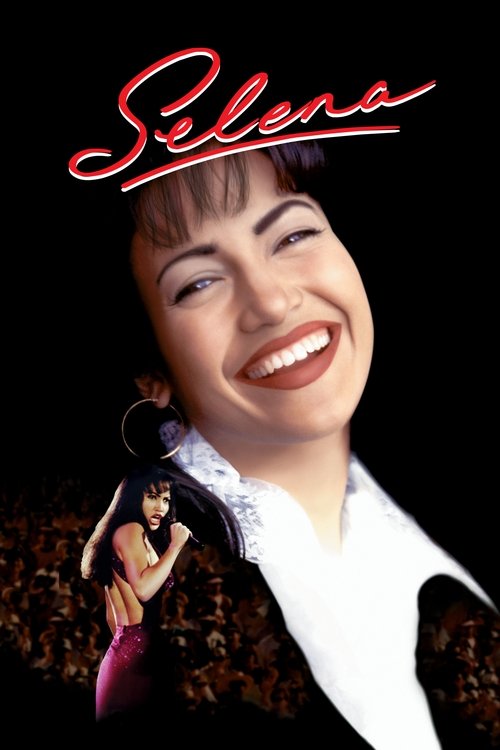
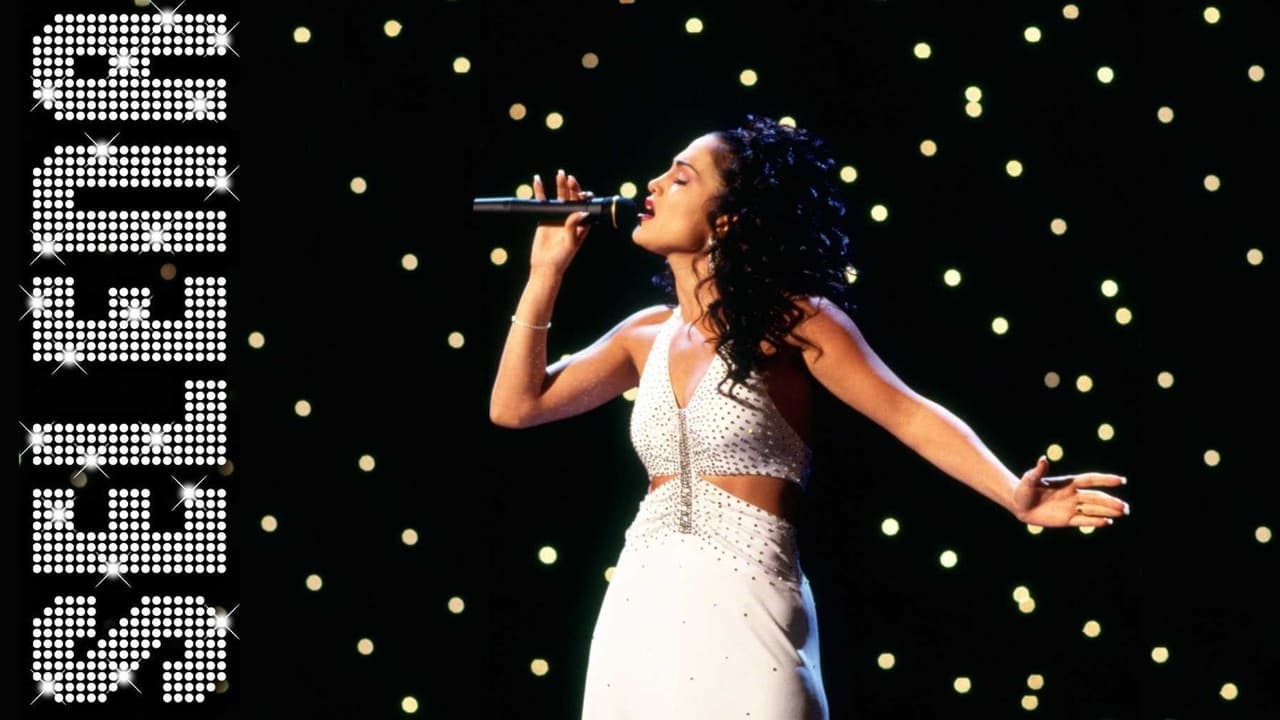
I’m sitting here with a slice of cold, day-old pepperoni pizza and a lukewarm soda, watching the opening sequence of Selena for probably the twentieth time in my life. Every time Jennifer Lopez steps onto that Houston Astrodome stage in the shimmering purple jumpsuit, I get the same chill. It’s a strange sensation because, in retrospect, we aren't just watching a portrayal of a pop star; we’re watching the precise moment one star’s ghost handed the torch to another star’s future.
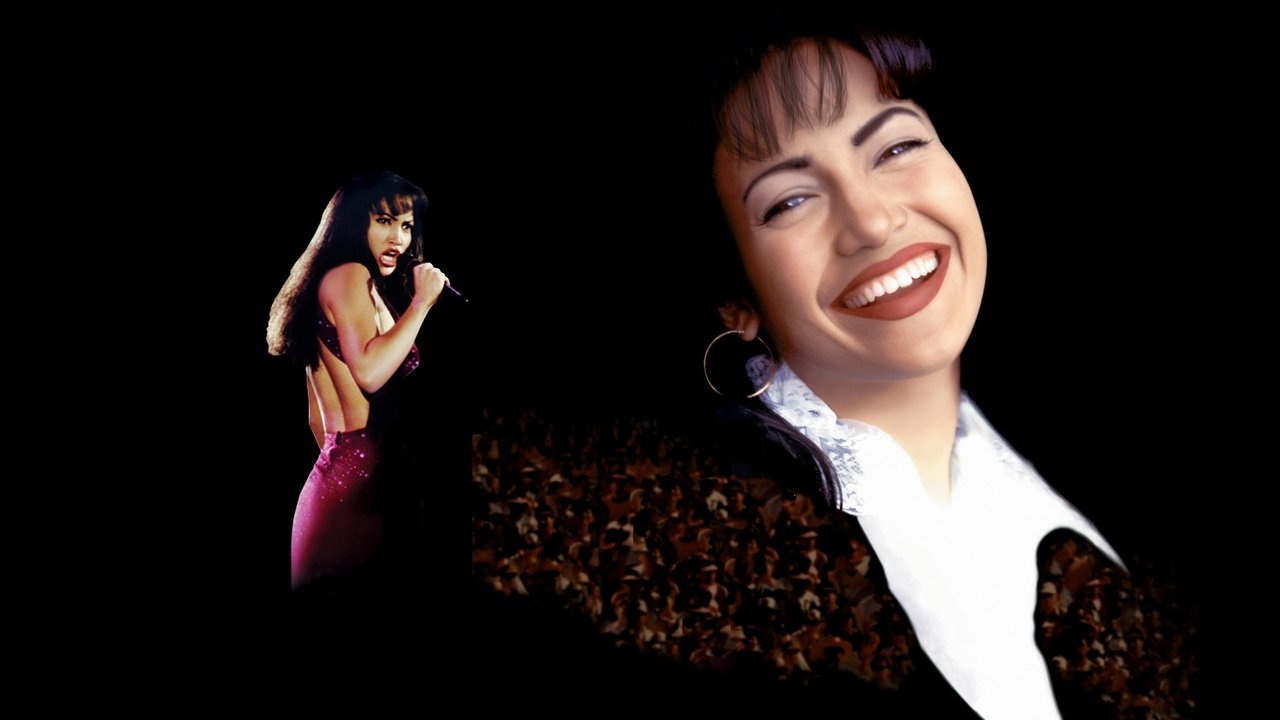
Released in 1997, a mere two years after the tragic death of Selena Quintanilla-Pérez, the film occupied a precarious space in the cultural zeitgeist. It could have easily been a voyeuristic, "Too Soon" cash-grab. Instead, director Gregory Nava (who previously explored the immigrant experience so hauntingly in El Norte) crafted a film that functions less like a standard biopic and more like a philosophical inquiry into the "Middle Space" of the American identity.
The Burden of the Hyphen
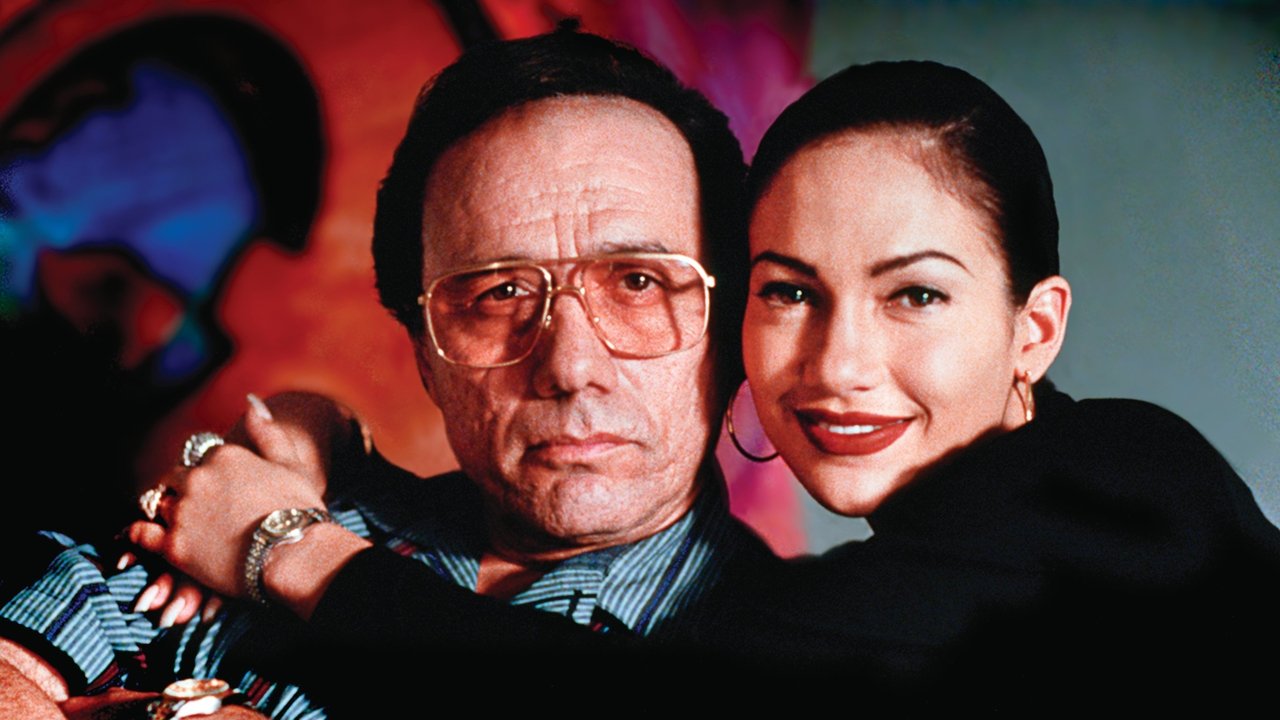
The heart of the film isn't actually the music—it’s the "Mexican-American" speech delivered by Edward James Olmos as Abraham Quintanilla. Olmos, who famously gained weight and thinned his hair to play the part, delivers a performance of such grounded, anxious paternalism that he anchors the entire movie. When he rants about having to be "more Mexican than the Mexicans and more American than the Americans," he’s articulating the central tension of the film: the exhaustion of the hyphenated identity.
It’s a cerebral layer that elevates Selena above the typical "struggling artist" tropes. The film asks: What does it mean to be a bridge? Selena herself—played with an uncanny, luminous energy by Jennifer Lopez—is the literal embodiment of that bridge. Watching her struggle to learn Spanish while her father forces her to sing Tejano music is a brilliant subversion of the traditional immigrant narrative. She isn't trying to assimilate into America; she’s trying to reclaim a heritage that was polished off by the previous generation's desire for "safety."
Lopez’s performance remains one of the most successful acts of cinematic channeling in modern history. Before she was "J-Lo," she was a dancer from the Bronx who had to convince a skeptical Texas public that she could inhabit their "Queen." She captures the lightness of Selena—the unforced, genuine joy that is actually much harder to act than brooding drama.
The Analog Sunset and the Crossover Myth
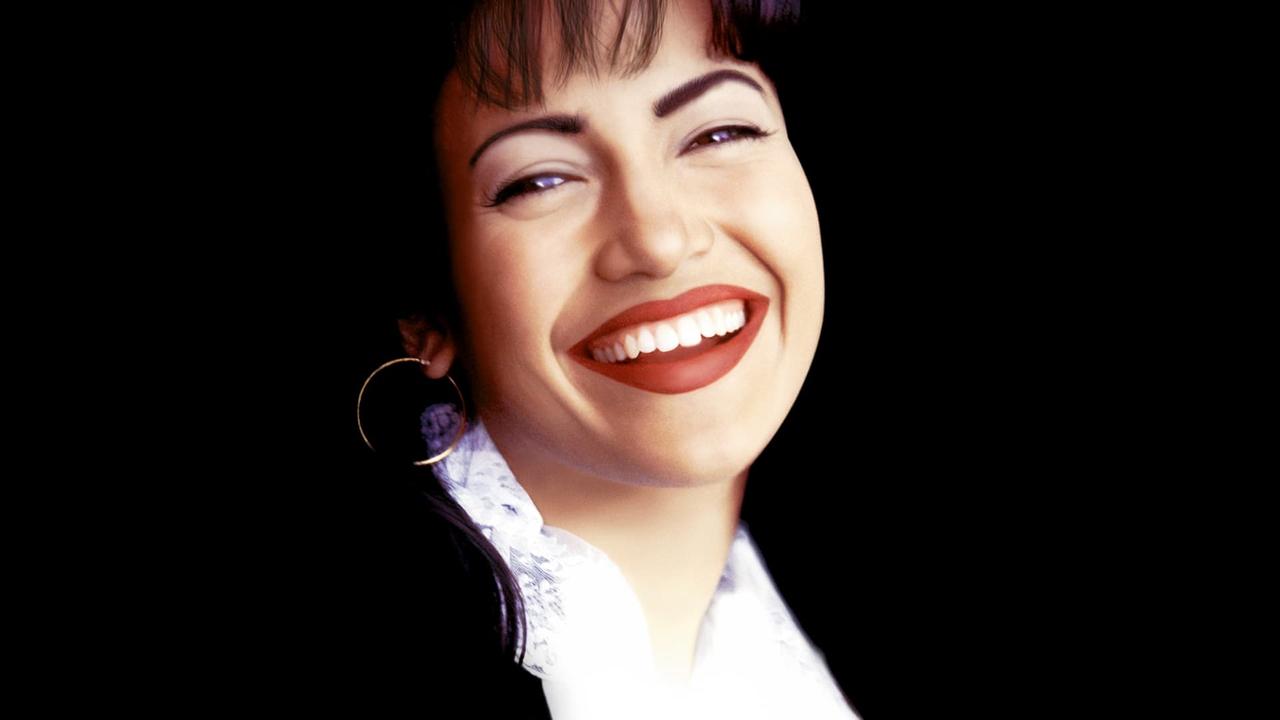
Rewatching Selena today offers a fascinating window into the late 90s, a period of transition where the world was still analog but dreaming of a digital, borderless future. The cinematography by Edward Lachman (who later did the gorgeous Carol) gives the Texas landscapes a sun-drenched, nostalgic glow that feels like a fading Polaroid. There’s a texture to the film—the Big Red sodas, the clunky tour buses, the hairspray—that evokes a specific pre-internet warmth.
This was the era of the "Latin Explosion" in the U.S., but Selena reminds us that the explosion was fueled by a tragic irony. The "English Crossover" album that the movie builds toward as the ultimate triumph was only released after her death. The film essentially argues that Selena had to die to be fully 'seen' by the mainstream American media, a haunting commentary on the cost of entry into the white-dominated pop charts of the 1990s.
Even the supporting cast, like Jon Seda as the heavy-metal-loving guitarist Chris Perez, reflects this cultural synthesis. His character's arc—from a "bad boy" rocker to a man folding himself into a family-run business—is handled with a subtlety that avoids the typical "rebel without a cause" cliches. There is a genuine chemistry between Seda and Lopez that makes the forbidden romance feel earned rather than scripted.
A Communal Act of Grieving
If there’s a flaw in the film, it’s the understandably sanitized portrayal of the family dynamics. Because it was produced by the Quintanilla family, the edges are rounded off. Abraham is depicted as a stern but ultimately wise patriarch, and the darker complexities of the music industry are largely ignored. However, the film gains an unexpected power because of this proximity. It feels like a living memorial.
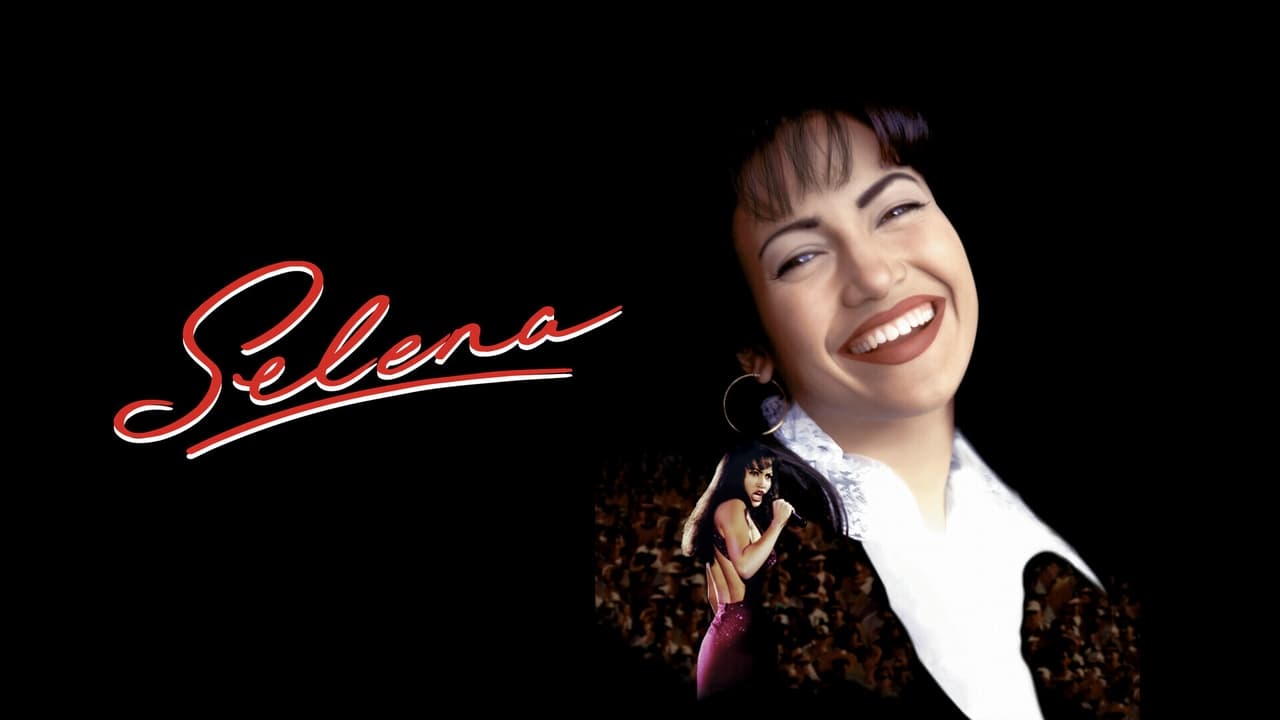
The choice to use Selena’s actual voice for the musical numbers, rather than having Lopez sing, was a stroke of genius. It preserves the "ghost" in the machine. When the film reaches its inevitable, heartbreaking conclusion, it doesn't linger on the violence. Gregory Nava treats the tragedy with a poetic restraint, focusing on the ripple effect of the loss rather than the sordid details of the killer.
In the late 90s, the Selena DVD was a staple in many households, often serving as a gateway for non-Latinx audiences to understand a culture they had previously ignored. Looking back, it remains a vital text. It’s a drama that manages to be both a crowd-pleasing celebration and a thoughtful meditation on the weight of being a pioneer. Honestly, the guy who screams "Anything for Salinas!" during the bumper-pulling scene is the most relatable character in cinematic history because he represents exactly how the audience feels: we just want to be part of her world.
Selena is more than a biopic; it’s a time capsule of a specific American hope. It captures the transition from the practical grit of the 80s to the glossy ambition of the late 90s, all while centering on a performance that launched a superstar. It reminds us that while the "dream" of the crossover is a powerful motivator, the most enduring legacies are built on the authenticity of the struggle. It’s a film that earns every tear it jerks, and twenty-five years later, that purple jumpsuit still hasn't lost its luster.
Keep Exploring...
-
Malcolm X
1992
-
The Doors
1991
-
The Diving Bell and the Butterfly
2007
-

The Muppet Christmas Carol
1992
-
Alive
1993
-
Quiz Show
1994
-
That Thing You Do!
1996
-
Amistad
1997
-
Finding Forrester
2000
-
Confessions of a Dangerous Mind
2002
-
The Count of Monte Cristo
2002
-
The Legend of 1900
1998
-
Moulin Rouge!
2001
-

Hero
2002
-
My Cousin Vinny
1992
-
A Little Princess
1995
-
October Sky
1999
-
The Straight Story
1999
-
Elizabeth
1998
-
Coach Carter
2005