The Devil's Own
"Two legends, one war, and no script."
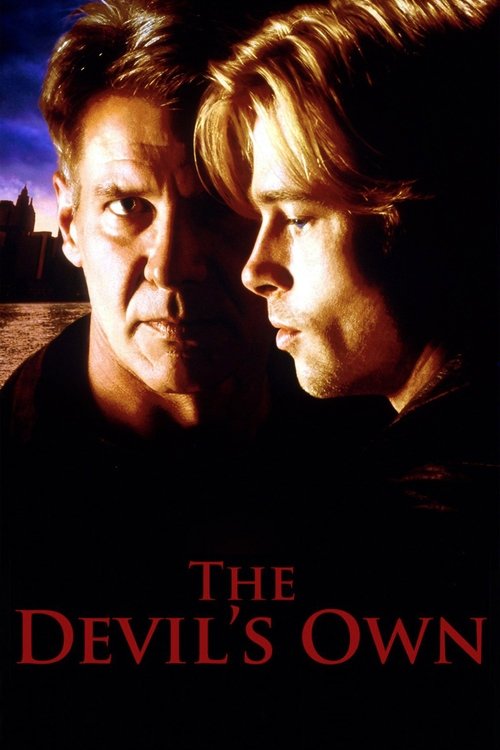
In early 1997, before anyone had seen a frame of The Devil’s Own, Brad Pitt did something movie stars almost never do: he told Newsweek his upcoming movie was a "disaster" and the "most irresponsible bit of filmmaking, if you can even call it that, that I’ve ever seen." It’s the kind of quote that usually sends studio executives into a cardiac event, but looking back at this somber, rain-slicked thriller, you can see exactly why he was frustrated. This wasn't just a movie; it was a $90 million tug-of-war between two of the biggest egos in Hollywood history, filmed without a finished script, and it remains one of the weirdest relics of the late-90s star-vehicle era.
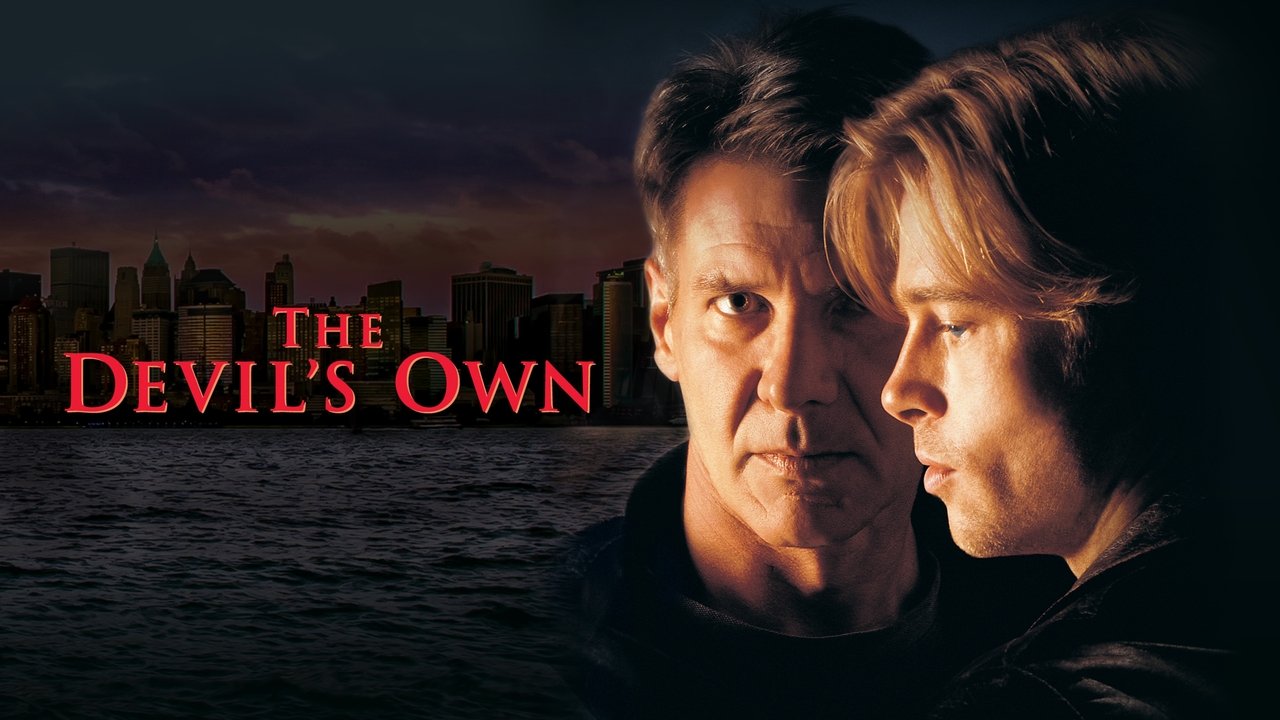
I watched this recently on a VHS tape I bought at a garage sale that still smelled faintly of old basement, and for some reason, that earthy, damp scent made the Belfast scenes feel far more authentic than the movie’s actual lighting. It’s a film that exists in a perpetual state of "almost." It’s almost a great political drama; it’s almost a pulse-pounding action flick; it’s almost a deep character study. Instead, it’s a fascinatingly lopsided bridge between the old-school thrillers of the 70s and the bloated blockbusters of the 90s.
A Clash of Cinematic Eras
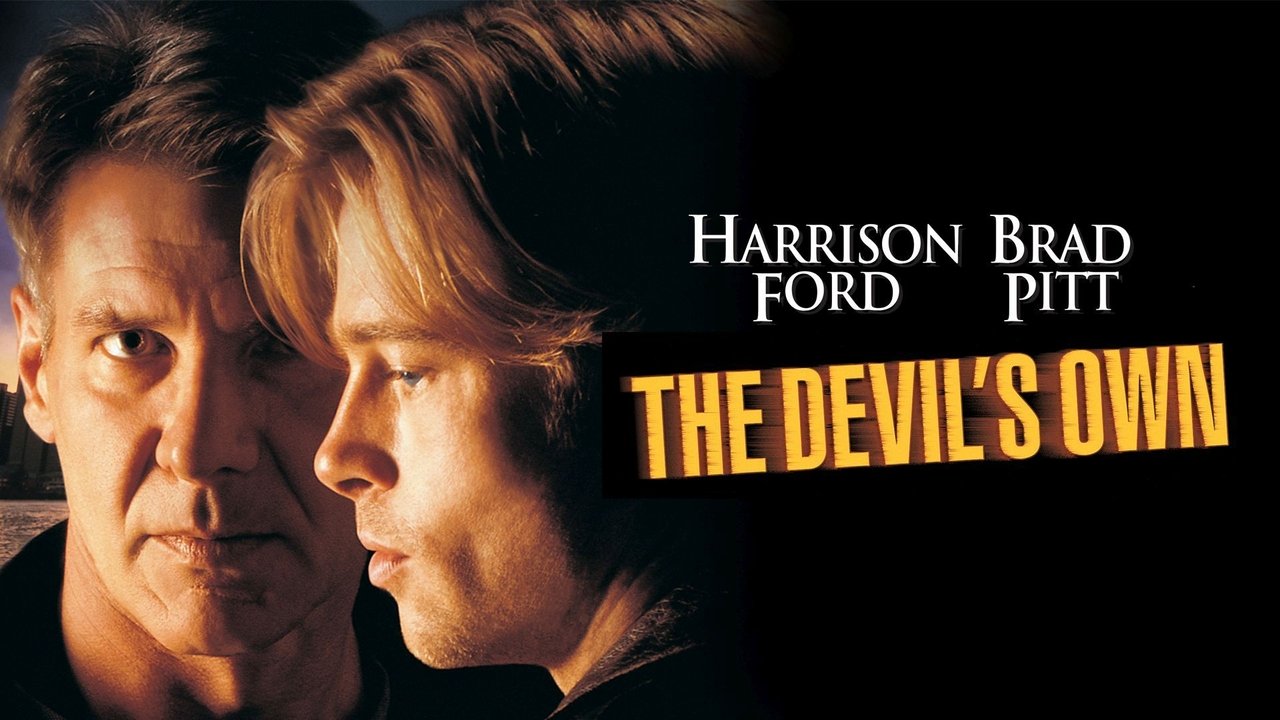
The premise is pure high-concept: Frankie McGuire (Brad Pitt), a lethal IRA assassin, travels to New York under the alias "Rory Devaney" to buy Stinger missiles. Through a series of contrivances, he’s housed with Tom O’Meara (Harrison Ford), a veteran NYPD officer who is basically the human embodiment of a "World's Best Dad" mug. Tom has no idea his houseguest is a terrorist; Rory finds a father figure he never had.
The tension on screen is mirrored by the tension behind the scenes. You have Alan J. Pakula, the legendary director of All the President’s Men and Klute, trying to make a serious, moralistic drama. Then you have the studio, which likely wanted Lethal Weapon with Irish accents. Harrison Ford was at the peak of his "grumpy but righteous" phase, and Brad Pitt was the young heartthrob trying to prove he had "serious actor" chops.
Watching Harrison Ford play a ‘good man’ for the 400th time is like eating comfort food that’s been in the microwave just a bit too long. He’s great at it, but there’s a sense of autopilot. Meanwhile, Pitt is swinging for the fences with a Northern Irish accent that oscillates wildly between "convincing" and "leprechaun on a bender." The movie is essentially a $90 million therapy session for two men with daddy issues, and the missiles are just a convenient excuse to get them in the same room.
The Prince of Darkness and the King of Gloom
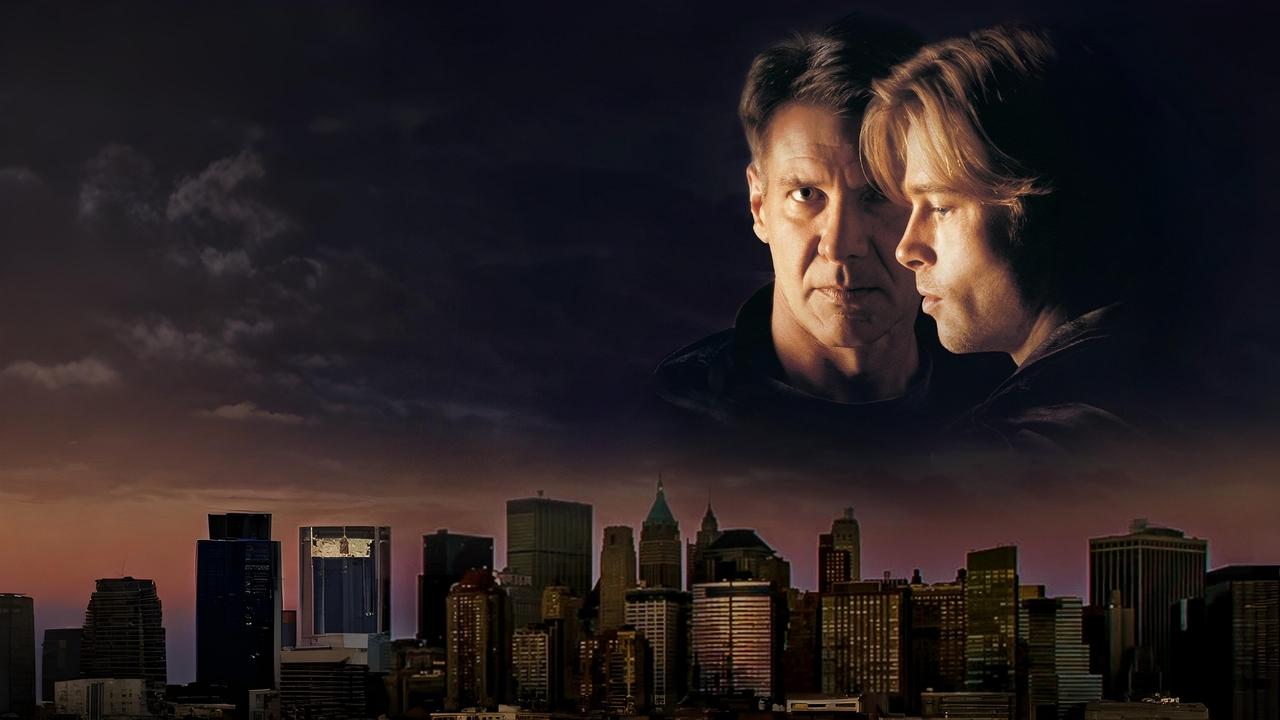
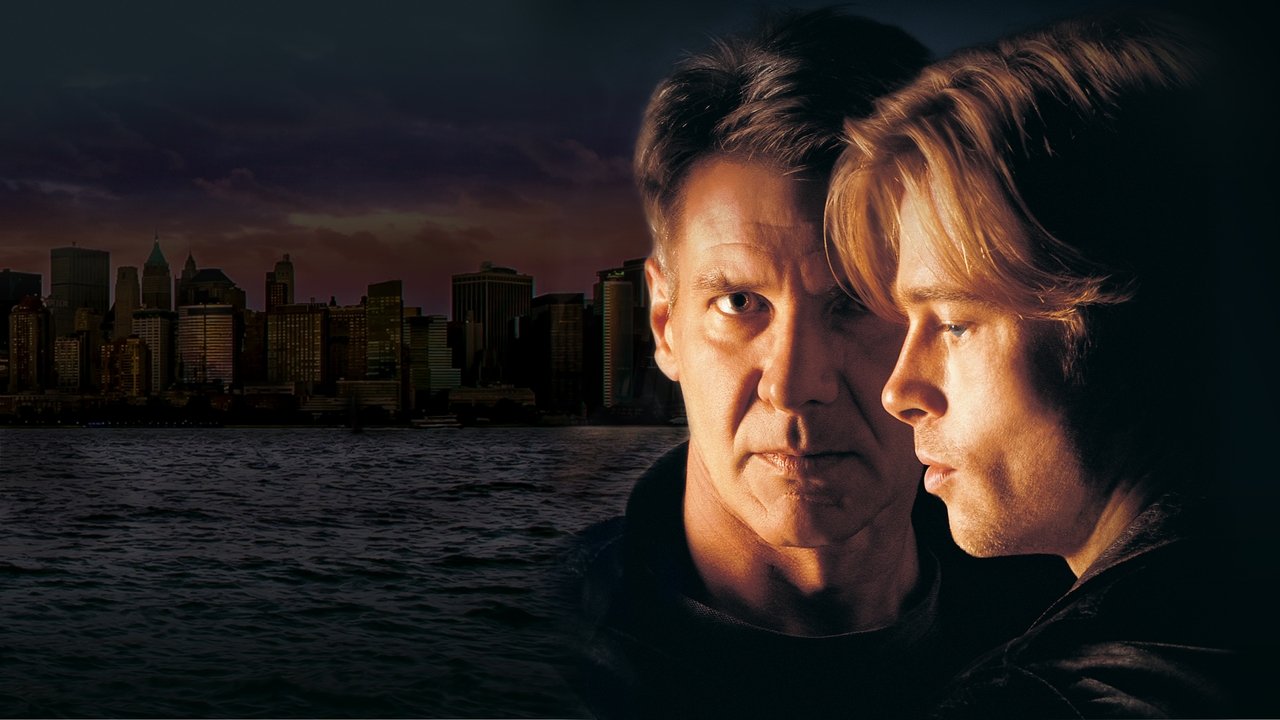
If there’s one reason to watch The Devil’s Own today, it’s the visuals. This was the final film for both Pakula and his longtime collaborator, cinematographer Gordon Willis. Known as the "Prince of Darkness" for his work on The Godfather, Willis brings a heavy, amber-and-shadow palette to New York that makes the city feel like a confessional booth. Even a simple scene in the O’Meara kitchen feels like it’s being lit by Rembrandt.
The problem is that the script, which went through countless rewrites by Kevin Jarre (Tombstone) and Vincent Patrick, never quite decides whose movie this is. Ford allegedly demanded more "hero moments" for his character, which resulted in a sub-plot involving a corrupt partner (Rubén Blades) that feels like it belongs in an entirely different film. While Ford is busy being a cop, the movie forgets that Pitt is supposed to be buying high-grade military hardware from a slimy black-market dealer played by Treat Williams.
The result is a pacing that feels like a car trying to drive with the parking brake on. Just as we get invested in Rory’s internal struggle—the "promise of peace or a lifetime of murder"—we’re whisked away to watch Tom deal with a moral quandary about a shooting in an alleyway. The narrative has the structural integrity of a wet cardboard box, yet the actors are so charismatic that you find yourself staying for the ride anyway.
The Last of Its Kind
There’s a strange, mournful quality to The Devil’s Own that has actually aged better than the action beats. This was before the MCU formula, before every thriller had to be "kinetic" or "gritty" in a digital sense. It’s a slow-burn drama that actually cares about the domestic life of its characters. The scenes with Margaret Colin as Tom’s wife and their daughters feel lived-in and real. It captures a specific pre-9/11 anxiety about global terrorism landing on an American doorstep, but it treats the "enemy" with a level of empathy that you rarely see in modern blockbusters.
The ending is notoriously divisive—a product of those infamous test screenings and script disputes—but there’s a poetic sadness to it that fits Pakula’s filmography. It’s not a "fun" movie, and it’s certainly not the masterpiece it could have been if the two lead stars hadn't been fighting over screen time like kids with a single toy. But as a swan song for Pakula and Willis, and as a time capsule of the era when movie stars were bigger than the movies themselves, it’s a fascinating, moody failure that I’d still take over a dozen generic modern streamers.
It is a handsome, well-acted, but fundamentally confused movie that suffers from an identity crisis. You come for the star power of Harrison Ford and Brad Pitt, but you stay for the incredible cinematography and James Horner's haunting, Celtic-infused score. It’s a film that asks big questions about loyalty and blood but settles for a few shrugs and a boat chase. If you’re in the mood for a rainy-day thriller that feels like a heavy wool sweater—slightly scratchy but strangely comforting—this is the one.
Keep Exploring...
-
The Pelican Brief
1993
-
A Perfect Murder
1998
-
The Siege
1998
-
Payback
1999
-
Murder by Numbers
2002
-
Patriot Games
1992
-
The Client
1994
-

Hackers
1995
-
Strange Days
1995
-
Breakdown
1997
-
Cop Land
1997
-
Kiss the Girls
1997
-
The Rainmaker
1997
-
Fallen
1998
-
Arlington Road
1999
-
The Pledge
2001
-
The Score
2001
-
Confessions of a Dangerous Mind
2002
-
Backdraft
1991
-
K-19: The Widowmaker
2002