The Edge
"Brains, brawn, and a very hungry bear."
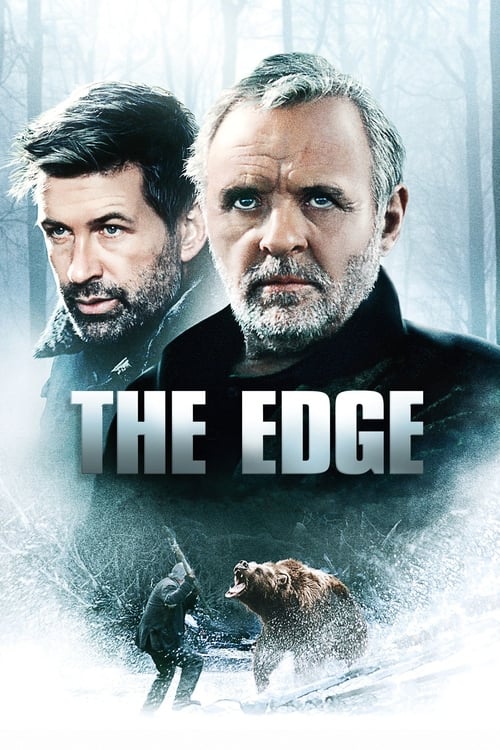
There is a specific breed of 1990s "Dad Movie" that seems to have vanished into the Alaskan permafrost along with the mid-budget studio drama. You know the type: it’s got a prestige cast, a screenplay by a guy who usually wins Pulitzers, and a plot that can be summarized as "competent men being very serious in jackets." Lee Tamahori’s The Edge is the apex predator of this forgotten genre. I watched this again on a Tuesday night while trying to fix a leaky faucet with a failing YouTube tutorial, and honestly, the film’s "what one man can do, another can do" survivalism made me feel like an absolute failure as a modern human.

The setup is pure David Mamet—the kind of hyper-literate, cynical chess match that defines his best work. Anthony Hopkins plays Charles Morse, a billionaire with a photographic memory and a library’s worth of survival trivia but zero practical experience. He’s in Alaska with his beautiful wife (Elle Macpherson) and a fashion photographer named Bob (Alec Baldwin), whom Charles suspects is plotting to kill him. When their small plane clips a flock of birds and plunges into a lake, the social subtext becomes the only thing that matters. It’s no longer about who owns the bank; it’s about who can make fire with a piece of string and a bit of hope.
The Mamet Speak vs. The Bear
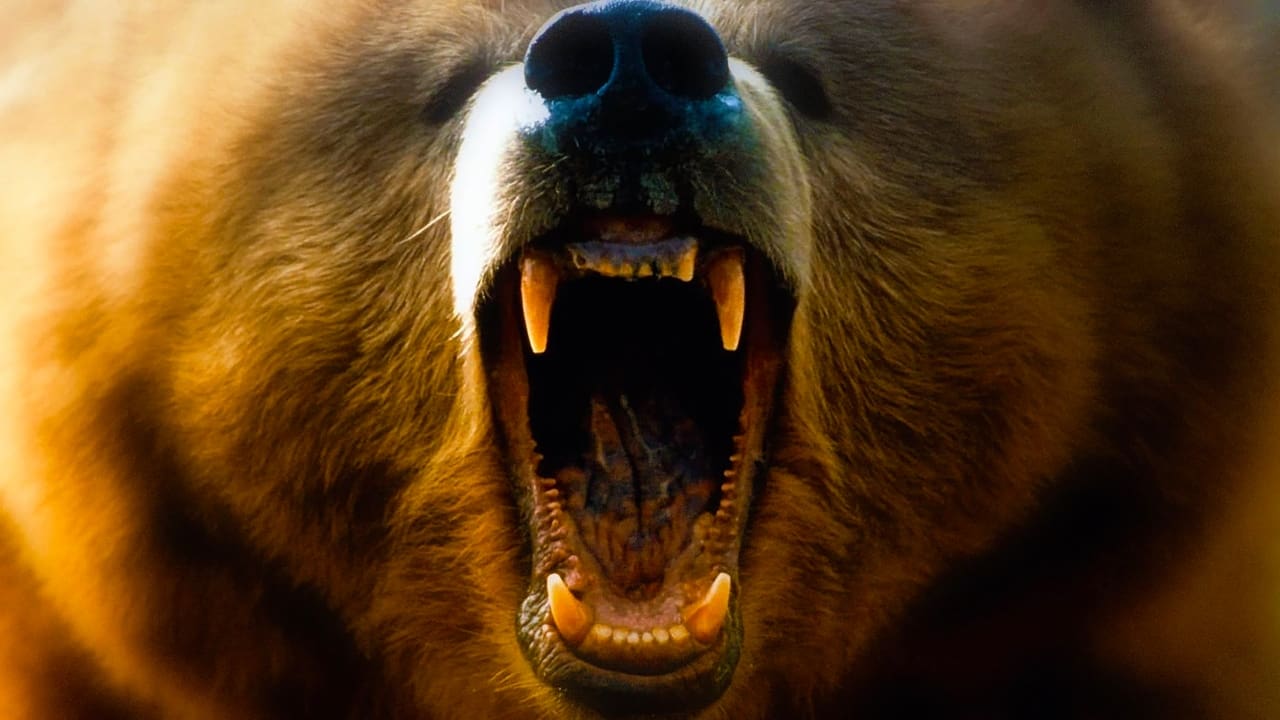
What makes The Edge so fascinating in retrospect is how it balances David Mamet's rhythmic, staccato dialogue with the raw, messy reality of a survival thriller. Usually, when Mamet writes, characters stand in rooms and verbally dismantle each other. Here, he forces them to do it while being hunted by a 1,500-pound Kodiak bear.
The bear, played by the legendary Bart the Bear, is a revelation of the pre-CGI era. Looking back at this from a world of digital marvels, there is something profoundly terrifying about seeing a real animal that could flatten a Volkswagen sitting ten feet away from Anthony Hopkins. There’s no "uncanny valley" here; there’s just a giant predator that looks like it could eat the entire cast and still have room for the crew. "This is essentially a high-stakes survival seminar interrupted by a messy divorce proceeding," and the bear is the only character who isn't overthinking the situation.
The action sequences are staged with a physical weight that contemporary thrillers often lack. When Harold Perrineau's character, Stephen, gets injured, the consequences feel permanent and agonizing. There are no superhero landings or miraculous recoveries. The film respects the physics of the wilderness, and that groundedness makes the psychological warfare between Anthony Hopkins and Alec Baldwin feel much more dangerous.
Two Titans in the Tundra
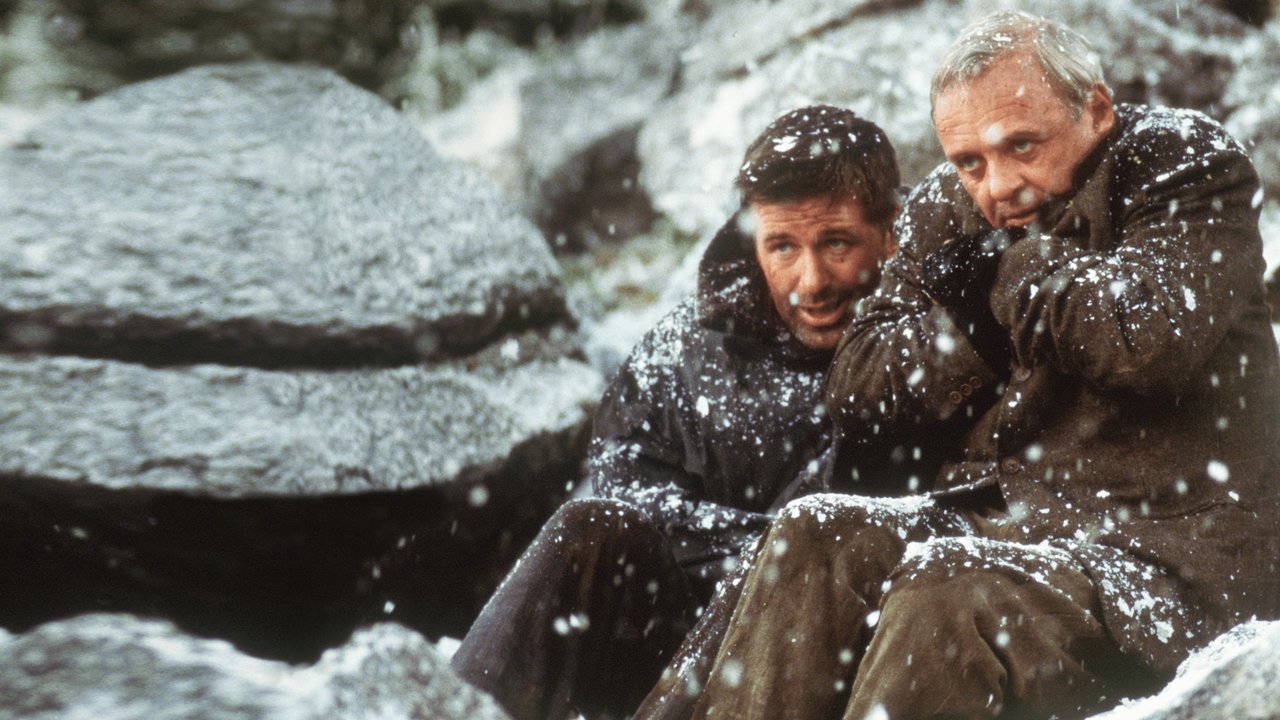
The chemistry between the leads is what keeps The Edge from being just another "nature runs amok" flick. Anthony Hopkins was in the middle of a phenomenal run here, playing Charles with a quiet, terrifying intellect. He doesn't play a hero; he plays a man who has read so many books that he knows exactly how he’s supposed to die. Seeing him transition from a mild-mannered nerd in a turtleneck to a man sharpening a spear is one of the great cinematic transformations of the decade.
Alec Baldwin, meanwhile, is at his peak "charismatic-but-sleazy" best. He’s the perfect foil—all swagger and hidden resentment. You can practically see the wheels turning in Bob’s head as he realizes that the billionaire he wanted to kill is the only person standing between him and becoming bear scat. The dynamic is fascinating: Charles needs Bob’s physical strength, and Bob needs Charles’s encyclopedia-brain. It’s a marriage of convenience where both partners are holding knives behind their backs.
I also have to shout out the score by Jerry Goldsmith. It’s grand and sweeping, capturing the majesty of the Alaskan wilderness while also punctuating the moments of sheer terror. It’s the kind of old-school Hollywood composing that makes a movie feel "big," even when it's just three guys shivering in a cave.

Why This One Slipped Through the Cracks
Released in 1997, The Edge was somewhat overshadowed by the looming shadow of Titanic and the burgeoning trend of disaster movies like Dante's Peak. It was a movie for grown-ups in an era that was starting to pivot toward the spectacle of the digital revolution. While it did decent business, it didn't spawn a franchise or a theme park ride, which in today's Hollywood basically means you didn't exist.
But looking back, The Edge reveals itself as a masterclass in pacing and tone. It doesn't rely on the "shaky cam" that would plague action films a few years later. Instead, Donald McAlpine’s cinematography uses wide shots to make the characters look small against the indifferent beauty of nature. It’s a film that demands to be reassessed, not just as a "Dad Movie," but as a tightly wound thriller that asks a very uncomfortable question: How much of your "civilized" self would survive if the grocery stores closed and something started hunting you?
Ultimately, this is a film about the power of the human mind—and the sheer, terrifying power of a bear’s jaws. It’s smart, mean, and beautifully shot. If you’ve only ever seen Anthony Hopkins as a cannibal or a god, you owe it to yourself to see him play a guy who tries to kill a grizzly with a wooden stick. It’s the kind of lean, mean storytelling we don’t get enough of anymore. Just make sure you have a working faucet before you start watching, or you’ll feel even more useless than I did.

Keep Exploring...
-
The Count of Monte Cristo
2002
-
Maverick
1994
-
Executive Decision
1996
-
Flight of the Phoenix
2004
-
Walking Tall
2004
-
All Is Lost
2013
-
The Messenger: The Story of Joan of Arc
1999
-
Along Came a Spider
2001
-
Days of Thunder
1990
-

The Man in the Iron Mask
1998
-
House of Flying Daggers
2004
-

Sahara
2005
-
Valhalla Rising
2009
-

Wizards of Waverly Place: The Movie
2009
-

13 Assassins
2010
-
Centurion
2010
-
1492: Conquest of Paradise
1992
-
Wyatt Earp
1994
-
First Knight
1995
-
DragonHeart
1996