The Game
"Your life is the playing field."

I remember watching The Game for the first time on a grainy VHS tape I’d borrowed from a neighbor who smelled vaguely of damp basements and old newspapers. I was halfway through a bowl of lukewarm SpaghettiOs when the credits rolled, and I just sat there, spoon suspended in mid-air, wondering if my entire life up to that point had been choreographed by a shadowy corporation. That’s the Fincher effect. It doesn’t just entertain you; it makes you check your closet for hidden cameras.

Released in 1997, nestled right between the grisly gut-punch of Seven (1995) and the cultural napalm of Fight Club (1999), The Game often feels like the sophisticated, neglected middle child of David Fincher’s filmography. It’s a precision-engineered nightmare that feels uniquely 1990s—a time when we were wealthy enough to be bored but tech-literate enough to be terrified of what was happening behind the screen.
The Art of the Controlled Spiral
The film follows Nicholas Van Orton, played with a brittle, icy perfection by Michael Douglas. Nicholas is a man who has optimized his life into a series of lonely successes. He lives in a San Francisco mansion that feels more like a mausoleum, haunted by the memory of his father’s suicide. Enter his black-sheep brother, Conrad—played by a twitchy, manic Sean Penn—who gives him a birthday present: a voucher for Consumer Recreation Services (CRS).
What follows is a descent into a labyrinth where the walls don’t just close in; they relocate entirely. Michael Douglas was essentially the patron saint of the "rich white guy in peril" subgenre in the 90s (see: Fatal Attraction or Basic Instinct), but here he’s doing something different. He’s playing a man whose greatest fear isn’t death, but the loss of dignity. Watching his $2,000 suits get progressively filthier as he’s dumped in a Mexican graveyard or forced to eat at a greasy diner is the cinematic equivalent of watching a cat get thrown into a bathtub. It’s cruel, it’s meticulous, and you can’t look away.
Fincher’s direction is, as always, clinical. Along with cinematographer Harris Savides (who also shot Zodiac), he paints San Francisco in shades of deep mahogany and sickly fluorescent green. Every frame feels like it was composed by someone with a severe case of OCD, which fits Nicholas perfectly. The world of The Game is one of dark wood, heavy shadows, and the constant, rhythmic ticking of clocks.
Behind the Curtains of CRS
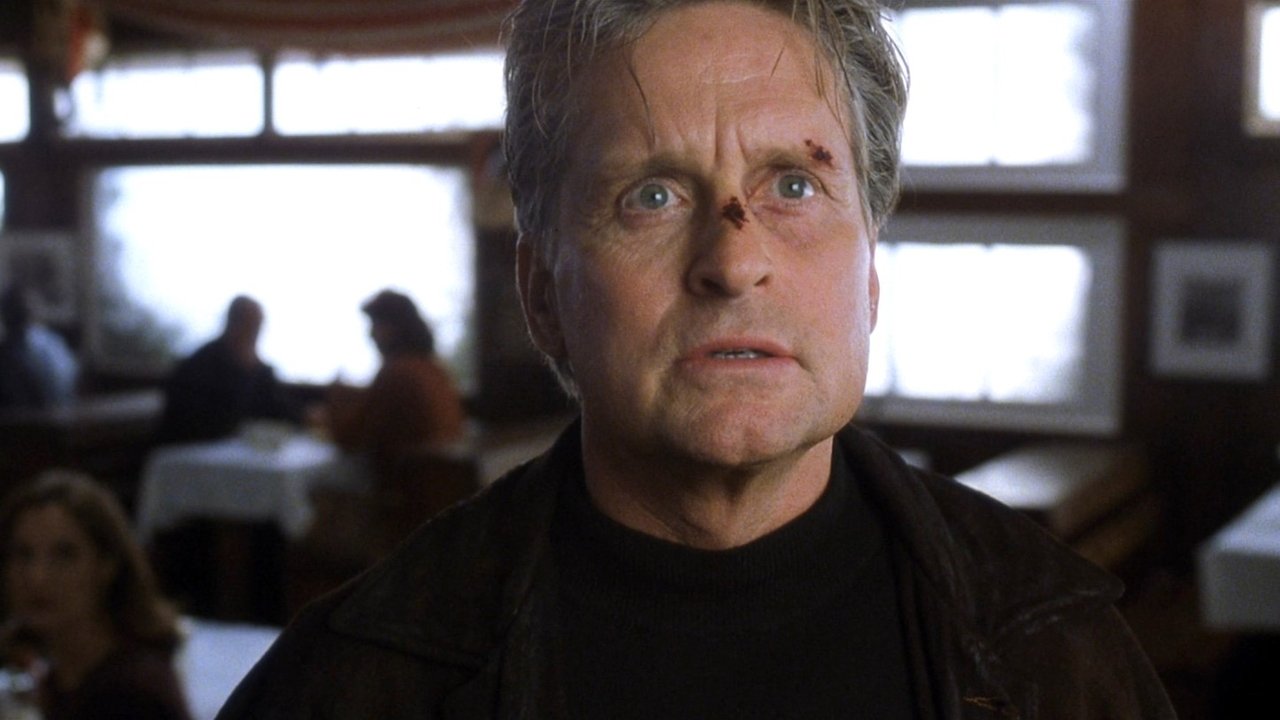
For the trivia hounds, the production of The Game was almost as controlled as the game itself. David Fincher originally wanted Jeff Bridges for the role of Nicholas, but the studio pushed for Michael Douglas. While Bridges is great, I can’t imagine him capturing that specific brand of "arrogant banker" quite as naturally. Interestingly, the role of Conrad was almost played by Jodie Foster, but she wanted to play Nicholas’s daughter instead of his sister, which led to a legal scuffle and her eventual departure.
The film’s climax—the famous 200-foot fall—wasn’t just a bit of blue-screen magic. While they used a stunt double (the legendary Gregory J. Barnett), the shot of the fall through the glass roof was a complex practical rig. Fincher, being the perfectionist he is, insisted on multiple takes to get the glass shatter pattern just right.
Then there’s the script. While credited to Larry Gross and John Brancato, it received a significant, uncredited polish from Andrew Kevin Walker, the man who wrote Seven. You can feel his fingerprints in the film’s darker corners—that sense of existential dread that suggests the world isn’t just indifferent to you, it’s actively mocking you.
Does the Ruse Still Work?
Revisiting The Game in the era of ARG (Alternate Reality Games) and escape rooms is a trip. In 1997, the idea of a company being able to monitor your every move, bug your television, and manipulate your bank accounts felt like high-concept sci-fi. Today, that’s just called "having a smartphone." Yet, the film hasn't lost its teeth.
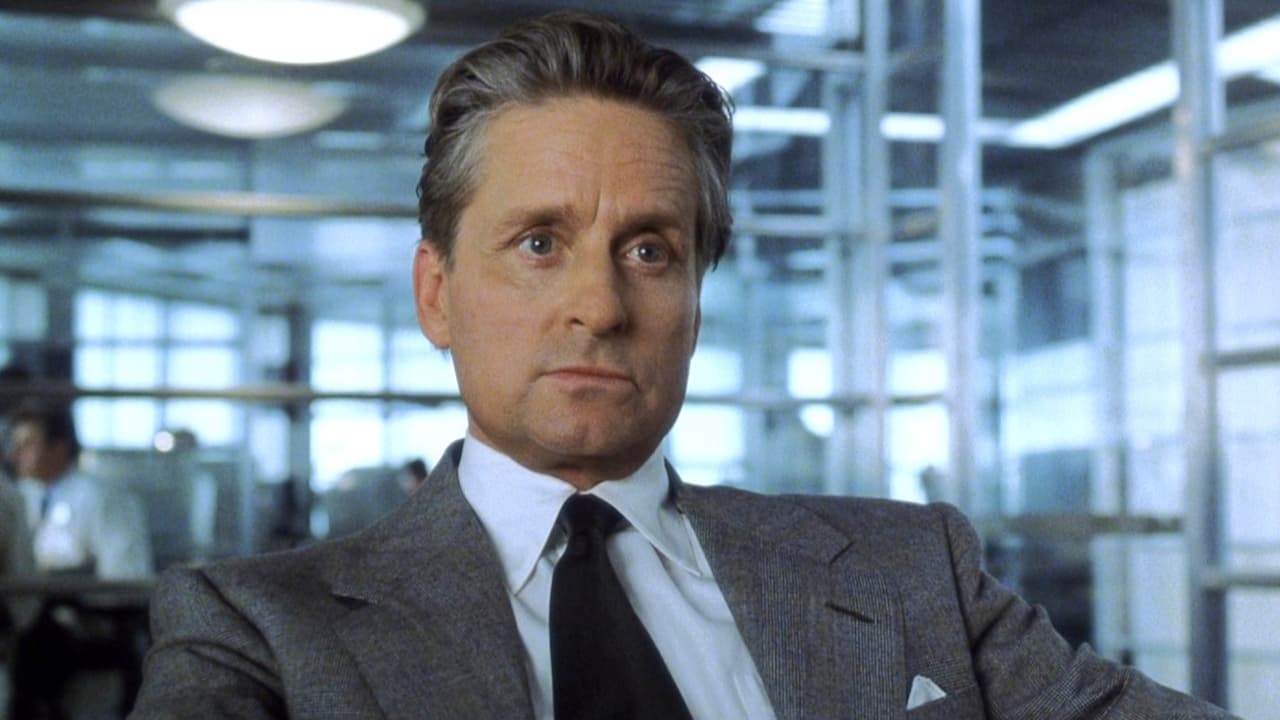
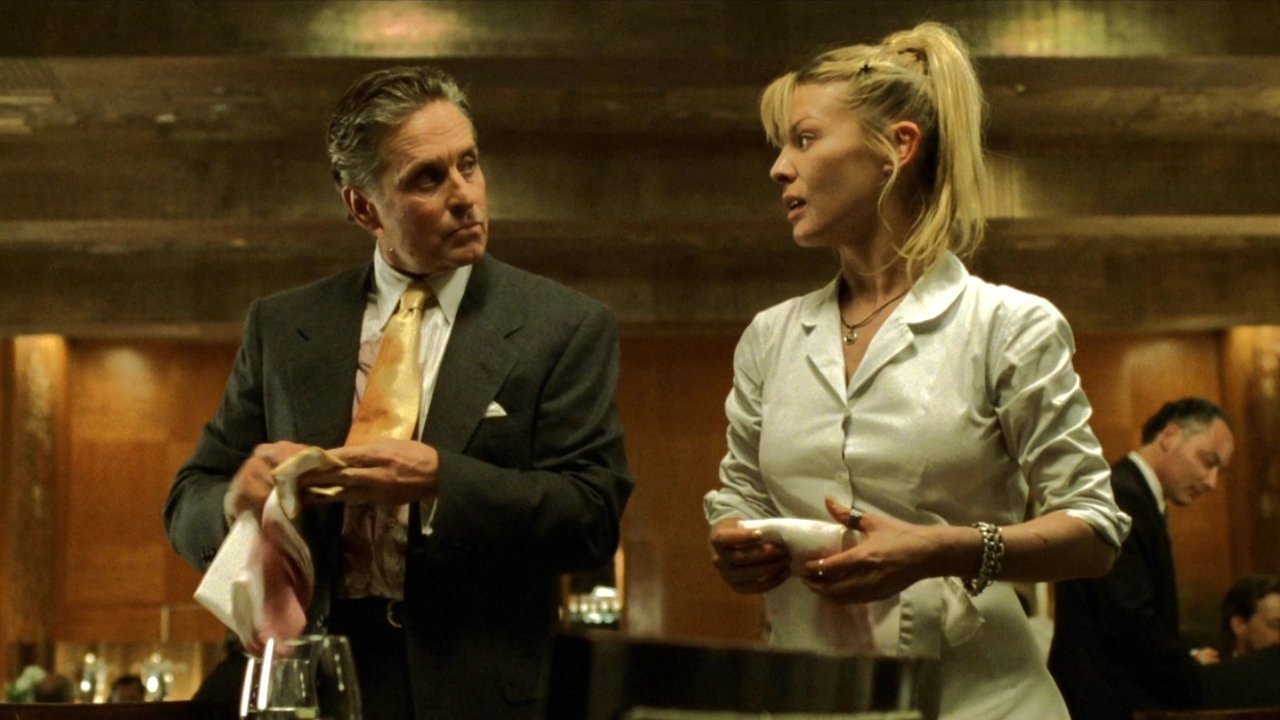
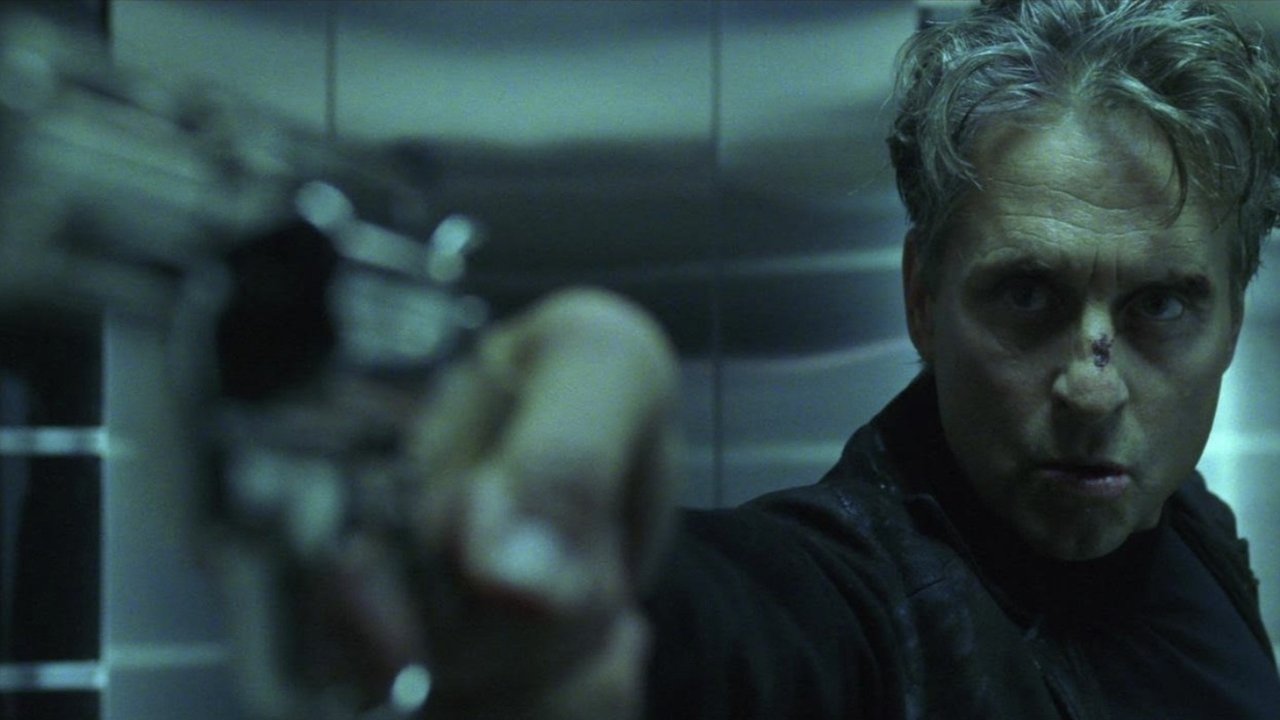
The tension works because it taps into a primal anxiety: the fear that we are the only ones not in on the joke. Deborah Kara Unger is fantastic as Christine, a waitress who may or may not be an operative, providing a foil to Nicholas’s rigid world. Every time Nicholas thinks he has a handle on the rules, the floor literally drops out from under him.
Some critics at the time—and even today—balk at the ending. Without spoiling it, I’ll say it requires a massive leap of faith. But honestly? I don't care if it's "unrealistic." The film isn't a documentary on corporate logistics; it’s a psychological fable about a man who needs to lose everything to remember how to feel anything. It’s a dark, twisted version of A Christmas Carol where the ghosts have guns and a high-end surveillance budget.
If you haven't seen this since the days of DVD players, or if you've never experienced the CRS orientation, it's time to play. It’s a masterclass in pacing and atmosphere that proves David Fincher could make a phone book look like a conspiracy thriller. It’s cynical, gorgeous, and just a little bit mean—exactly how a 90s thriller should be. Just don't blame me if you start side-eyeing the waiters at your next birthday dinner.
Keep Exploring...
-

Gone Girl
2014
-
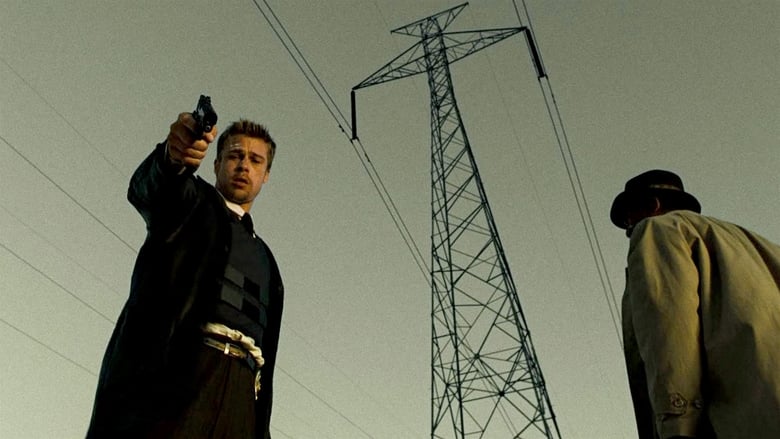
Se7en
1995
-

Zodiac
2007
-

The Girl with the Dragon Tattoo
2011
-
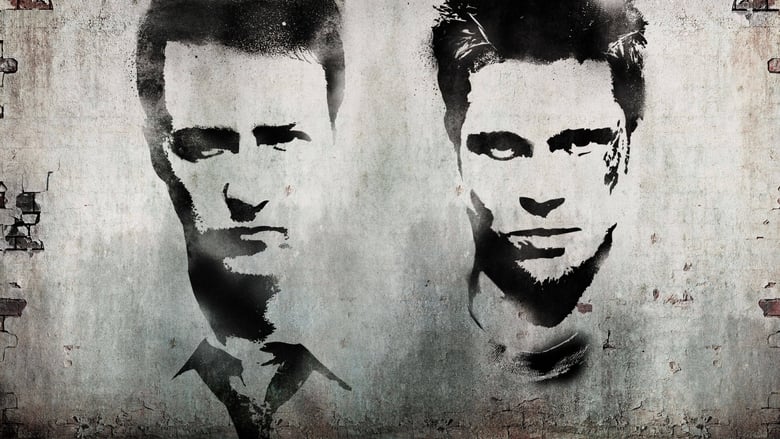
Fight Club
1999
-
Lost Highway
1997
-
Eyes Wide Shut
1999
-
Sleepy Hollow
1999
-

Falling Down
1993
-
Unbreakable
2000
-
The Bourne Identity
2002
-
Lucky Number Slevin
2006
-
The Bone Collector
1999
-
Primal Fear
1996
-
L.A. Confidential
1997
-
Pi
1998
-
Arlington Road
1999
-
The Sixth Sense
1999
-
Mulholland Drive
2001
-
The Skin I Live In
2011