The Jackal
"Many faces. One target. No mercy."
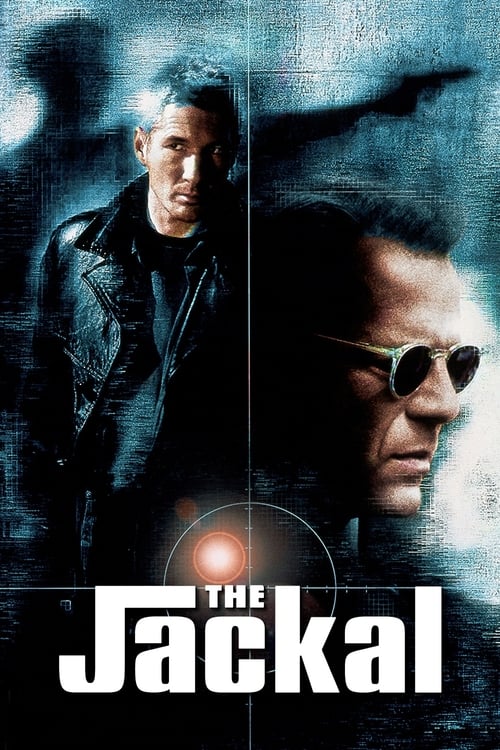
There is a specific, giddy kind of joy in watching Bruce Willis try on a series of increasingly questionable wigs. I first revisited The Jackal last Tuesday while eating a bowl of cereal that had gone slightly soggy because I spent too much time trying to figure out if Willis’s blonde "lemon-drop" hairpiece was supposed to be a disguise or a cry for help. It’s that kind of movie—a high-stakes 90s thriller that feels like it was assembled from a "Cool Spy Stuff" starter kit, and yet, I found myself completely unable to look away.
Released in 1997, The Jackal is a loose—and I mean very loose—remake of the 1973 classic The Day of the Jackal. While the original was a clinical, cold-blooded procedural, this version is a loud, globetrotting blockbuster that serves as a perfect time capsule for the late-90s "Techno-Thriller." This was an era when the internet was a scary magic box and "downloading a file" was considered a valid sequence for building terminal suspense.
The Wig-Capades of Bruce Willis
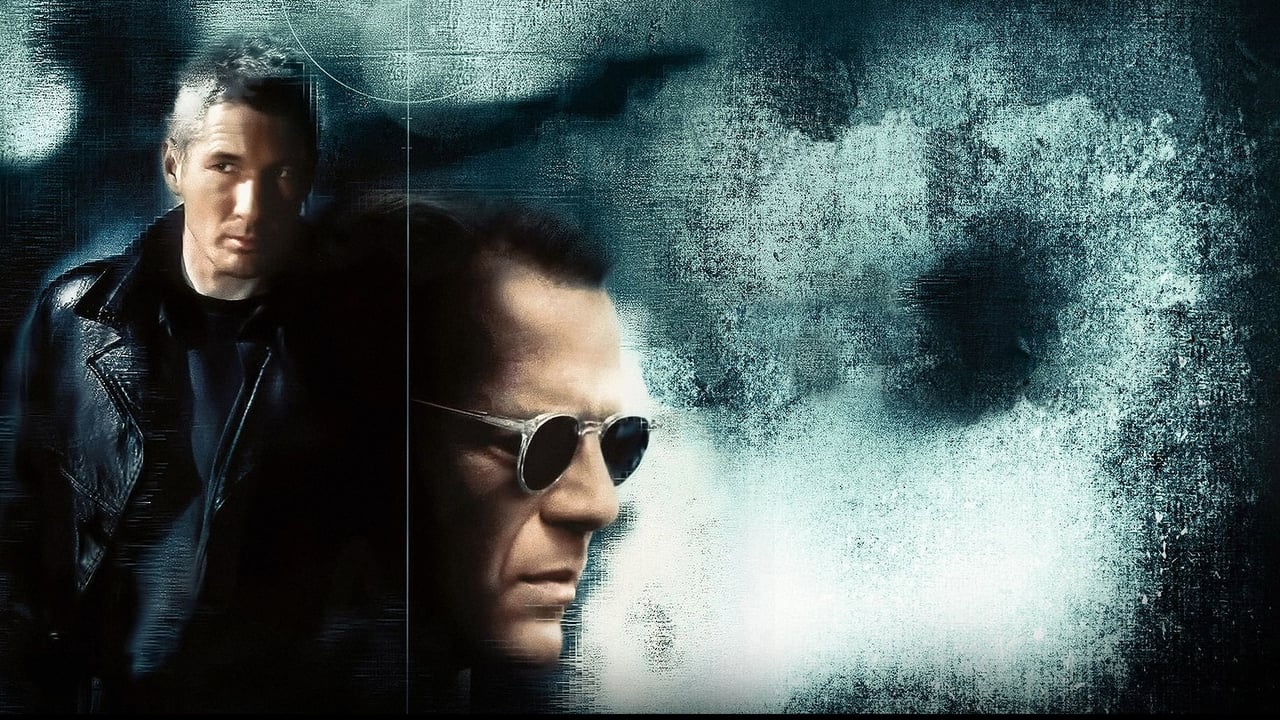
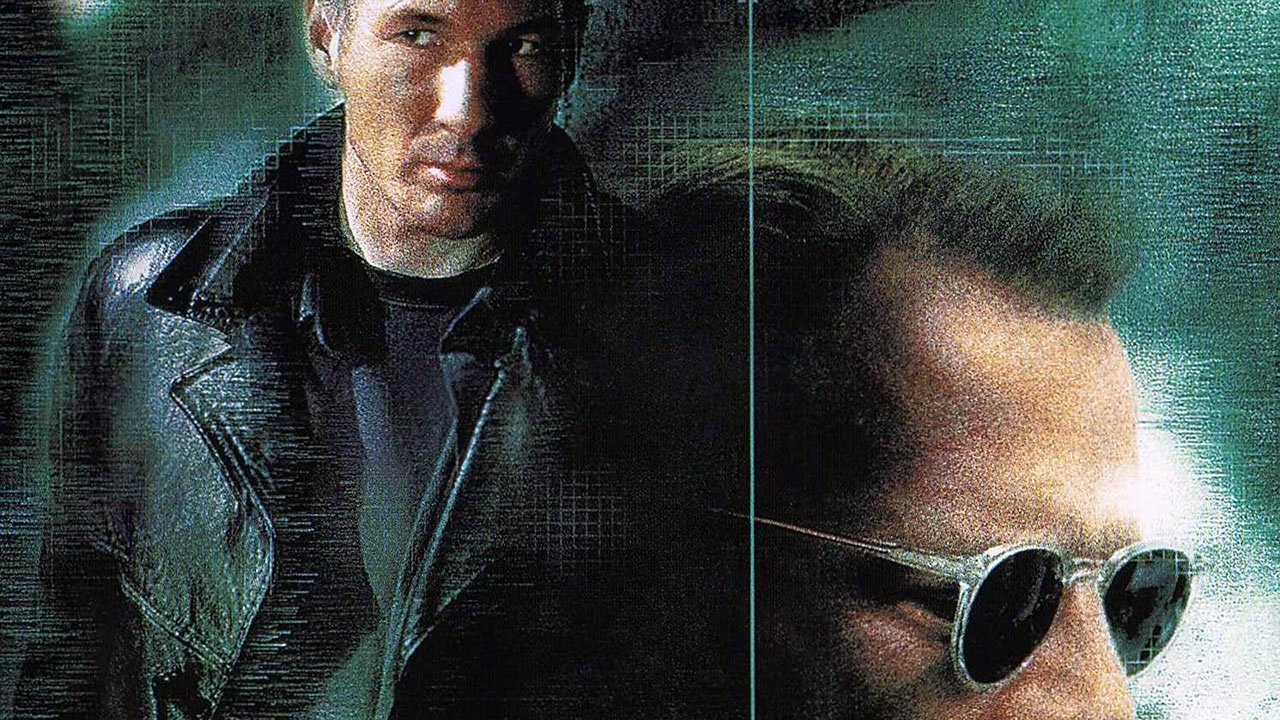
The plot kicks off when the Russian Mafia, upset about an FBI sting, hires an anonymous hitman known only as The Jackal (Bruce Willis) to take out a high-ranking U.S. official. To stop him, FBI Deputy Director Carter Preston (Sidney Poitier) and Russian Major Valentina Koslova (Diane Venora) have to do the unthinkable: recruit an imprisoned IRA sniper named Declan Mulqueen (Richard Gere). Apparently, Declan is the only person who can identify the Jackal’s face—which is a tall order considering Willis spends half the movie looking like he raided a community theater’s clearance bin.
Willis is clearly having the time of his life here. Usually, he’s the smirking hero, but as the Jackal, he’s a sociopathic chameleon. One minute he’s a gay man in a bar (a scene that feels a bit dated now, but shows his range), the next he’s a middle-aged businessman with a potbelly. Watching him navigate customs and build a remote-controlled super-gun in the back of a minivan is the kind of practical, tactile villainy we rarely see in the age of CGI. It’s weirdly satisfying to see him play the "bad guy" with such chilling, blank-eyed detachment.
A Masterclass in 90s Excess
If Willis is the anchor, Richard Gere is... well, he’s trying. His Declan Mulqueen is a man of few words and a very shaky Irish accent. Honestly, Richard Gere’s IRA accent sounds like a man trying to swallow a potato while imitating a pirate, but he brings a certain soulful gravitas to the role that balances out the explosion-heavy finale. Then you have Sidney Poitier, who could read a grocery list and make it sound like the Declaration of Independence. His presence lends the film a dignity it probably doesn't deserve, but I was grateful for it anyway.
The real star of the mid-section, however, is a young Jack Black as Ian Lamont, a technical whiz who helps the Jackal build his mount for the "ZSU-23-2" cannon. It’s a legendary bit of casting because Jack Black brings his manic energy to a movie that is otherwise playing it very straight. His eventual exit from the film involves a pack of cigarettes and the aforementioned giant gun, and it remains one of the most hilariously over-the-top practical effects sequences of the decade. They used real blood squibs and actual mechanical mounts; you can feel the weight of the machinery in a way modern digital effects just can’t replicate.
The Cult of the "Mid-Tier" Thriller
Looking back, The Jackal represents that transition point in Hollywood where budgets were exploding ($60 million was a lot in '97!) but the storytelling still relied on practical stunts and real locations. We see the Jackal traveling through Canada, Helsinki, and D.C., and the film does a great job of making the world feel interconnected yet dangerous.
Interestingly, the original film’s director, Fred Zinnemann, was so protective of his 1973 masterpiece that he fought to have the title changed. Universal compromised by dropping "The Day of" from the title. While critics at the time roasted it for being "dumbed down," the film has developed a solid cult following among folks like me who miss the era of the R-rated, star-driven thriller. It’s not "prestige" cinema, but it’s incredibly efficient. It understands that we want to see Bruce Willis be a creep and Richard Gere look pensive in a denim jacket.
The production was also famously fraught; Bruce Willis and Richard Gere reportedly didn't get along, vowing never to work together again. You can almost feel that friction on screen—they share very little screen time until the very end, which actually works in the film's favor, building the mythic status of their rivalry.
Ultimately, The Jackal is the cinematic equivalent of a solid airport novel. It’s fast-paced, slightly ridiculous, and features enough "state-of-the-art" 90s tech to make you nostalgic for the sound of a 56k modem. It doesn’t have the soul of the original 1973 film, but it makes up for it with sheer, loud entertainment and a cast that is far better than the material requires. If you have two hours to kill and want to see a minivan turned into a weapon of mass destruction, this is your movie.
Keep Exploring...
-

16 Blocks
2006
-
Lethal Weapon 4
1998
-

RED
2010
-
RED 2
2013
-
RoboCop 2
1990
-
Assassins
1995
-
xXx
2002
-
Quantum of Solace
2008
-
Armageddon
1998
-
Shaft
2000
-
Con Air
1997
-
Dante's Peak
1997
-
Ronin
1998
-

The Negotiator
1998
-
Gone in Sixty Seconds
2000
-
Spy Game
2001
-
Swordfish
2001
-
Striking Distance
1993
-
Into the Blue
2005
-
Hard Target
1993