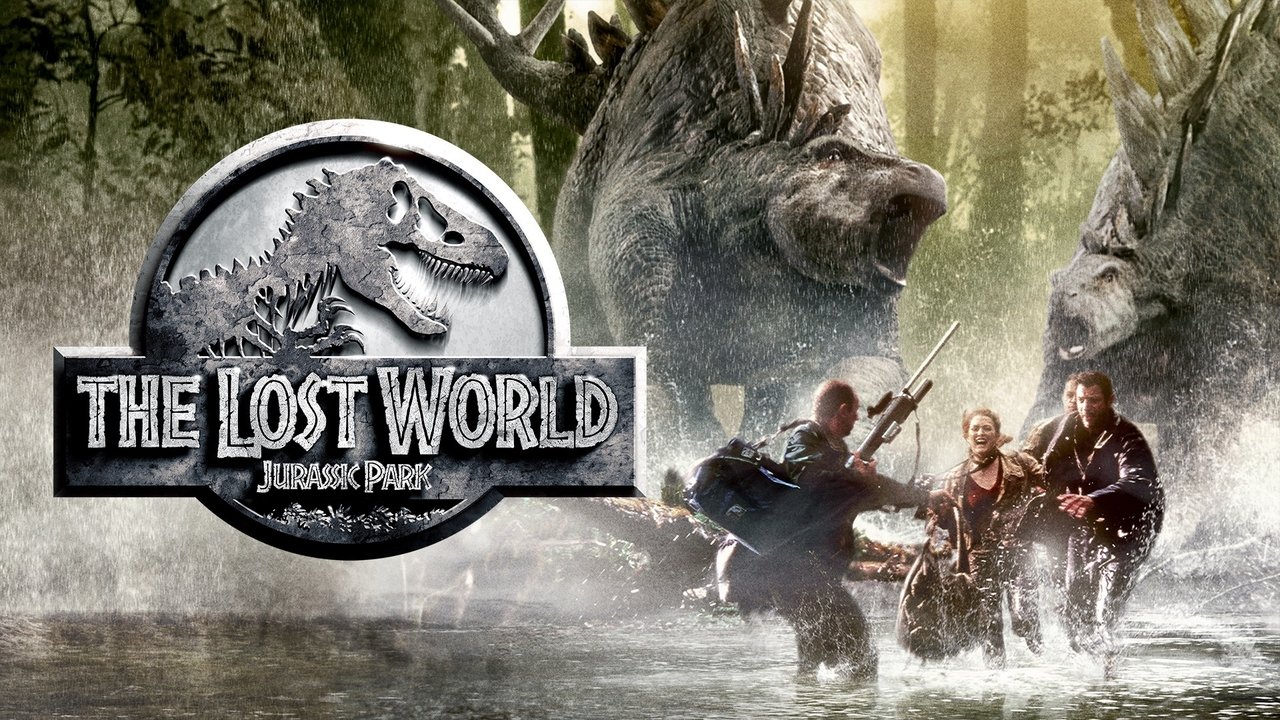
The Lost World: Jurassic Park
"More teeth, less wonder, and one hell of a cliffhanger."
By 1997, the "Spielberg Face"—that wide-eyed, backlit expression of pure cinematic awe—had become the gold standard for big-budget blockbusters. But when the time came to return to Isla Nublar (or rather, its neighbor, Isla Sorna), Steven Spielberg seemed less interested in the magic of discovery and more obsessed with the mechanics of a hunt. If the first Jurassic Park was a technicolor dream about the miracle of life, The Lost World is a rain-slicked, mud-caked nightmare about the brutality of it. It’s a meaner, darker, and significantly more cynical film that traded the "Oohs" and "Aahs" for "Run" and "Hide."
The Evolution of the Digital Monster
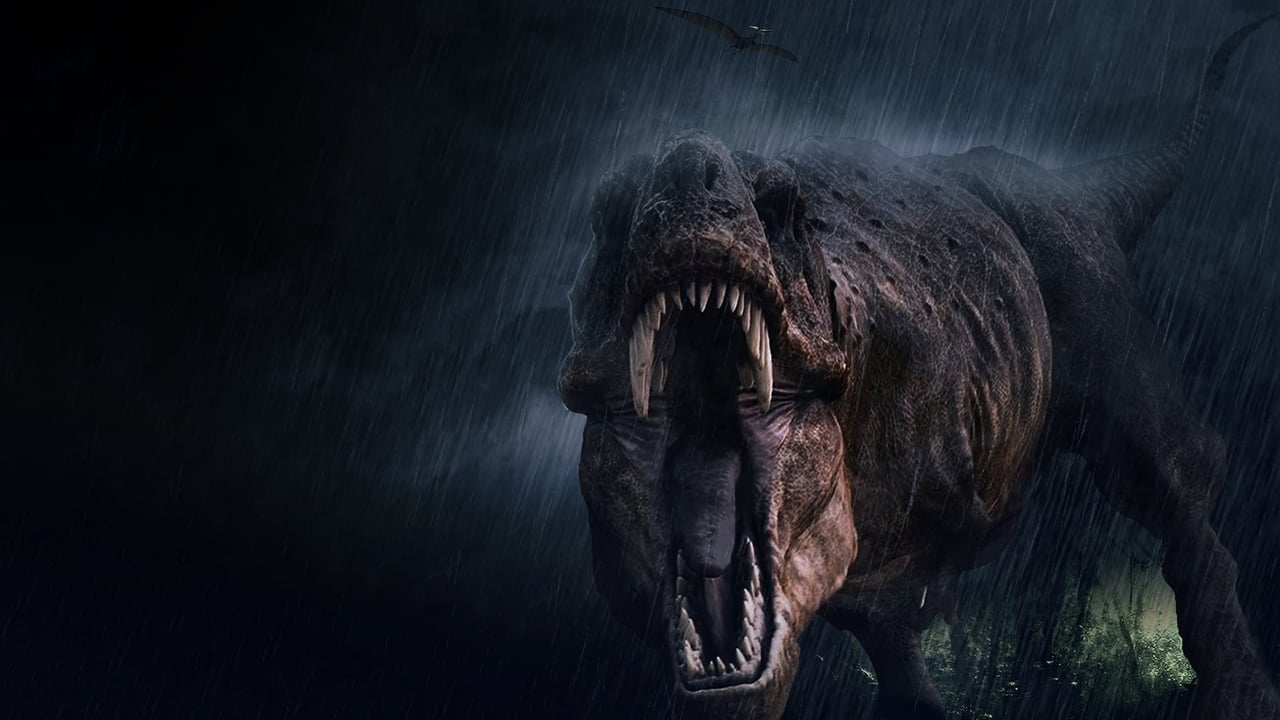
Looking back at the late 90s, we were right in the middle of a massive technological pivot. CGI was no longer the experimental new kid on the block; it was becoming the industry’s favorite toy. Yet, what makes The Lost World still feel physically present in a way the modern Jurassic World entries don't is the obsessive commitment to practical effects. For this sequel, the legendary Stan Winston and his team built two 9,000-pound hydraulic T-Rexes. They were so powerful that the crew had to use a "dead man’s switch" for safety, and the vibrations alone were enough to shake the entire soundstage.
The interplay between those animatronics and the digital work from Industrial Light & Magic (ILM) represents a peak in the "blended" era of effects. There is a sequence involving a pair of T-Rexes systematically dismantling a high-tech trailer hanging over a cliff that remains one of the most stressful pieces of action choreography ever put to film. The way the glass cracks, the metallic groan of the winch, and the rain-streaked textures on the dinosaurs’ skin—it all feels heavy. It has weight. I watched this again recently while eating a bowl of slightly burnt popcorn that had way too much nutritional yeast on it, and I found myself holding a kernel mid-air for three minutes during the trailer scene, genuinely worried for Julianne Moore’s safety.
Chaos Theory and Casting Against Type
Jeff Goldblum returning as Ian Malcolm was a masterstroke, primarily because the script shifts him from the "rock star" chaos theorist to a weary, "I-told-you-so" father figure. He’s the only person in the movie who seems to have a lick of common sense, yet he’s surrounded by "experts" who make catastrophic decisions. Julianne Moore plays Sarah Harding as a brilliant but incredibly reckless scientist who thinks it’s a good idea to pet a baby Stegosaurus. I’ve always felt that Sarah Harding is essentially a walking biological hazard who should have been banned from every ecosystem on Earth.
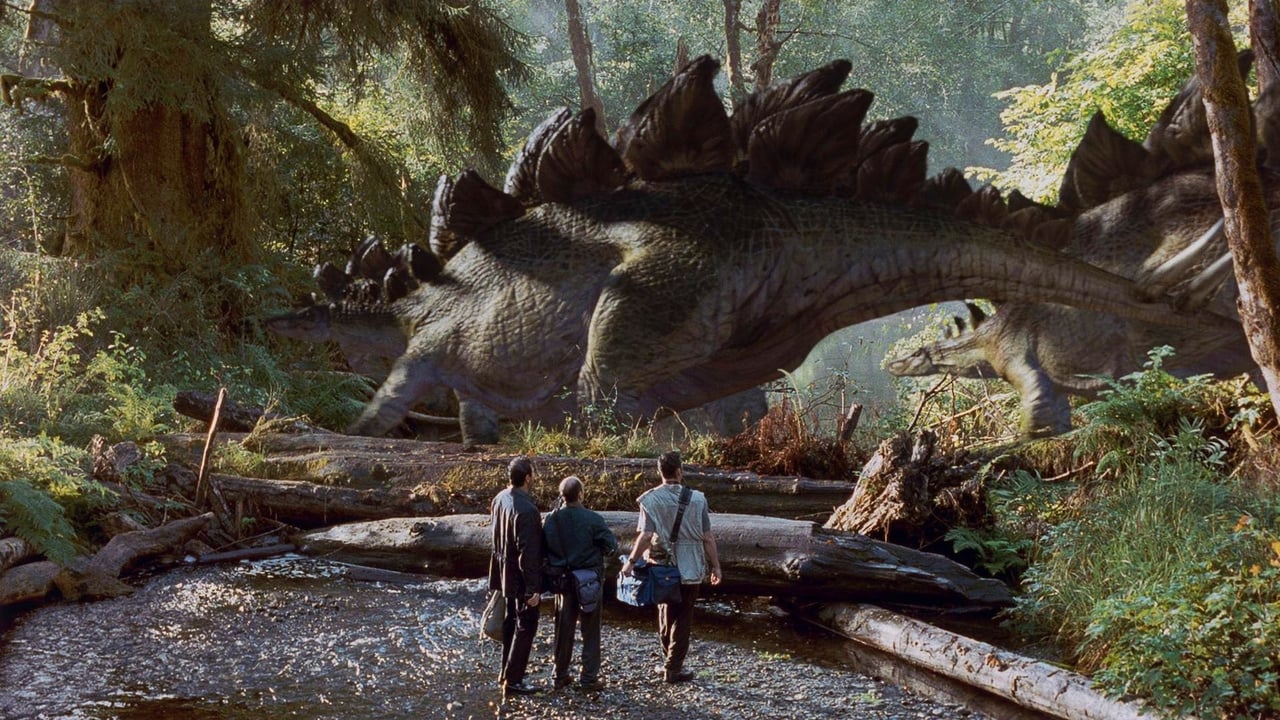
Then there’s the late Pete Postlethwaite as Roland Tembo, the Great White Hunter. In a movie filled with high-tech gadgets and screaming tourists, Postlethwaite brings a gritty, Shakespearean weight to the role of a man just looking for the ultimate trophy. He’s the most compelling human character in the franchise, which is saying a lot for a film where a girl defeats a Velociraptor with a gymnastics routine. Speaking of which, let’s be honest: the "Gymnastics Kick" is a moment of pure, unadulterated cinematic silliness that almost derails the movie’s hard-earned tension.
A Tale of Two Movies
The film’s third act is where The Lost World truly reveals its identity as a blockbuster experiment. The move from the jungle of Isla Sorna to the streets of San Diego was a late addition to the script—Spielberg essentially wanted to make his own version of King Kong or Godzilla before the credits rolled. It’s a jarring shift, transforming a survival thriller into an urban disaster movie.
While some critics at the time hated the tonal whiplash, there’s something undeniably fun about seeing a T-Rex drink from a backyard swimming pool. This was the era of the "event" movie, where sequels were expected to provide something radically different to justify their existence. With a $73 million budget (which was massive for '97), the film went on to rake in over $618 million worldwide. It proved that the brand was bulletproof, even if the "wonder" had been replaced by a more aggressive form of spectacle. Interestingly, the San Diego sequence features a blink-and-you'll-miss-it cameo by Steven Spielberg himself; you can see his reflection in the TV screen showing the news report at the end.

The cinematography by Janusz Kamiński—who had recently won an Oscar for Schindler’s List—gives the film a de-saturated, high-contrast look that feels much more "grown-up" than the original. The score by John Williams also ditches the triumphalism of the first film’s theme, opting for jungle percussion and frantic brass. It’s a sequel that isn't trying to be your friend; it's trying to see if you can keep up.
Ultimately, The Lost World is a fascinating relic of a time when sequels were allowed to be weird, mean, and structurally lopsided. It lacks the tight, perfect pacing of its predecessor, but it makes up for it with some of the most iconic set pieces in action history and a cynical streak that feels surprisingly modern. It’s a reminder that even when Spielberg is operating on "autopilot," he’s still capable of crafting sequences that make every other action director look like they're playing with Duplo blocks. Put it on, ignore the gymnastics, and enjoy the crunch of a T-Rex taking a bite out of a San Diego bus.
Keep Exploring...
-
Jurassic Park
1993
-

Jurassic Park III
2001
-

Jurassic World Rebirth
2025
-
Jurassic World
2015
-
Jurassic World: Fallen Kingdom
2018
-
Minority Report
2002
-
Jurassic World Dominion
2022
-

War of the Worlds
2005
-
Indiana Jones and the Kingdom of the Crystal Skull
2008
-
Armageddon
1998
-
Stargate
1994
-
Congo
1995
-
Independence Day
1996
-
Men in Black
1997
-

Star Wars: Episode I - The Phantom Menace
1999
-

X-Men
2000
-
A.I. Artificial Intelligence
2001
-
Planet of the Apes
2001
-

Star Wars: Episode II - Attack of the Clones
2002
-
Star Trek: Generations
1994