The Postman
"Neither rain nor heat nor total societal collapse."
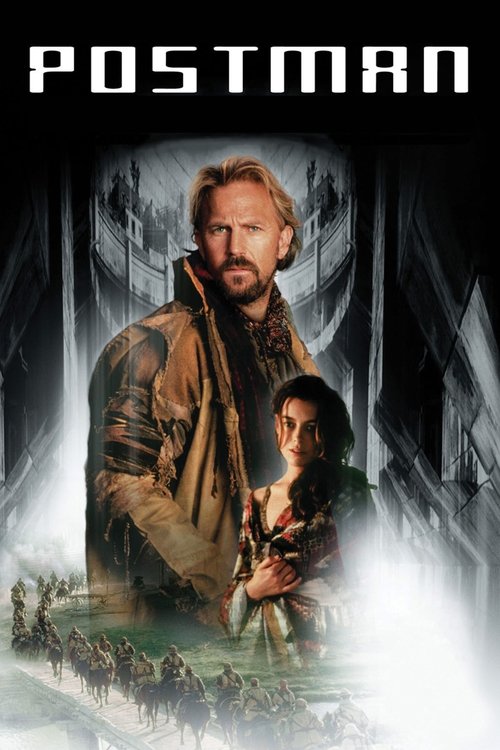
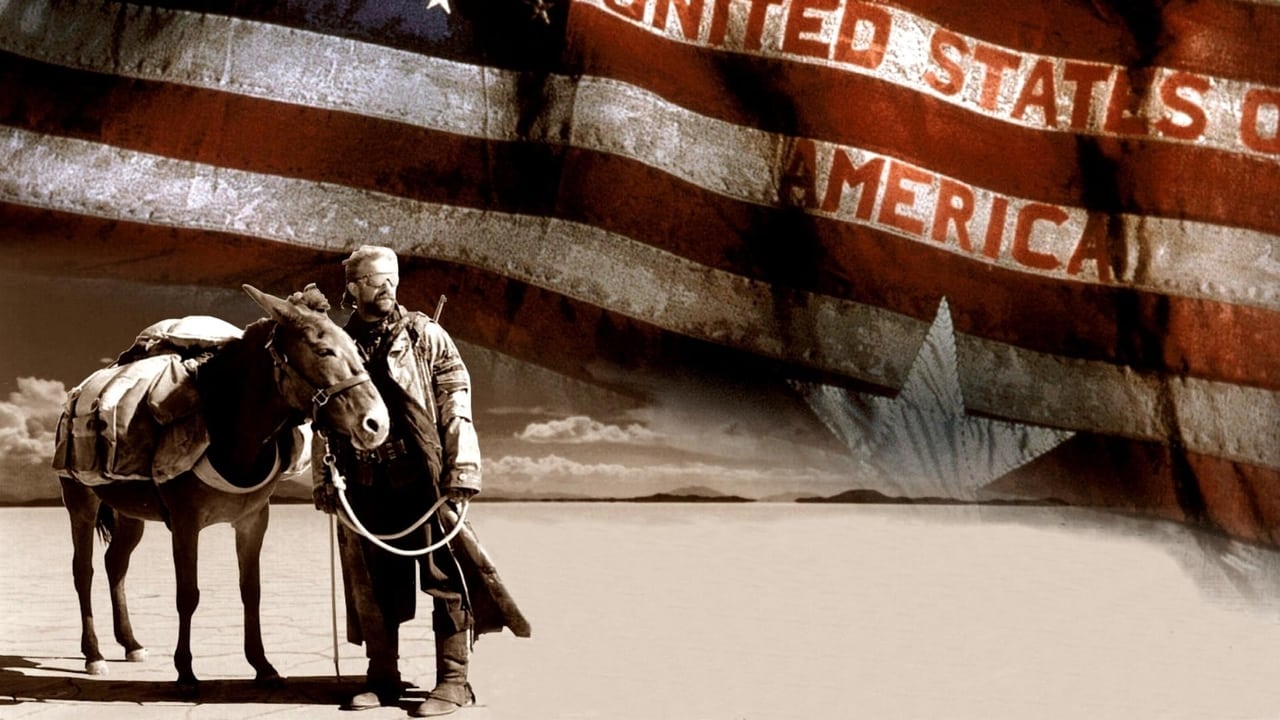
On December 25, 1997, Hollywood handed the world a choice: you could watch a very expensive boat sink in Titanic, or you could watch Kevin Costner spend three hours rebuilding the United States government via the miracle of junk mail. Most people chose the boat. In the decades since, The Postman has become a punchline—the ultimate symbol of 1990s "ego-filmmaking" where a superstar's clout was so massive that no one felt comfortable telling them to cut forty minutes of slow-motion flag-waving.
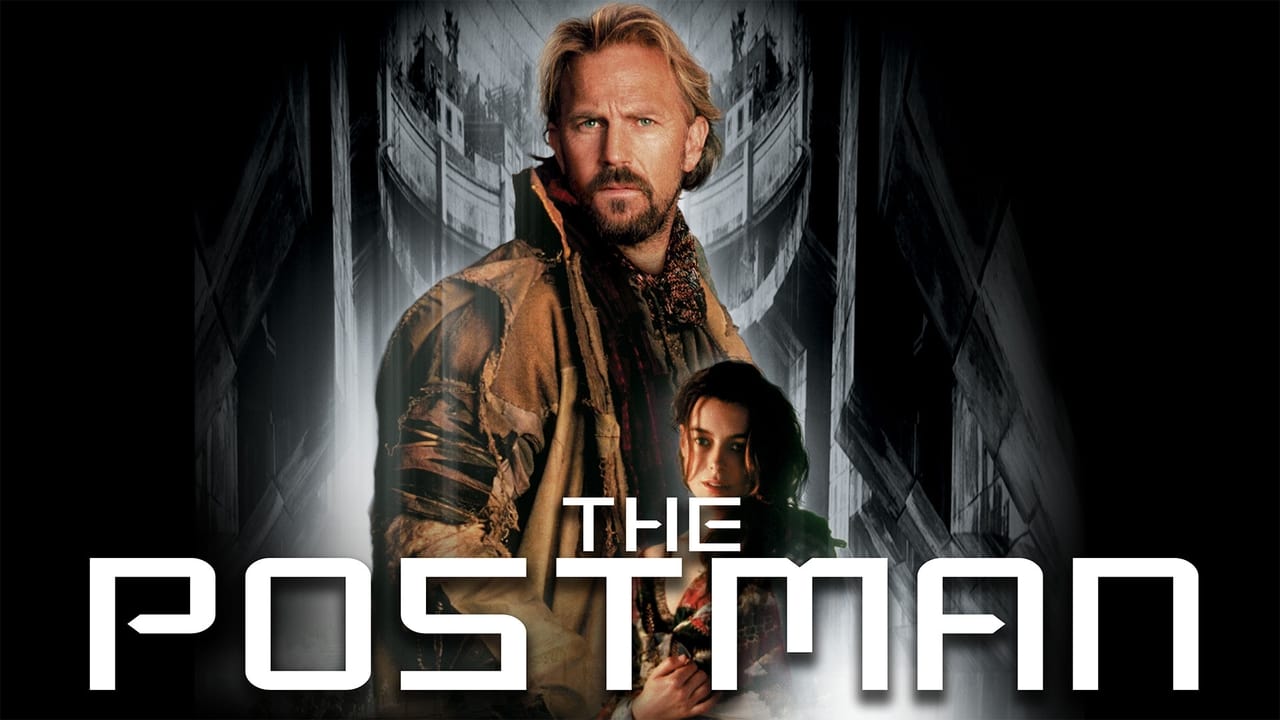
But looking back through the lens of modern cinema, where every blockbuster is a digitized, green-screened blur, there is something remarkably refreshing about this massive, messy, practical-effects-driven oddity. It’s an action-adventure film that isn’t about stopping a bomb or killing an alien; it’s about the sheer, stubborn power of a Saturday delivery.
The Most Earnest Apocalypse Ever Filmed
Most post-apocalyptic films are cynical. They’re about leather-clad raiders and the "survival of the fittest" ethos that Will Patton (who also crushed it in Remember the Titans) plays so intensely here as the villainous Bethlehem. Costner, however, has a different vibe. He’s a drifter—initially a bit of a con artist—who finds a mail bag in a crashed jeep and starts delivering old letters to get free meals. He stumbles into a revolution by accident.
What’s fascinating is that Costner (who also directed, hot off the success of Dances with Wolves and the stress of Waterworld) treats the arrival of a letter with the same cinematic weight that Steven Spielberg might give to an alien first contact. I actually watched this on a rainy Tuesday while trying to assemble a very difficult Swedish bookshelf, and the movie’s obsession with "getting the job done" actually kept me motivated. It’s essentially a three-hour recruitment ad for the USPS, but with more horses and fewer pension benefits.
The action choreography by the second unit team is surprisingly sturdy. When the Holnists (the fascist militia led by Bethlehem) clash with the burgeoning "Postal Service," the scale is genuinely impressive. You can see the hundreds of extras, the actual dust of the Oregon locations, and the physical weight of the horses. This was the tail end of the era where if you wanted a massive battle on a hill, you actually had to go find a hill and put people on it.
The 177-Minute Bladder Test
The screenplay, co-written by Brian Helgeland (L.A. Confidential) and Eric Roth (Forrest Gump), tries to do too much. It wants to be a Western, a war movie, and a Shakespearean tragedy all at once. There’s a subplot involving Larenz Tate (who played "O-Dog" in Menace II Society) as a young recruit named Ford Lincoln Mercury that is undeniably sweet but adds to the film's "bloated" reputation.
I’ll be honest: the pacing is a slog. Costner directs himself with the reverence usually reserved for religious icons or people who find the last parking spot at Costco. There are long stretches of characters staring into the middle distance while James Newton Howard’s score swells to a deafening volume. Yet, even when the film is being ridiculous—like when a young boy hands a letter to a galloping Costner in slow motion—it’s doing so with total, un-ironic sincerity. In an era where every action movie has to wink at the camera or make a meta-joke, I found myself respecting the fact that The Postman never blinks.
A Forgotten Relic of the Star-Power Era

One of the reasons this film vanished is that it felt out of step with the "cool" 90s. This was the decade of Quentin Tarantino and The Matrix; audiences wanted slick, cynical, and fast. The Postman felt like a movie from 1955 that somehow cost $80 million and was released in 1997.
The behind-the-scenes trivia is almost as dramatic as the film. It swept the Razzie Awards, with Costner taking home Worst Actor, Worst Director, and Worst Picture. It made back a pathetic $17 million at the domestic box office. But if you look at the cinematography by Stephen F. Windon (who went on to lens most of the Fast & Furious franchise), the movie is gorgeous. The wide shots of the American Northwest are stunning, and the practical sets for the fortified towns feel lived-in and real.
It’s also got some bizarrely great supporting turns. Olivia Williams, in her film debut before The Sixth Sense, brings a lot of grounded humanity to the role of Abby. And keep an eye out for Tom Petty playing a version of himself as the mayor of a bridge city—it’s one of those weird, "only in the 90s" cameos that makes the whole experience feel like a fever dream.
The Postman is a fascinating failure. It’s far too long, deeply self-indulgent, and occasionally quite silly, but it’s also ambitious in a way that modern studio films aren’t allowed to be anymore. It’s the work of a filmmaker who truly believed that a letter could save the world, and while I wouldn't call it a hidden masterpiece, it’s a journey worth taking at least once if you have a very comfortable couch. Just be prepared to hit the 1.5x speed button during the third flag-waving montage.
Keep Exploring...
-
Waterworld
1995
-
Escape from L.A.
1996
-
The Saint
1997
-
Star Trek: Insurrection
1998
-

Mystery Men
1999
-
Titan A.E.
2000
-
Final Fantasy: The Spirits Within
2001
-
Osmosis Jones
2001
-
Star Trek: Nemesis
2002
-
Sky Captain and the World of Tomorrow
2004
-
Wyatt Earp
1994
-
Assassins
1995
-
Armageddon
1998
-

Paycheck
2003
-
Timeline
2003
-
Race to Witch Mountain
2009
-
Johnny Mnemonic
1995
-
Open Range
2003
-
Teenage Mutant Ninja Turtles II: The Secret of the Ooze
1991
-
Stargate
1994