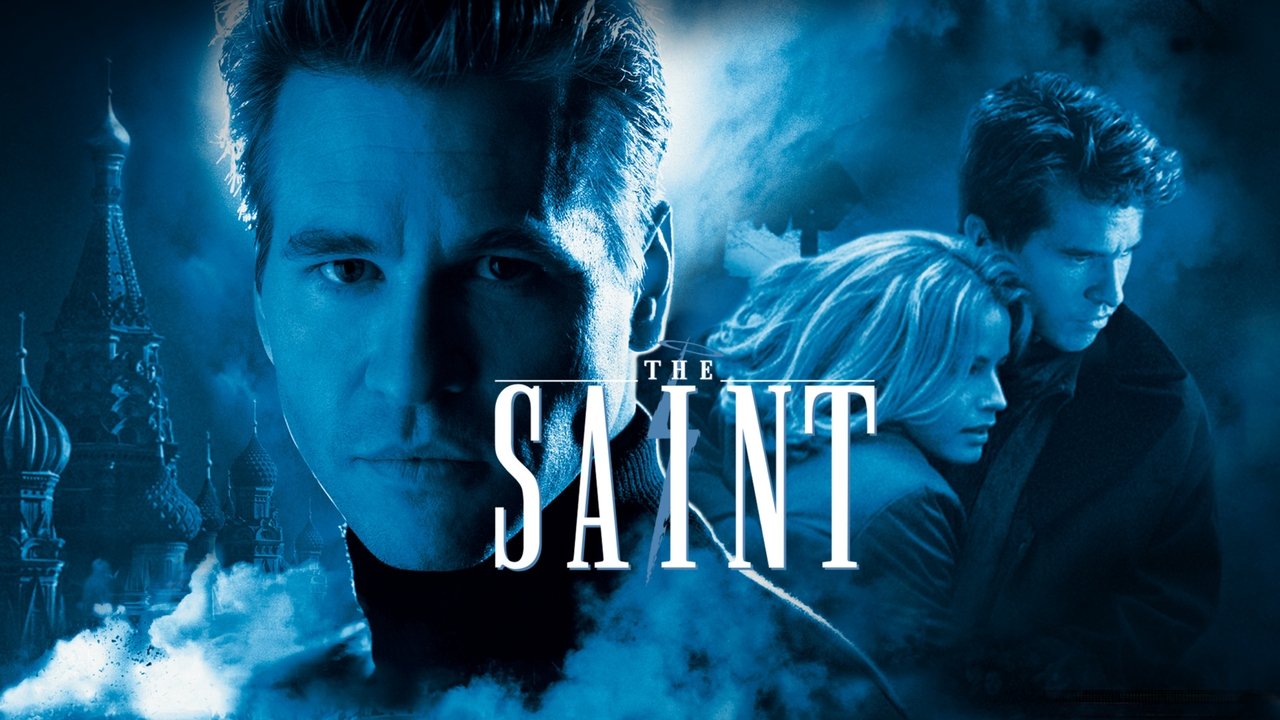
The Saint
"One man. Many names. Zero identity."
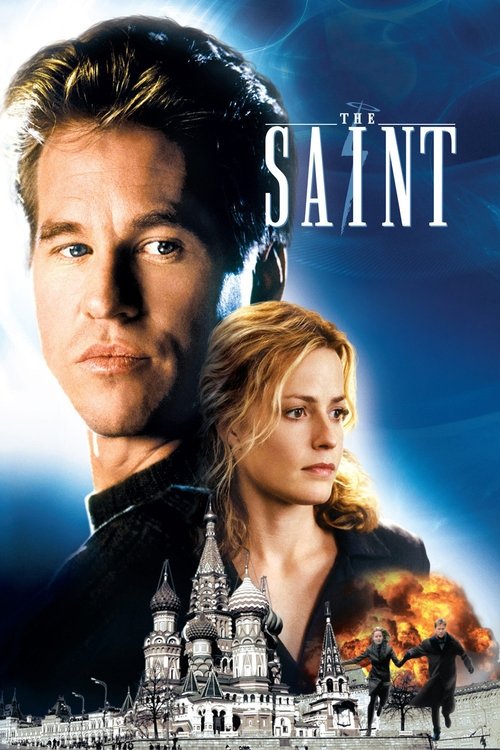
Val Kilmer’s cheekbones were the most reliable special effect of the 1990s, and in The Saint, director Phillip Noyce puts them to work under a dizzying array of prosthetic noses, Spirit Halloween wigs, and accents that range from "vaguely European" to "Inspector Clouseau on a bender." Released in 1997, this film was supposed to be the launchpad for a slick, globe-trotting franchise based on the Leslie Charteris characters. Instead, it’s a fascinating time capsule of an era when Hollywood believed the coolest thing a person could do was possess a laptop and a deep-seated fear of the Russian mafia.
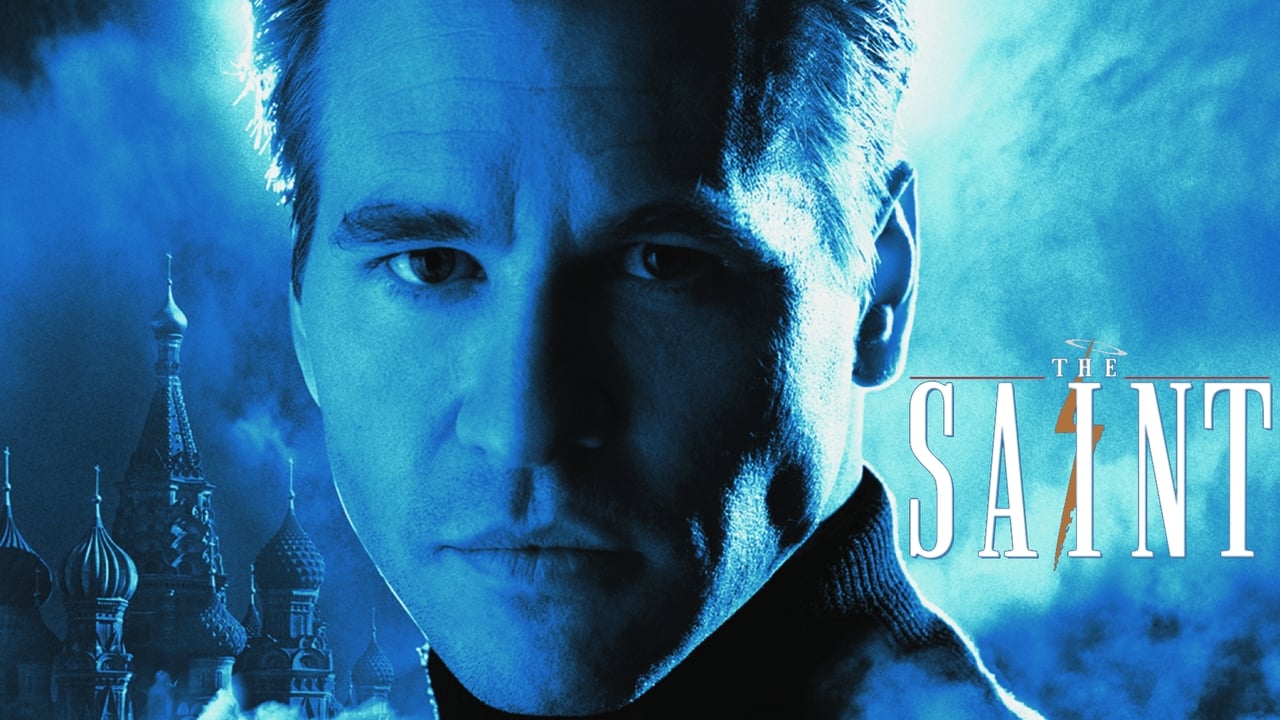
I watched this most recently on a DVD that had a weird thumbprint smudge on the surface I couldn't quite clean off, meaning every time the action moved to a dark Moscow alleyway, I saw a ghostly whorl of my own DNA hovering over the screen. It was strangely fitting for a movie about a man who literally steals identities for a living.
The Man of a Thousand Wigs
The plot is peak 90s techno-babble. Val Kilmer plays Simon Templar, a high-end thief who takes names from Catholic saints and uses them as aliases. He’s hired by a Russian billionaire and aspiring dictator, Ivan Tretiak (played with delicious, scenery-chewing villainy by Rade Šerbedžija), to steal a formula for cold fusion. This leads him to Dr. Emma Russell (Elisabeth Shue), an Oxford scientist who has apparently solved the world's energy crisis but keeps her notes tucked into her brassiere because, well, it was 1997 and security protocols were different then.
What I love about this era of action filmmaking is the earnestness of the "master of disguise" trope. Before CGI could just swap a face in post-production, we got to see Val Kilmer really commit to the bit. He goes from a nerdy German traveler to a long-haired artist to a buck-toothed nerd with the kind of theatricality you don't see in modern, gritty reboots. Val Kilmer’s Russian accent sounds like a man trying to talk through a mouthful of marbles while suffering from a mouth-numbing injection, but you have to admire the effort. He turned down a second turn as the Dark Knight in Batman & Robin to do this, trading the rubber cowl for a series of questionable toupées. Looking back, it feels like a lateral move at best, but Kilmer brings a melancholy soulfulness to Templar that keeps the movie grounded even when the plot drifts into the absurd.
A Moscow of the Mind

Phillip Noyce, fresh off the success of Harrison Ford-led thrillers like Patriot Games and Clear and Present Danger, knows how to stage a chase. The Moscow we see here isn’t the sleek, modern metropolis of today; it’s a post-Soviet wasteland of crumbling concrete, snowy industrial yards, and subterranean tunnels. There’s a tangible, physical weight to the locations. When Templar and Emma are fleeing through the sewers or hiding in a freezing apartment, you can almost smell the damp wool and diesel fumes.
The film relies heavily on "high-tech" gadgets that now look like props from a toy store. Watching Templar use a massive, clunky Nokia phone to bypass a security system is a delightful reminder of how much we feared—and worshipped—the emerging internet age. Yet, the action choreography holds up surprisingly well because it’s largely practical. There are real cars being tossed around and real stunts being performed in the Red Square. The score by Graeme Revell, supplemented by a soundtrack featuring The Chemical Brothers and Underworld, perfectly captures that late-90s "electronica is the future" energy.
The Science of the Heart
The chemistry between Val Kilmer and Elisabeth Shue is the film's secret weapon. Shue, coming off an Oscar nomination for Leaving Las Vegas, is far too talented for the "clueless scientist" role, but she brings a warmth that softens Templar’s cold exterior. The central scientific breakthrough, cold fusion, is treated with the kind of hand-waving logic usually reserved for explaining how Santa fits down a chimney, but the romance actually feels somewhat earned.
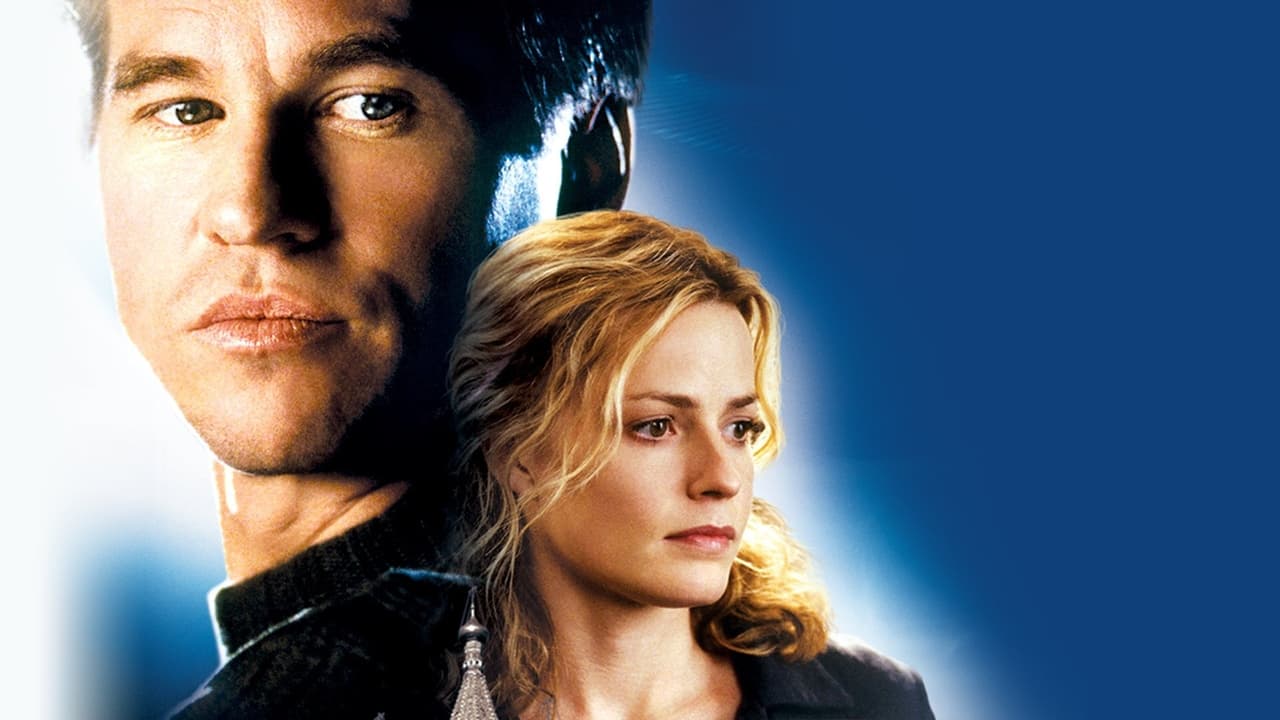
Interestingly, the film’s original ending was completely different. In the first cut, Elisabeth Shue’s character died during a chase on a bridge, leaving Templar to mourn her as he escaped. Test audiences, in their infinite 90s wisdom, absolutely hated it. They wanted the happy ending, the kiss, and the sunset. The studio listened, and they reshot the entire climax to be more optimistic. You can actually tell where the reshoots happen because the pacing suddenly shifts into high gear, and the logic of how everyone gets from point A to point B becomes a bit... let's say "flexible."
Ultimately, The Saint is a relic of a transition period in cinema. It’s too polished to be a "B-movie" but too eccentric to be a top-tier blockbuster. It lacks the gadgets of a Bond film or the sheer adrenaline of the Mission: Impossible franchise, which had launched just a year earlier. However, as a standalone thriller, it’s a great way to kill two hours. It’s a movie that reminds me of a specific kind of Saturday afternoon cable viewing—one where the wigs are wild, the science is fake, and the hero always has just the right prosthetic nose for the job.
It’s an oddity that deserves a revisit, if only to see a movie star at his peak trying to act his way out from under a mountain of fake hair. There’s something deeply charming about its pre-9/11 optimism, where a master thief could save the world with a smile and a floppy disk. Just don't expect the cold fusion physics to make any sense.
Keep Exploring...
-
Final Fantasy: The Spirits Within
2001
-
Escape from L.A.
1996
-
Armageddon
1998
-
Star Trek: Insurrection
1998
-
Star Trek: Nemesis
2002
-
Red Planet
2000
-

Paycheck
2003
-
Sky Captain and the World of Tomorrow
2004
-
Race to Witch Mountain
2009
-

Jurassic Park III
2001
-
Planet of the Apes
2001
-
Star Trek: Generations
1994
-
Clear and Present Danger
1994
-
Assassins
1995
-
First Knight
1995
-
Chain Reaction
1996
-
Daylight
1996
-
Executive Decision
1996
-
The Postman
1997
-
Volcano
1997