Titanic
"A three-hour heartbreaker that turned a historical tragedy into our collective cinematic obsession."
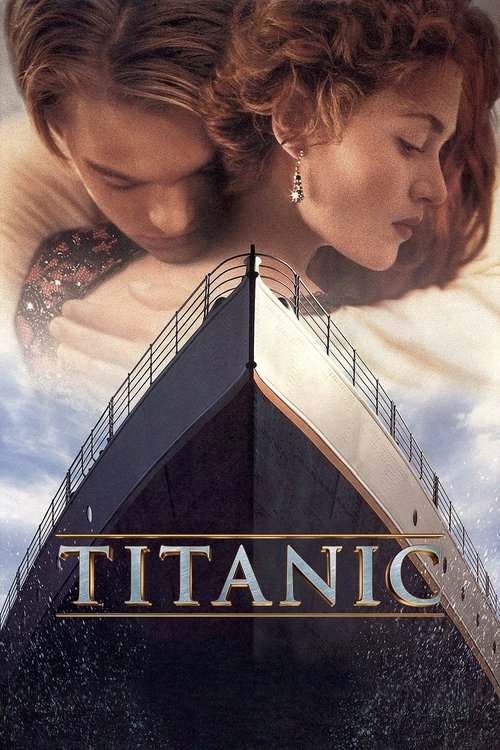
In the summer of 1997, the industry trades weren't writing about a movie; they were writing an obituary. James Cameron was the "madman" who had blown $200 million—an unthinkable sum back then—on a doomed production that was months behind schedule. People were practically salivating for Titanic to fail. It was supposed to be the next Waterworld, a bloated wreck destined to sink the studios. I remember watching it in a theater where the air conditioning was cranked so high I actually felt like I was bobbing in the North Atlantic, clutching a lukewarm Sprite for warmth, fully expecting to see a disaster. What I saw instead was a monumental piece of storytelling that redefined what a "blockbuster" could actually be.
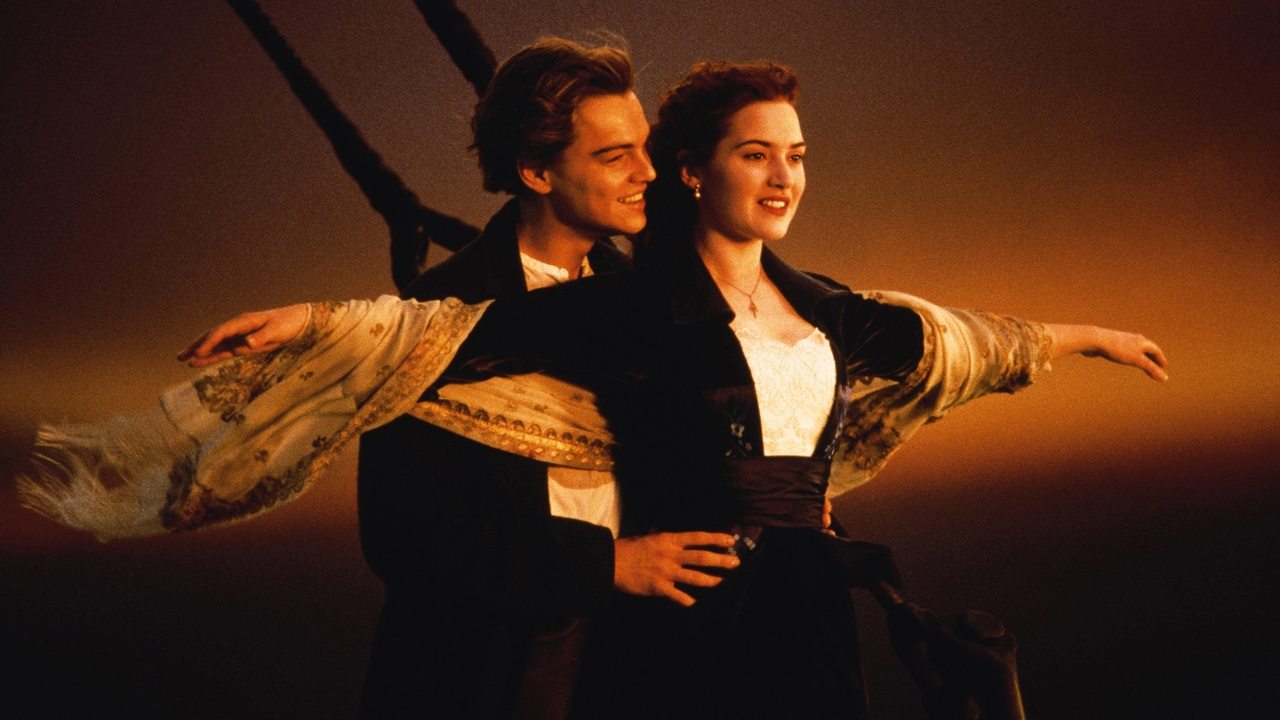
The Spectacle of the Real
Looking back, Titanic sits at a fascinating crossroads in cinema history. We were right in the thick of the CGI revolution, moving away from the purely practical effects of the 80s toward the digital wizardry of The Matrix and Lord of the Rings. But James Cameron (who also directed Aliens and The Abyss) has always been a hybrid beast. He didn’t just code a ship; he built one. He constructed a 90-percent scale model of the RMS Titanic in a massive tank in Mexico.
When you watch the ship snap in half, you aren't just seeing pixels; you're seeing the weight of physical sets and stunt performers falling through actual space. That tactile reality is why the movie still looks better than half the Marvel movies released last year. There’s a grit to the engine room scenes—the steam, the soot, the rhythmic thumping of the pistons—that makes the eventually inevitable destruction feel like a personal violation. CGI was a tool here, not a crutch, and the blend of Russell Carpenter’s sweeping cinematography with the digital "set extensions" remains a masterclass in scale.
A Romance for the Ages (and the Posters)
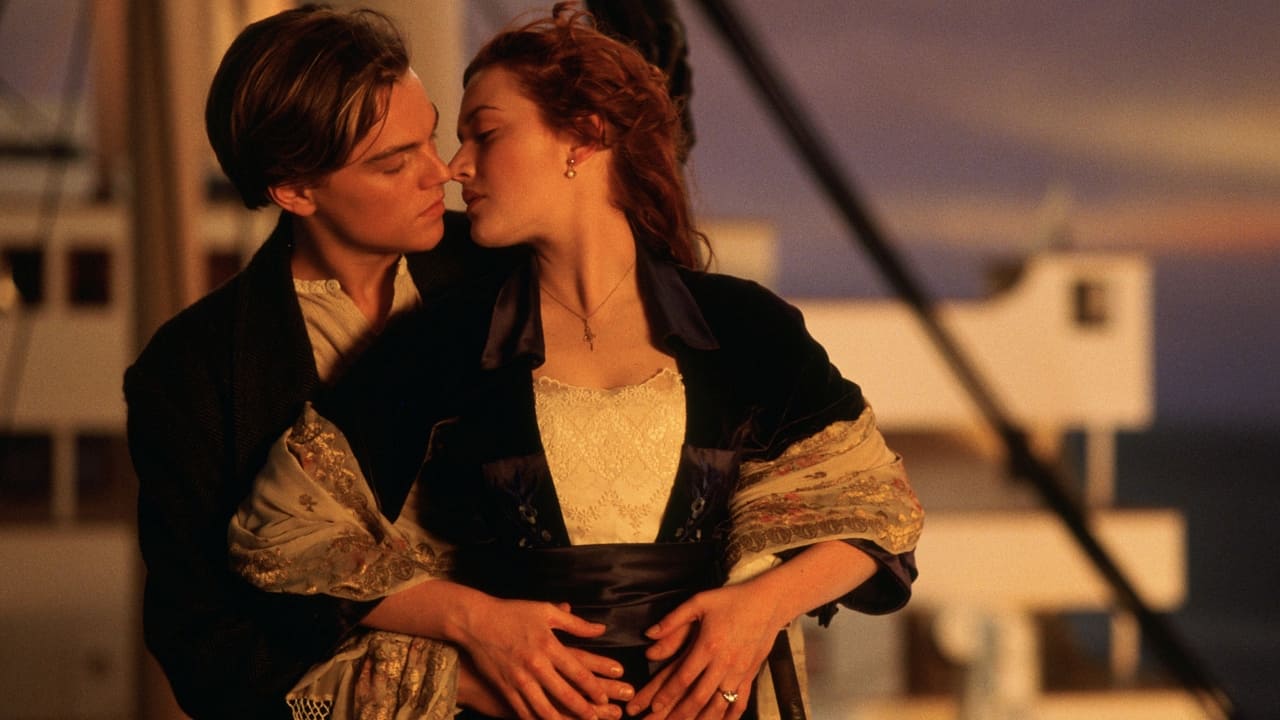
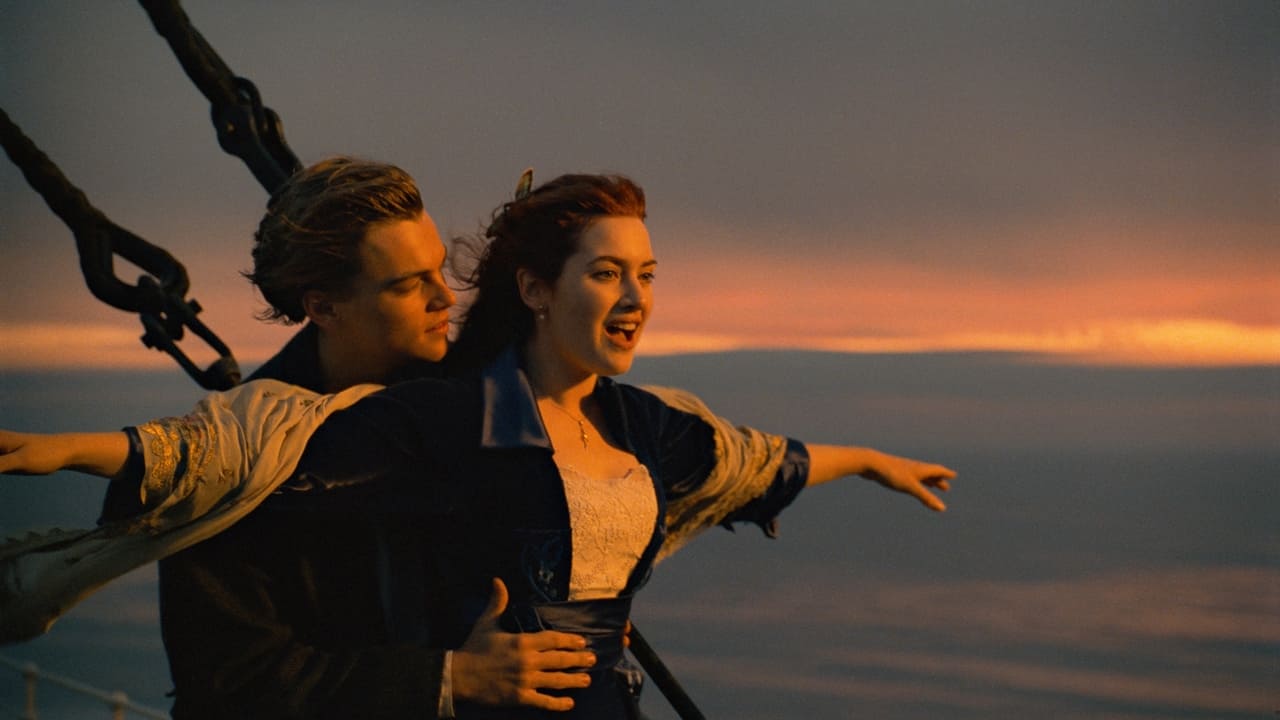
Of course, the scale doesn't matter if you don't care about the people on the deck. I’ll admit, I spent years pretending I was "too cool" for the central romance, but watching it now? The chemistry between Leonardo DiCaprio and Kate Winslet is undeniable. Before he became a serious, "fight a bear for an Oscar" actor, Leonardo DiCaprio was Jack Dawson, a character with such infectious, puppy-ish optimism that you can’t help but root for him. Kate Winslet gives Rose a spine of steel that keeps the character from ever feeling like a mere damsel.
Their relationship is a classic class-struggle drama, but it’s sold with such earnestness that the clichés don't matter. Then you have Billy Zane as Cal Hockley, a villain who is exquisitely punchable and seemingly allergic to wearing a shirt that isn't made of pure ego. Zane leans into the role with a delicious, sneering arrogance that makes his eventual comeuppance (and his desperate hunt for a seat on a lifeboat) so satisfying.
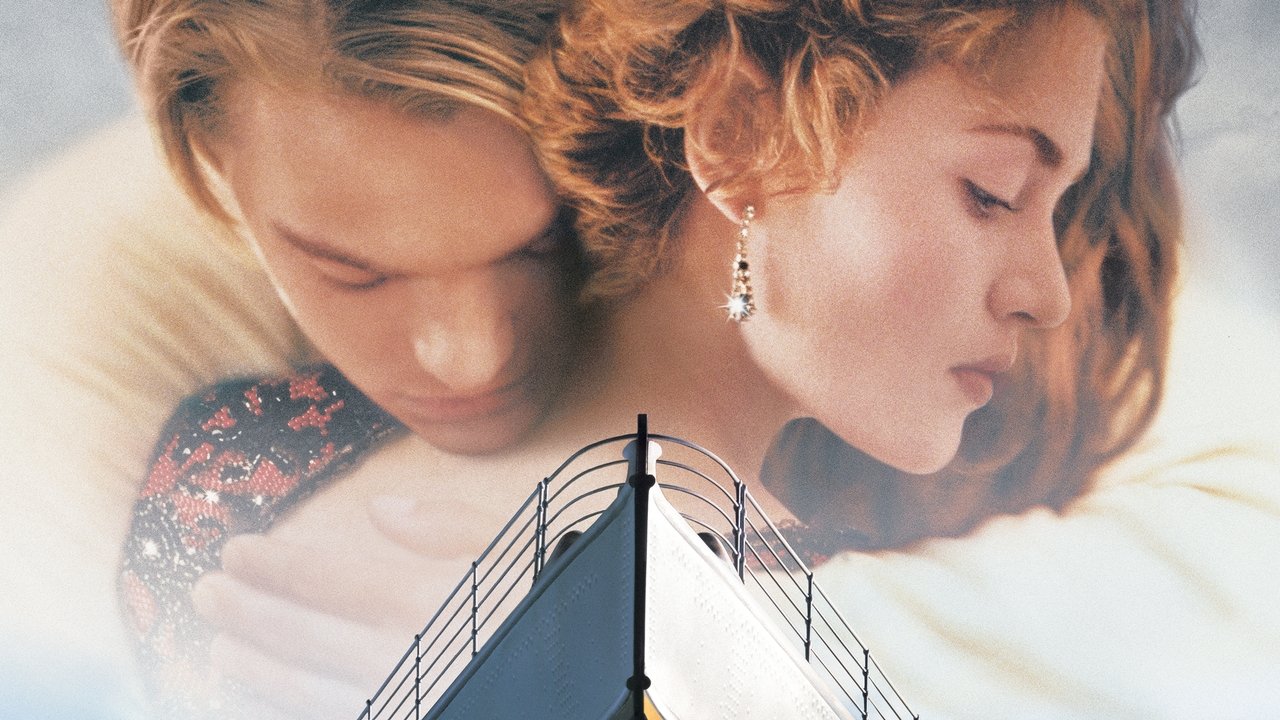
The supporting cast is equally stacked. Kathy Bates as the "Unsinkable" Molly Brown provides the much-needed warmth and common sense that the stuffy first-class dining room lacks, while Frances Fisher plays Rose’s mother with a chilling, desperate fragility that makes you understand why Rose is so eager to jump off the back of the boat in the first place.
The Sound of Tears
We have to talk about James Horner. His score—specifically that haunting, ethereal vocal by Sissel—is the heartbeat of the film. And then there’s the Celine Dion of it all. At the time, "My Heart Will Go On" was so inescapable it felt like a form of psychological warfare, but in the context of the film, the song is a Pavlovian trigger for total emotional collapse. It’s prestige filmmaking at its most unashamedly sentimental.
Cameron’s screenplay isn't always subtle. There are lines that land with the grace of a falling anchor, but his structural timing is impeccable. The first half is a lush, vibrant period drama; the second half is a relentless, claustrophobic survival horror. The way the pacing shifts once the iceberg hits is a masterstroke of tension. The transition from the "King of the World" euphoria to the sound of the ship’s hull groaning under the pressure of the ocean is one of the most effective tonal shifts in movie history.
The Prestige and the Legacy
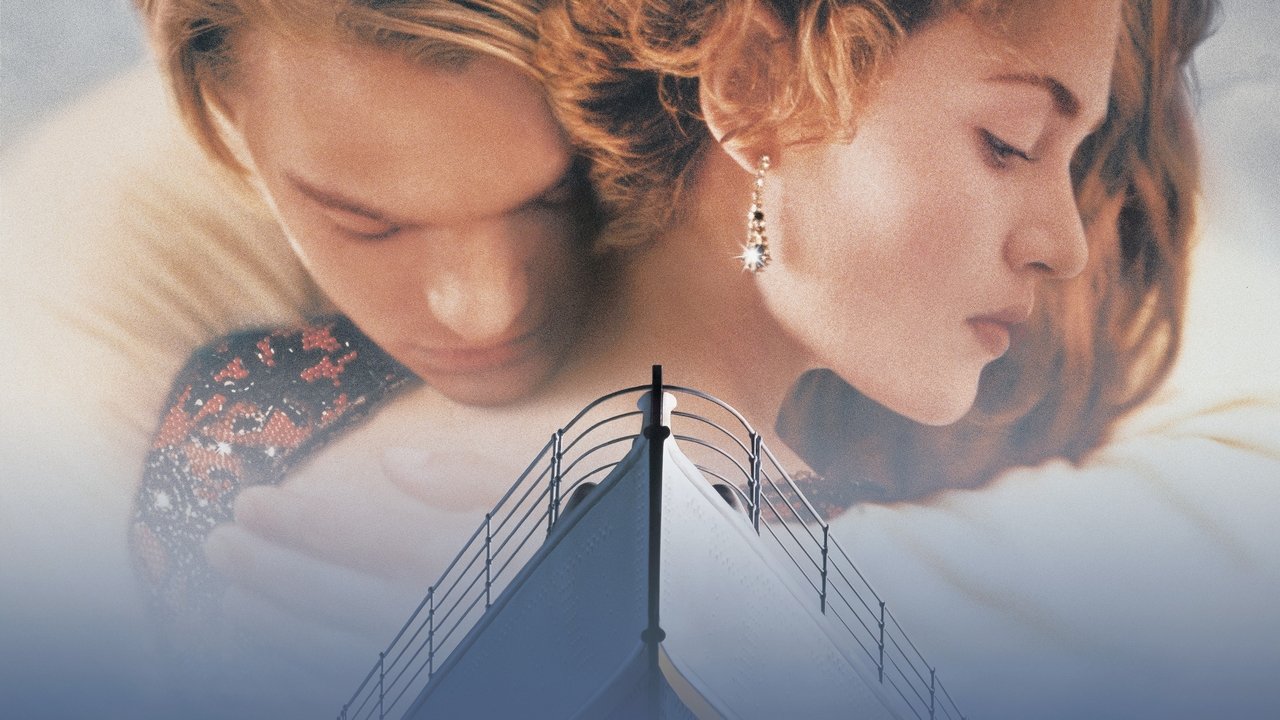
Titanic eventually swept the Oscars, winning 11 statues and tying the record held by Ben-Hur. It was a moment where the "Prestige" film and the "Blockbuster" were the exact same thing. It’s easy to be cynical about it now—the "Jack could have fit on the door" memes have been running for twenty-five years—but few films have ever captured the global imagination so completely.
Even the behind-the-scenes trivia has reached legendary status, like the infamous "PCP chowder" incident where someone spiked the crew's lobster chowder with hallucinogens, leading to a night of chaos that sounds like a movie in itself. Looking back, this was the peak of the "Director as God" era of Hollywood, where a single person's vision could command a small country's GDP and actually deliver something that justified the cost.
It is a rare film that manages to be both a technical marvel and a genuine tear-jerker. Whether you’re watching for the historical detail, the doomed romance, or just the sheer thrill of seeing a giant ship sink, it remains a staggering achievement. It’s big, it’s loud, it’s sentimental, and it’s absolutely spectacular. They really don't make them like this anymore, mostly because they can't find directors crazy enough to try.
Keep Exploring...
-

Revolutionary Road
2008
-
Forrest Gump
1994
-
True Lies
1994
-
A Beautiful Mind
2001
-
Before Sunrise
1995
-

A Walk to Remember
2002
-
The Great Gatsby
2013
-
Eternal Sunshine of the Spotless Mind
2004
-
Catch Me If You Can
2002
-

Dilwale Dulhania Le Jayenge
1995
-
In the Mood for Love
2000
-
The Departed
2006
-
Shutter Island
2010
-
The Wolf of Wall Street
2013
-
Jerry Maguire
1996
-
As Good as It Gets
1997
-

Lolita
1997
-

Stepmom
1998
-
What Dreams May Come
1998
-
Enemy at the Gates
2001