Wag the Dog
"The war isn't over until the producer says 'cut.'"
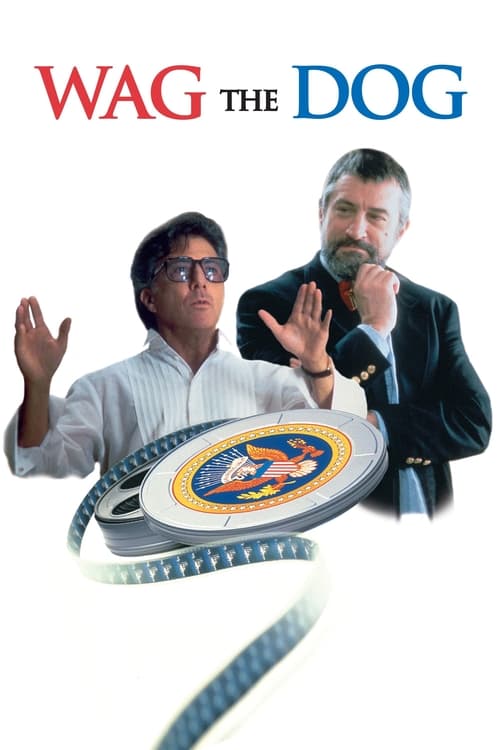
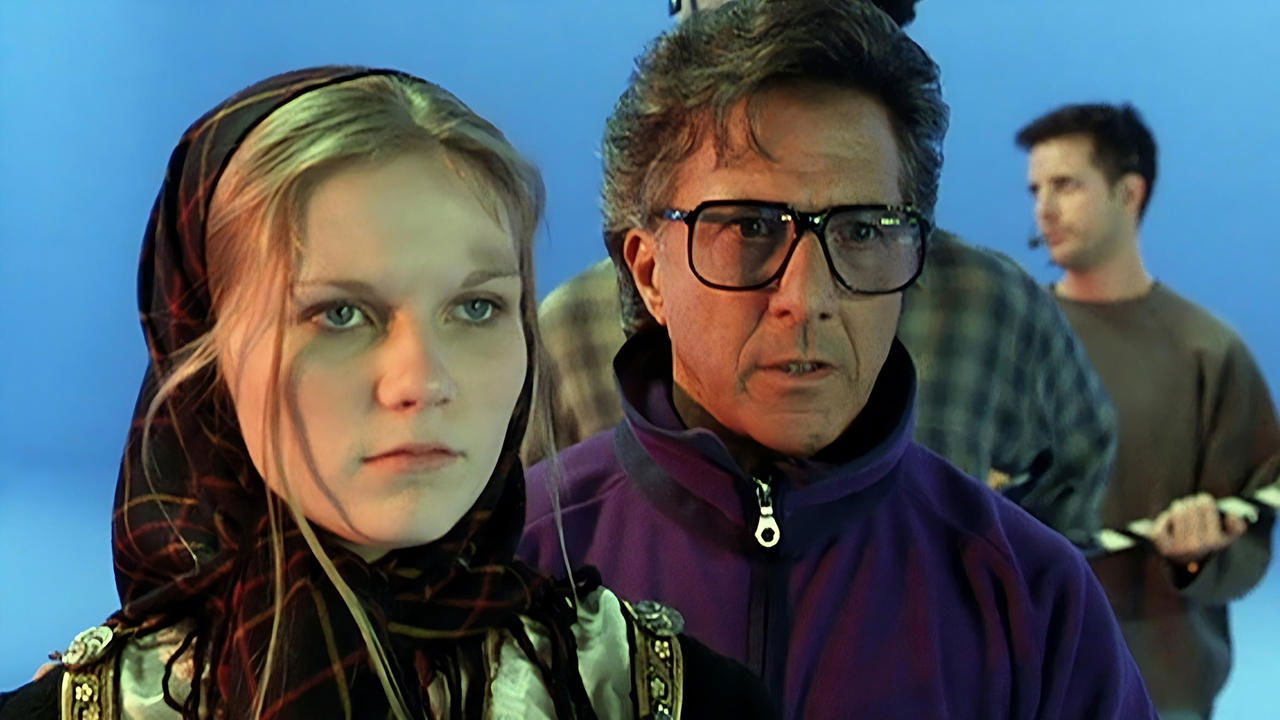
If you want to understand the exact moment the 1990s curdled into the cynical, media-obsessed era we live in now, you don’t look at a history book. You look at a green-screen studio in Hollywood where a teenage girl is running across a stage holding a bag of Tostitos that will soon be digitally replaced by a kitten.
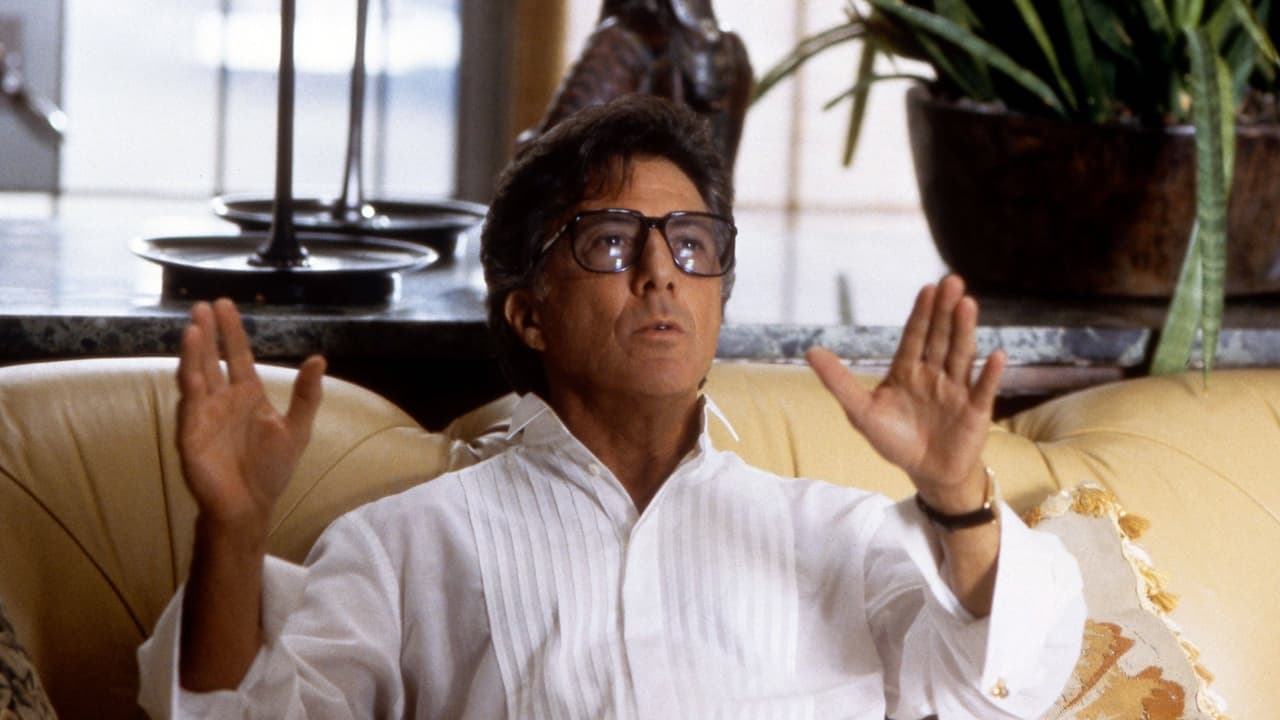
Wag the Dog arrived in theaters in late 1997, and within a month, it had transformed from a sharp political satire into a terrifyingly accurate documentary. It’s the ultimate "life imitating art" flick, landing right as the Bill Clinton/Monica Lewinsky scandal broke, followed shortly by actual U.S. missile strikes in Sudan and Afghanistan. Looking back at it today, the film feels less like a comedy and more like a blueprint for the "post-truth" world we’ve been wandering through for the last couple of decades.
The Art of the Presidential Pivot
The setup is Mamet-gold: Two weeks before an election, the President is caught in a "Firefly Girl" sex scandal. Enter Robert De Niro as Conrad Brean, a "fixer" who operates in the shadows with the quiet confidence of a man who could convince you the sun rises in the West if the polling data supported it. Brean decides the only way to bury the scandal is to give the American public something bigger to worry about: a war with Albania. Why Albania? "What have they ever done for us?" he asks. Exactly. They’re the perfect, nondescript villain.
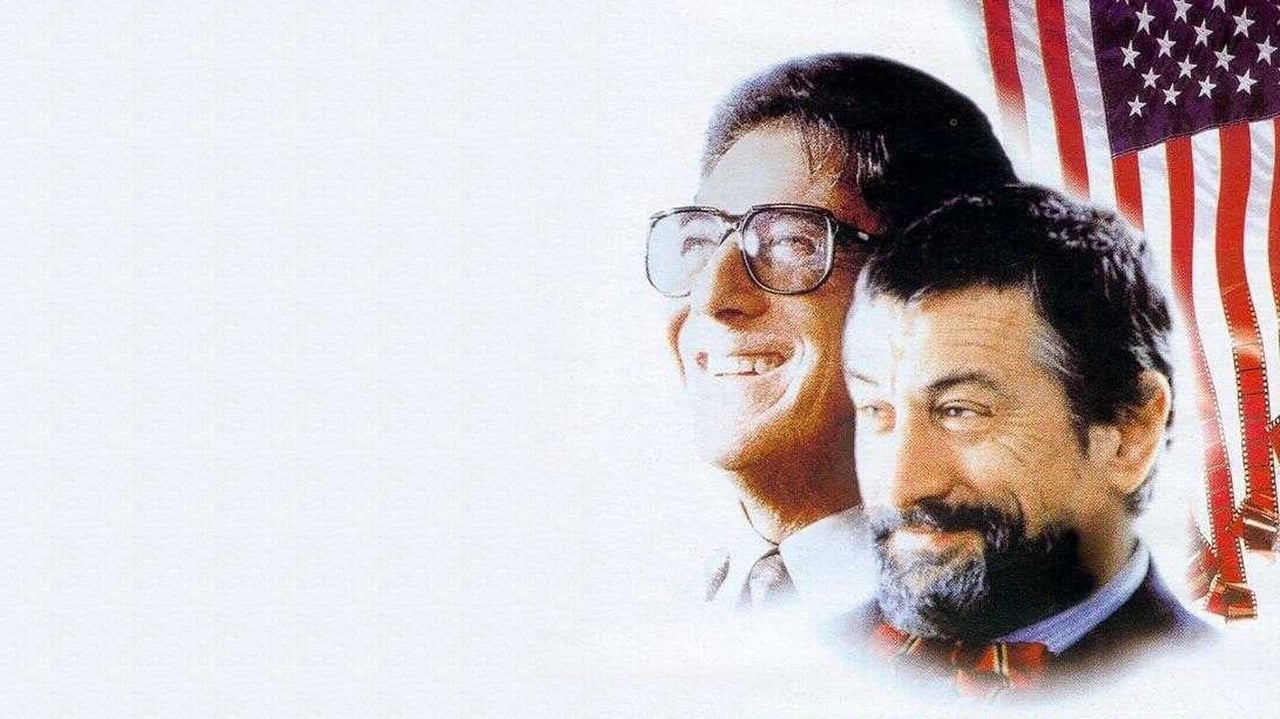
To build this fictional conflict, Brean recruits Dustin Hoffman’s Stanley Motss, a legendary Hollywood producer who is tired of being the only person in show business who doesn't get a credit for his best work. Watching Dustin Hoffman channel the late, great Robert Evans (producer of The Godfather) is a total joy. He’s all tan skin, thick glasses, and "Look, kid" bravado. I watched this while nursing a glass of generic-brand orange soda that had gone completely flat, and somehow the lack of carbonation perfectly matched the cynical, dry-as-a-bone humor of the script.
A Masterclass in "The Spin"
The chemistry between Robert De Niro and Dustin Hoffman is what keeps this from feeling like a dry political lecture. They represent two different kinds of ego: the man who wants power (De Niro) and the man who wants the applause (Hoffman). While Anne Heche (in one of her best, most frantic roles as Winifred Ames) tries to keep the logic of the White House intact, the boys are busy inventing "Old Shoe"—a fictional war hero played by a heavily drugged Woody Harrelson.
The script, co-written by David Mamet and Hilary Henkin, is packed with that signature Mamet staccato. Characters talk over each other, repeat phrases until they lose meaning, and weaponize language to obscure the truth. It’s a film about the craft of lying, and it treats that craft with a bizarre kind of reverence. When they bring in Willie Nelson to write a "spontaneous" folk song to stir up national pride, you realize that the entire American identity is being manufactured in a recording studio on a Tuesday afternoon.
Why It Vanished (And Why It’s Back)
Despite being a box office success and earning two Oscar nominations, Wag the Dog sort of slipped into the "background noise" of the 90s. Maybe it was because the real-world politics of the era became so absurd that the movie felt redundant. Or maybe it was because the transition from analog film to the digital trickery the movie depicts happened so fast that the "special effects" jokes started to feel like yesterday's news.
But watching it now, in an era of deepfakes and social media echo chambers, the film feels incredibly prescient. It was shot in a lightning-fast 29 days while Barry Levinson was on a break from post-production on the sci-fi thriller Sphere. That urgency is baked into the celluloid. There’s a frantic, handheld energy to the cinematography by Robert Richardson (who would later become Quentin Tarantino’s go-to lensman) that makes you feel like you’re part of the conspiracy.
One of the best bits of trivia is that the "Albanian" folk song the team invents is actually catchy enough that it could have been a real hit. It highlights the film's core thesis: people don't want the truth; they want a good story with a catchy theme song. Dustin Hoffman’s tan in this movie is more distracting than the fake war, and that’s a testament to his commitment to the character’s vanity.
Ultimately, Wag the Dog works because it’s a comedy that respects your intelligence. It doesn't wag its finger at the audience for being gullible; it invites us into the room to see how the sausage is made. It reminds me of a time when political satires were allowed to be mean-spirited and fast-paced without needing to pause for a moral lesson. It’s a sharp, 97-minute reminder that in the world of politics, sincerity is just another prop that needs to be moved into the right light. If you’ve missed this one, or haven't seen it since the VHS era, it’s time to revisit the war that never was.
Keep Exploring...
-

Bandits
2001
-

Sleepers
1996
-

Pleasantville
1998
-
My Cousin Vinny
1992
-
The Mighty Ducks
1992
-

The Muppet Christmas Carol
1992
-
The Player
1992
-

White Men Can't Jump
1992
-
It Could Happen to You
1994
-
The Hudsucker Proxy
1994
-
To Die For
1995
-
Bottle Rocket
1996
-
That Thing You Do!
1996
-
Deconstructing Harry
1997
-

EverAfter
1998
-
Blast from the Past
1999
-
Election
1999
-
Never Been Kissed
1999
-

28 Days
2000
-
Confessions of a Dangerous Mind
2002