A Bug's Life
"Big hearts. Tiny heroes. Epic outtakes."
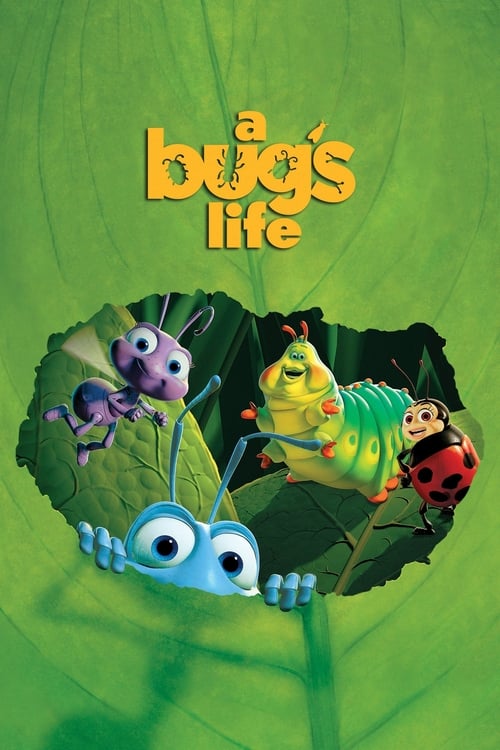
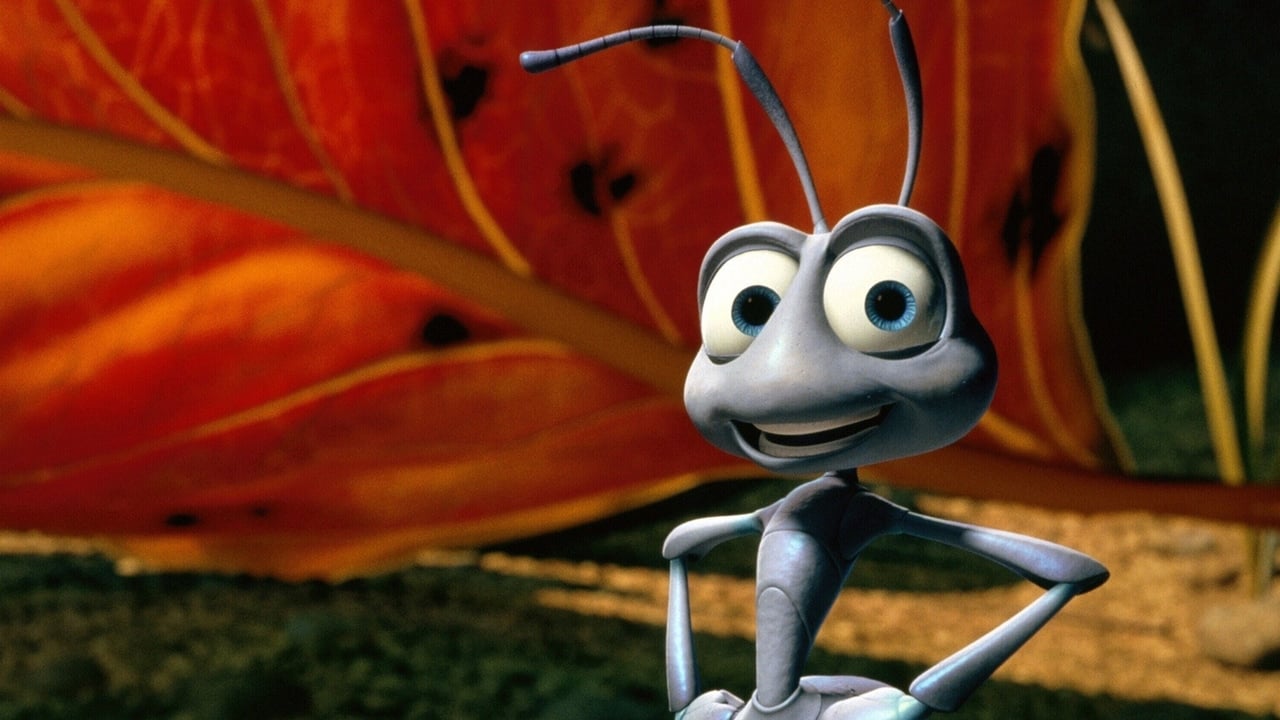
In the late 90s, the "sophomore slump" was the looming shadow over Pixar Animation Studios. They had successfully upended the entire film industry with Toy Story, but everyone was waiting to see if they could handle something organic. After all, rendering smooth plastic toys is one thing; rendering translucent wings, blades of grass, and thousands of individual ants is a mathematical nightmare. Looking back at A Bug’s Life, it’s clear this wasn't just a technical flex—it was the moment Pixar proved they could tell a classic, sweeping adventure story that felt as massive as any live-action blockbuster.
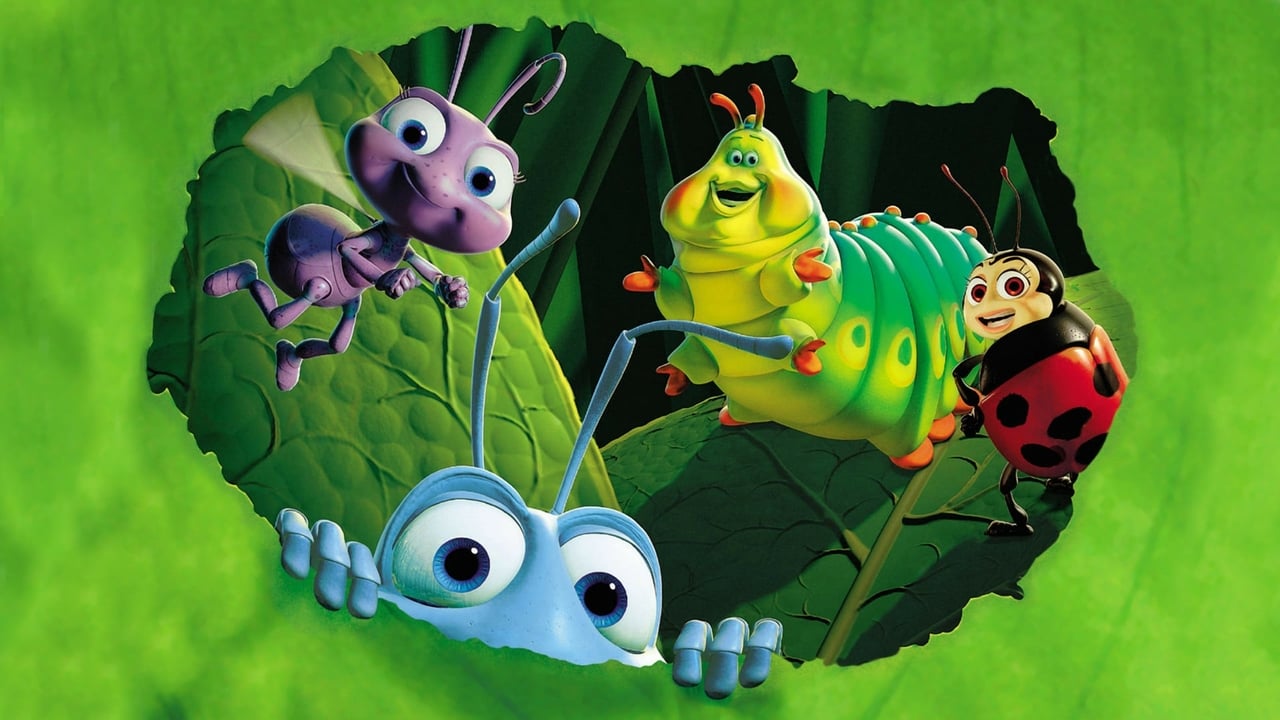
I revisited this one on a rainy Tuesday while eating a slightly stale sleeve of saltine's—a snack choice I immediately regretted when the grasshoppers started demanding their "offering"—and I was struck by how much more "adult" the stakes feel compared to modern animated fare. This isn’t just a movie about a clumsy ant; it’s a film about labor exploitation, the fear of the "other," and the psychological tactics of a dictator. Not bad for a movie that also features a German caterpillar who desperately wants to be a beautiful butterfly.
The Seven Samurai Under a Trailer
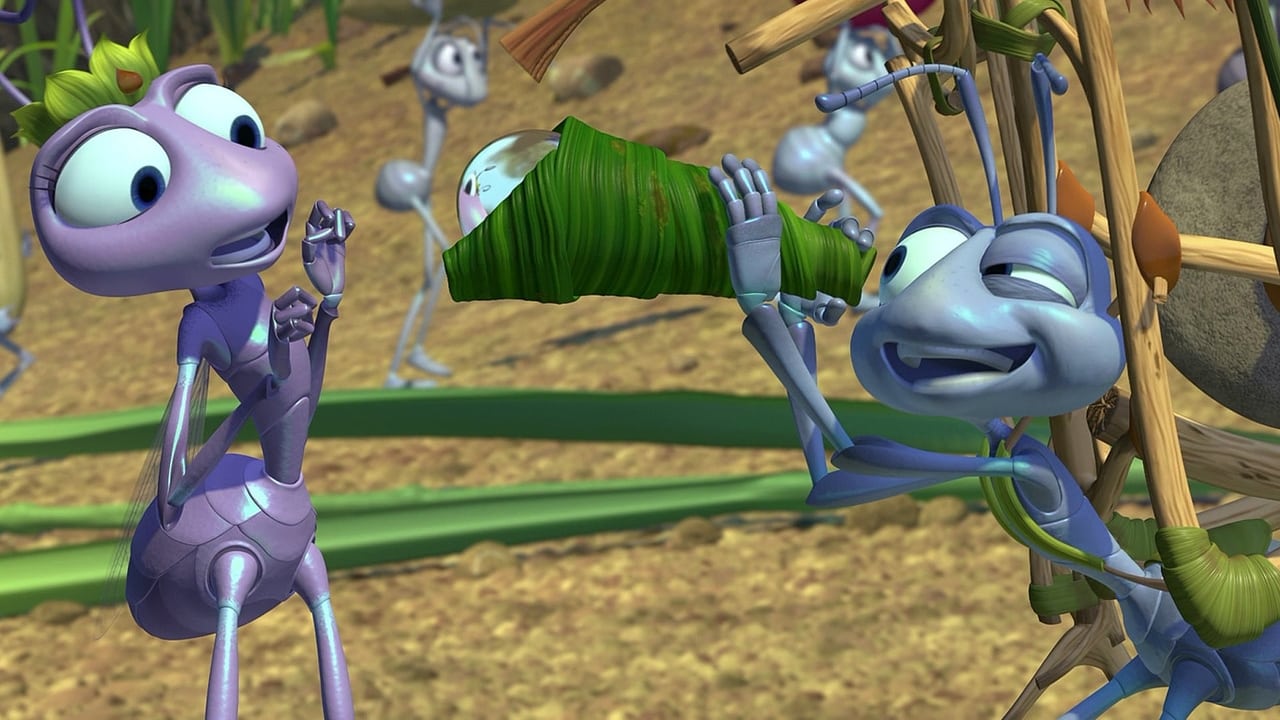
At its heart, A Bug’s Life is a clever riff on Akira Kurosawa’s Seven Samurai (or The Magnificent Seven for the Western fans). Our protagonist, Flik, is an inventor who doesn’t fit the rigid, assembly-line culture of his ant colony. After he accidentally destroys the food offering meant for a gang of extortionist grasshoppers, he heads to "the city" to find "warrior bugs" to defend the hill.
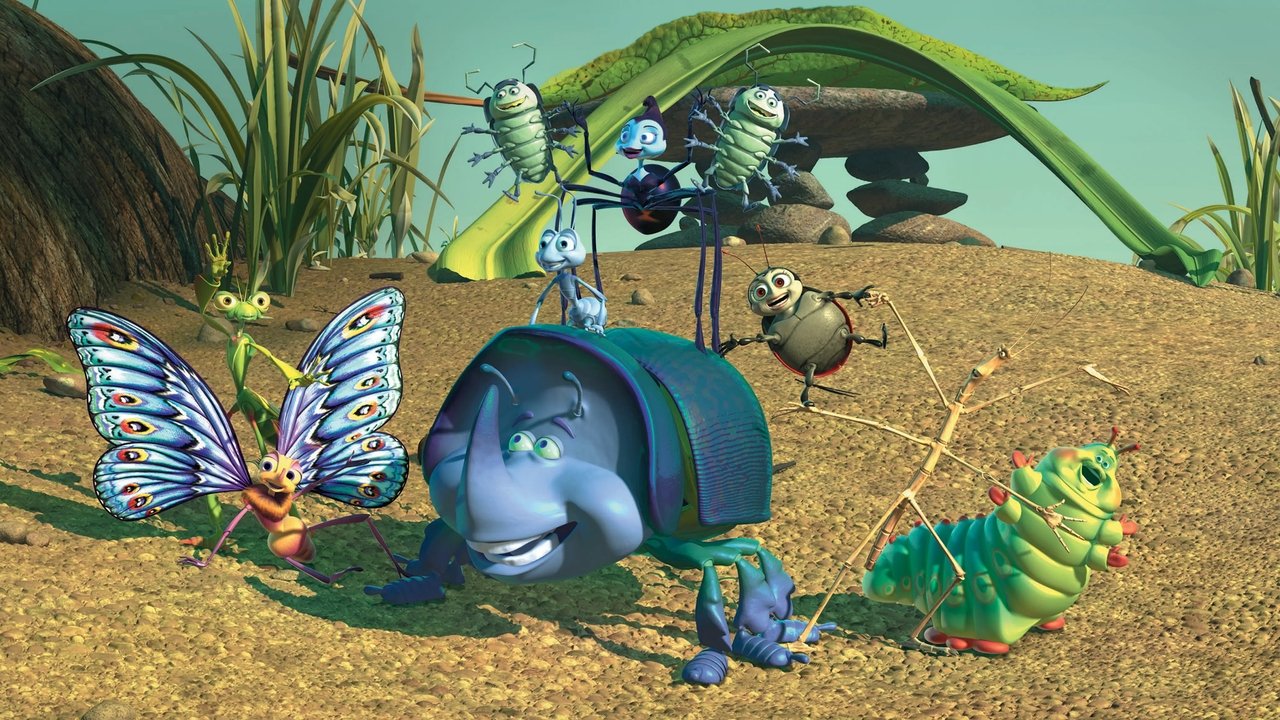
The "city" is actually a pile of trash under a mobile home, and the "warriors" are actually a group of fired circus performers. It’s a classic setup for a comedy of errors, but John Lasseter and Andrew Stanton (who also co-wrote Finding Nemo) ground the humor in genuine peril. When Dave Foley’s Flik realizes his heroes are actually just a high-strung mantis and a ladybug with anger issues, the disappointment is palpable. Foley brings a perfect "mid-90s everyman" energy to Flik—he’s earnest, slightly neurotic, and relentlessly optimistic, much like his work in The Kids in the Hall.
Villains, Voices, and Visuals

If you want to talk about why this film still works, you have to talk about Hopper. Kevin Spacey provides the voice for the lead grasshopper, and he is legitimately terrifying in a way modern animated villains rarely are. Hopper doesn't just want the food; he wants to maintain a caste system through psychological warfare. There is a chilling scene where he explains to his gang that a single ant doesn't matter, but if they ever realize they outnumber the grasshoppers, the "free ride" is over. It’s a sophisticated take on power dynamics that went completely over my head when I was eight years ago, but it hits like a ton of bricks now.
Then there’s the circus troupe. This is one of the best ensemble casts in animation history. Julia Louis-Dreyfus is peak 90s-cool as Princess Atta, and a very young Hayden Panettiere (years before Heroes) is adorable as Dot. But the show-stealer is Richard Kind as Molt, Hopper’s dim-witted brother. His comedic timing is impeccable, providing a much-needed release valve for the tension Hopper creates.
Visually, the film was a massive leap forward. Pixar’s cinematographer Sharon Calahan used "subsurface scattering" to make the bugs look like they were made of living tissue rather than hard plastic. When sunlight hits a leaf or an ant’s head, it glows with a soft, organic warmth. Even 25 years later, the lighting in the "rainstorm" sequence is more atmospheric than many modern CGI films. The rain isn't just water; to an ant, it’s a series of falling crystalline bombs. It’s adventure filmmaking at its most inventive.
The Great Ant Wars of 1998
You can’t talk about A Bug’s Life without mentioning the "Ant War" with DreamWorks. That same year, DreamWorks released Antz, a much darker, Woody Allen-led take on the same subject. It was a legendary Hollywood feud that allegedly started when Jeffrey Katzenberg left Disney/Pixar to form DreamWorks. While Antz was more "mature," A Bug’s Life won the cultural war because of its heart and its sense of scale. It felt like an epic.
One of the most revolutionary things about the film’s release wasn't the movie itself, but the credits. This was the first time an animated movie featured "outtakes"—fake bloopers where the CGI characters flubbed lines or tripped over set pieces. It humanized the digital puppets and became a Pixar staple for years. I still think about Joe Ranft’s Heimlich the caterpillar getting stuck in the "widescreen" black bars of the frame. It was a meta-joke that rewarded the audience for staying through the credits, a precursor to the MCU’s post-credit scenes.
While it’s often overshadowed by the Toy Story sequels or The Incredibles, A Bug’s Life remains the gold standard for the "unlikely hero" adventure. It balances slapstick comedy with a surprisingly deep message about the power of the collective. The pacing is tight, the world-building is imaginative, and the score by Randy Newman is some of his most whimsical work. It’s a movie that makes the world under our feet feel as vast and dangerous as any galaxy far, far away.
Keep Exploring...
-
Toy Story
1995
-

Toy Story 2
1999
-
Cars
2006
-

Ice Age
2002
-
Hercules
1997
-
Shrek
2001
-

Ice Age: The Meltdown
2006
-

Ice Age: Dawn of the Dinosaurs
2009
-
Cars 2
2011
-
Ice Age: Continental Drift
2012
-
Monsters, Inc.
2001
-
Osmosis Jones
2001
-
Shrek 2
2004
-

Madagascar
2005
-
Horton Hears a Who!
2008
-
Kung Fu Panda
2008
-
Madagascar: Escape 2 Africa
2008
-

Up
2009
-

Puss in Boots
2011
-
Rio
2011