A Night at the Roxbury
"Two brothers, one dream, and a lot of neck pain."
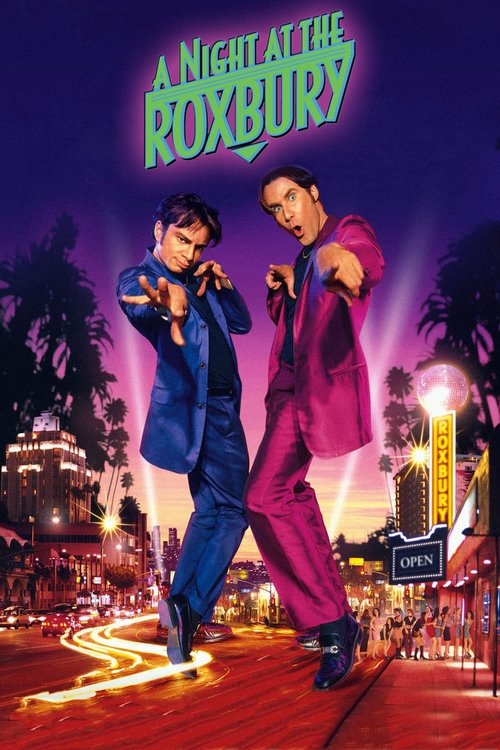
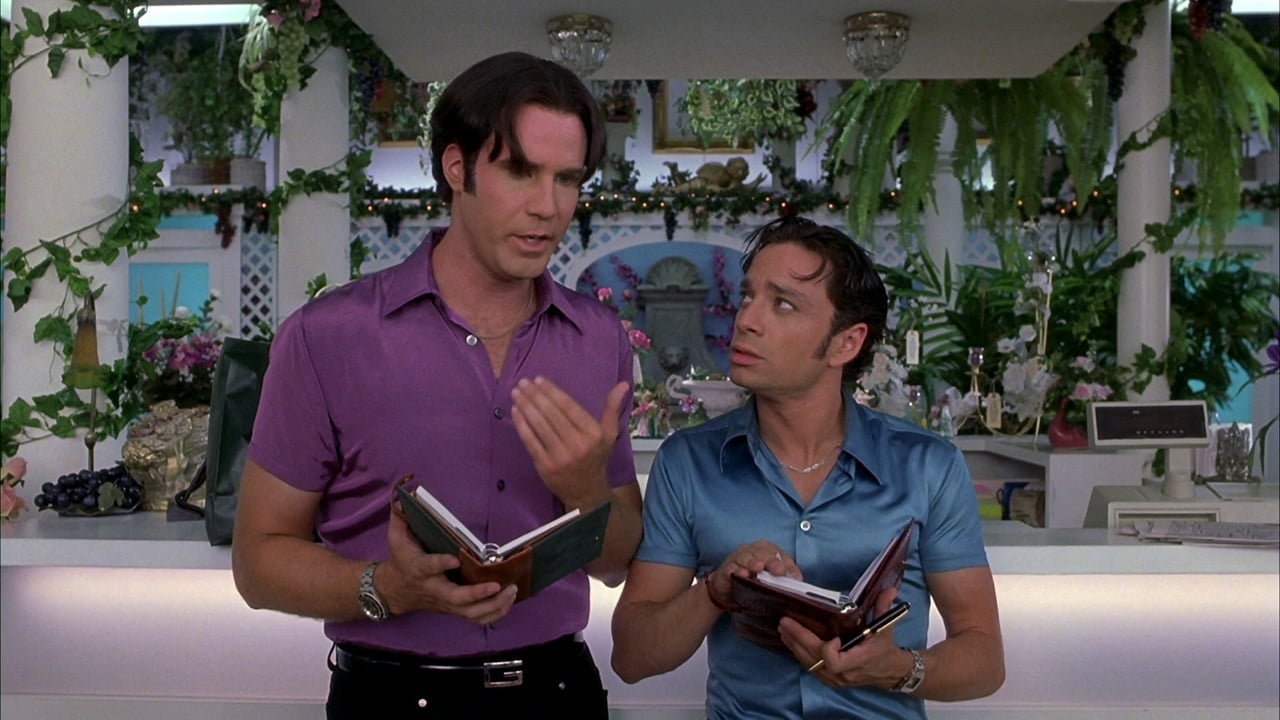
The syncopated neck-snap is the first thing that hits you—a rhythmic, aggressive jolt to the side that perfectly matches the four-on-the-floor beat of Haddaway’s "What Is Love." It is the visual shorthand for a very specific brand of 1990s optimism, the kind found only in guys who own too much silk and not enough self-awareness. Watching Will Ferrell and Chris Kattan bob their heads in unison isn't just a gag; it’s a commitment to a bit so thin it practically threatens to translucent. Yet, looking back at A Night at the Roxbury, there’s a strange, sugary resilience to it that outlasts many of its more "sophisticated" comedic peers from the era.
The SNL Expansion Problem
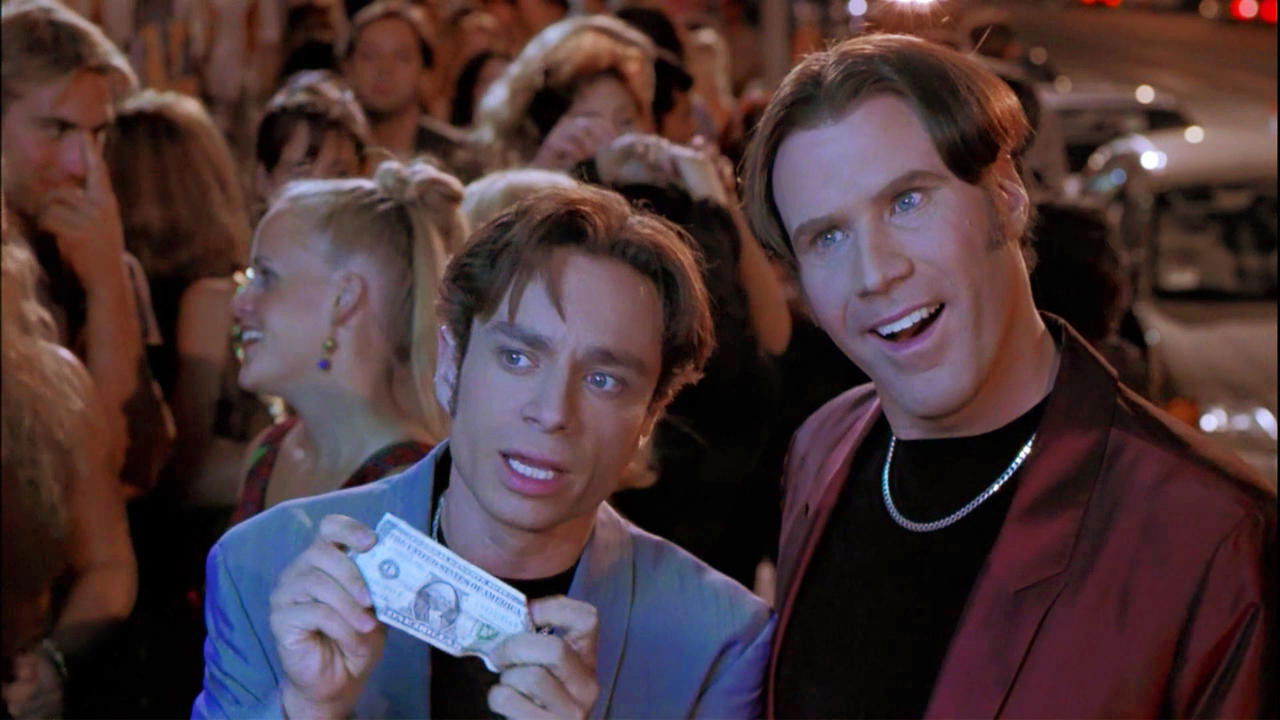
By 1998, the "Saturday Night Live sketch-to-feature" pipeline was beginning to look like a hazardous waste site. For every Wayne’s World, we were getting a It's Pat or Stuart Saves His Family. The Roxbury Guys—Steve and Doug Butabi—were never meant to carry eighty-two minutes. In their original sketches, they didn't even speak; they just crowded guest hosts on a dance floor. To make this a movie, Ferrell and Kattan (who co-wrote the script) had to give these human bobbleheads a home life, a father (Dan Hedaya), and a dream of opening a club that is "inside a club, which is inside another club."
The result is a film that functions entirely on the logic of a sugar-addicted golden retriever. It’s loud, it’s repetitive, and it’s desperately eager to please. I watched this recently while trying to assemble a flat-pack bookshelf, and I realized that the Butabis are the perfect cinematic accompaniment to manual labor: they require absolutely zero intellectual overhead. You can miss five minutes to find a hex key, come back, and they are still effectively doing the same joke. That isn't a knock on the film; it’s an appreciation of its purity.
A Time Capsule of Pre-Digital Cool
What’s fascinating now is how A Night at the Roxbury captures the dying embers of the analog club scene. This was the era of the "Superclub," where the velvet rope was the ultimate barrier to entry and the height of technology was a cell phone the size of a brick. The film leans heavily into the neon-and-chrome aesthetic of the late 90s, a world where Richard Grieco was still a viable currency of cool. Grieco, playing a self-deprecating version of himself, is actually the film's secret weapon. His willingness to be the catalyst for the Butabis’ accidental success adds a layer of "meta" humor that feels surprisingly ahead of its time.
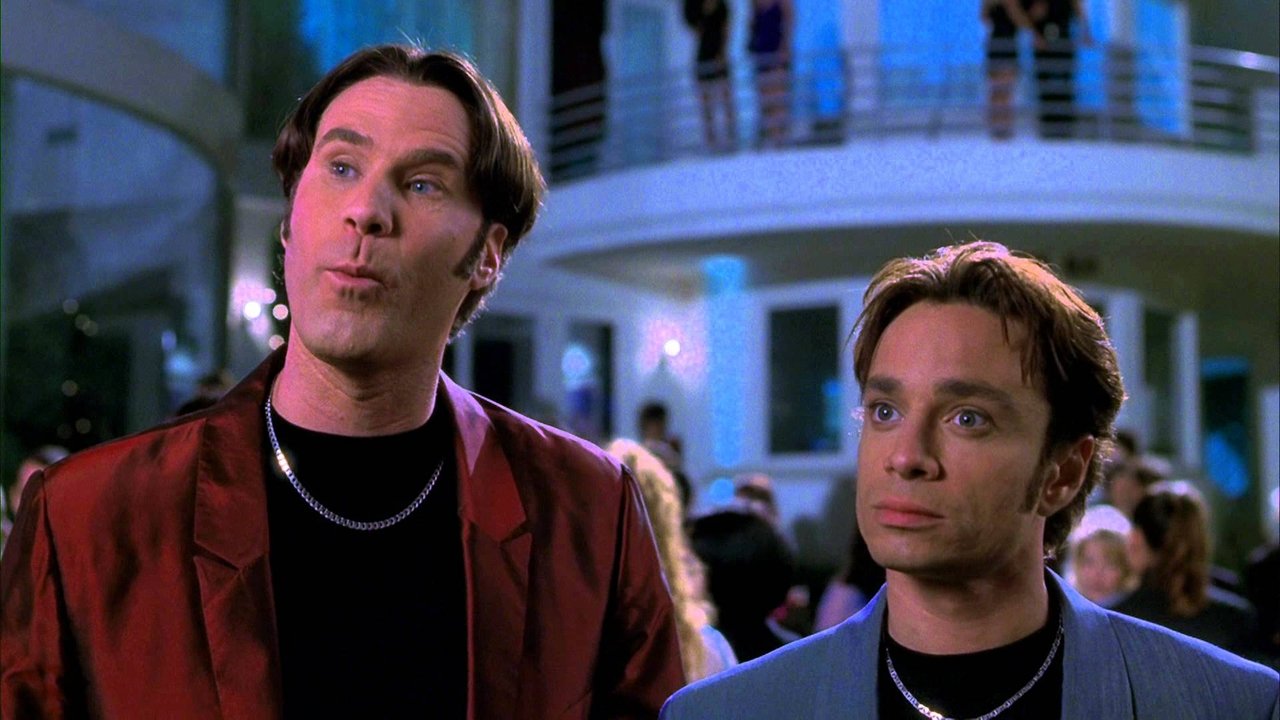
The supporting cast does a lot of heavy lifting to keep the thin premise from snapping. Molly Shannon is predictably feral as Emily Sanderson, and Dan Hedaya provides a necessary, grumpy anchor as the father who just wants his sons to sell silk flowers. The humor is often physical and delightfully stupid—think Chris Kattan getting caught in a sliding door or Will Ferrell’s aggressively tight suits—but it’s delivered with such earnestness that it’s hard to stay cynical. Unlike the cynical, "too-cool-for-school" comedies that would follow in the 2000s, there’s no mean spirit here. The Butabis aren't jerks; they’re just idiots.
Why the Beat Stopped
So why has this film faded into the "Oh yeah, that existed" category of the 90s? Part of it is the meteoric rise of Will Ferrell immediately after. Once Old School and Anchorman redefined the American comedy landscape, his earlier, broader work like Roxbury started to look like a primitive ancestor—the Australopithecus of the "Ferrell Man." Additionally, the film was a modest performer, doubling its $17 million budget but failing to ignite a franchise. It exists in that weird limbo of being a cult classic to people of a certain age, while being completely invisible to everyone else.
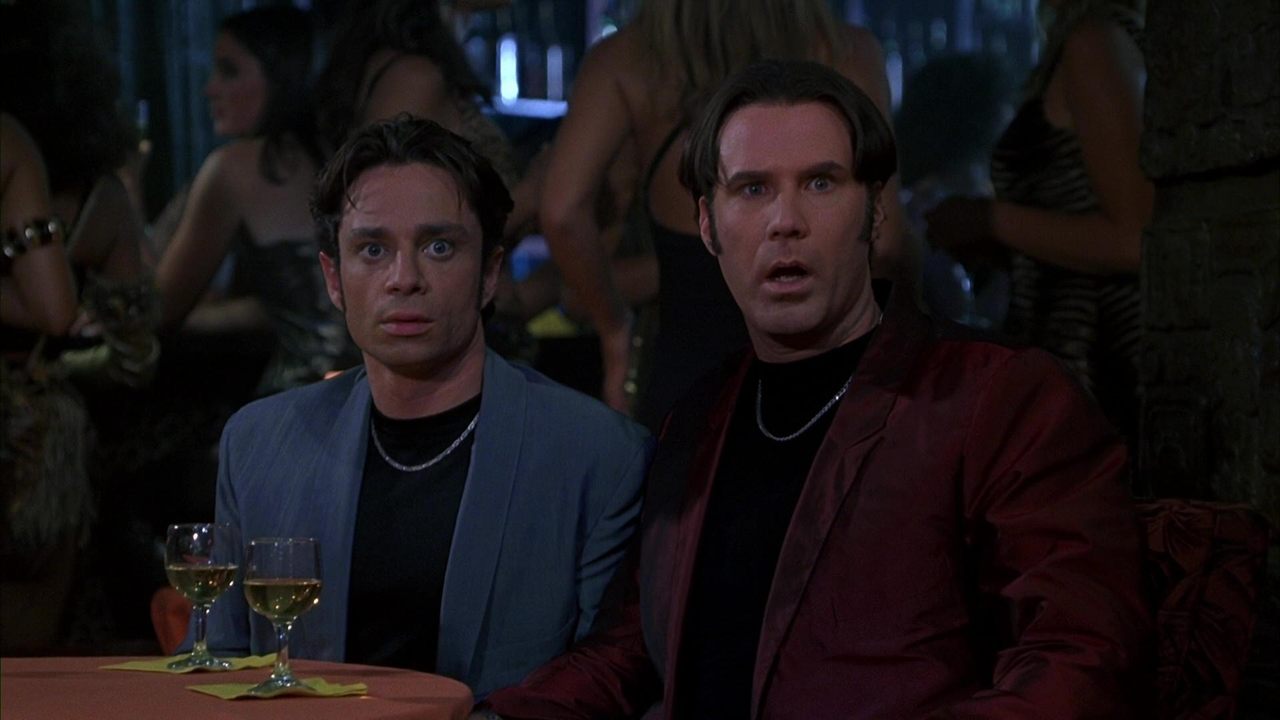
Interestingly, the film was produced by Amy Heckerling, the director of Clueless and Fast Times at Ridgemont High. You can feel her influence in the way the film treats its subculture with a mix of mockery and genuine affection. It doesn't hate the Roxbury scene; it just thinks the people in it are hilarious. There’s a deleted subplot involving more of the Butabis' failed business ventures that reportedly tested poorly because it made them look too incompetent, which tells you the filmmakers were actually protective of these characters.
A Night at the Roxbury is not high art, nor is it even high-tier Will Ferrell. However, it is a fascinating, neon-soaked relic of a time when a movie could be built entirely on a rhythmic shoulder-shrug and a dream. It’s short, it’s vibrant, and it features Loni Anderson in a role that feels like a fever dream. If you’re looking for a dose of pure, unadulterated 90s silliness, you could do a lot worse than spending 82 minutes with the Butabi brothers. Just watch your neck.
Looking back, the film succeeds because it leans into its own limitations rather than trying to hide them. It knows it’s a sketch stretched thin, so it fills the gaps with bright colors, Eurodance hits, and a relentless energy that refuses to quit. It’s the cinematic equivalent of a glow-stick: cheap, bright, and surprisingly fun while it lasts. Don't go in expecting The Godfather; go in expecting two guys who think "What Is Love" is the national anthem.### System Role: Film Critic for Popcornizer
**Movie Review: A Night at the Roxbury (1998)**
The syncopated neck-snap is the first thing that hits you—a rhythmic, aggressive jolt to the side that perfectly matches the four-on-the-floor beat of Haddaway’s "What Is Love." It is the visual shorthand for a very specific brand of 1990s optimism, the kind found only in men who own too much silk and not enough self-awareness. Watching Will Ferrell and Chris Kattan bob their heads in unison isn't just a gag; it’s a commitment to a bit so thin it practically threatens to become translucent. Yet, looking back at A Night at the Roxbury, there’s a strange, sugary resilience to it that outlasts many of its more "sophisticated" comedic peers from the era.
The SNL Expansion Problem

By 1998, the "Saturday Night Live sketch-to-feature" pipeline was beginning to look like a hazardous waste site. For every Wayne’s World, we were getting an It's Pat. The Roxbury Guys—Steve and Doug Butabi—were never meant to carry eighty-two minutes. In their original sketches, they didn't even speak; they just crowded guest hosts on a dance floor. To make this a movie, Will Ferrell and Chris Kattan (who co-wrote the screenplay) had to give these human bobbleheads a home life, an exasperated father (Dan Hedaya), and a dream of opening a club that is "inside a club, which is inside another club."
The result is a film that functions entirely on the logic of a sugar-addicted golden retriever. It’s loud, it’s repetitive, and it’s desperately eager to please. I watched this recently while trying to assemble a flat-pack bookshelf, and I realized that the Butabis are the perfect cinematic accompaniment to manual labor: they require absolutely zero intellectual overhead. You can miss five minutes to find a hex key, come back, and they are still effectively doing the same joke. That isn't a knock on the film; it’s an appreciation of its purity.
A Time Capsule of Pre-Digital "Cool"
What’s fascinating now is how the film captures the dying embers of the analog club scene. This was the era of the "Superclub," where the velvet rope was the ultimate barrier to entry and the height of technology was a cell phone the size of a cordless house phone. The film leans heavily into the neon-and-chrome aesthetic of the late 90s, a world where Richard Grieco was still a viable currency of cool. Grieco, playing a self-deprecating version of himself, is actually the film's secret weapon. His willingness to be the catalyst for the Butabis’ accidental success adds a layer of "meta" humor that feels surprisingly ahead of its time.
The supporting cast does a lot of heavy lifting to keep the thin premise from snapping. Molly Shannon is predictably feral as Emily Sanderson, and Dan Hedaya provides a necessary, grumpy anchor as the father who just wants his sons to sell silk flowers. The humor is often physical and delightfully stupid—think Kattan getting caught in a sliding door or Ferrell’s aggressively tight suits—but it’s delivered with such earnestness that it’s hard to stay cynical. Unlike the "too-cool-for-school" comedies that would follow in the 2000s, there’s no mean spirit here. The Butabis aren't jerks; they’re just idiots.
Why the Beat Stopped
So why has this film faded into the "Oh yeah, that existed" category of the 90s? Part of it is the meteoric rise of Will Ferrell immediately after. Once Old School and Anchorman redefined the American comedy landscape, his earlier, broader work like Roxbury started to look like a primitive ancestor—the Australopithecus of the "Ferrell Man." Additionally, the film was a modest performer, earning $30 million against a $17 million budget, which in the 90s meant "fine, but not a franchise." It exists in that weird limbo of being a cult classic to people of a certain age, while being completely invisible to everyone else.
Interestingly, the film was produced by Amy Heckerling, the director of Clueless. You can feel her influence in the way the film treats its subculture with a mix of mockery and genuine affection. It doesn't hate the Roxbury scene; it just thinks the people in it are hilarious. There’s a deleted subplot involving more of the Butabis' failed business ventures that reportedly tested poorly because it made them look too incompetent, which tells you the filmmakers were actually protective of these characters. It's a movie that refuses to let reality ruin the vibe.
Keep Exploring...
-
Never Been Kissed
1999
-
It Could Happen to You
1994
-
A Goofy Movie
1995
-
It Takes Two
1995
-

Mallrats
1995
-
That Thing You Do!
1996
-

EverAfter
1998
-
Blast from the Past
1999
-
Deuce Bigalow: Male Gigolo
1999
-

Heartbreakers
2001
-
Kate & Leopold
2001
-

The Wedding Planner
2001
-
Confessions of a Dangerous Mind
2002
-
National Lampoon's Van Wilder
2002
-
S1m0ne
2002
-
The Sweetest Thing
2002
-
Legally Blonde 2: Red, White & Blonde
2003
-

Under the Tuscan Sun
2003
-
What a Girl Wants
2003
-

The Little Rascals
1994