A Perfect Murder
"Betrayal is the most expensive luxury."

In 1998, Hollywood was obsessed with a very specific kind of anxiety: the fear that your high-end, granite-countertop life was about to be dismantled by the people you shared your bed with. It was the era of the "yuppie thriller," a subgenre where the villains wore Armani and the murder weapons were often heavy crystal decanters. Michael Douglas was the undisputed king of this world. Watching him in A Perfect Murder, you get the sense he was born wearing a power tie and holding a Scotch, ready to ruin someone’s life before the closing bell on Wall Street.

I recently revisited this flick on a rainy Tuesday while my radiator was making a sound like a dying harmonica, and honestly, the contrast between my drafty apartment and the Taylors' cavernous Fifth Avenue penthouse made the film’s icy atmosphere even more delicious.
The Douglas Doctrine of Rich Guys
The movie is a slick, modernized riff on Frederick Knott’s play Dial M for Murder, famously filmed by Hitchcock in 1954. But where the original was a claustrophobic, stagey affair, director Andrew Davis (who gave us the propulsive The Fugitive) turns New York City into a cold, metallic playground. Michael Douglas plays Steven Taylor, a hedge-fund titan who discovered his wife, Emily (Gwyneth Paltrow), is having an affair with a scruffy, bohemian artist named David, played by a pre-Lord of the Rings Viggo Mortensen.
Instead of a divorce, Steven decides on a more "cost-effective" solution: he blackmails the lover into murdering the wife. It’s a classic setup, but Michael Douglas is the only actor who can make checking a stock ticker look like a high-speed car chase. He plays Steven with a predatory stillness. He isn't just a cuckolded husband; he’s a man whose portfolio is crashing, and he views his wife’s inheritance as the ultimate bailout.
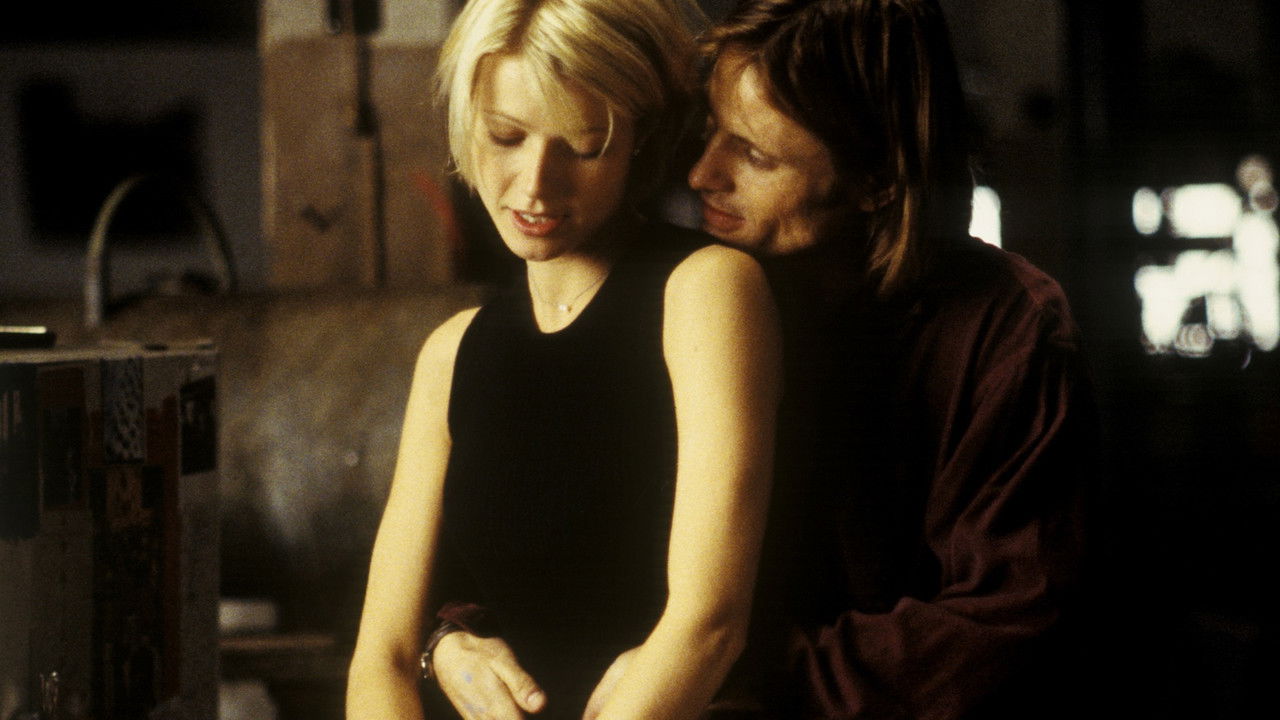
Gwyneth Paltrow does exactly what she did best in the late 90s—looking ethereal in expensive knitwear while speaking fluent Italian and working at the UN. She’s the "perfect" trophy, but she brings enough internal life to Emily that you actually care if she makes it to the end credits. Meanwhile, Viggo Mortensen is fascinatingly greasy here. Viggo Mortensen's loft looks like a place where tetanus goes to retire, and yet you totally understand why a woman living in a sterile marble museum would be drawn to his chaotic energy.
A Hitchcockian Ghost in the Machine
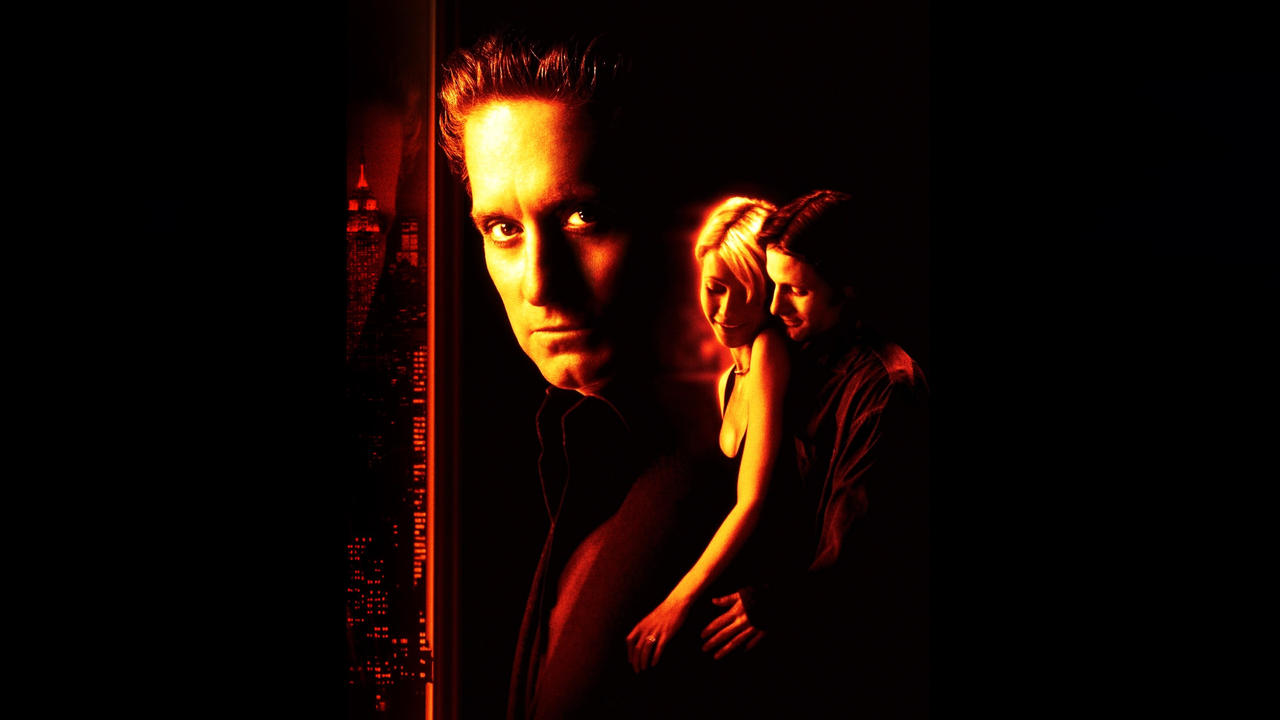
What I appreciate about A Perfect Murder is that it doesn’t try to out-Hitchcock Hitchcock. It knows it’s a glossy, late-90s studio product. The cinematography by Dariusz Wolski (who later shot Prometheus and The Martian) is gorgeous, all deep shadows and amber lighting that makes every room look like it’s filled with expensive cigar smoke. It’s a film that thrives on "the look."
However, it also captures that weird transition period in technology. We see early cell phones and clunky computers, but the plot still hinges on physical keys and handwritten notes. It’s a bridge between the analog suspense of the 50s and the digital tracking of the 2000s. There’s a particular scene involving a ringing phone in a dark kitchen that still manages to prickle the hair on my arms, despite me knowing exactly how it’s going to play out.
The script adds a layer of grime that wasn't in the original play. David isn't just a lover; he’s a con artist. Steven isn't just a husband; he’s a failing capitalist. It turns the "perfect" murder into a messy triangle of people who are all, frankly, a bit terrible. It’s a movie about three people trying to outmaneuver each other, and the fun is watching the chess board get kicked over.
The 90s Time Capsule and the Alternate Endings
One of the coolest details about this production involves Viggo Mortensen. Apparently, those chaotic, large-scale paintings in David’s studio weren't just random props from the art department—they were actually painted by Mortensen himself. He lived in that studio set for a while to get the "vibe" right, which is the most Viggo thing I’ve ever heard. It adds a layer of authenticity to the "starving artist" trope that usually feels so fake in Hollywood movies.
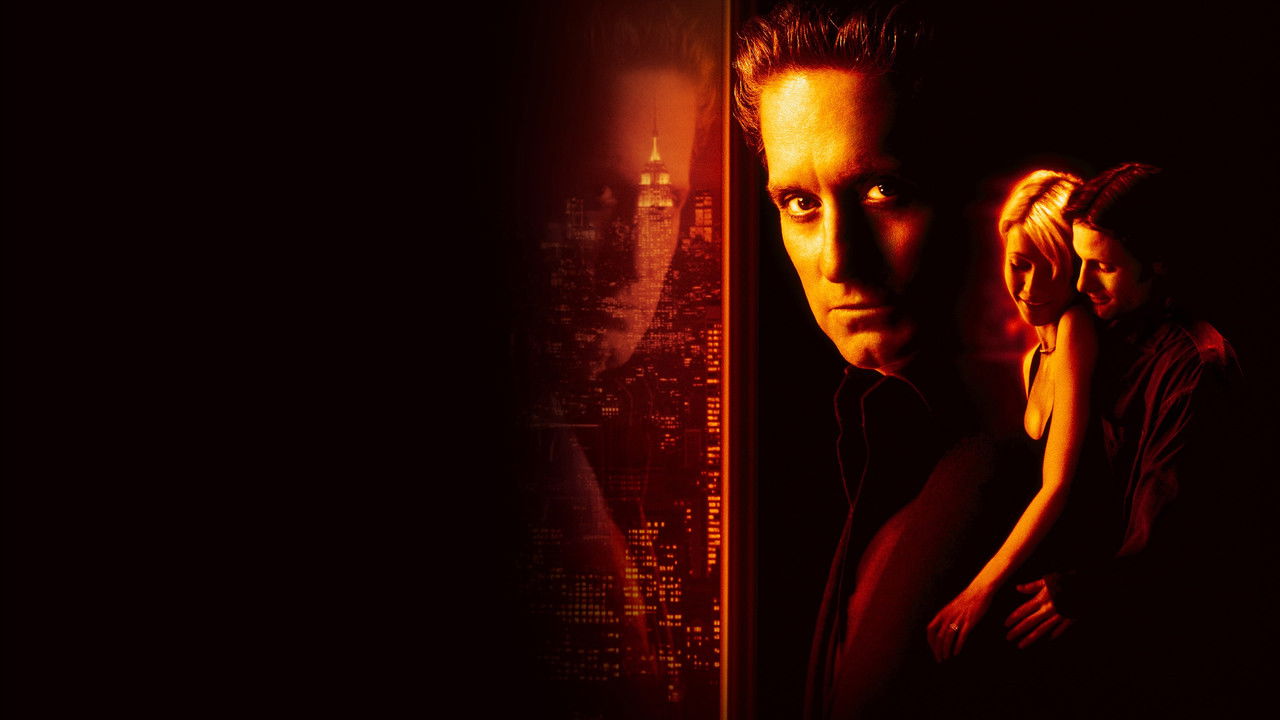
The film also benefited heavily from the burgeoning DVD culture of the time. If you track down the old disc, you can see the original ending that was scrapped after test screenings. In the alternate version, the resolution is much darker and far less "action-movie" than the theatrical cut. The studio clearly wanted a more explosive finale, which is a classic 90s executive move, but the fact that both exist is a testament to the era's experimentation with how much "bad guy" an audience could handle.
I also have to shout out David Suchet, who shows up as a detective. If you’re used to him as Hercule Poirot, seeing him in a New York precinct is a delightful little jolt. He brings a methodical, quiet intelligence to the final act that keeps the movie from spinning off into total melodrama.
A Perfect Murder isn't a masterpiece, but it is a masterclass in a specific kind of professional, high-budget filmmaking that we don't see much of anymore. It’s a thriller for adults that cares about character motivations and architectural lighting. It’s a bit cold, a bit cynical, and it features Michael Douglas at the peak of his "rich guy in trouble" powers. If you’ve got a free evening and a glass of something strong, this is a heist/betrayal cocktail that still goes down smooth.
Keep Exploring...
-

Collateral Damage
2002
-
Disclosure
1994
-

The Devil's Own
1997
-
The Siege
1998
-
Payback
1999
-
Murder by Numbers
2002
-
Basic
2003
-
Matchstick Men
2003
-

Out of Time
2003
-
The Hunted
2003
-

Falling Down
1993
-

Traffic
2000
-
The Client
1994
-

Hackers
1995
-
Strange Days
1995
-
Breakdown
1997
-
Cop Land
1997
-
Kiss the Girls
1997
-
The Rainmaker
1997
-
A Simple Plan
1998