A Simple Plan
"A fortune found, a soul lost."
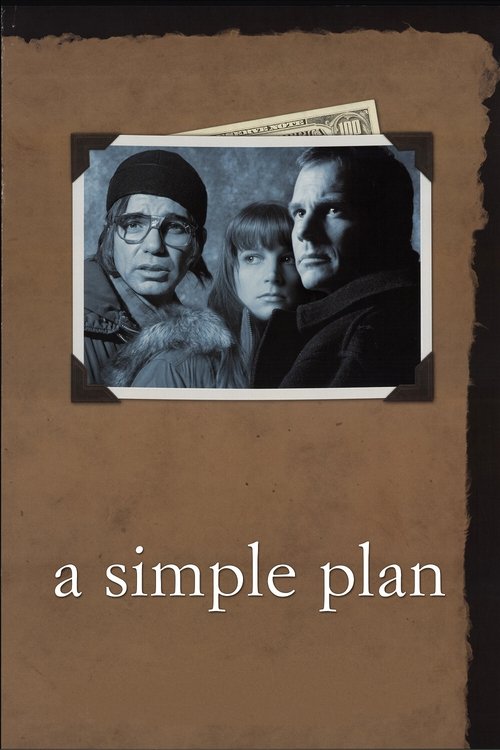
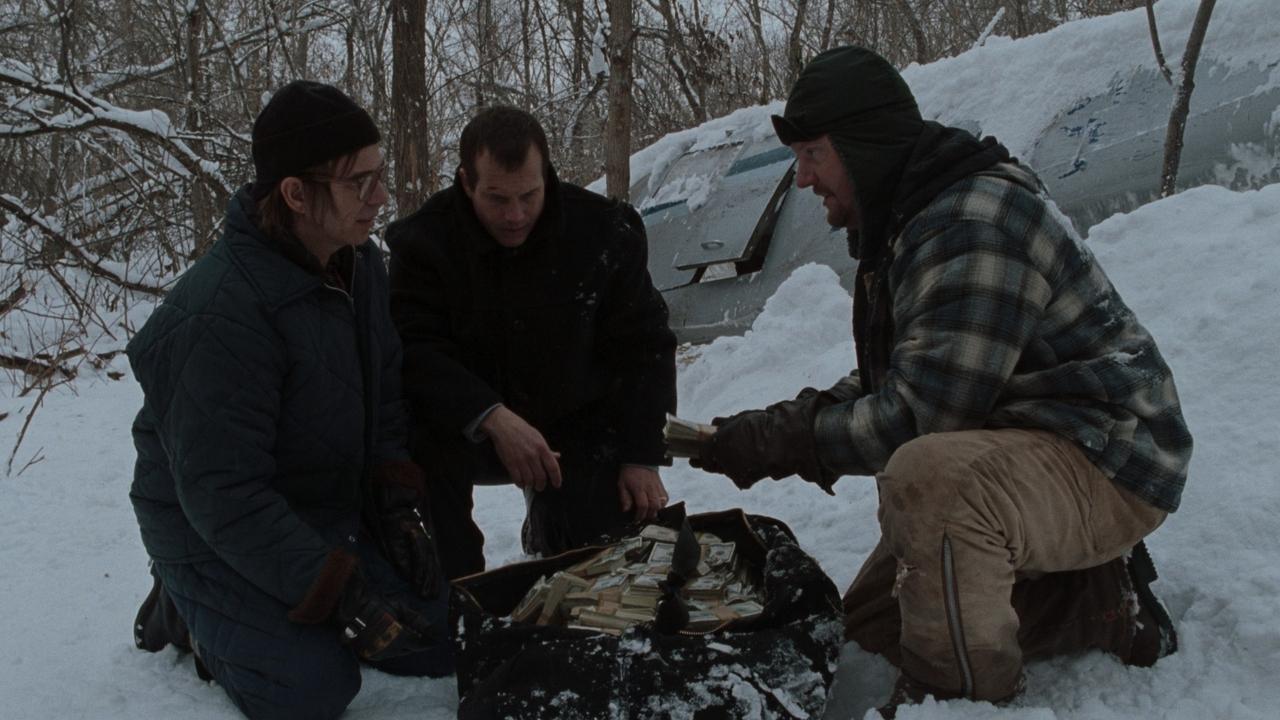
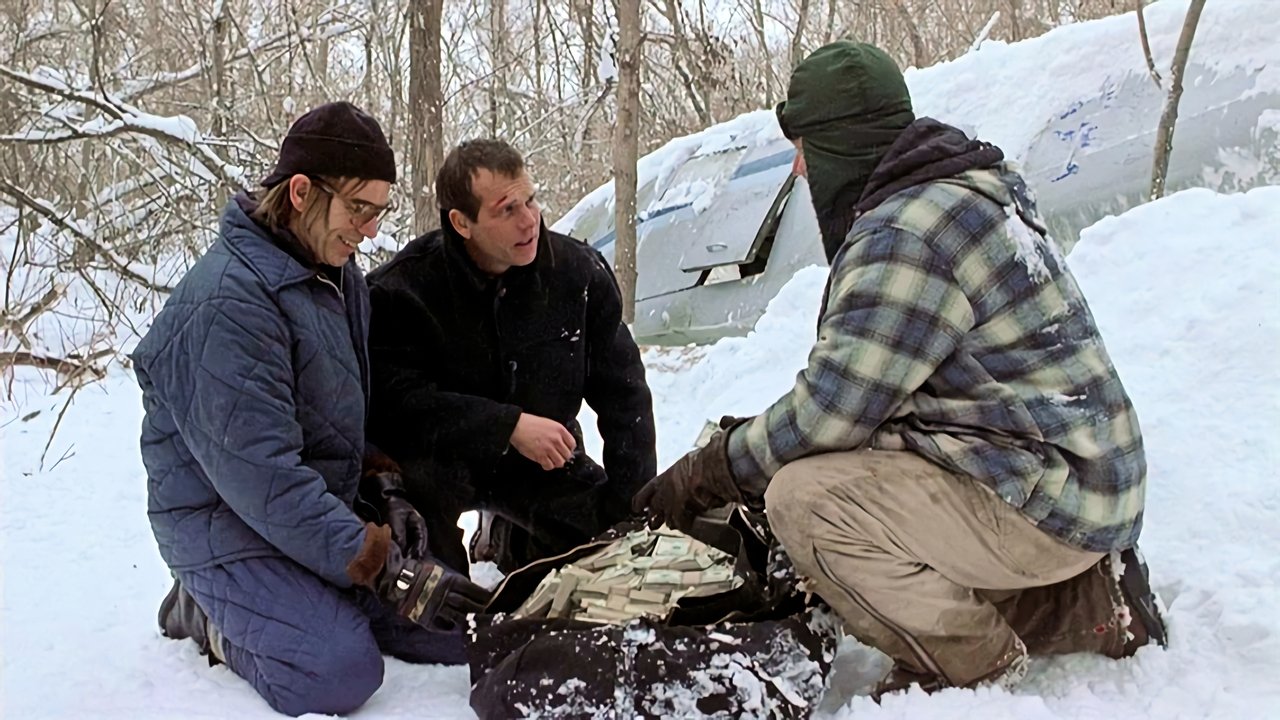
There is a specific kind of silence that only exists in a forest buried under two feet of fresh snow. It’s a muffling, heavy quiet that makes every snap of a twig sound like a gunshot. In the opening moments of Sam Raimi’s 1998 thriller A Simple Plan, that silence feels like a judgment. We see three men—two brothers and a friend—stumble upon a downed plane in the Minnesota woods containing $4.4 million in cash. It is the classic "lost treasure" hook, but Raimi (who we usually associate with the manic camera zooms of The Evil Dead or the blockbuster polish of Spider-Man) treats the discovery with a chilling, clinical restraint.
I watched this for the first time while eating a slightly charred frozen pizza that I’d forgotten in the oven, and the bitter, burnt crust actually felt like the perfect culinary pairing for the movie’s increasingly acrid tone.
The Architect of a Tragedy
The film hinges on the relationship between Hank Mitchell (Bill Paxton) and his older brother Jacob (Billy Bob Thornton). Hank is the "successful" one—a steady job at the feed mill, a pregnant wife, and a modest home. Jacob is the town’s "eccentric," a man whose social awkwardness and unkempt appearance mask a deep-seated loneliness. Bill Paxton gives one of the most underrated performances of his career here; he starts as the moral compass, the man who insists they should turn the money in, but he slowly morphs into the most dangerous person in the room.
However, the film belongs to Billy Bob Thornton. Fresh off his breakout in Sling Blade, his Jacob is a masterclass in subtlety. There’s a scene where he talks about never having been with a woman, and the vulnerability he radiates is so raw it’s almost uncomfortable to watch. Thornton reportedly based the character’s look and mannerisms on a man he knew growing up, and that specificity makes Jacob feel less like a movie character and more like a ghost haunted by his own life. When the "simple plan" to keep the money inevitably hits a snag, Jacob becomes the tragic heart of a story that is rapidly losing its pulse.
The Lady Macbeth of Rural America
If the brothers are the muscle and the heart of the operation, Hank’s wife, Sarah (Bridget Fonda), is the cold, calculating brain. In many thrillers of this era, the "wife" role is a thankless one—either the nagging voice of reason or the oblivious victim. Bridget Fonda subverts every expectation. She is the one who suggests they put just a little of the money back to avoid suspicion. She is the one who calculates the risks while the men are busy panicking.
Her transformation is perhaps the most disturbing element of the film. Looking back, "Fonda’s Sarah is basically a LinkedIn-certified sociopath in a maternity sweater." She doesn't push Hank toward evil with a shove; she nudges him with a series of logical, practical steps until he’s so far from the path of "good" that he can’t even see it anymore. This was a peak era for Fonda, who had starred in Single White Female and Quentin Tarantino’s Jackie Brown, but her work here is arguably her most chilling because it’s so grounded in domestic normalcy.
The Art of the Slow Burn
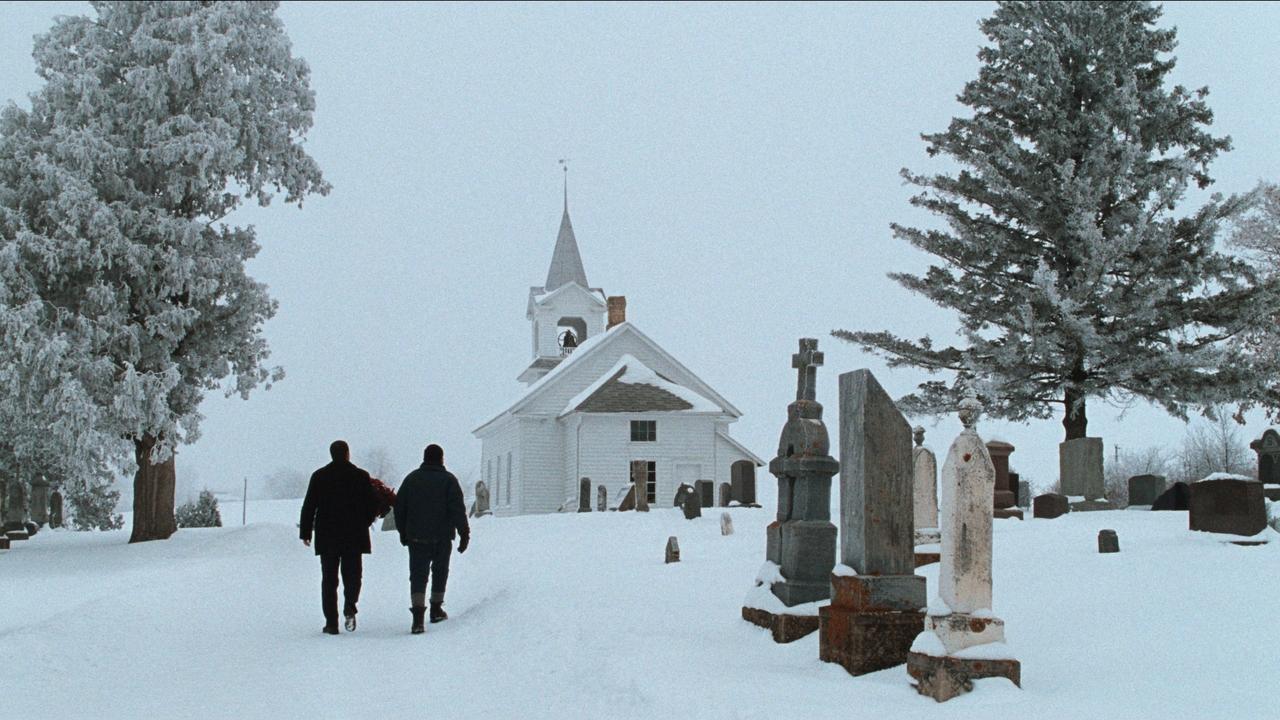
What makes A Simple Plan stand out from the "heist gone wrong" crowd is the atmosphere. Cinematographer Alar Kivilo (who later worked on The Blind Side) drains the color out of the landscape until the world looks like a black-and-white photograph. The blood, when it eventually arrives, is shockingly red against the white expanse. It’s a film that demands your attention through tension rather than action.
The score by Danny Elfman is also a departure. We’re used to his whimsical, gothic flourishes for Tim Burton movies like Batman or Edward Scissorhands, but here he uses detuned pianos and scratching strings to create a sense of mounting dread. It sounds like something is rotting under the floorboards. It reminds me of the mid-to-late 90s trend where directors and composers were trying to prove they could do "serious" art-house work after making their names in genre cinema.
Despite being a critical darling and earning two Oscar nominations, the film was a financial dud, barely making back its budget. It was released the same year as Saving Private Ryan and Shakespeare in Love, and it likely got lost in the shadow cast by the Coen Brothers' Fargo (1996), which shared the same snowy Minnesota setting. But where Fargo used "Minnesota Nice" for dark comedy, A Simple Plan uses it for tragedy. There are no funny accents here; there’s just a slow, agonizing realization that once you cross a certain line, you can never go back.
A Simple Plan is a reminder of a time when Hollywood still made mid-budget, adult-oriented thrillers that trusted the audience to sit with uncomfortable silences. It’s a bleak, beautifully acted morality play that proves the scariest monsters aren't under the bed—they’re the ones staring back at us in the bathroom mirror after we’ve made one "simple" mistake. If you haven't seen it, find the coldest night possible, grab a blanket, and prepare to feel the chill.

Keep Exploring...
-

The Gift
2000
-

Bound by Honor
1993
-

Strange Days
1995
-
The Rainmaker
1997
-
Arlington Road
1999
-
The Quick and the Dead
1995
-
The Man Who Wasn't There
2001
-
Infernal Affairs
2002
-
Matchstick Men
2003
-

Jackie Brown
1997
-

Miller's Crossing
1990
-

Undisputed II: Last Man Standing
2006
-

United 93
2006
-
Before the Devil Knows You're Dead
2007
-

I'm Not Scared
2003
-
A Perfect World
1993
-
Carlito's Way
1993
-

Falling Down
1993
-

Natural Born Killers
1994
-
The Usual Suspects
1995