American History X
"The poison we inherit."
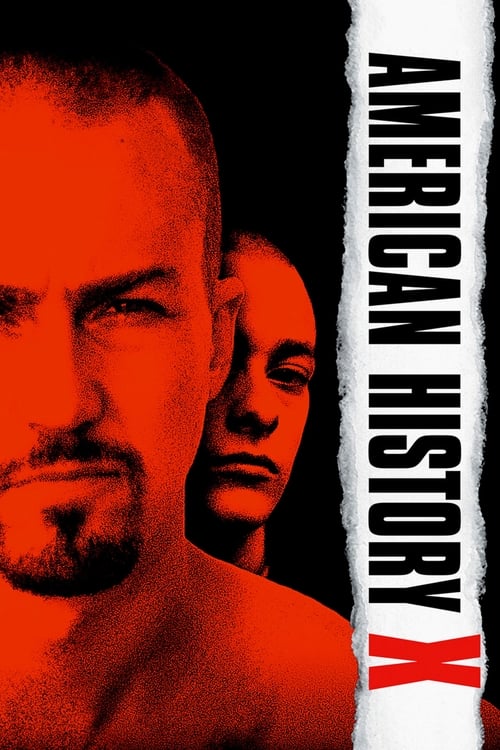
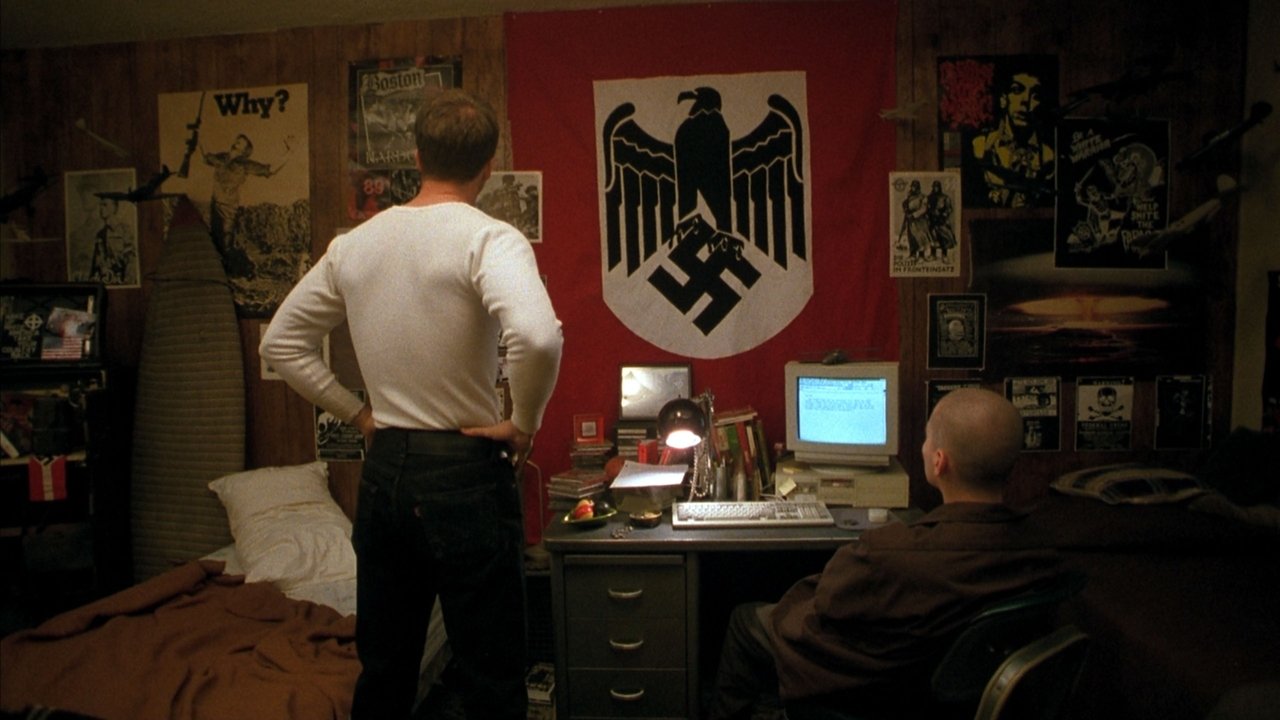
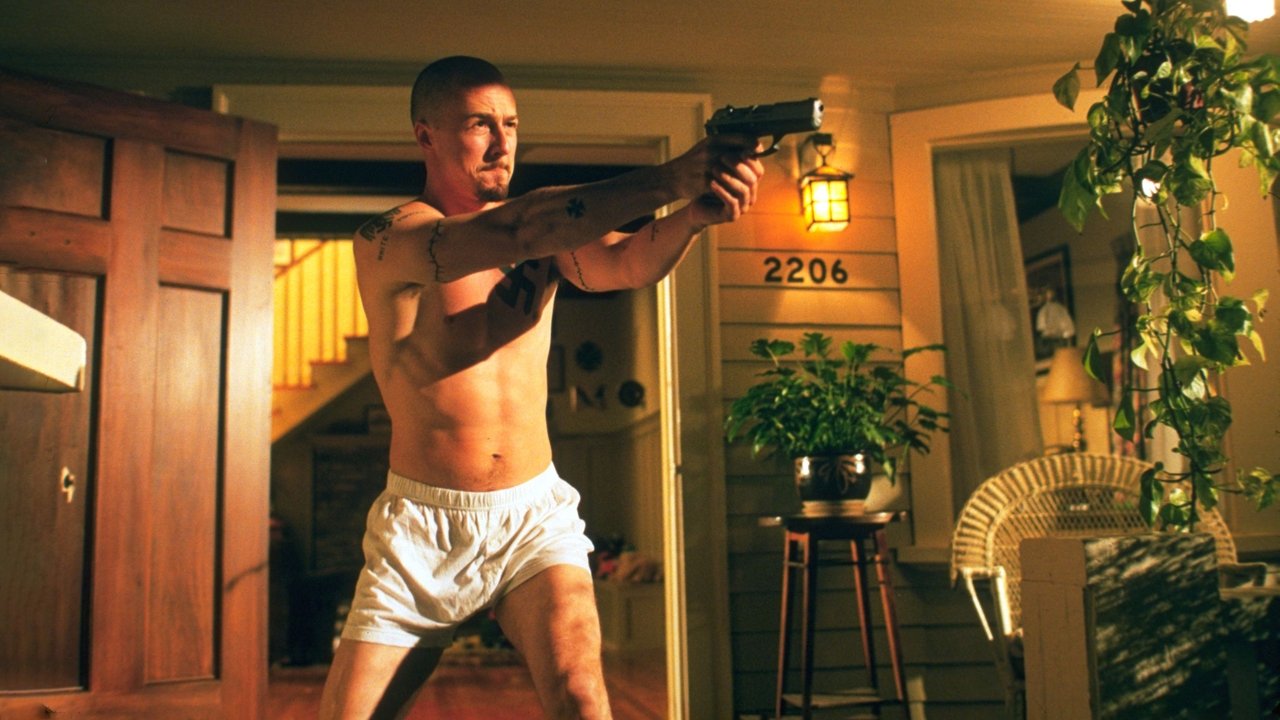
I remember the first time I saw Edward Norton’s chest in American History X. Not in a "thirst trap" kind of way, but because of that ink—that massive, jarring swastika over his heart. It felt like a physical blow. I was watching the film on a borrowed DVD in a dorm room while my roommate was loudly eating a bowl of Cheerios, and yet, the moment the sound of teeth hitting a concrete curb echoed through the speakers, the room went dead silent. The Cheerios stopped. The air left the room.
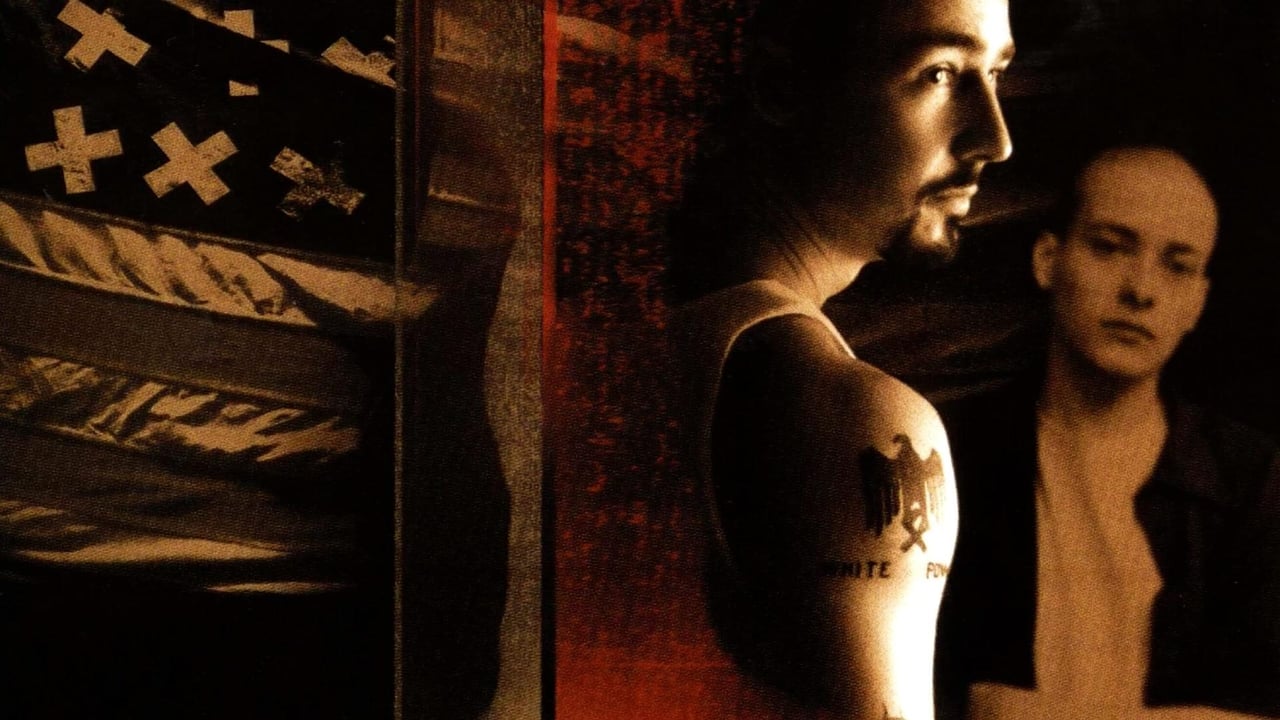
That is the power of American History X. It’s a film that doesn't just ask for your attention; it seizes you by the throat and demands you look at the ugliness we often try to politely ignore.
The Transformation of Edward Norton
Before 1998, we knew Edward Norton as the stuttering, fragile altar boy from Primal Fear. Then he showed up here, looking like he’d been carved out of granite and fueled by pure, unadulterated bile. His performance as Derek Vineyard remains one of the most terrifyingly magnetic turns of the 90s. It’s easy to play a villain as a monster, but Norton plays Derek as a brilliant, charismatic leader who uses his intelligence to weaponize hate.
When he’s leading a raid on a grocery store or delivering a xenophobic monologue on a Venice boardwalk, you see the terrifying reality of radicalization: it’s often articulated by people who are smart enough to know better. But the real magic happens in the "present-day" color sequences. Norton transitions from a predatory wolf to a man who is profoundly, deeply tired. He carries the weight of his sins in his slumped shoulders and his haunted eyes. It’s a "prestige" performance that actually earned its Oscar nomination because Norton stripped away every ounce of vanity to show a man being eaten alive by his own legacy.
The supporting cast is equally dialed in. A young Edward Furlong plays Danny, the younger brother caught in Derek’s shadow, with a perfect mix of hero worship and adolescent vulnerability. You can see the tragedy unfolding in real-time; he’s a kid trying on his brother’s hate like an oversized jacket, not realizing it’s lined with lead.
A Director’s War and the Monochrome Past
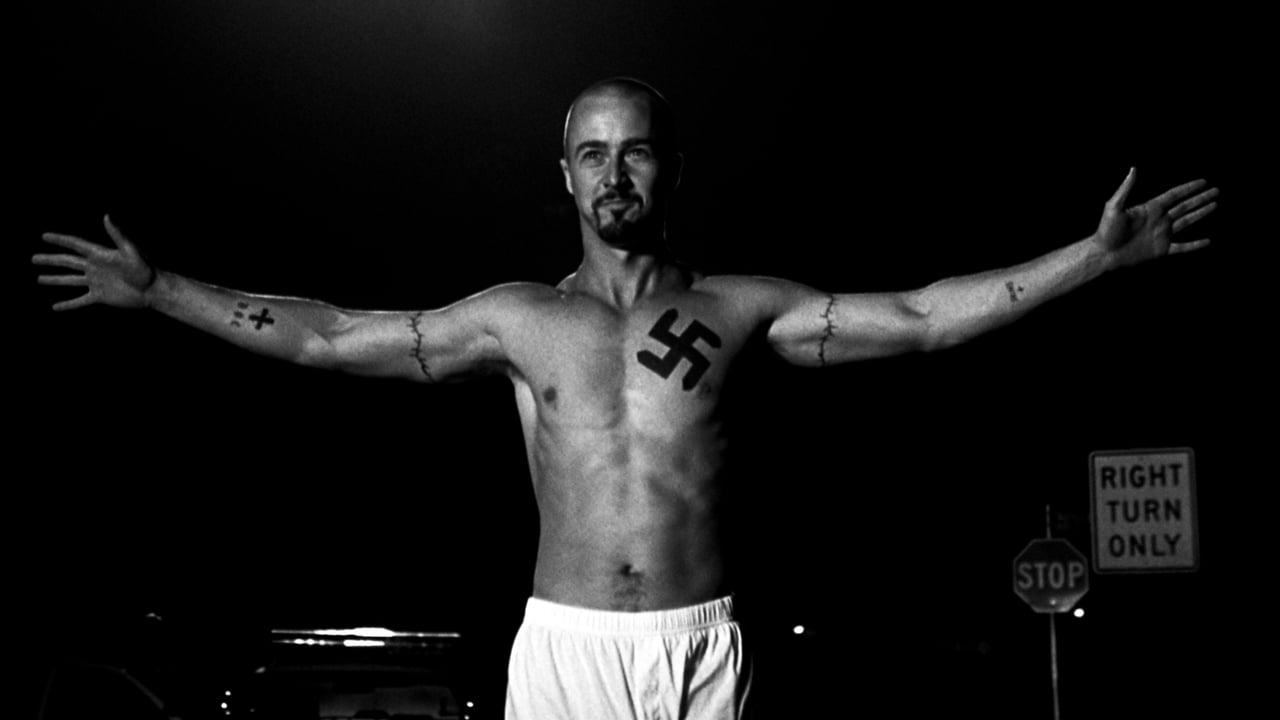
One of the most striking choices by director Tony Kaye—who also served as the cinematographer—was the decision to shoot the flashbacks in stark, high-contrast black and white. In an era where 90s cinema was starting to lean heavily into the saturated "music video" aesthetic, this felt like a throwback to neo-realism.
To me, the B&W isn't just a stylistic flourish; it represents Derek’s worldview at the time. Everything was binary. Black and white. Us and them. Right and wrong. When the film shifts to the muted, hazy colors of the present day, it signals that Derek has entered the "gray" area of reality, where the consequences of his actions are messy and unavoidable. Tony Kaye’s cinematography is the real MVP here, even if he acted like a petulant toddler during the post-production process.
Speaking of that process, the behind-the-scenes drama of this film is legendary. Kaye famously clashed with New Line Cinema and Norton over the final cut. Kaye wanted a leaner, more abstract film; the studio (and reportedly Norton) wanted a more emotional, character-driven narrative. Kaye grew so frustrated that he tried to have his name removed from the credits and replaced with "Humpty Dumpty." He even brought a rabbi, a priest, and a monk to a meeting with the studio head to mediate. Looking back, the version we got—the "Norton Cut"—feels definitive. It has a narrative heartbeat that keeps the heavy themes from feeling like a dry sociology lecture.
The Legacy of the Curb
There’s a lot of discussion about whether American History X is "redemptive." I’m not sure it is, and I think that’s why it still works. It doesn't offer a "we are the world" hug at the end. Instead, it suggests that hate is a self-sustaining cycle that is incredibly difficult to break once the gears start turning.
The film arrived during the "Indie Renaissance" of the late 90s, a time when studios were actually willing to put $20 million behind a grim, R-rated drama about systemic racism. It feels like a product of its time—the grainy film stock, the post-Rodney King anxieties of Los Angeles—yet its depiction of how internet-age radicalization begins (via charismatic influencers and fringe groups) feels chillingly prophetic.
Ethan Suplee is genuinely disturbing as Seth, the loyal foot soldier who stayed behind while Derek was in prison. He represents the banality of evil—the guy who just wants to belong to something, even if that "something" is built on a foundation of corpses. The scenes in the skinhead "party" house are some of the most uncomfortable in the film, capturing a subculture that feels both pathetic and dangerous.
American History X is not an easy watch, nor is it a "fun" five minutes of your time. But it is essential. It’s a masterclass in how a performance can anchor a film’s moral compass, and how visual storytelling can elevate a script into something that feels like modern mythology. It reminds me that the choices we make don't just affect us—they create ripples that can drown the people we love most. If you can handle the intensity, it’s a film that stays with you long after the screen goes black.
Keep Exploring...
-
Fight Club
1999
-
Detachment
2011
-
Carlito's Way
1993
-
Schindler's List
1993
-

The Lion King
1994
-
The Shawshank Redemption
1994
-
The Usual Suspects
1995
-
Fargo
1996
-
Good Will Hunting
1997
-
L.A. Confidential
1997
-

American Beauty
1999
-
The Sixth Sense
1999
-
Mulholland Drive
2001
-

A Walk to Remember
2002
-
Forrest Gump
1994
-

Léon: The Professional
1994
-
Before Sunrise
1995
-

Braveheart
1995
-
Casino
1995
-

Dilwale Dulhania Le Jayenge
1995