Babe: Pig in the City
"A kind heart in a cruel, concrete world."
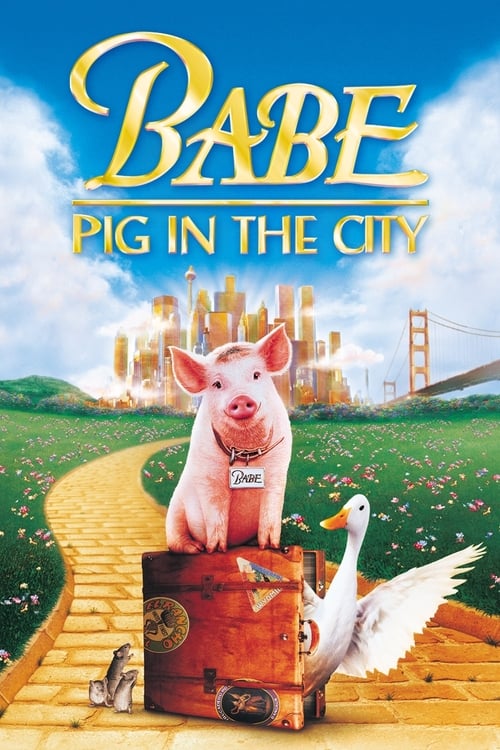
If you walked into a theater in 1998 expecting a gentle romp through the clover with a talking pig, you were likely treated to the most magnificent tonal whiplash of the decade. Babe: Pig in the City didn’t just leave the farm; it jumped off a cliff into a swirling, neon-lit, Expressionist fever dream that felt more like Blade Runner than Charlotte’s Web. At the time, audiences stayed away in droves, terrified by the trailers or perhaps just confused why the director of Mad Max was suddenly putting a tuxedo on a chimpanzee.
I recently rewatched this while nursing a lukewarm cup of peppermint tea—the bag had ripped, so I was occasionally filtering tea leaves through my teeth—and I realized that we collectively failed this movie. It’s not just a sequel; it’s a high-art anomaly that shouldn't exist. It’s a G-rated version of Dante’s Inferno with more snouts.
The Master of the Apocalypse Goes to the City
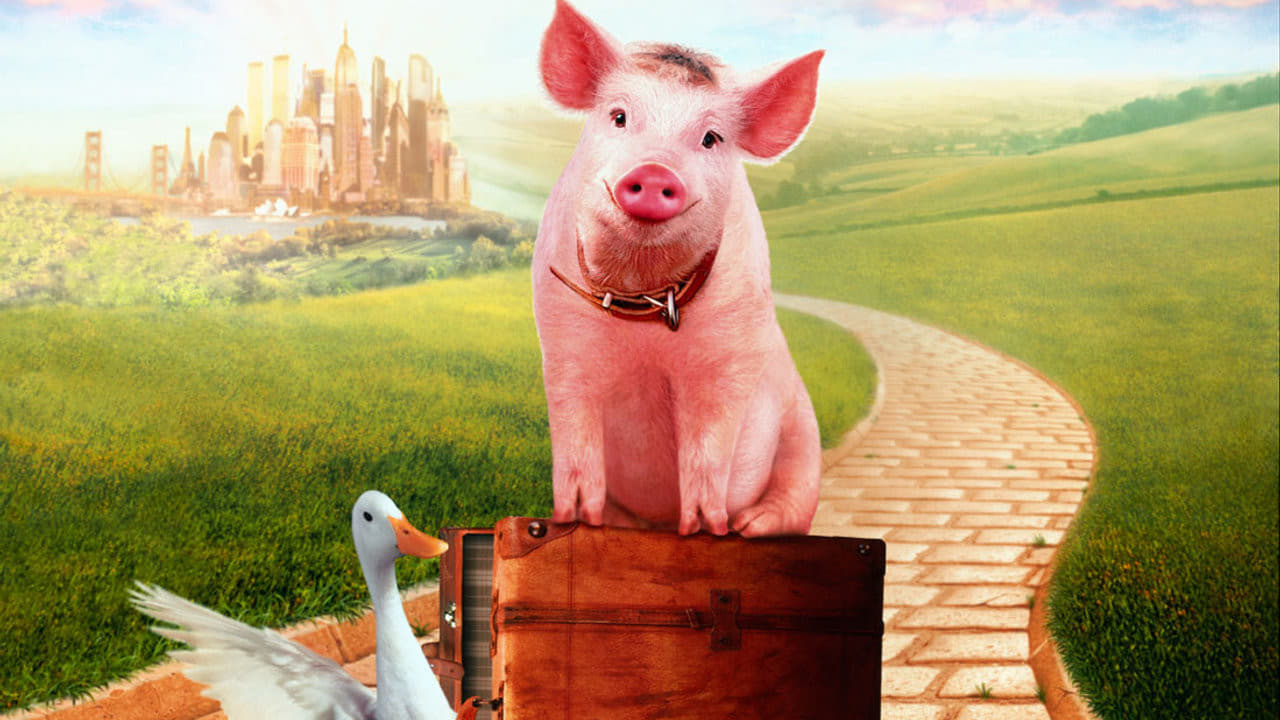
When Universal gave George Miller $90 million to follow up the 1995 smash hit Babe, they probably expected more sheep-herding and polite "Baa-ram-eus." Instead, Miller (fresh off his Mad Max: Beyond Thunderdome (1985) success) crafted a sprawling, unnamed Metropolis that looks like every major city on Earth mashed into one. Look closely at the skyline and you’ll see the Eiffel Tower, the Sydney Opera House, and the Chrysler Building all competing for space.
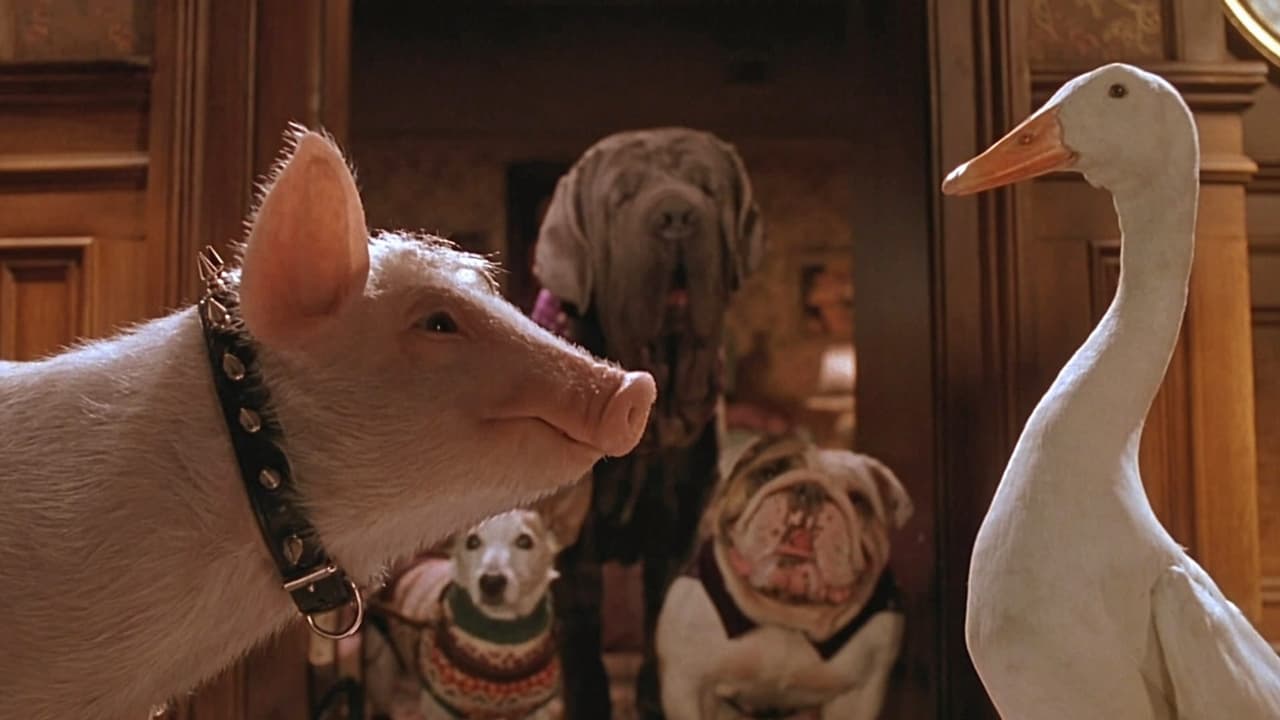
The plot kicks off with a shockingly dark accident involving James Cromwell’s Farmer Hoggett being crushed at the bottom of a well. To save the farm from foreclosure, the irrepressibly polite Mrs. Hoggett (Magda Szubanski) has to take Babe (E. G. Daily) to the city for a lucrative sheep-dog demonstration. Things go sideways immediately, landing them in a surreal hotel for animals run by the gaunt Miss Floom (Mary Stein).
The cinematography by Andrew Lesnie—who would later win an Oscar for The Lord of the Rings: The Fellowship of the Ring (2001)—is breathtaking. He treats the grimy hotel hallways and the flooded city streets with a golden-hour reverence that makes even the most harrowing scenes feel like a storybook. It’s a transition point in cinema where George Miller was pushing practical animal work to its absolute limit before the CGI revolution fully took over. The blend of real animals, animatronics, and digital "lip-sync" is still more convincing than the uncanny valley lions we get today.
The Pitbull and the Tragedy of Fugly Floom
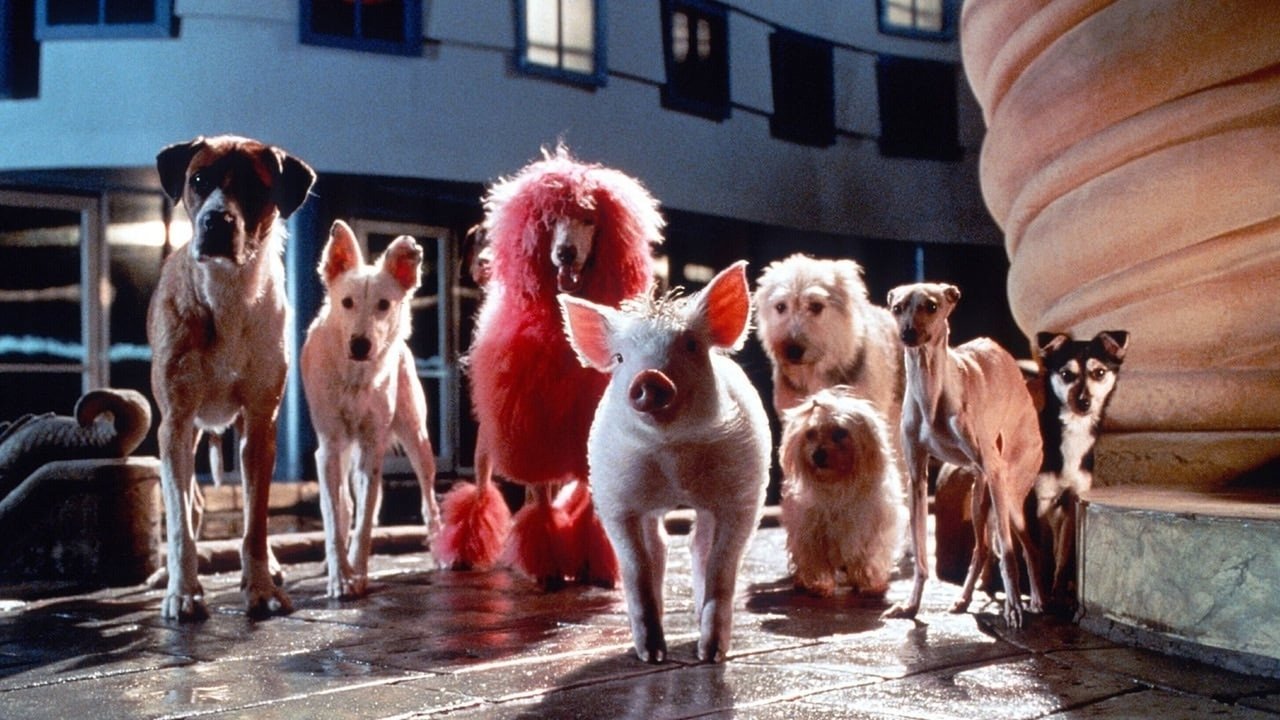
Drama, at its core, is about the preservation of the soul under pressure, and nothing tests Babe’s "kind and steady heart" like the Pitbull sequence. There is a scene where a Bull Terrier, played with terrifying intensity, is nearly drowned while chasing Babe. The pig saves his life, and the subsequent shift in the dog's loyalty is genuinely moving. E. G. Daily’s voice work is the secret weapon here; she imbues Babe with a radical, almost holy innocence that never feels saccharine.
Then there’s Mickey Rooney. Playing Fugly Floom, a silent, heartbroken clown, Rooney delivers a performance that feels like it belonged in a 1920s silent tragedy. His chemistry with the "Thelonious" the Orangutan (voiced by James Cosmo) is weirdly heartbreaking. It’s basically a silent film trapped inside a talking-animal comedy.
This is where the film's "Drama" tag earns its keep. The stakes for these animals—starvation, homelessness, and the "pink room" (a euphemism for the pound)—are treated with a weight that most family films are too cowardly to touch. When the hotel is raided and the animals are hauled away, the sequence is shot like a political thriller. It’s heavy stuff, but it makes the eventual triumph feel earned rather than manufactured.
Why It Vanished and Why You Should Find It
Babe: Pig in the City was a legendary box-office bomb, largely because it was impossible to market. Was it for kids? Was it an avant-garde art piece? It turns out it was both. It was released just as the internet was beginning to reshape movie discourse, and the word-of-mouth was "too scary." It also ran head-first into a little movie called A Bug's Life, which offered a much safer, digital distraction.
What’s fascinating looking back is how much this film serves as a bridge. You can see the DNA of George Miller’s future masterpiece Mad Max: Fury Road (2015) in the kinetic energy of the chase scenes. The way the monkeys move, the chaotic choreography of the finale—this is a director who treats every frame as an opportunity for visual storytelling. Danny Mann and the rest of the voice cast give these creatures distinct, flawed personalities that elevate them from mere props to tragic figures.
If you can find the DVD—or if you’re lucky enough to find a high-def stream—pay attention to the score by Nigel Westlake. It’s orchestral, grand, and surprisingly operatic. It treats a pig trying to find a lost earring with the same gravity as a king reclaiming his throne.
The film ends not with a joke, but with a simple act of grace. It reminds me that in the late 90s, studios were still willing to take massive, expensive risks on a singular directorial vision, even when that vision involved a chimpanzee in a Hawaiian shirt. It’s weird, it’s occasionally uncomfortable, and it is visually unparalleled in the genre of family adventure. If you haven't visited this city lately, it’s time to go back. Just mind the monkeys.
Keep Exploring...
-

Babe
1995
-

Happy Feet Two
2011
-
Happy Feet
2006
-

The Swan Princess
1994
-
Osmosis Jones
2001
-
Holes
2003
-
Major Payne
1995
-
Jimmy Neutron: Boy Genius
2001
-
Big Fat Liar
2002
-
101 Dalmatians II: Patch's London Adventure
2003
-

Sahara
2005
-

The Ant Bully
2006
-
Shrek the Halls
2007
-

Speed Racer
2008
-

The Pirates! In an Adventure with Scientists!
2012
-

Wizards of Waverly Place: The Movie
2009
-

DuckTales: The Movie - Treasure of the Lost Lamp
1990
-
Teenage Mutant Ninja Turtles II: The Secret of the Ooze
1991
-
Last Action Hero
1993
-
Jingle All the Way
1996