Buffalo '66
"A family reunion so bad, you’ll need a hostage."
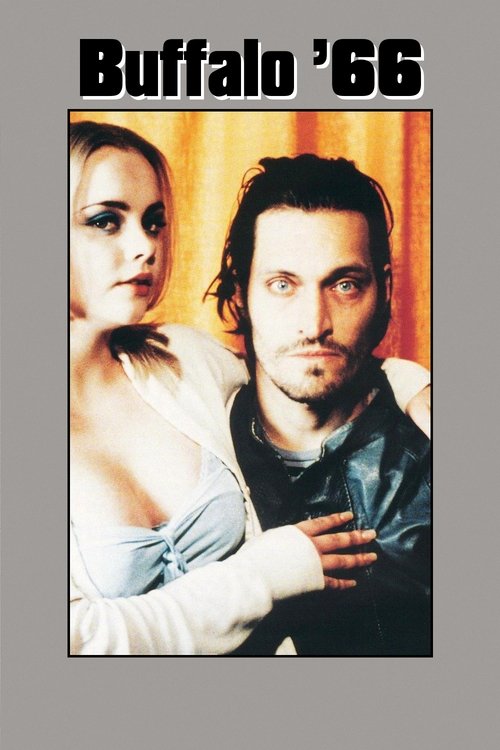
I first watched Buffalo '66 on a laptop with a cracked screen that made Vincent Gallo’s face look even more jagged and desperate than usual, which, honestly, felt like the intended experience. It’s the kind of movie that feels like it was filmed inside a slightly damp wool coat. If you’ve ever wanted to witness the cinematic equivalent of a roadside diner’s last cup of coffee—bitter, dark, but strangely vital—this is your film.
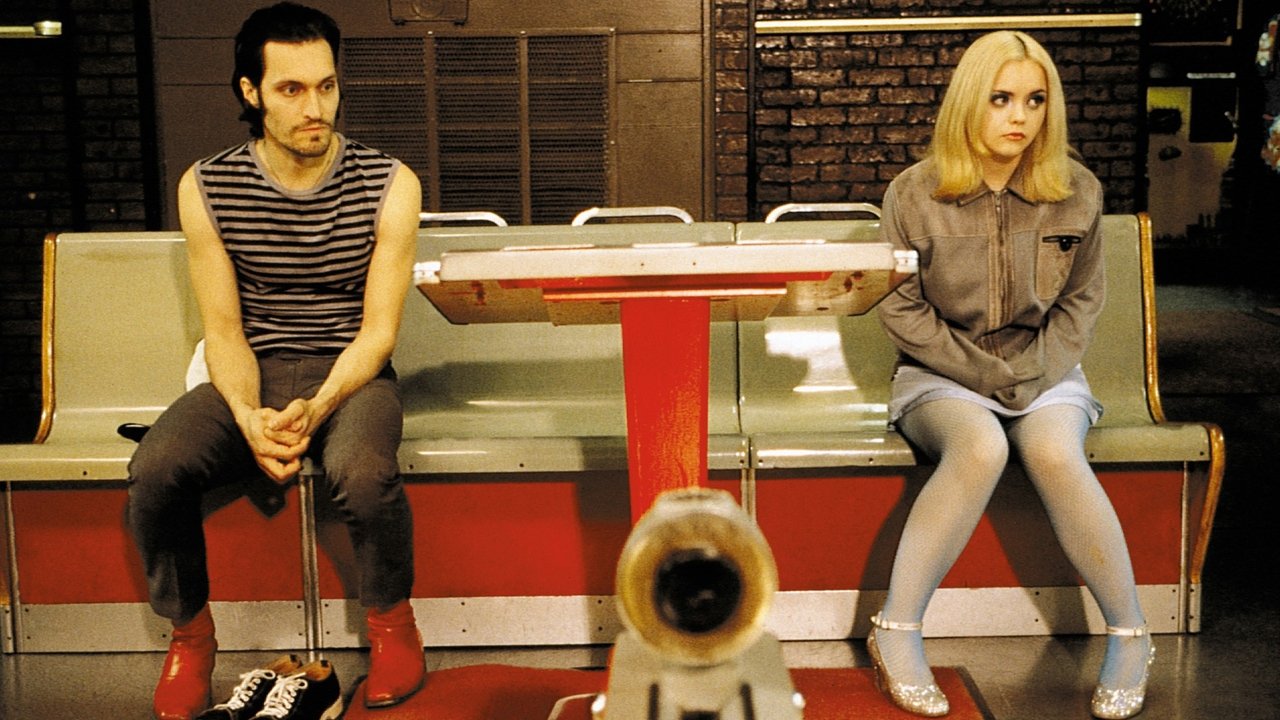
Released in 1998, smack in the middle of the Sundance-fueled indie boom, this movie is the definition of a passion project. Gallo didn’t just direct it; he wrote it, scored it, and starred in it as Billy Brown, a man who has just spent five years in prison for a crime he didn’t commit, only to realize his biggest problem is that his mother really, really hates him for making her miss a Buffalo Bills game.
The Art of the High-Contrast Meltdown
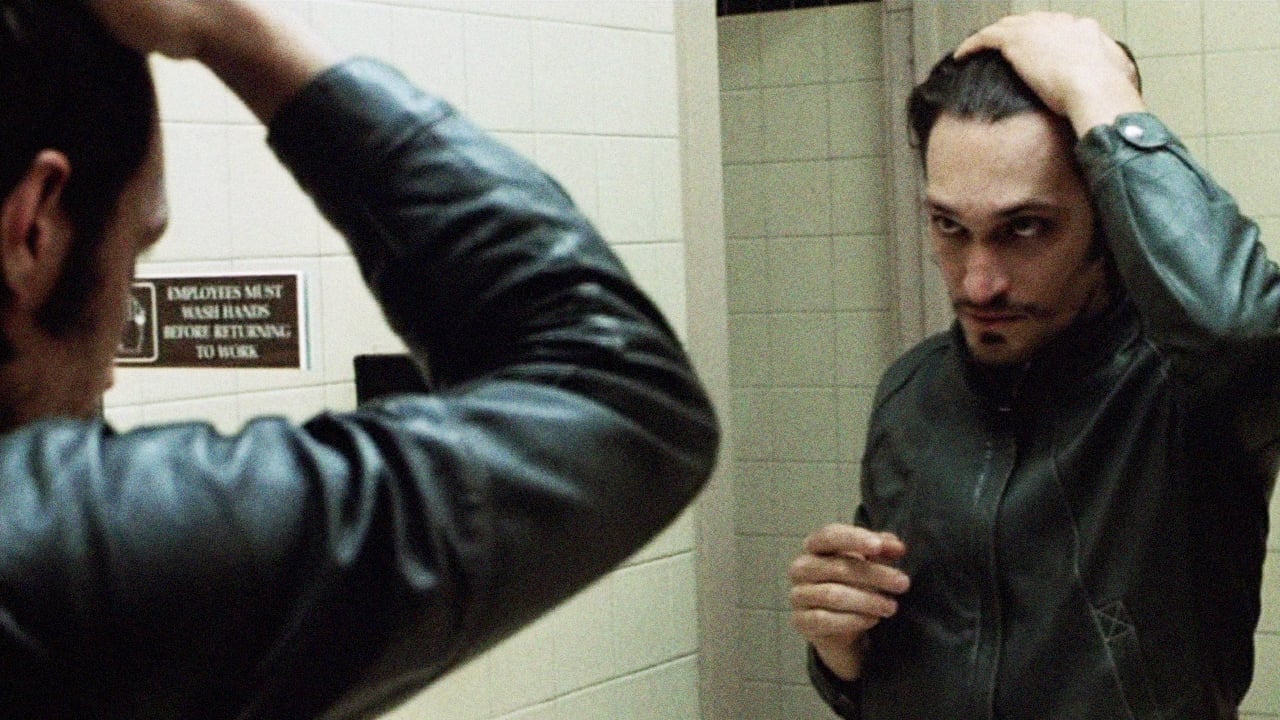
The first thing you notice about Buffalo '66 is how it looks. Gallo used a specific type of 35mm reversal film stock (the kind used for slides) that gives the colors a punchy, high-contrast, almost sickly vibrance. It makes the winter landscapes of Buffalo, New York, look like a vintage postcard found in a gutter. It’s a bold aesthetic choice that perfectly mirrors Billy’s mental state: brittle, frozen, and completely out of sync with the world.
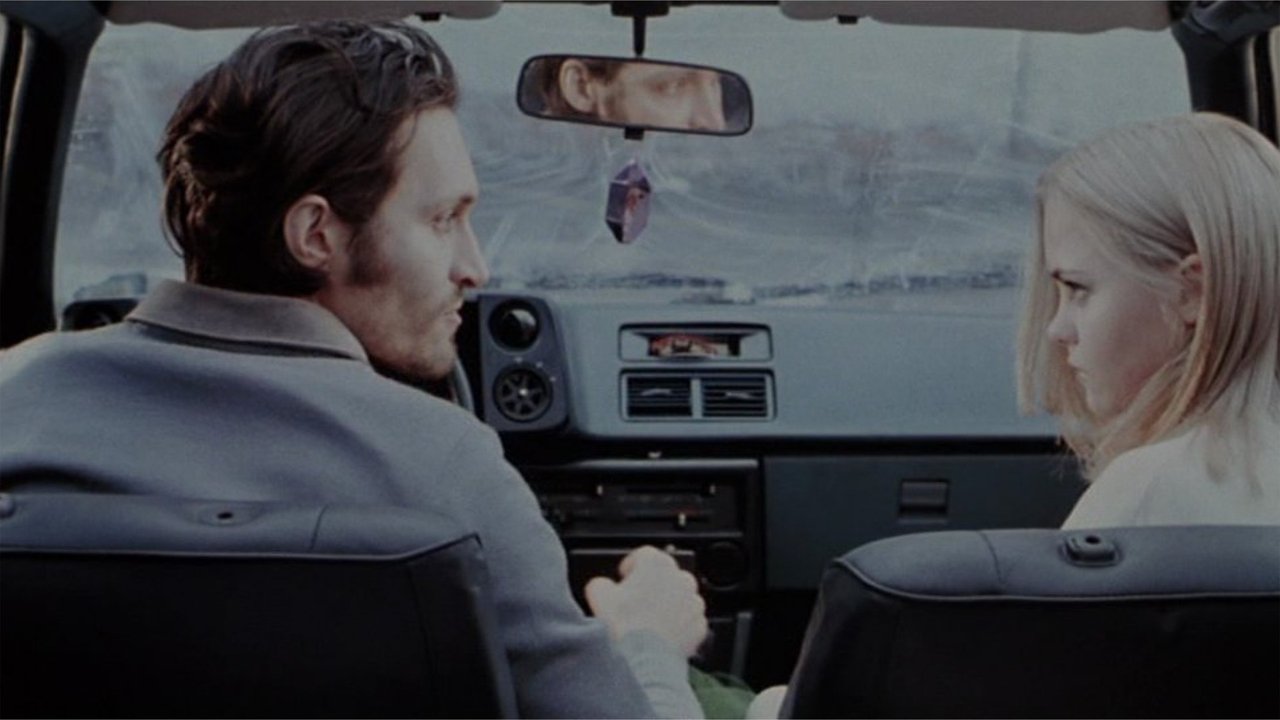
Billy is not a hero. He is, to put it mildly, a walking disaster area. Upon his release, he desperately needs to pee and can’t find a bathroom—a sequence that manages to be both agonizing and hilarious. In his frantic quest to impress his neglectful parents, he kidnaps a girl named Layla (Christina Ricci) from a dance class and forces her to pretend to be his wife, "Wendy Balsam."
Now, on paper, this sounds like a grim thriller. But in Gallo’s hands, it becomes a bizarrely tender, deadpan comedy. Vincent Gallo is essentially playing a very angry, very stylish raccoon. His Billy Brown is a ball of neuroses and misplaced aggression, yet somehow, you find yourself rooting for him to just get a single hug.
A Hostage Situation with Tap Shoes
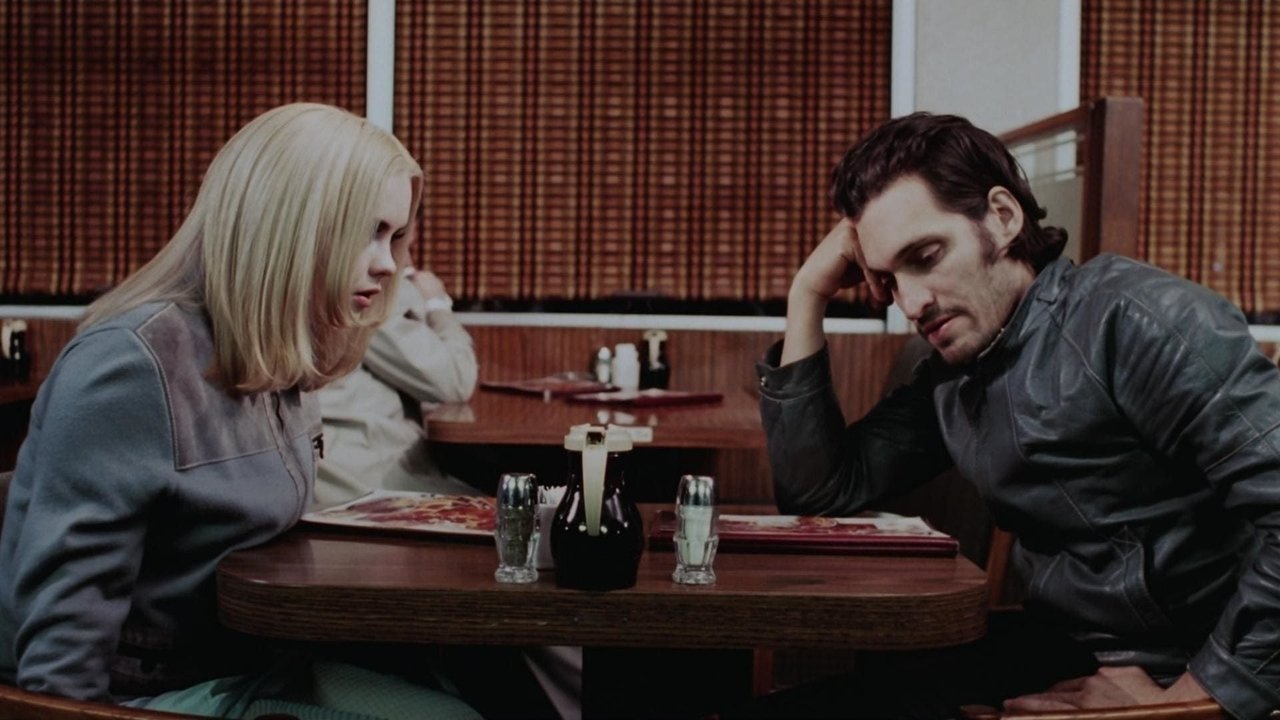
The real miracle of this movie is Christina Ricci. At just seventeen, she gives a performance that serves as the film's beating heart. As Layla, she doesn't react to her kidnapping with terror, but with a kind of dreamy, bored curiosity. She sees through Billy’s bravado immediately. While he’s screaming about how he’s a "big shot," she’s just quietly observing his fragility.
The "tap dance" scene in the bowling alley is the moment everyone remembers, and for good reason. As King Crimson’s "Moonchild" plays on the jukebox, Layla performs a solo tap routine under a spotlight while Billy watches from the shadows. It’s a sequence that shouldn't work—it’s indulgent, weird, and stops the plot cold—but it captures a specific kind of lonely magic that you just don't find in studio-processed films. If you don’t find the bowling alley sequence charming, you might actually be a robot.
The chemistry between them is less "Stockholm Syndrome" and more "two weird kids against the world." Christina Ricci manages to be the adult in the room even while playing a teenager in glittery blue eye shadow, providing the warmth that Billy’s world so desperately lacks.
The Parents from Cinematic Hell
Speaking of a lack of warmth: the dinner scene. To understand why Billy is the way he is, we meet his parents, played with terrifying brilliance by Ben Gazzara and Anjelica Huston.

Huston is Jan Brown, a woman so obsessed with the Buffalo Bills that she literally doesn't remember Billy was born because she was watching a game. Gazzara is Jimmy Brown, a man who seems to communicate exclusively through crooning and casual cruelty. Watching them interact is like watching a slow-motion car crash. It’s painful, it’s cringeworthy, and it’s some of the best dark comedy of the 90s.
Gallo clearly had some things to work through regarding his own upbringing, and he leaves it all on the screen here. The film was famously difficult to shoot, with Gallo and Anjelica Huston clashing on set and the director reportedly being a total nightmare to work for. But that friction birthed something unique. The movie feels handmade—raw, messy, and deeply personal. It’s the antithesis of the polished, focus-grouped content we often see today.
Buffalo '66 is a reminder of a time when "independent film" meant a singular, prickly vision that didn't care if you liked it or not. It’s a movie about the desperate need to be seen, even by people who are incapable of looking. It’s weird, it’s aggressive, and it features Mickey Rourke in a brief, menacing role that reminds you why he was the king of the "disturbed guy" archetype.
Does it have its flaws? Sure. Gallo’s ego is visible in every frame, and the pacing can be as stubborn as its protagonist. But in a world of franchises and safe bets, this film remains a beautifully jagged piece of art. It’s a movie that starts with a kidnapping and ends with a chocolate heart, and somehow, by the time the credits roll, that feels like the most natural thing in the world. Put on your best silver boots and give it a watch. Just maybe keep a bathroom nearby.
Keep Exploring...
-
Secretary
2002
-
Chungking Express
1994
-
Beginners
2011
-
The First Time
2012
-

EverAfter
1998
-
Lost in Translation
2003
-
Imagine Me & You
2006
-
Chasing Amy
1997
-
As Good as It Gets
1997
-
Stepmom
1998
-
Blast from the Past
1999
-
Never Been Kissed
1999
-
High Fidelity
2000
-
About a Boy
2002
-
Punch-Drunk Love
2002
-

Something's Gotta Give
2003
-
The Postman
1994
-

Bend It Like Beckham
2002
-
The Spanish Apartment
2002
-
Love Me If You Dare
2003