Central Station
"Lost letters and a long road home."
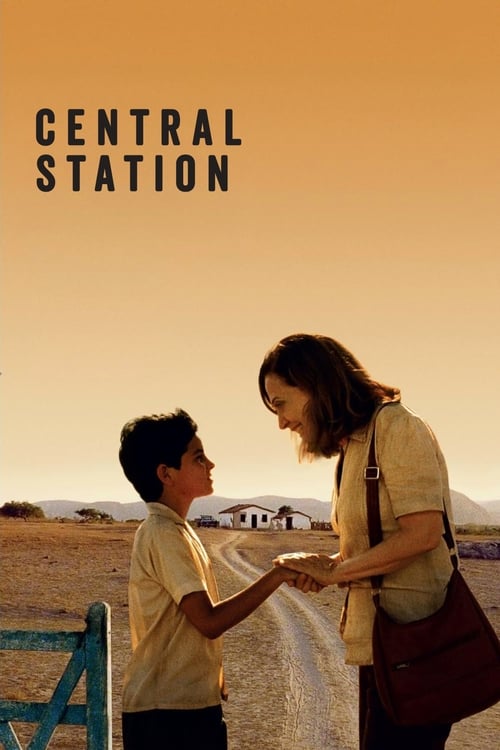
There is a specific kind of hum in a crowded train station—a vibrating mixture of desperation, transit, and the heavy silence of things left unsaid. In the late 1990s, before everyone had a supercomputer in their pocket to scream into the void, those silences were often filled by pen and paper. Walter Salles captures this perfectly in the opening of Central Station (1998), but he does it by introducing us to a protagonist who has effectively turned her heart into a stone.
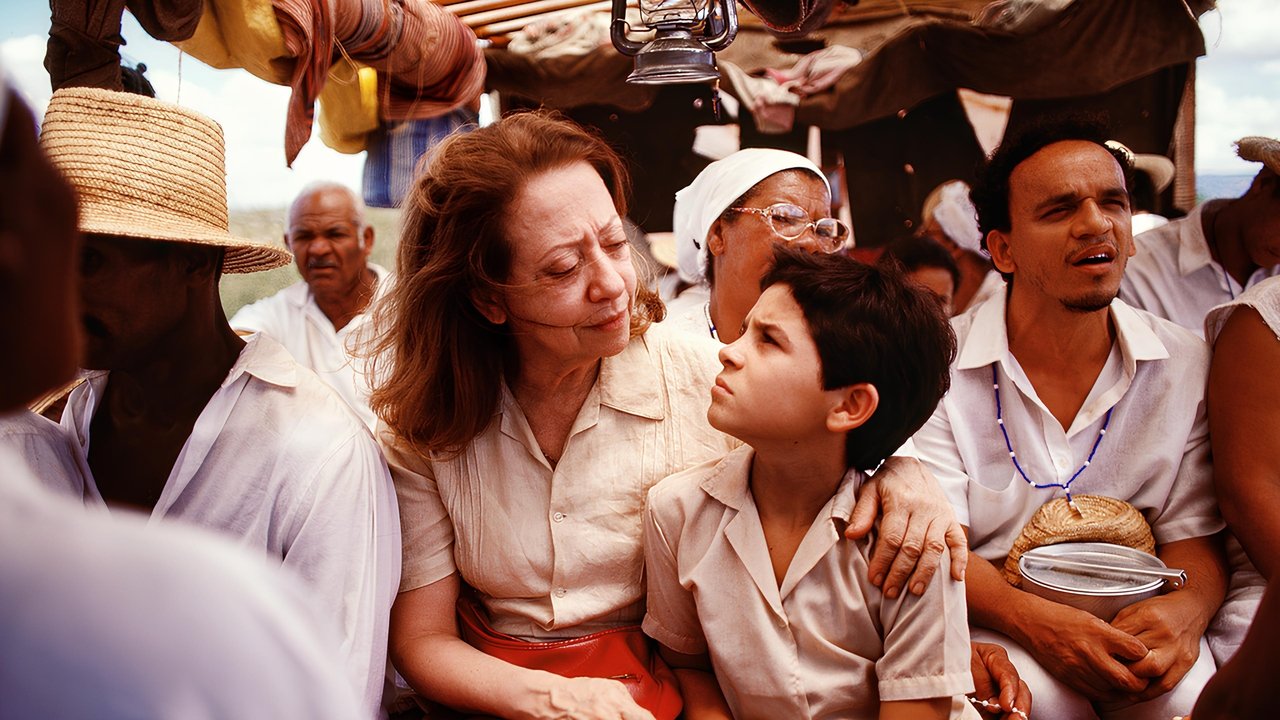
I watched this film on a Tuesday evening while my neighbor was loudly practicing the accordion, and strangely, the wheezing bellows of his instrument matched the rhythmic, clanking clatter of the Brazilian trains perfectly. It grounded me in a story that feels less like a movie and more like a collective memory of a country trying to find its own father.
The Purgatory of the Unwritten
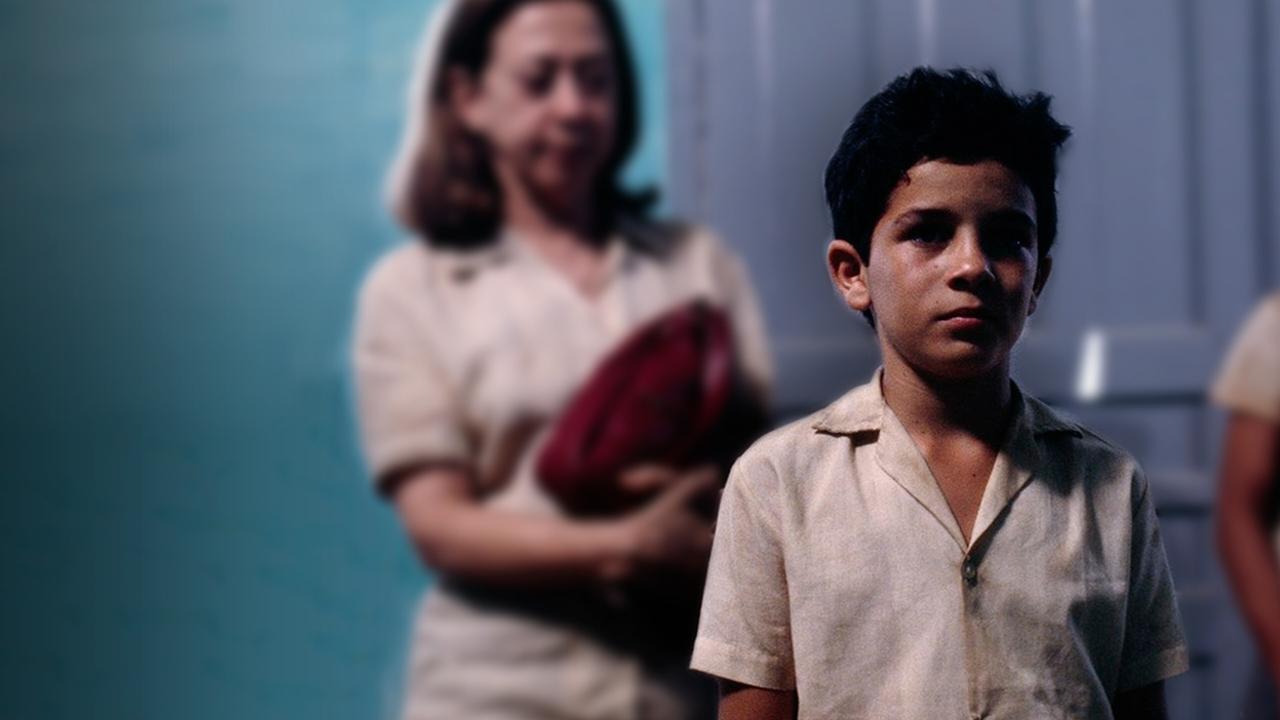
At the center of the chaos is Dora, played by the legendary Fernanda Montenegro with a face that looks like it was carved out of tired granite. Dora is a retired teacher who sits at Rio de Janeiro’s Central Station, charging a small fee to write letters for illiterate migrants who want to reach out to distant relatives. She is the gatekeeper of their hopes, but here is the twist: she rarely mails the letters. She judges them. She decides whose longing is worthy of a stamp and whose is just "trash."
It’s a cynical, almost cruel setup, but Fernanda Montenegro plays it with such weary pragmatism that you can't help but understand her. She isn't a villain; she’s just someone who has seen too much of the world's disappointment. This changed when Josué (Vinícius de Oliveira), a young boy whose mother is killed in a bus accident right outside the station, becomes an inconvenient weight on her conscience.
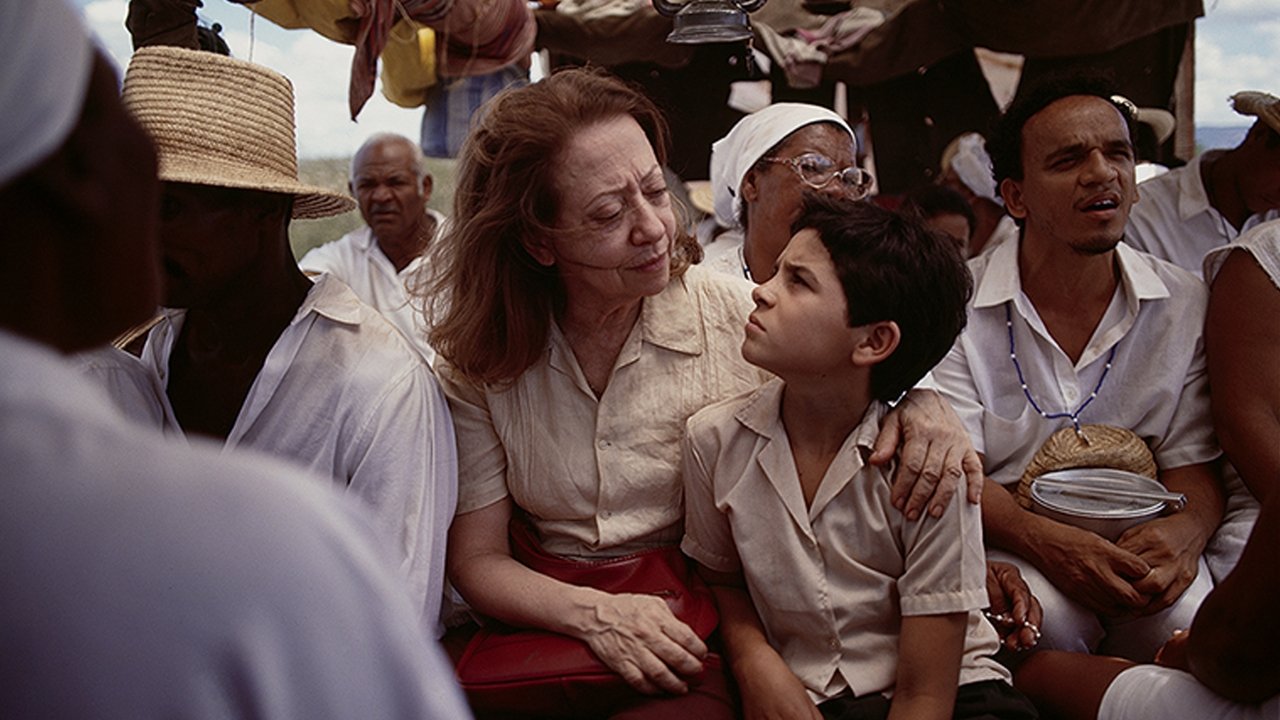
The film then shifts from a gritty urban drama into a sprawling road movie. Dora and Josué head into the Brazilian Northeast (the Sertão) to find the boy's father, a man who may or may not exist. Cynicism is just a shield for people who are tired of being disappointed, and watching Dora’s shield slowly crack as they move further from the city is some of the most rewarding character work of the 90s.
The Accidental Masterpiece
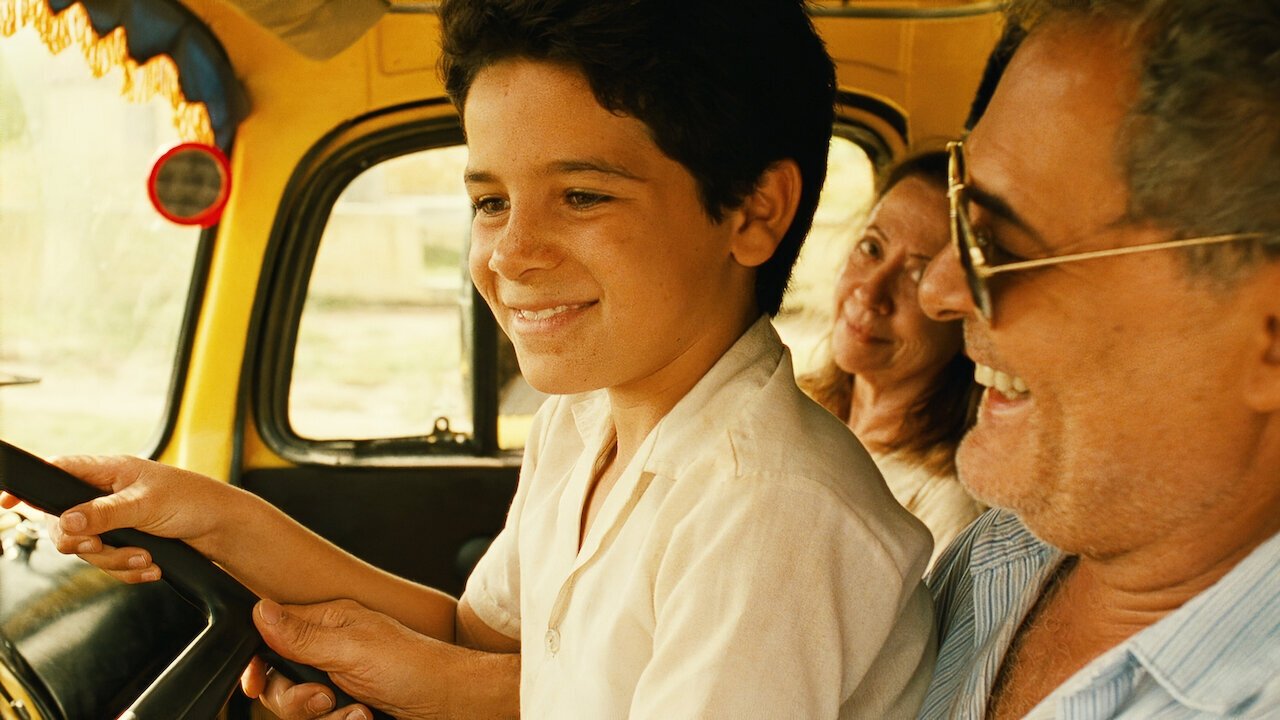
What makes Central Station an indie gem is the sheer level of authenticity baked into its production. This wasn't a studio-controlled environment with craft services and trailers. Walter Salles took a tiny $2.9 million budget and a skeleton crew into the heart of Brazil.
The trivia behind the casting is the stuff of cinema legend. Vinícius de Oliveira wasn't an actor; he was a nine-year-old boy polishing shoes at the Rio de Janeiro airport. He offered to polish Salles’ shoes, and when the director said he didn’t have any change, the boy offered to do it for free, saying he’d catch him next time. That spark of street-smart resilience was exactly what the film needed.
Furthermore, many of the people seen dictating letters in the station were not actors. They were actual passersby who didn't know they were being filmed for a fictional movie at first; they were simply told a woman was there to write their letters. When you see the raw emotion on their faces as they dictate messages to absent sons or long-lost lovers, you’re seeing the real soul of Brazil in 1998. It reminds me that Fernanda Montenegro was robbed of that 1999 Oscar by a pink dress and a Shakespearean marketing budget, and I will stand by that until the heat death of the universe.
A Search for Something Transcendent
Beyond the plot, the film asks a heavy philosophical question: In a world where people can’t read or write, do their stories even exist? Dora holds the power of existence in her desk drawer. By not mailing the letters, she is effectively erasing people. The journey to find Josué’s father becomes a metaphor for the boy—and perhaps the audience—trying to write themselves into the world.
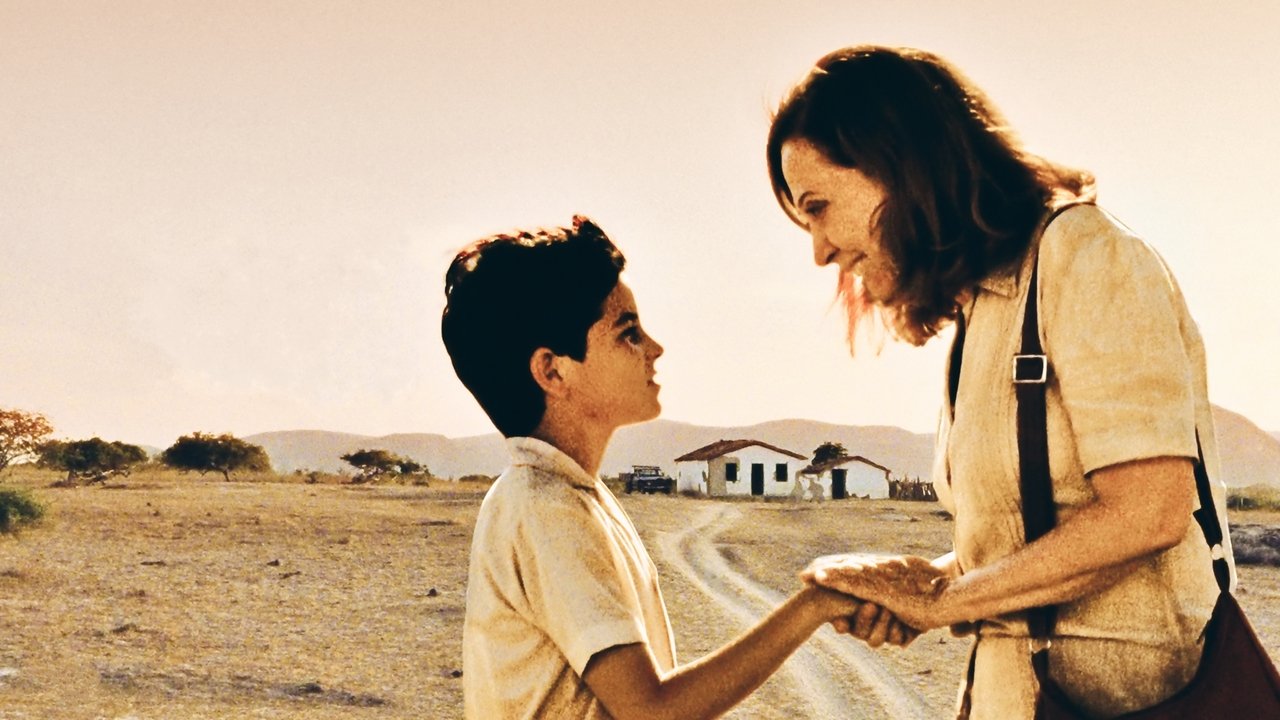
The cinematography by Walter Carvalho avoids the "poverty porn" trap that many international dramas fall into. Instead of focusing on the grime, he focuses on the light. As they move into the interior, the colors shift from the oppressive greys of the station to the vibrant, dusty yellows and deep blues of the countryside. It’s a visual representation of a soul waking up.
The chemistry between Fernanda Montenegro and Vinícius de Oliveira is the engine. It’s prickly, honest, and entirely devoid of the sugary sentimentality that Hollywood usually injects into "grumpy adult meets precocious kid" stories. They don't always like each other, which makes the moments where they finally see each other feel earned rather than manipulated.
Central Station is a reminder of what independent cinema could achieve during the transition from the analog 90s to the digital 2000s. It’s a film that demands you slow down and look at the faces of the people you usually walk past. It doesn't offer easy answers or a magical reunion, but it offers something better: the idea that even a heart turned to stone can eventually start to beat again if it’s rattled by enough train tracks. If you’ve ever felt like a letter waiting to be mailed, this one is for you.
Keep Exploring...
-
The Postman
1994
-
The Celebration
1998
-
Bowling for Columbine
2002
-
Good Bye, Lenin!
2003
-
Night on Earth
1991
-

Mysterious Skin
2005
-

Like Stars on Earth
2007
-
The Man from Earth
2007
-
Before Midnight
2013
-

Short Term 12
2013
-

I Origins
2014
-
Mommy
2014
-
The Motorcycle Diaries
2004
-
Before Sunrise
1995
-
La Haine
1995
-
A Dog's Will
2000
-
In the Mood for Love
2000
-

I'm Still Here
2024
-
Chungking Express
1994
-

The Adventures of Priscilla, Queen of the Desert
1994