City of Angels
"To feel everything, you have to lose everything."
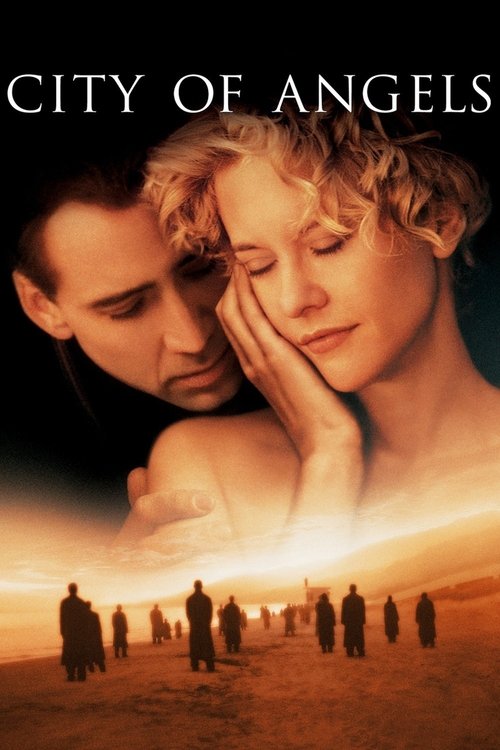
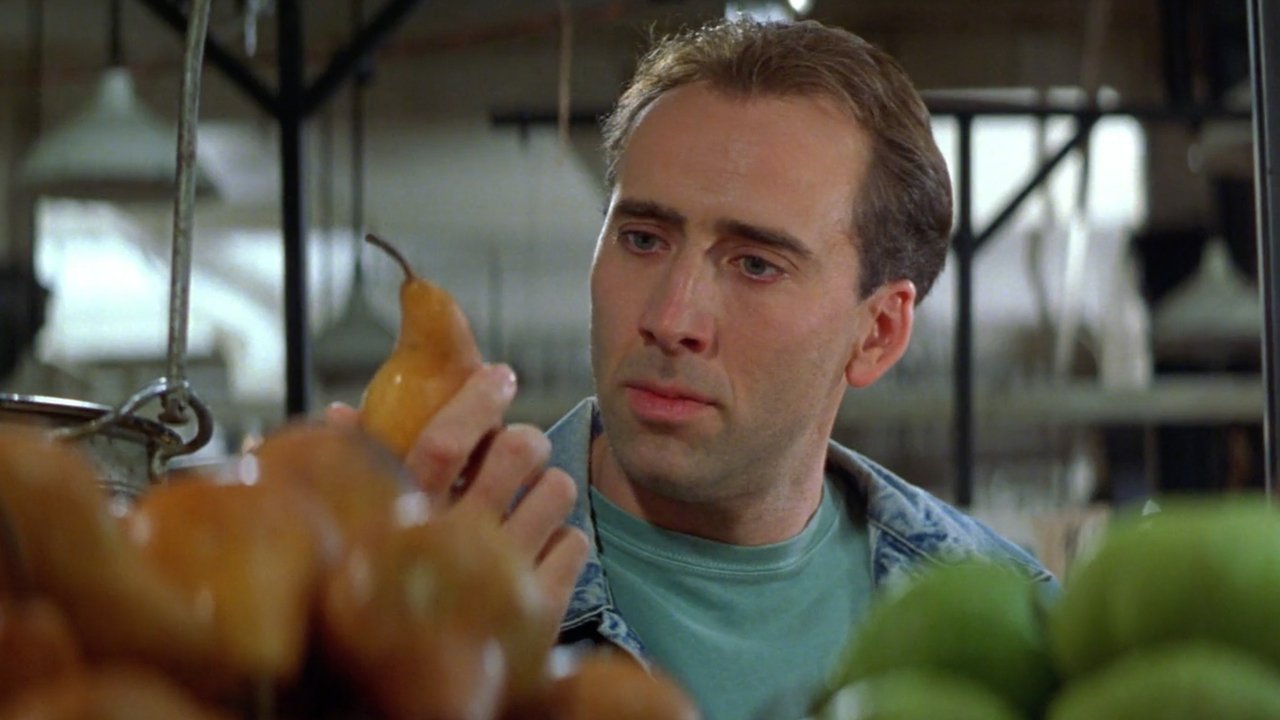
Standing on the edge of a skyscraper, draped in a heavy black overcoat while staring blankly into the distance, used to be the universal cinematic shorthand for "I am a supernatural being with a lot on my mind." In 1998, Nicolas Cage owned that look. Long before he became the king of unhinged internet memes, Cage was a master of the soulful, unblinking stare. In City of Angels, he plays Seth, a celestial being who spends his days listening to the thoughts of the citizens of Los Angeles and his evenings watching the sunset at the beach with a legion of other angels.
I recently revisited this one on a rainy Tuesday while eating a slightly stale bag of pretzels I found in the back of my pantry, and I was struck by how much of a time capsule it truly is. It represents a very specific window in late-90s Hollywood where we were obsessed with earnest, high-concept tearjerkers. It’s a film that asks us to believe that a heart surgeon would find a guy standing motionless in a library for six hours "mysterious" rather than "a reason to call security."
The Chemistry of a Mortal Meltdown
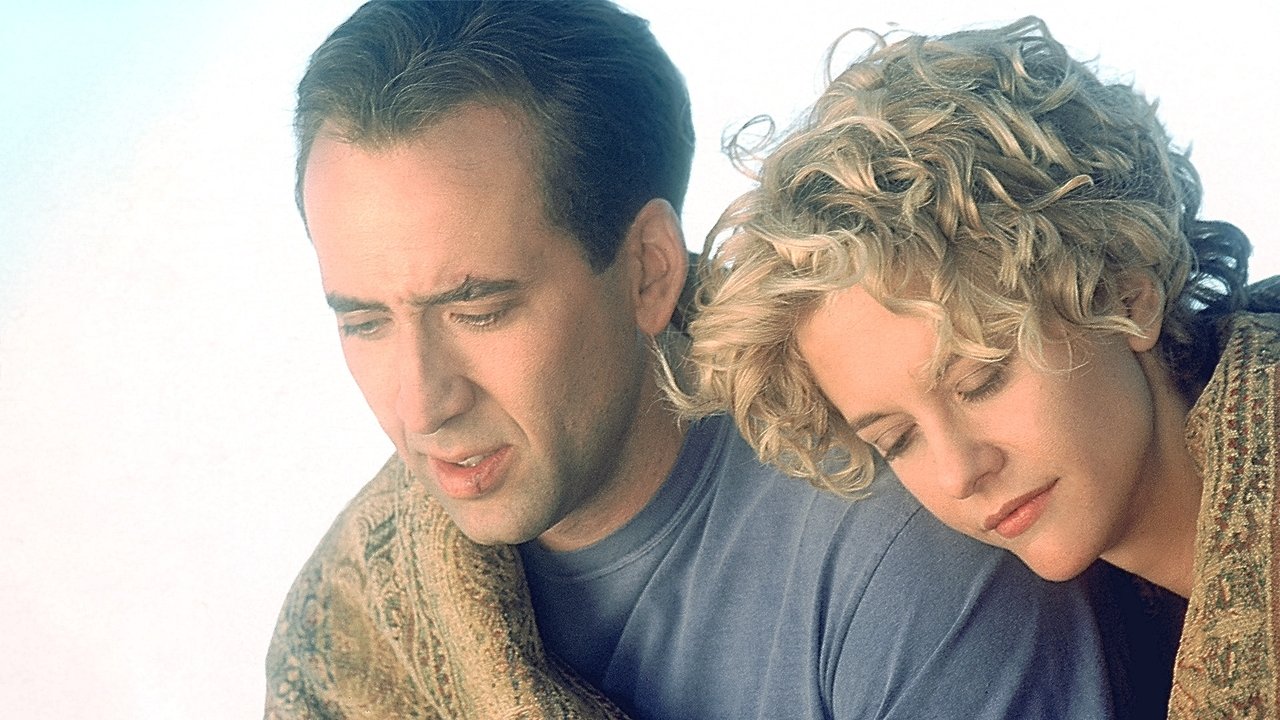
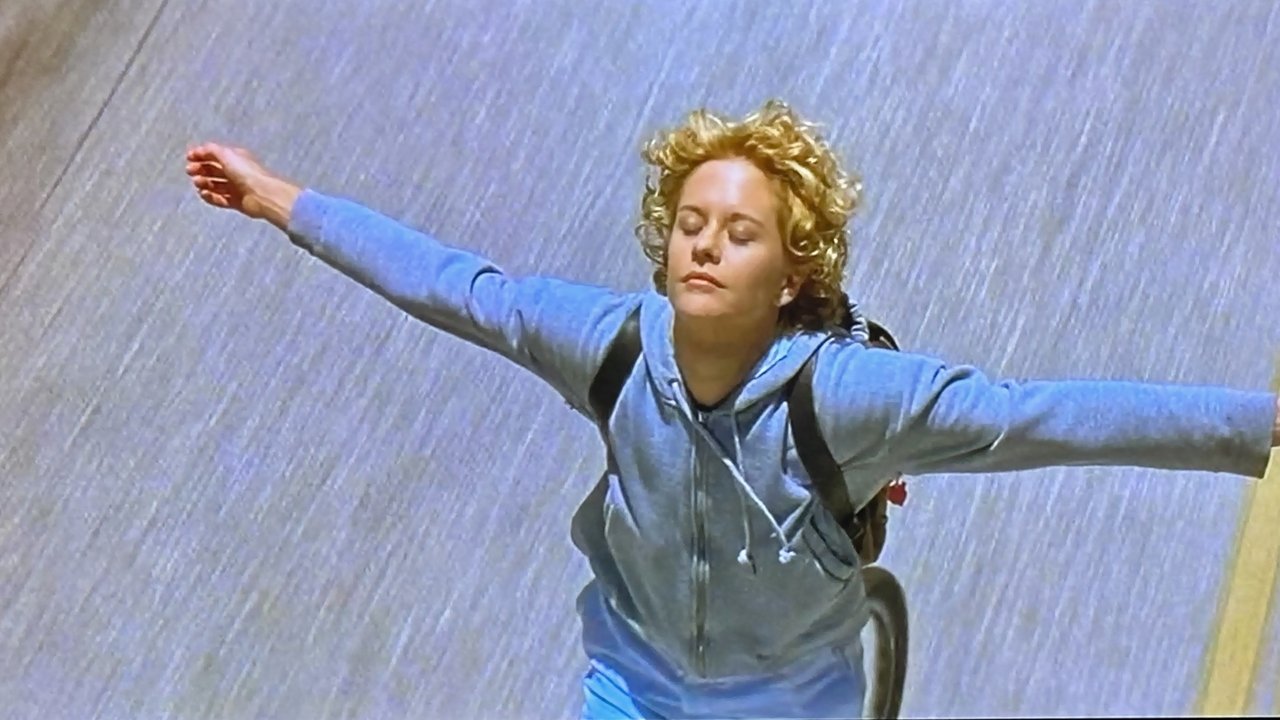
The movie works because of the central friction between Nicolas Cage and Meg Ryan. At the time, Meg Ryan was the undisputed queen of the romantic comedy, but here she pivots to a more grounded, fragile role as Dr. Maggie Rice. She’s a pragmatic scientist who hits an existential wall when a patient dies on her table for no apparent reason. Cage’s Seth watches her grief and, quite literally, falls for her.
Their chemistry is a slow burn of whispers and lingering looks. Cage plays Seth with a curious, childlike stillness that should be creepy but ends up being oddly endearing. When he starts showing up in her peripheral vision, it doesn't feel like a supernatural thriller; it feels like a man trying to understand the concept of a "vibe." Meg Ryan brings a frantic, human energy that balances his ethereal calm. Watching her try to rationalize her attraction to a man who doesn't blink or eat is the highlight of the script by Dana Stevens. I’m convinced that Seth’s trench coat is the true MVP of the costume department, somehow remaining pristine despite him lounging in construction sites and dusty libraries.
A Soundtrack That Conquered the World
You cannot talk about City of Angels without talking about the cultural behemoth that was its soundtrack. This film was a massive commercial success, raking in nearly $200 million, but its legacy is inextricably tied to the Goo Goo Dolls' "Iris" and Alanis Morissette’s "Uninvited." In 1998, you couldn't enter a grocery store or turn on a radio without hearing John Rzeznik singing about not wanting the world to see him.
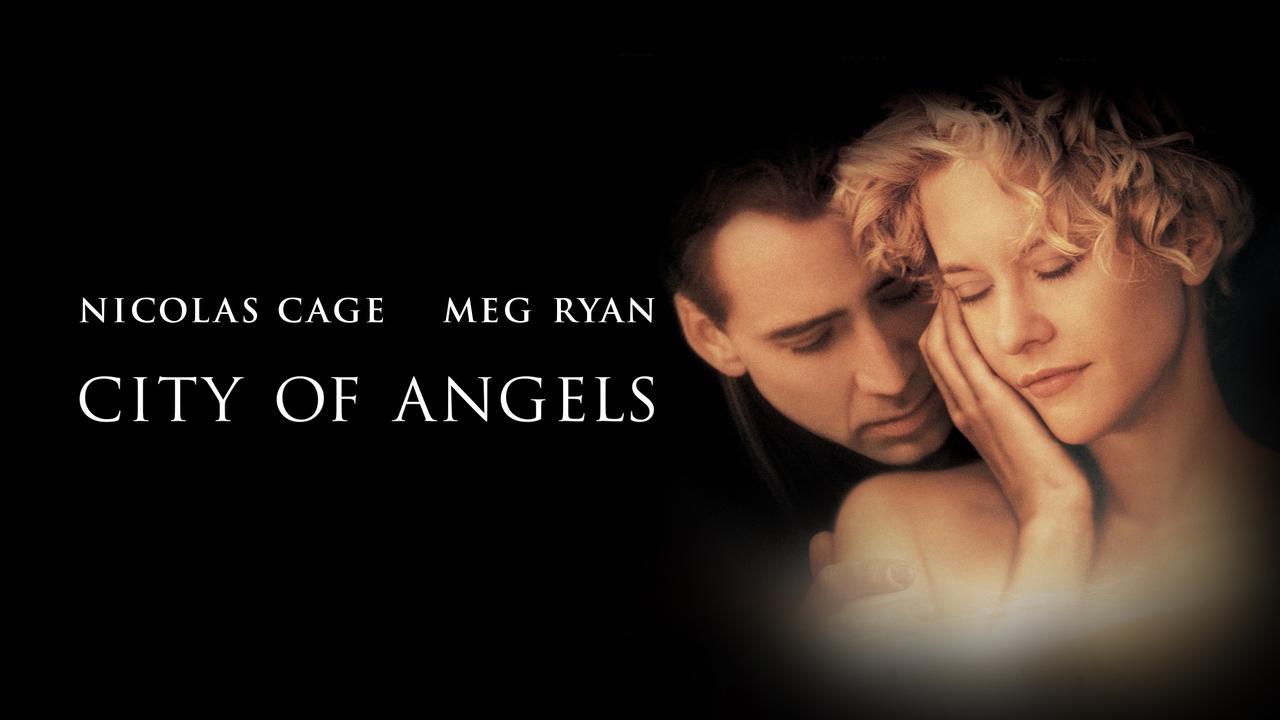
The film, directed by Brad Silberling (Casper), uses these songs to amplify the "big feelings" of the era. This was the peak of the "Blockbuster Drama," where the budget was high, the cinematography by John Seale (The English Patient) was lush and golden, and the emotional stakes were life or death. It’s a remake of Wim Wenders' 1987 masterpiece Wings of Desire, but it strips away the Cold War grit of Berlin and replaces it with the hazy, sun-drenched melancholy of California. While purists might scoff at the Hollywood-ification of the original, I find the transition fascinating. It’s a film that leans into its own sentimentality with zero apologies.
The Support of the Supernatural
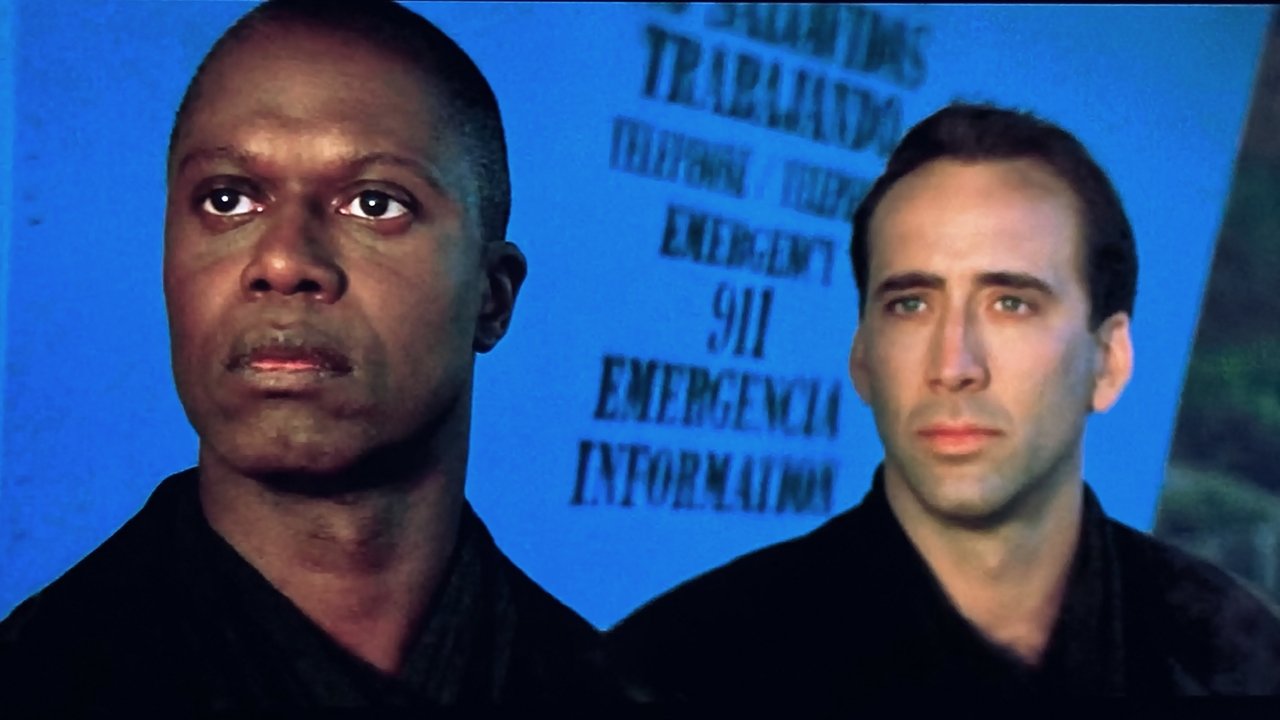
While the romance takes center stage, the supporting cast provides the much-needed connective tissue. The late Andre Braugher (Brooklyn Nine-Nine) as Cassiel brings a dignified, slightly weary weight to the role of Seth's angelic companion. His voice alone adds a layer of authority to the celestial world-building.
Then there’s Dennis Franz (NYPD Blue) as Nathaniel Messinger, a patient who can see the angels because he used to be one. Franz is fantastic here; he provides the "human" element that Seth is so desperate to experience. Watching him describe the joy of eating a pear or feeling the "zip" of a cigarette is some of the most effective writing in the film. He’s the one who tells Seth that the transition—the "fall"—is worth it. It’s a performance that grounds the high-concept fantasy in something messy and tactile. I once tried to replicate the "angel stare" in a grocery store and nearly got pepper-sprayed by a woman buying kale, which just goes to show that some things only work if you have the lighting budget of a major studio.
A Controversial Descent
Then, there’s the ending. Without spoiling the specifics for the uninitiated, let’s just say that the ending is a middle finger to anyone who wanted a happy weekend. It’s a bold, polarizing choice that shifts the film from a standard romance into a tragedy about the fleeting nature of life. Looking back, it’s a ballsy move for a big-budget studio film. It forces the audience to confront the idea that Seth’s choice wasn't about a "happily ever after," but about the value of a single moment of human experience.
Does it hold up? Mostly. Some of the early digital effects used to show the angels’ "true nature" look a bit dated, and the pacing can feel a bit sluggish in the middle. But as a testament to 90s earnestness and the power of a really good power ballad, it remains a heavyweight. It’s a movie that wants you to feel everything, and even if it’s a bit manipulative, it earns its tears through the sheer commitment of its leads.
City of Angels is a beautifully shot, unapologetically emotional relic of a time when Hollywood wasn't afraid to spend $55 million on a movie about the philosophy of touch and the taste of a piece of fruit. It features Nicolas Cage at his most soulful and Meg Ryan at her most vulnerable. It might be a bit "much" for those who prefer their romance with a side of irony, but for those of us who remember the "Iris" music video playing on a loop, it’s a trip worth taking back to the end of the millennium.
Keep Exploring...
-
The Family Man
2000
-
Phenomenon
1996
-

Shallow Hal
2001
-
Casper
1995
-

The Twilight Saga: New Moon
2009
-

The Twilight Saga: Eclipse
2010
-

The Twilight Saga: Breaking Dawn - Part 2
2012
-
Ghost
1990
-
Forever Young
1992
-
Meet Joe Black
1998
-
What Dreams May Come
1998
-
The Legend of Bagger Vance
2000
-
Twilight
2008
-

17 Again
2009
-
Interview with the Vampire
1994
-
Jerry Maguire
1996
-
As Good as It Gets
1997
-
Stepmom
1998
-
The Horse Whisperer
1998
-
Entrapment
1999