Cube
"Six strangers. Millions of rooms. No way out."
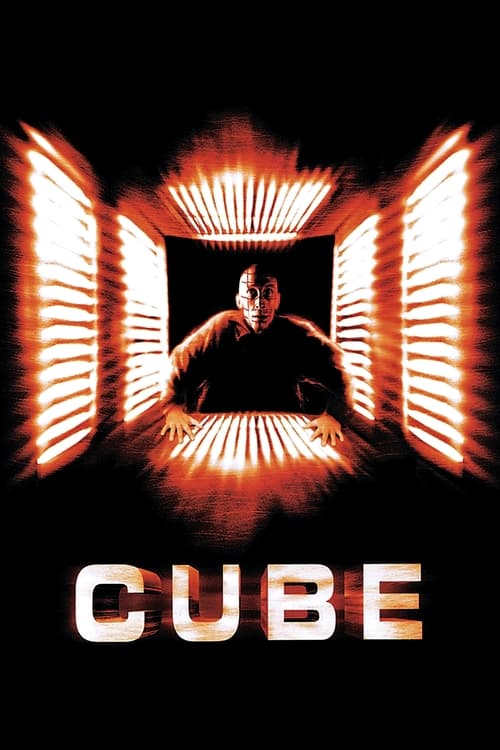
Long before "escape rooms" became a corporate team-building nightmare where Carol from HR yells at you for not finding a hidden key, there was Vincenzo Natali’s Cube. It is the ultimate 1990s high-concept exercise—a movie that does more with one room, some colored gels, and a few sliding panels than most modern blockbusters do with $200 million and a server farm of CGI. I watched this for the first time on a flickering CRT monitor while trying to ignore my roommate’s pet ferret scratching at a cardboard box, which actually added a layer of 4D immersion I didn’t ask for.
The Ultimate Indie Hustle
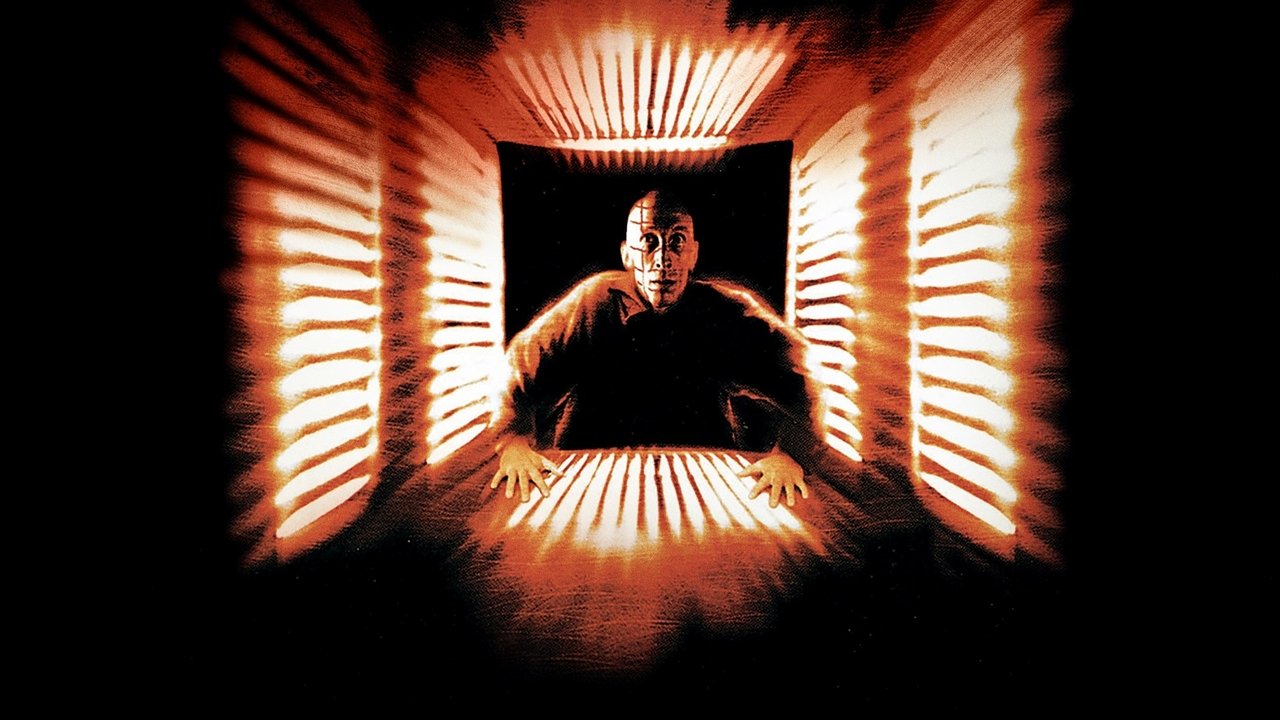
What makes Cube such a fascinator for film buffs is the sheer, unapologetic economy of its production. At its core, this is a math problem masquerading as a slasher flick. We open on a man waking up in a cubic room with six hatches. He moves to the next room and is promptly sliced into meat-cubes by a wire trap. It’s a bold, "welcome to the movie" moment that used very early CGI to supplement practical effects, and honestly, the clinical sharpness of that kill still holds up better than the rubbery monsters of the same era.
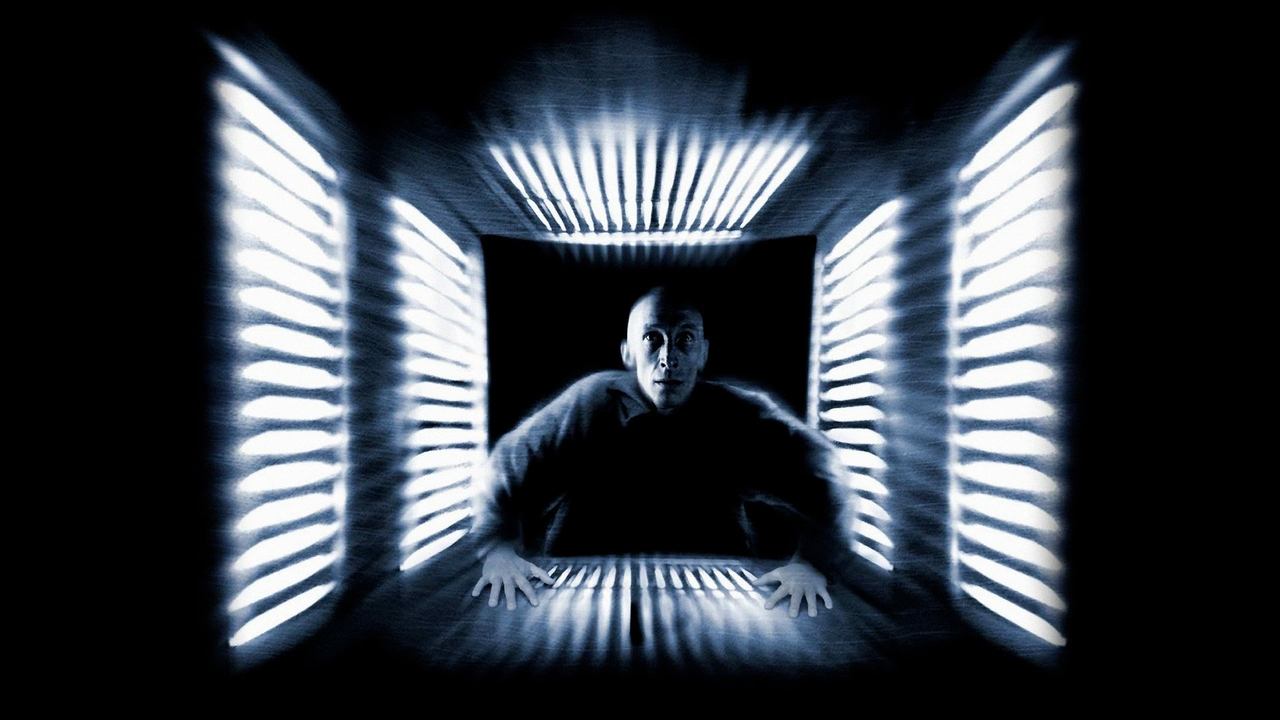
The production story is a masterclass in indie resourcefulness. To save money, the crew only built one single 14-by-14-foot room. That’s it. To give the illusion of a vast, repeating labyrinth, they simply swapped out different colored plastic gels in the walls. Because the budget was a microscopic $365,000 CAD, they couldn't even afford to finish all the panels; if you look closely, only one or two of the hatches actually work. The rest of the "infinite" maze is just clever camera angles and the viewer's own growing claustrophobia. It’s a "bottle movie" where the bottle is a geometric deathtrap, proving that you don’t need a sprawling backlot if you have a terrifyingly good floor plan.
A Geometry of Human Failing
The strangers trapped inside are all named after famous prisons (Leavenworth, San Quentin, etc.), which is the kind of on-the-nose 90s screenwriting I can’t help but find charming. We have the cynical cop played by Maurice Dean Wint, the math student Nicole De Boer, the jaded architect David Hewlett, a doctor played by Nicky Guadagni, an escape artist portrayed by Wayne Robson, and later, Andrew Miller as Kazan.
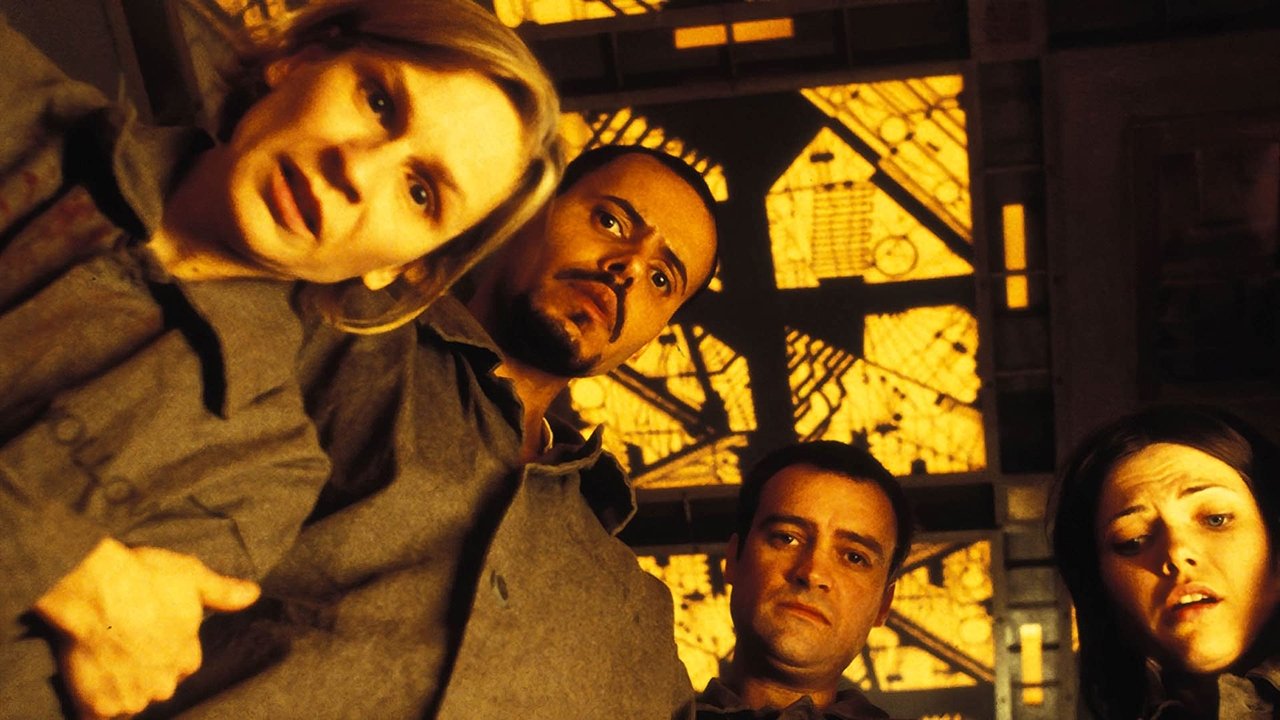
Maurice Dean Wint’s performance is about as subtle as a brick through a stained-glass window, but it works for the escalating hysteria of the plot. As the "alpha" of the group, his descent from a protector to a paranoid tyrant is the real engine of the film. While the traps—acid spray, sound-activated spikes—provide the "thrill," the "science fiction" comes from the group trying to decode the numbers etched into the crawlspaces. Seeing Nicole De Boer frantically calculating prime numbers and powers to navigate a murderous box is weirdly exhilarating. It turned mental math into a survival skill, which is a narrative pivot I wish more films would take.
Tech-Anxiety and the Void
Released in 1997 and hitting the festival circuit in 1998, Cube perfectly captured that pre-millennium tension. The internet was a mysterious frontier, the Y2K bug was a looming (if overblown) threat, and there was a pervasive feeling that the "systems" we built—government, technology, bureaucracy—had grown too large for any one person to control. When David Hewlett’s character, Worth, reveals his connection to the Cube’s construction, he offers a chillingly nihilistic explanation: there is no grand conspiracy. There is no "Big Brother" watching them. It’s just a mindless, self-perpetuating machine that exists because someone forgot to tell the contractors to stop building it.
This lack of a "why" is what elevates the film from a mere gimmick to a cult classic. It refuses to give you the satisfaction of a villainous monologue. In the era of the burgeoning indie renaissance, where directors like Vincenzo Natali were getting shots through initiatives like the Canadian "Feature Film Project," Cube felt like a middle finger to the polished, explanatory endings of studio thrillers. It’s raw, it’s mean, and the character dynamics are basically "The Breakfast Club" if everyone had a PhD and a looming death wish.
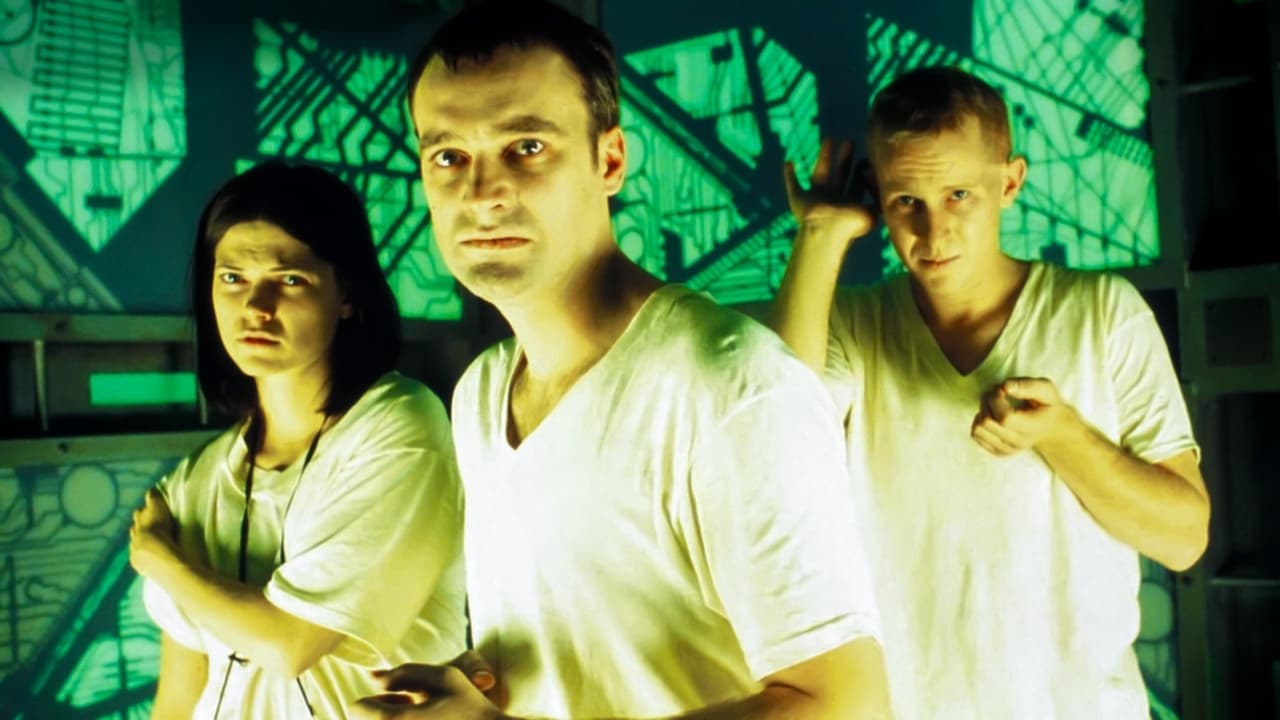
If you can look past some of the theatrical, "stage-play" shouting matches that plague the second act, Cube remains a lean, mean, 90-minute exercise in tension. It paved the way for the "torture porn" subgenre that Saw would later dominate, but Cube is significantly more intellectual, favoring logic puzzles over mindless gore. It’s a testament to what a filmmaker can do when they are backed into a corner—quite literally—with nothing but a handful of actors and a dream of geometric slaughter.
The film's legacy lives on in a few sequels and a Japanese remake, but nothing quite touches the original's stripped-down intensity. It’s a movie that asks us what we become when the social contract is shredded by a series of prime numbers. If you haven't seen it, find the biggest screen you can, turn off the lights, and keep a calculator handy. Just watch out for the room with the sensors; I’ve heard it’s a real killer.
Keep Exploring...
-
Cube Zero
2004
-
Splice
2010
-
Twelve Monkeys
1995
-
Gattaca
1997
-
The X-Files
1998
-
The Thirteenth Floor
1999
-
The 6th Day
2000
-
Signs
2002
-

Paycheck
2003
-
Open Your Eyes
1997
-
Pi
1998
-
The Crimson Rivers
2000
-
High Tension
2003
-
Blindness
2008
-
Source Code
2011
-
Sky Captain and the World of Tomorrow
2004
-
The Forgotten
2004
-
The Jacket
2005
-

The X Files: I Want to Believe
2008
-

Knowing
2009