Dark City
"Sleep is coming. The city is changing."

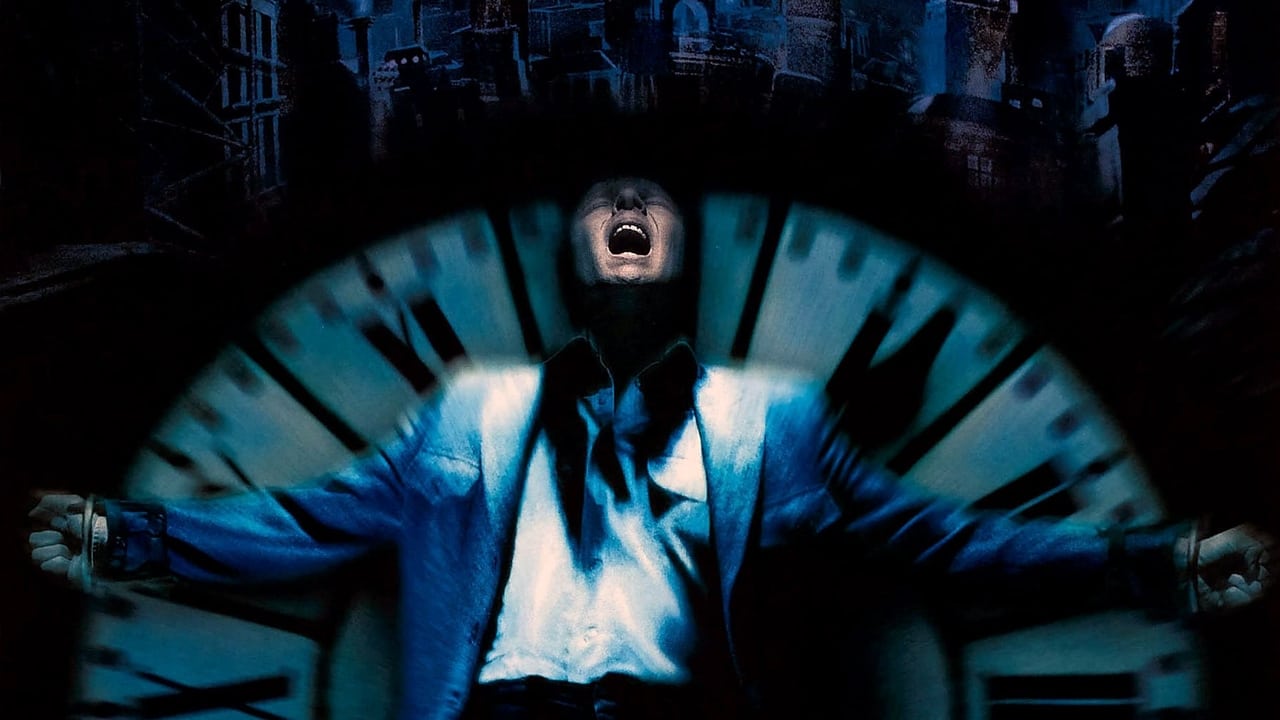
Imagine waking up in a bathtub with a murder scene in the next room and a memory that feels like a photocopied dream of someone else’s life. That’s the opening gambit of Dark City, a film that feels like it was filmed inside an espresso-stained brain at 3:00 AM. I watched this again last Tuesday while eating a slightly-too-crunchy granola bar, and the rhythmic noise of my own chewing felt like the "Tuning" process was happening inside my own jaw. It’s that kind of movie—tactile, grimy, and deeply unsettling in a way that modern green-screen blockbusters rarely manage.
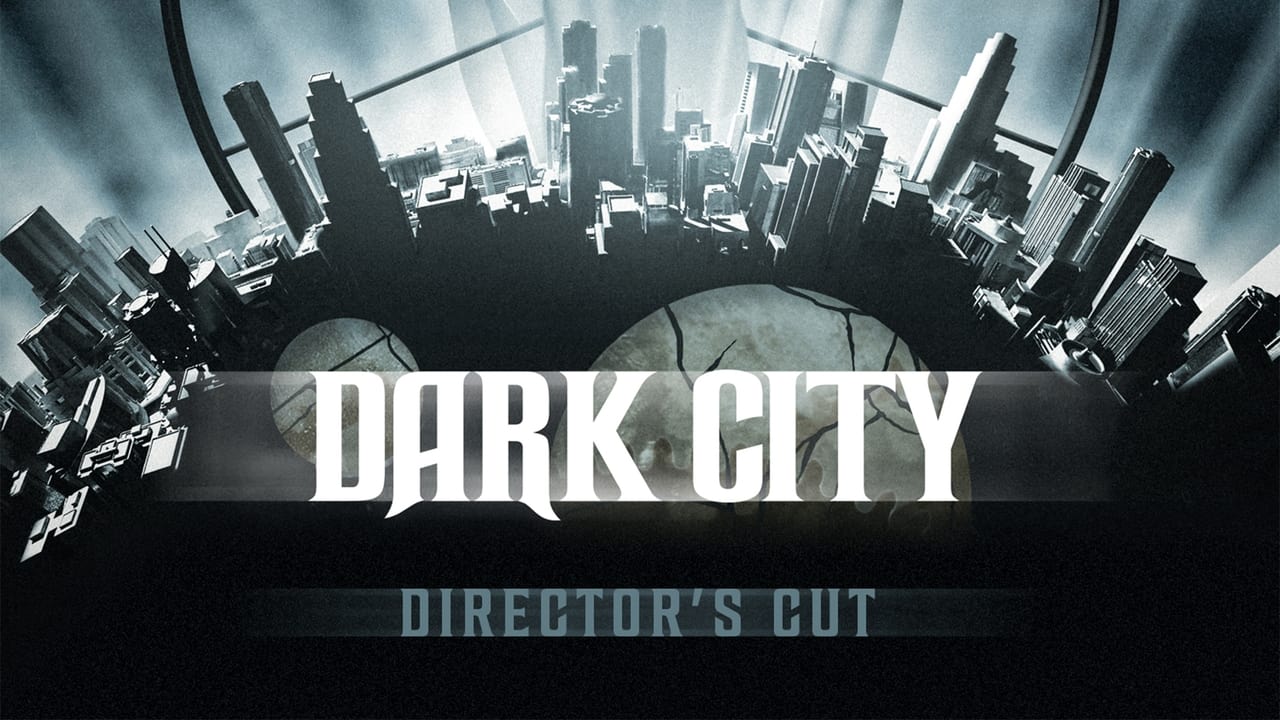
Before Neo learned kung fu and the world obsessed over the blue pill, director Alex Proyas gave us a different kind of digital-era existential crisis. Released in 1998, Dark City arrived at that fascinating crossroads where practical sets were still king but CGI was starting to flex its muscles. It didn't just ask "What if the world is a lie?" It asked "What if the world is a giant, shifting Rubik's Cube controlled by pale guys in trench coats?"
A Noir Dreamscape Built of Bricks and Shadows
The first thing that hits you—and I mean really socks you in the jaw—is the production design. Alex Proyas and cinematographer Dariusz Wolski (who would later shoot Pirates of the Caribbean) created a world that is perpetually midnight. It’s a gorgeous, decaying mashup of 1940s film noir and German Expressionism. The city isn't just a backdrop; it’s a living, breathing antagonist.
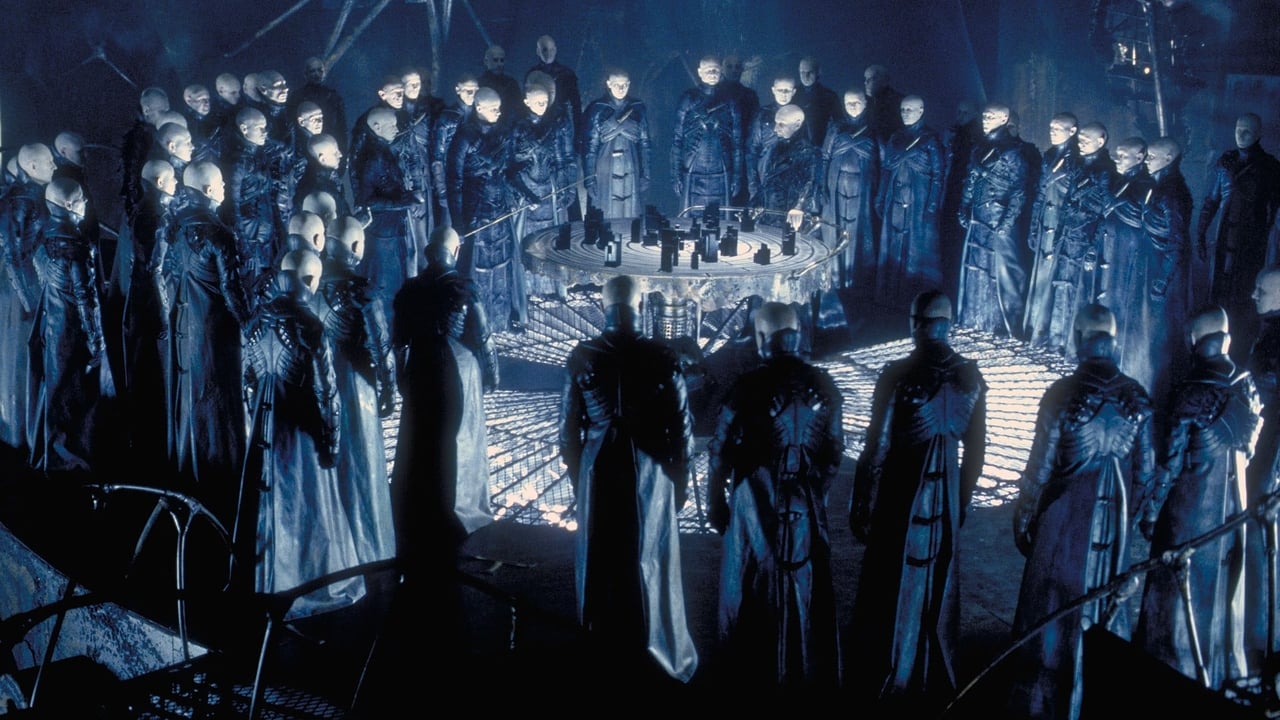
The central conceit involves "The Strangers," a dying alien race inhabiting human corpses, who "Tune" the city every night at midnight. They literally rearrange the buildings and the memories of the inhabitants to see what makes a soul. Watching buildings sprout from the ground like stone mushrooms still looks incredible today. While some of the 1998-era digital effects have that slightly "soft" look of early CGI, the heavy reliance on miniatures and massive physical sets gives the film a weight that survives the HD era. Fun fact: after filming wrapped, some of these sets were actually repurposed for The Matrix. If the rooftops where Rufus Sewell flees the Strangers look familiar, it’s because Trinity would be jumping across them a year later.
The Voice, The Vibe, and The Villainy
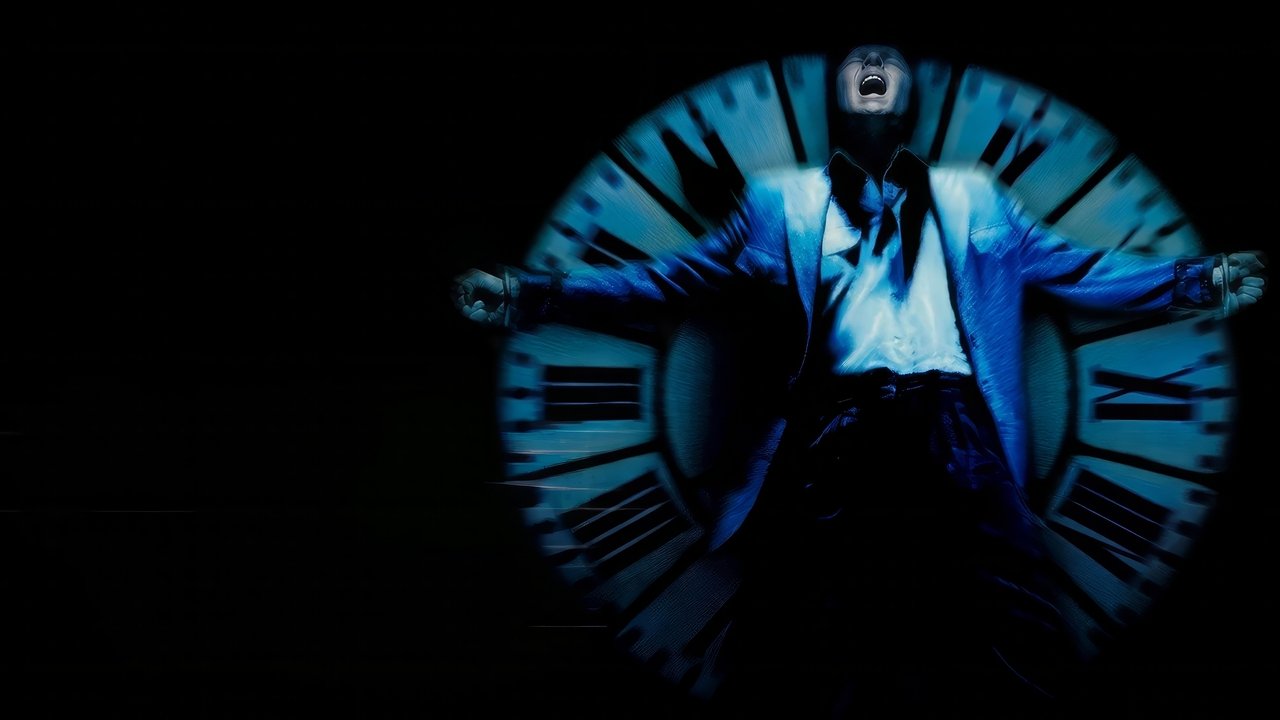
The casting here is inspired, if a little weird. Rufus Sewell plays John Murdoch with a wide-eyed, frantic energy that makes him the perfect audience surrogate. He’s confused, we’re confused, and we’re both trying to figure out why he can’t remember his wife, played by Jennifer Connelly. She radiates a melancholic lounge-singer energy here, looking like she stepped straight out of a 1944 detective rag.
Then there’s Kiefer Sutherland as Dr. Daniel P. Schreber. I have to be honest: Kiefer's performance is basically him trying to speak while simultaneously swallowing a live toad. He wheezes, he limps, and he delivers exposition with a stutter that should be annoying but somehow becomes hypnotic. He’s the bridge between the humans and the Strangers, and his performance is a high-wire act of pure eccentricity.
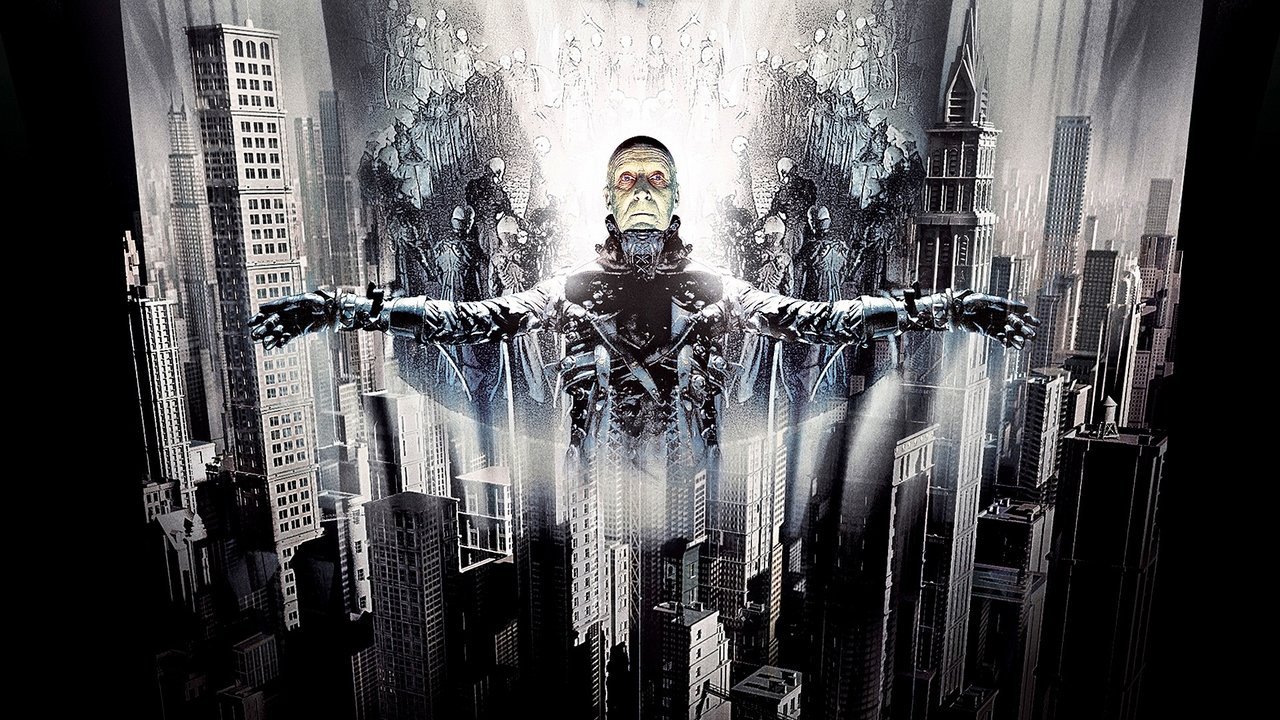
And we can't talk about the Strangers without mentioning Richard O'Brien. The man who gave us The Rocky Horror Picture Show is terrifying as Mr. Hand. He moves with a predatory, jerky grace that makes you want to check the locks on your doors. The Strangers are a classic example of "less is more" in sci-fi design—just pale skin, dark coats, and an absolute lack of empathy.
The DVD That Saved a Flop
Looking back, it’s wild that Dark City was a box office dud. It barely clawed back its $27 million budget. The studio, terrified that the audience wouldn't "get it," notoriously forced a voiceover narration onto the theatrical cut that spoiled the entire mystery in the first thirty seconds. The studio-mandated opening narration is a cinematic hate crime. If you're watching this for the first time, seek out the Director’s Cut; it removes that hand-holding and lets the mystery breathe.
The film's survival is a testament to early DVD culture. This was the "cinephile's choice" in the early 2000s. I remember the late, great Roger Ebert being such a champion of this film that he recorded a shot-by-shot commentary track for the DVD release. It was one of the first times I realized that a "flop" could actually be a masterpiece in disguise. It’s a movie that rewards the pause button—look at the name of the stores, the strange circular motifs everywhere, and the way the city's architecture doesn't quite make sense geographically.
Dark City is the ultimate "midnight movie" for people who like their science fiction with a heavy dose of philosophy and a splash of ink-black ink. It’s a film about the persistence of the human spirit, wrapped in a package of surrealist horror and detective tropes. It’s a reminder of a time when sci-fi felt more like a fever dream and less like a product launch. Even twenty-five years later, when the clock hits twelve and the world feels a little too quiet, I still catch myself looking out the window, half-expecting the building across the street to start folding into itself.
Whether you’re a fan of the "Y2K tech-anxiety" era or just someone who appreciates a movie where the villain is a literal personification of your worst existential dread, this is mandatory viewing. Just make sure you turn the lights off first. Sleep is coming, after all.
Keep Exploring...
-
Gattaca
1997
-
K-PAX
2001
-

I, Robot
2004
-
Contact
1997
-
Event Horizon
1997
-
Vanilla Sky
2001
-

The Crow
1994
-
Pandorum
2009
-

Knowing
2009
-
Twelve Monkeys
1995
-
The Thirteenth Floor
1999
-
From Hell
2001
-
Watchmen
2009
-
Oblivion
2013
-
Cube
1998
-
The X-Files
1998
-
A.I. Artificial Intelligence
2001
-

Signs
2002
-

Austin Powers: International Man of Mystery
1997
-
Lost Highway
1997