Elizabeth
"The crown is a heavy mask."
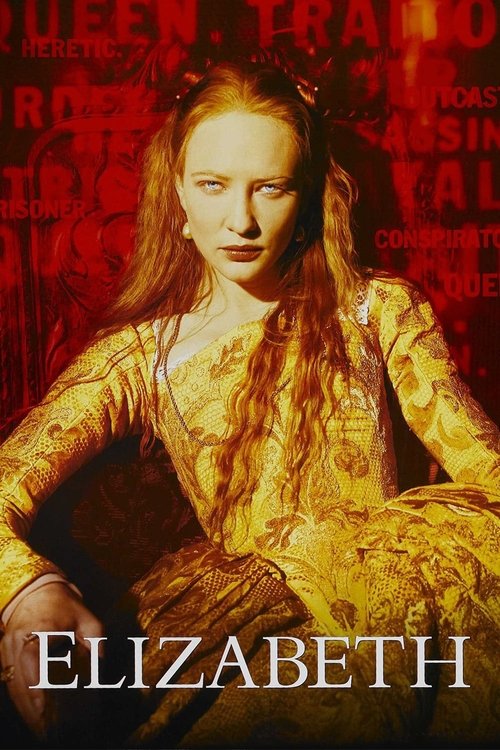
Before she was a postage stamp, a marble bust, or a trivia answer about the Spanish Armada, Elizabeth Tudor was just a terrified young woman sitting in a damp cell, waiting for her sister to decide whether to kill her or crown her. 1998’s Elizabeth didn’t just walk into the historical drama genre; it kicked the door down with a heavy velvet boot. It arrived at the tail end of the 90s, a period where "period pieces" were often synonymous with polite tea-sipping and Merchant Ivory restraint. Director Shekhar Kapur had other ideas. He treated the Tudor court less like a museum and more like a high-stakes mob drama, where the shadows are long and every whispered conversation could end in a beheading.
From Girl to Icon
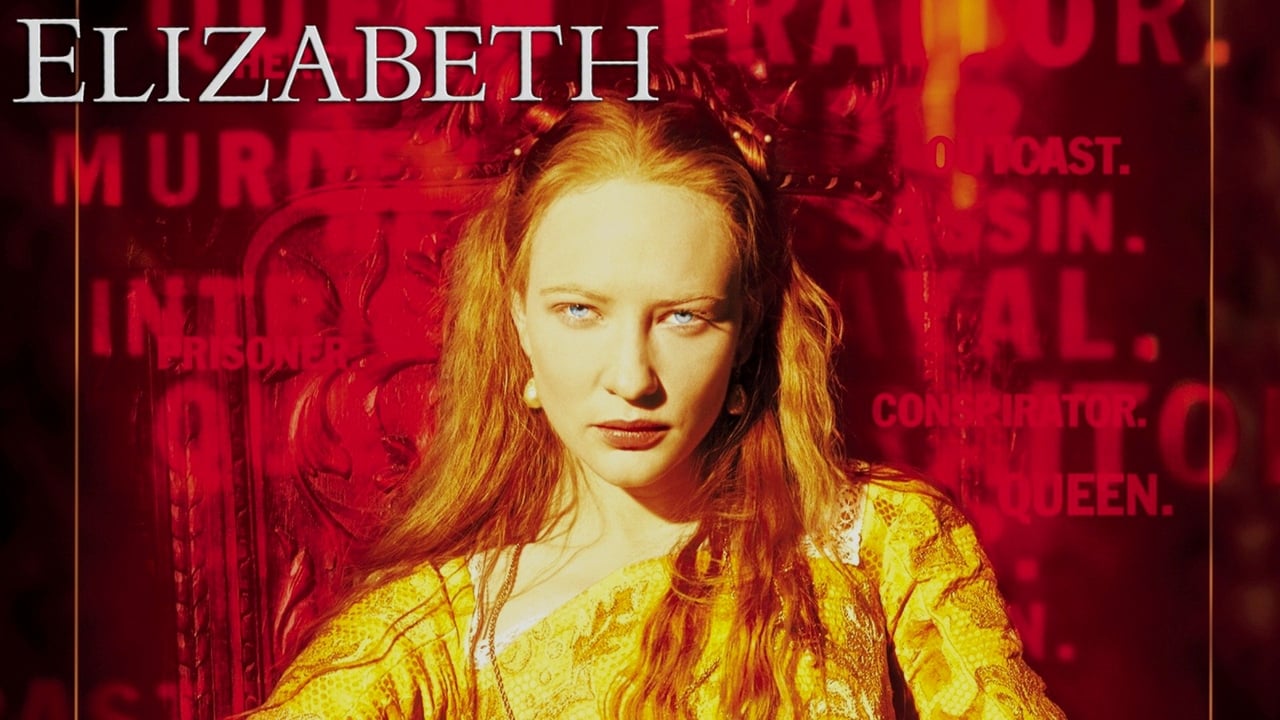
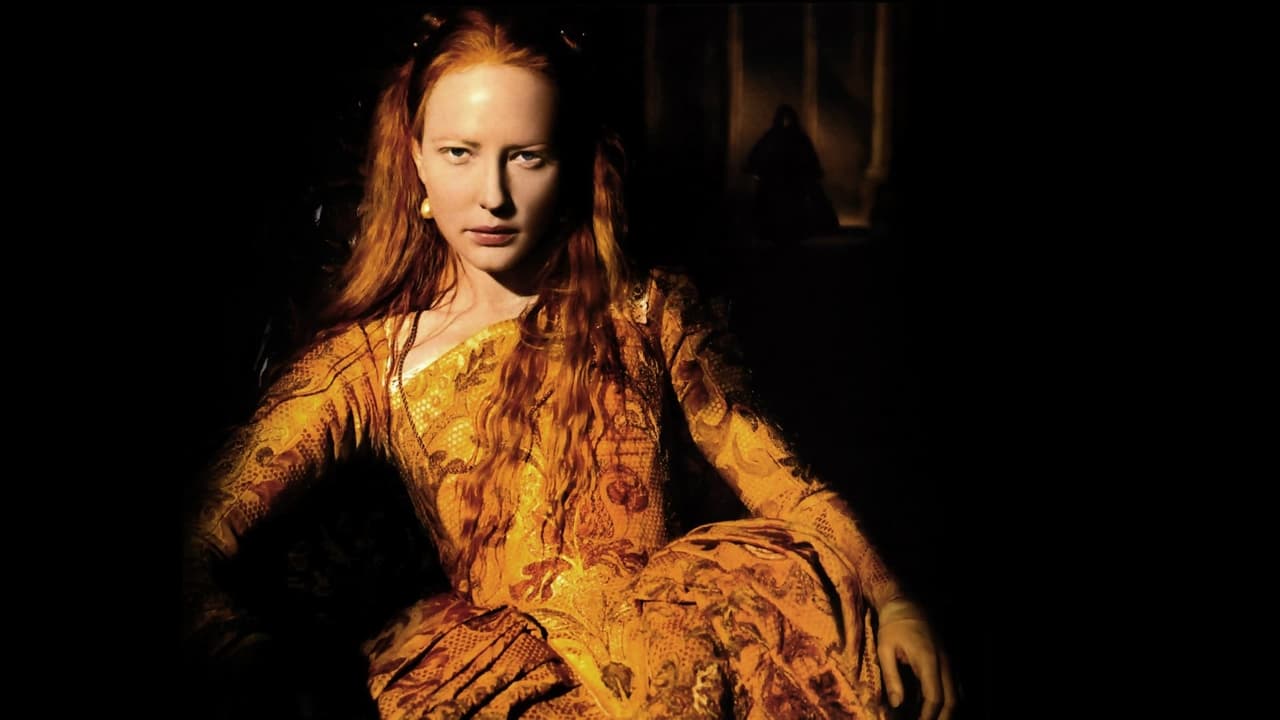
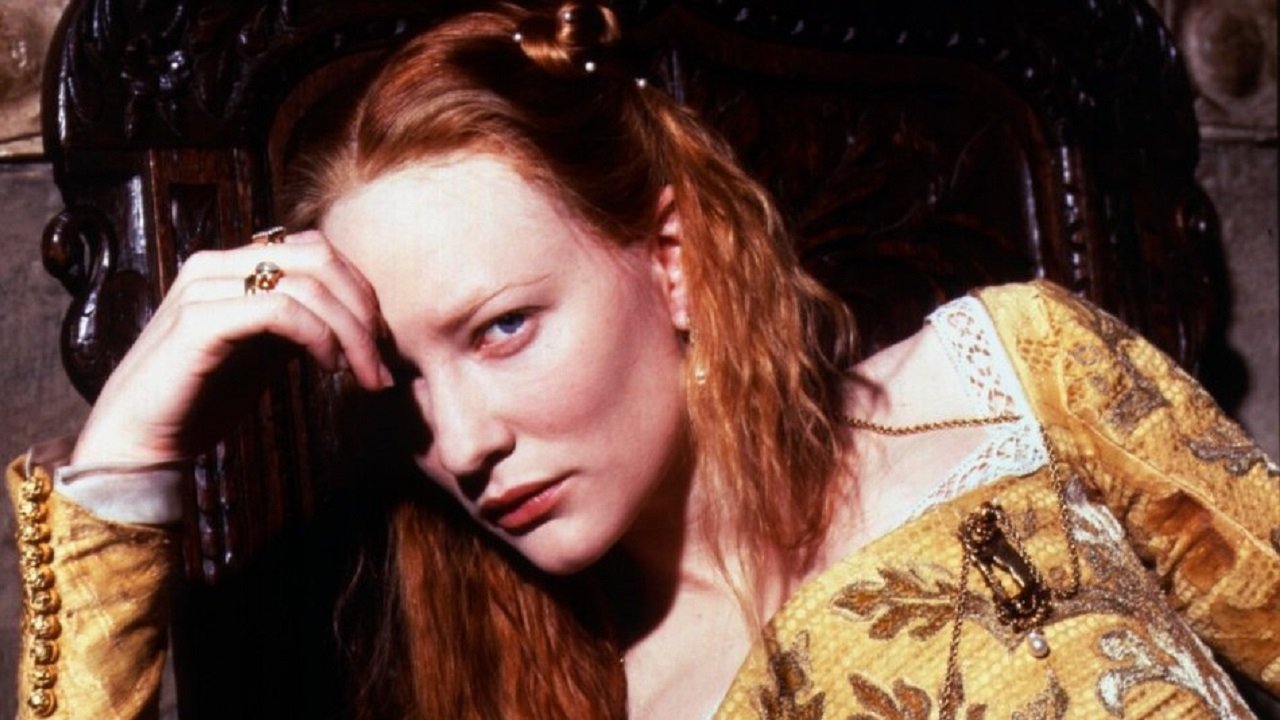
The film belongs, entirely and unforgettably, to Cate Blanchett. It’s easy to forget now that she’s a Hollywood titan, but back in ’98, this was a massive gamble. She wasn't a household name; she was an Australian actor who Shekhar Kapur reportedly cast after seeing her in a trailer for Oscar and Lucinda. Looking back, her performance is a miracle of calibration. She starts as a girlish, dancing romantic and slowly, painfully, lets the humanity drain out of her face until she becomes the "Virgin Queen"—a white-masked icon who has realized that to rule men, she must stop being a woman.
I watched this recently while trying to assemble a very frustrating IKEA bookshelf, and there’s a specific kind of irony in watching a woman build a global empire while I couldn't even find the right hex key. But that’s the magic of the film: even amidst the heavy silk and gold leaf, the stakes feel immediate. When Cate Blanchett stares down a room full of shouting bishops, you aren't thinking about a history textbook; you’re wondering if she’s going to survive the next ten minutes.
The Spymaster and the Serpent
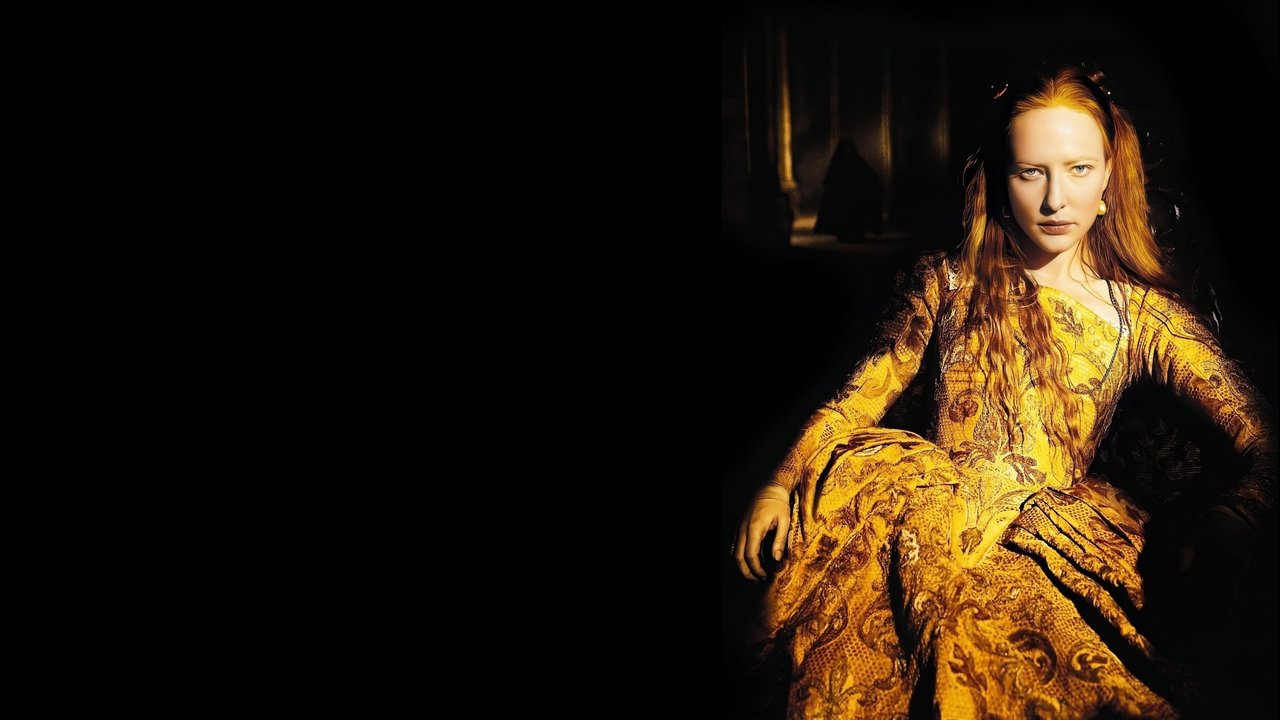
While the movie leans into the romance with Joseph Fiennes (Lord Robert Dudley), the real heartbeat of the film is the relationship between Elizabeth and her spymaster, Sir Francis Walsingham, played with chilling precision by Geoffrey Rush. This was Geoffrey Rush right after his Oscar win for Shine, and he brings a reptilian, quiet menace to the role. He is the one who understands that a throne isn't held by divine right, but by knowing exactly which of your enemies is sleeping with whom.
The ensemble is a "who’s who" of late-90s prestige. You’ve got Richard Attenborough as the cautious Sir William Cecil, providing the old-guard stability, and a genuinely frightening Christopher Eccleston as the Duke of Norfolk. Even the legendary John Gielgud pops up as the Pope, adding a layer of Catholic gravitas to the conspiracy. It’s a dense, crowded world, and the film does a brilliant job of making the viewer feel the claustrophobia of the palace. The cinematography by Remi Adefarasin uses low angles and stone textures to make the halls of power look like a beautiful, gold-plated tomb.
A Masterclass in Atmosphere
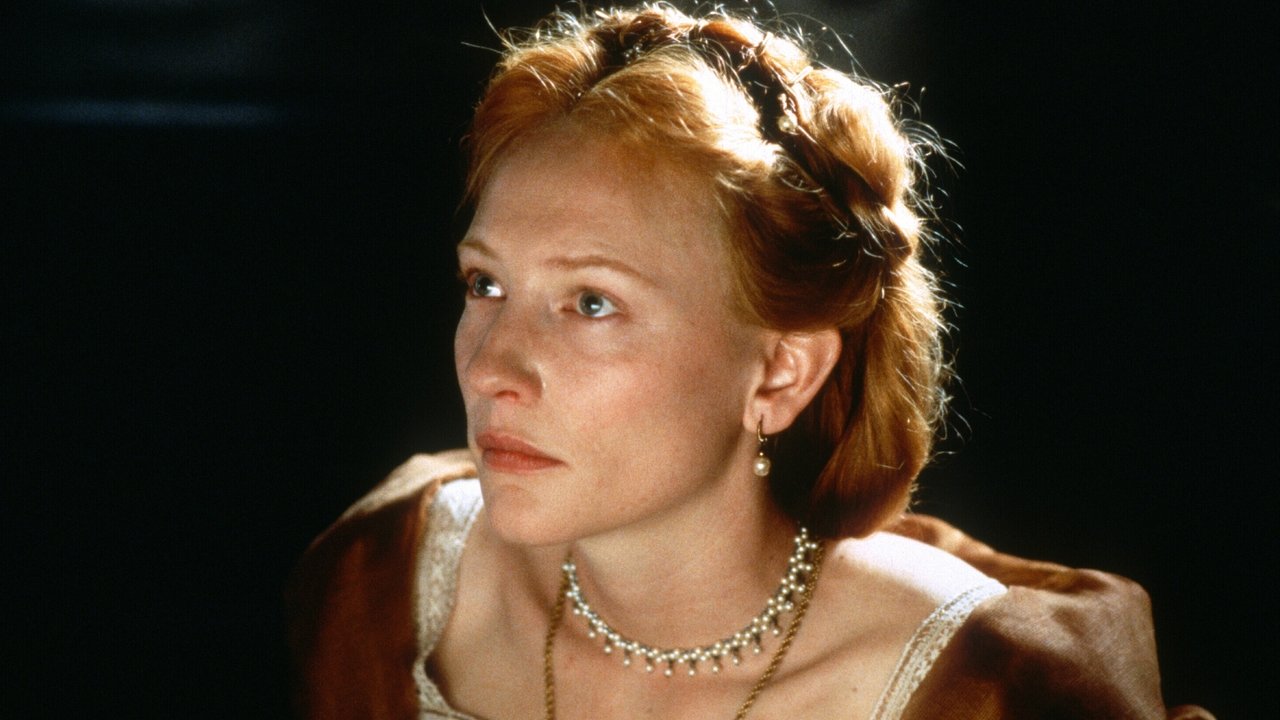
In an era where we are now flooded with CGI-heavy historical epics, Elizabeth stands out for its tactile, analog beauty. This was the dawn of the digital revolution in film, but Shekhar Kapur leaned into the physical. You can practically smell the candle wax and the damp wool. The costumes by Alexandra Byrne aren't just clothes; they are armor. By the time we reach the final sequence—the famous transformation where Elizabeth cuts her hair and paints her face into a ghostly white mask—the film has earned its operatic tone.
History teachers who complain about the chronological inaccuracies are just mad it’s more interesting than their syllabus. Does the film play fast and loose with the timeline? Absolutely. It compresses decades, invents meetings, and turns Dudley into more of a cad than he likely was. But the film’s goal isn’t a Wikipedia entry; it’s a psychological portrait of power. It captures the feeling of the era—the paranoia, the religious fervor, and the sheer audacity of a woman surviving in a world designed to swallow her whole.
Elizabeth remains one of the best examples of the "Modern History" wave of the 90s, proving that you can be smart, artistic, and intensely entertaining all at once. It’s a film about the cost of greatness, showing us that becoming a legend usually requires burning your bridges—and sometimes your heart—to the ground. It’s a transformative piece of cinema that launched one of our greatest living actors, and it still holds all its fire twenty-five years later.
Keep Exploring...
-
Elizabeth: The Golden Age
2007
-
The Messenger: The Story of Joan of Arc
1999
-
Alive
1993
-
Quiz Show
1994
-
Amistad
1997
-
Selena
1997
-
Finding Forrester
2000
-
Confessions of a Dangerous Mind
2002
-
The Count of Monte Cristo
2002
-

The Gift
2000
-
Joyeux Noel
2005
-
The Duchess
2008
-
K-19: The Widowmaker
2002
-
Mona Lisa Smile
2003
-
Seabiscuit
2003
-
The Doors
1991
-
Malcolm X
1992
-
Good Night, and Good Luck.
2005
-
The New World
2005
-
Invincible
2006