Enemy of the State
"The eye in the sky never blinks."
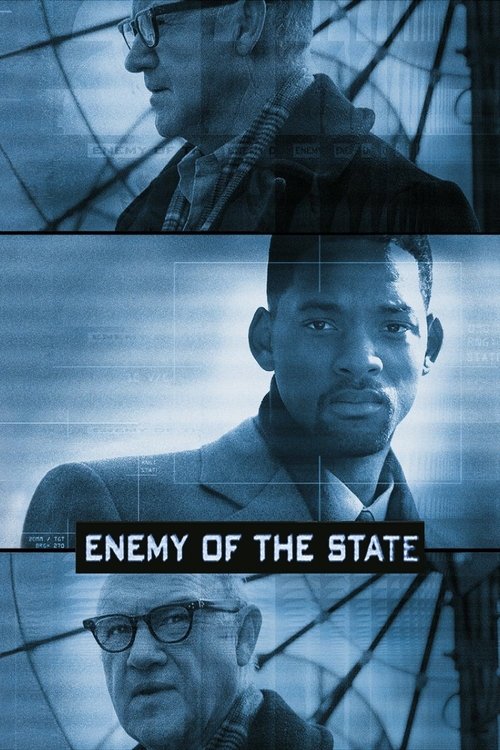
There is a specific kind of late-90s paranoia that feels almost quaint now, like looking at a rotary phone in a world of fiber optics. But watching Tony Scott’s Enemy of the State today is a jarring experience. It’s a reminder that we were being warned about the "Eye in the Sky" long before we started carrying the surveillance equipment in our own pockets. While I watched this on a laptop with a dying battery while a thunderstorm rattled my windows, the flickering screen and the low-battery pings only added to the feeling that I was being watched by something much larger than a Dell motherboard.
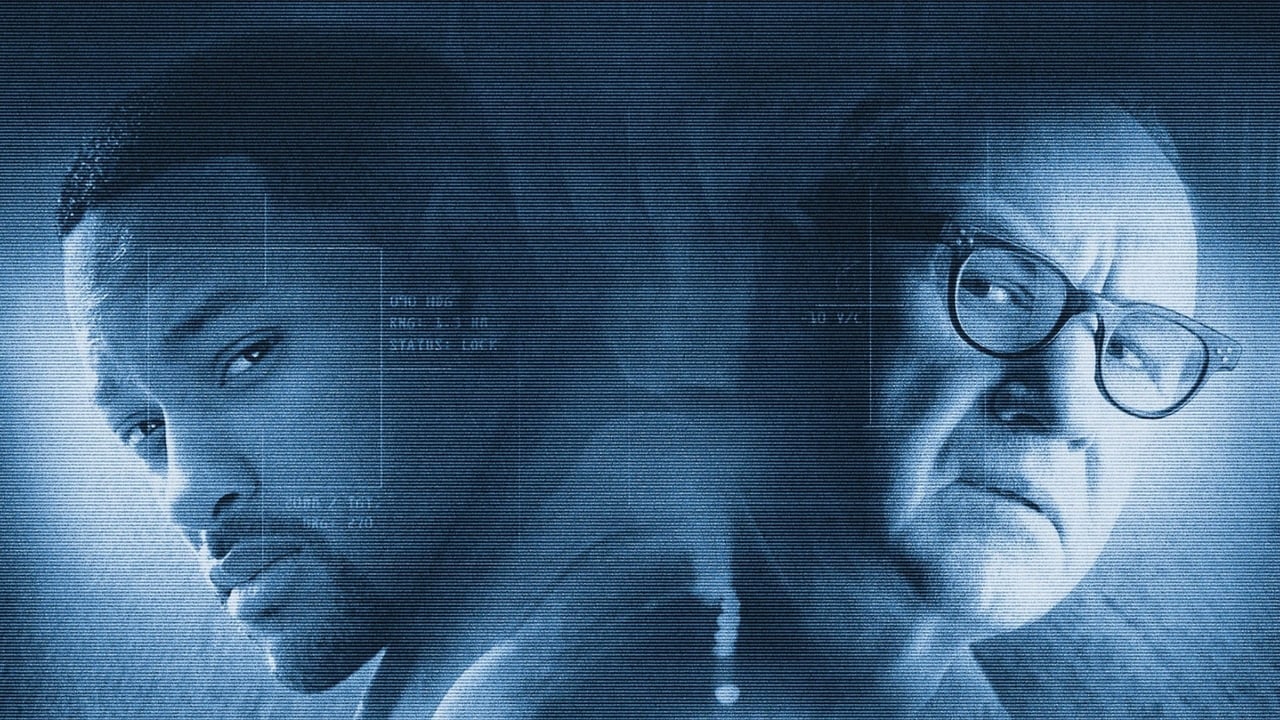
Released in 1998, the film sits at a fascinating crossroads of cinema history. It’s a Jerry Bruckheimer production, meaning it has the high-gloss, high-stakes sheen of a summer blockbuster, but it’s anchored by a narrative teeth-gritting intensity that feels more like a 70s conspiracy thriller. It’s a movie that arrived just before the digital revolution truly took hold, capturing the final gasp of the analog era while staring down the barrel of a satellite-monitored future.
The Harry Caul Connection
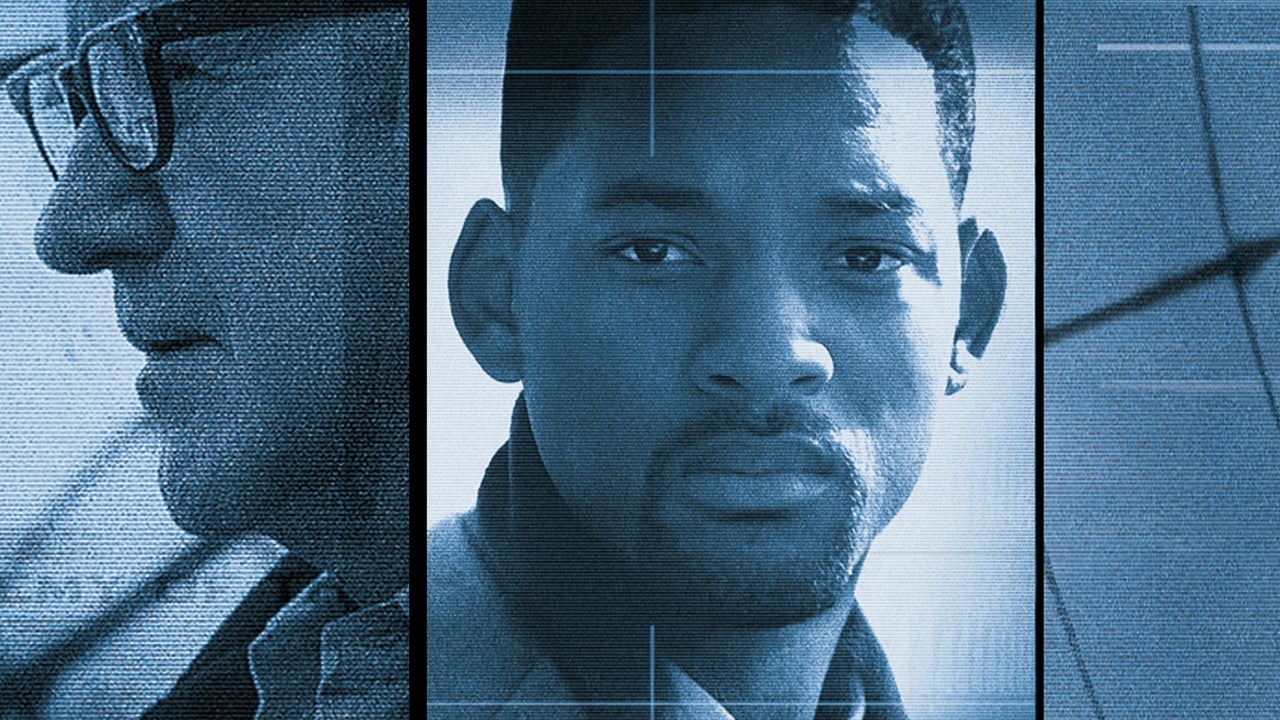
The most brilliant stroke of casting isn't just getting Will Smith at the height of his "charming everyman" powers; it’s the inclusion of Gene Hackman. For anyone who cut their teeth on New Hollywood cinema, Hackman isn't just playing "Brill"—he’s playing a ghost. He is, for all intents and purposes, Harry Caul from Francis Ford Coppola’s The Conversation (1974), aged twenty-five years and hardened by a world that finally caught up to his neuroses.
The film even uses a photo of Hackman from The Conversation in his NSA file. It’s a delicious meta-wink that elevates the movie from a standard chase flick to a spiritual sequel about the death of privacy. Smith plays Robert Clayton Dean, a labor lawyer who unknowingly comes into possession of a disc proving a politically motivated murder. Jon Voight shows up as the cold-blooded NSA administrator Reynolds, a man who views the Bill of Rights as a list of suggestions rather than laws. Voight is excellent here, playing a villain who doesn't need to chew the scenery because he owns the scenery—and the satellites above it.
Jagged Momentum and Practical Chaos
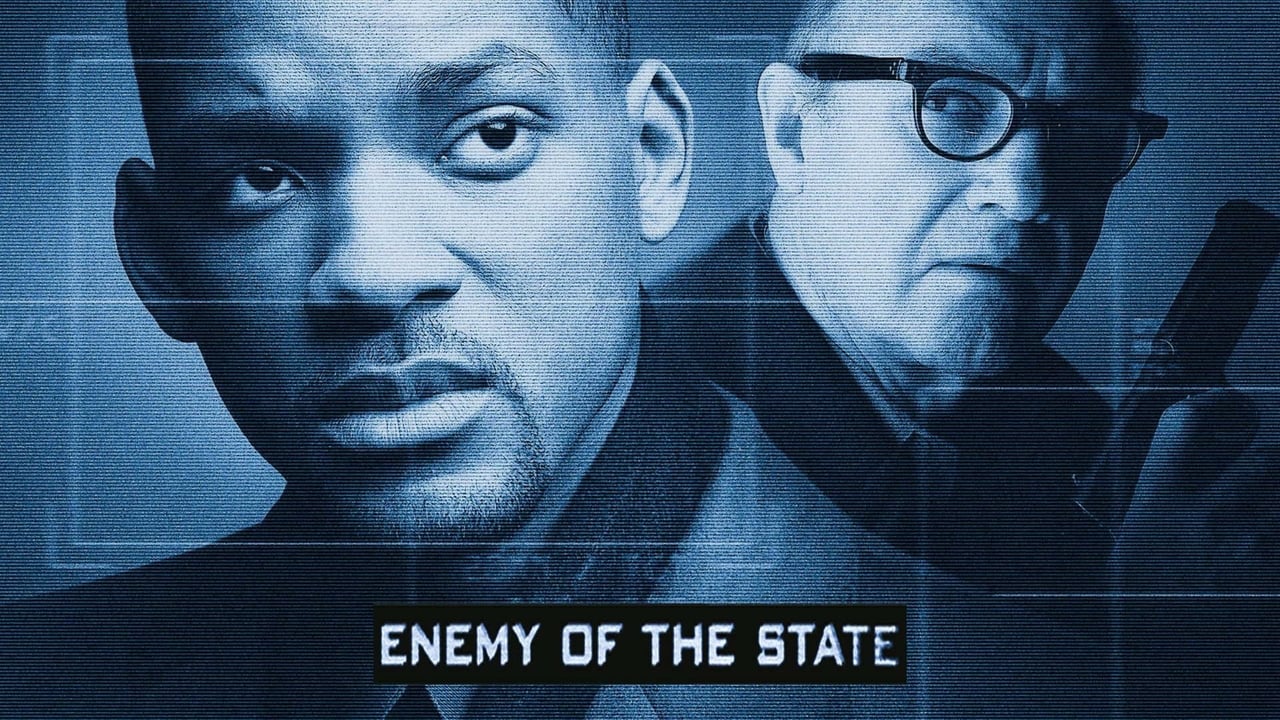
Tony Scott was a director who never met a camera angle he couldn't make more restless. His style here is restless and jagged, utilizing multiple cameras and long lenses to create a sense of constant observation. Unlike the polished, clean CGI of modern Marvel films, the action in Enemy of the State feels heavy and physical. When cars collide or buildings explode, there’s a tactile crunch to it. The 360-degree camera spins during the final standoff are enough to give a caffeinated squirrel vertigo, but they perfectly mirror Dean’s crumbling world.
The pacing is relentless. Once the NSA decides to "un-person" Dean—wiping his bank accounts, framing him for a double murder, and leaking fake stories to the press—the film doesn't let him (or us) breathe. Looking back, this was a massive shift for Will Smith. Before this, he was the guy quipping while punching aliens; here, he’s vulnerable, panicked, and outmatched. He sells the terror of a man whose life is being deleted in real-time. It’s a performance that holds up because it’s grounded in a very human frustration.
Surveillance as a Character
What makes the film a "cult classic" in the realm of tech-thrillers is how accurately it predicted the tools of the trade. The production team hired actual surveillance consultants, and it shows. There’s a scene where the NSA technicians rotate a 2D security camera image into a 3D model to see what’s inside a shopping bag. At the time, critics called it "Hollywood magic," but the NSA probably used this movie as a training manual rather than a cautionary tale.
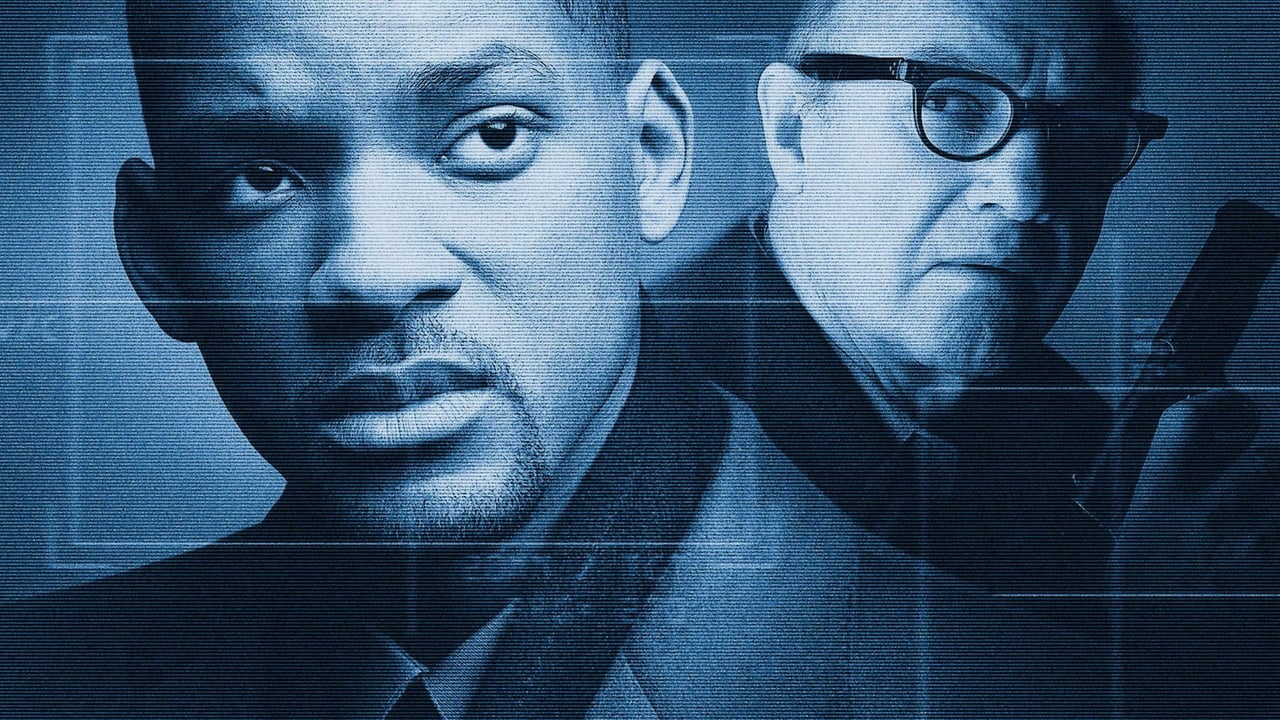
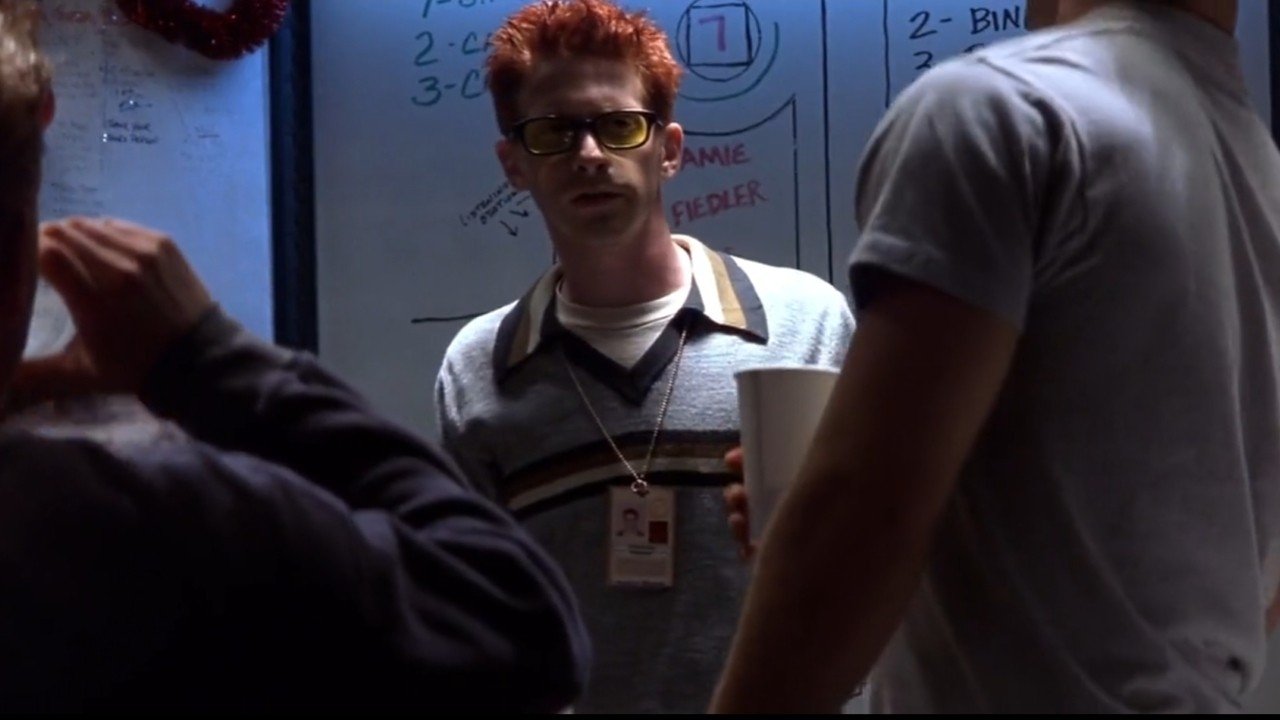
Interestingly, the "satellite zoom" shots that look like Google Earth were actually created by stitching together high-altitude aerial photographs, as the technology to smoothly zoom from orbit didn't publicly exist yet. It’s a testament to the crew's ingenuity. They created a visual language for the digital age using mostly analog tricks. The supporting cast is a "who’s who" of 90s talent, including a young Jack Black and Seth Green as techies, and Regina King providing the film's necessary emotional anchor as Dean’s wife, Carla.
Enemy of the State is a rare beast: a high-budget actioner with a brain and a soul. It manages to be incredibly fun while leaving you with a lingering urge to put tape over your webcam and throw your smartphone in a river. It captures that pre-millennium tension perfectly, reminding us that even in 1998, the walls were already starting to talk. If you haven't revisited it lately, it's a ride that has only become more relevant as the "eye in the sky" has moved from the satellites into our pockets.
It’s the ultimate Sunday afternoon thriller, a film that respects your intelligence while satisfying your lizard-brain's need for a well-executed explosion. It doesn't offer easy answers about the balance between security and liberty, mostly because it's too busy running for its life. But as Hackman’s Brill reminds us, it’s not paranoia if they really are after you. And in this movie, they’re not just after you—they’ve already got your social security number and your search history.
Keep Exploring...
-
Crimson Tide
1995
-
Man on Fire
2004
-

The Negotiator
1998
-
Spy Game
2001
-
Munich
2005
-
Blood Diamond
2006
-
Shooter
2007
-
True Romance
1993
-
The Taking of Pelham 1 2 3
2009
-
Unstoppable
2010
-

Starship Troopers
1997
-
The Last Castle
2001
-

The Bourne Identity
2002
-
Children of Men
2006
-
Dante's Peak
1997
-
Déjà Vu
2006
-
The Fugitive
1993
-
The Count of Monte Cristo
2002
-

The Game
1997
-
The Patriot
2000