EverAfter
"Science, swordplay, and the ultimate glass slipper upgrade."
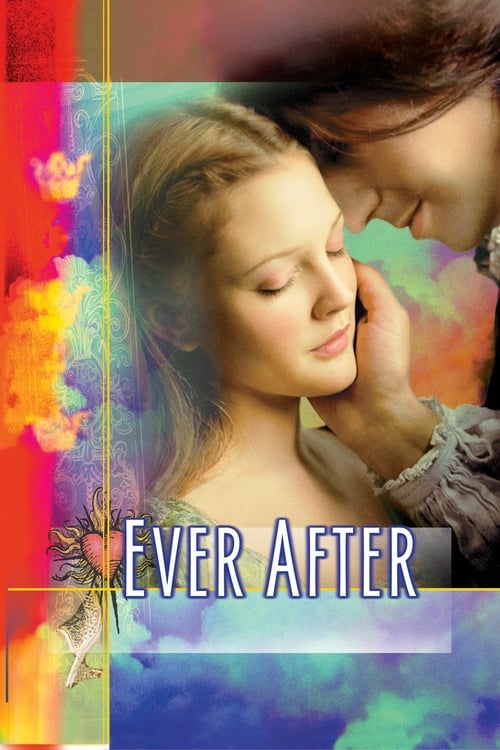
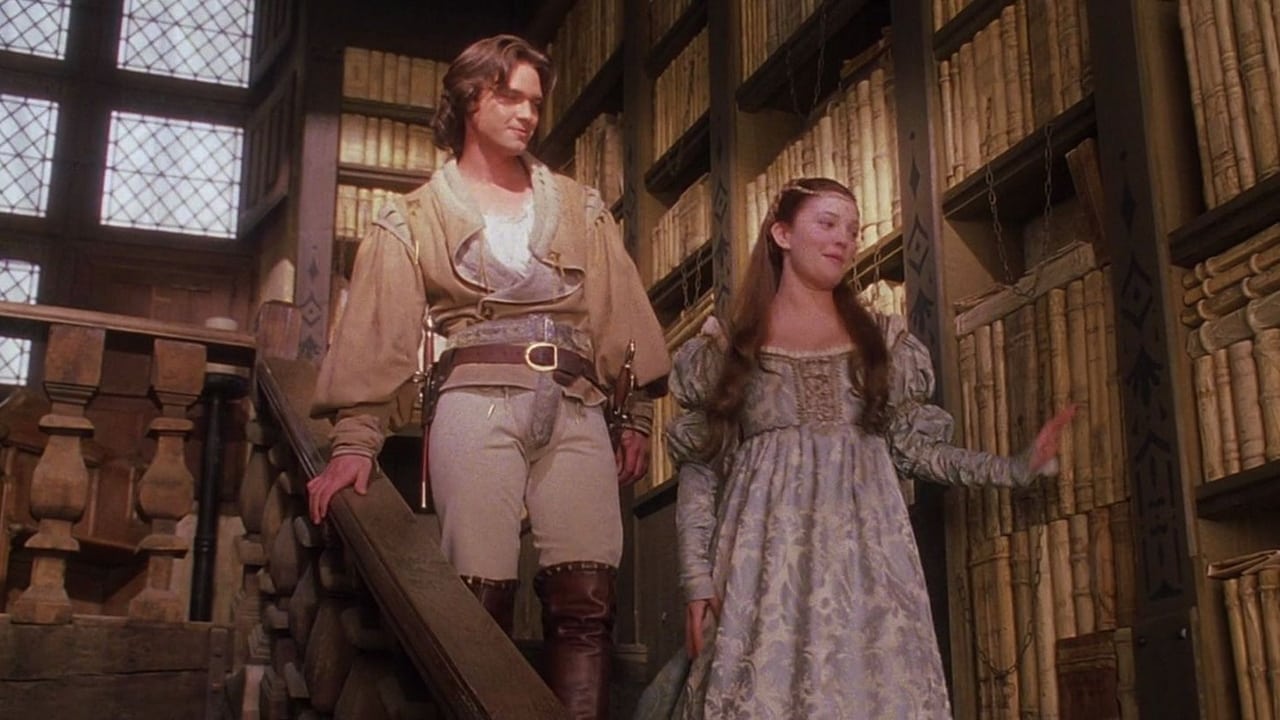
I watched EverAfter the other night while nursing a lukewarm cup of peppermint tea and trying to ignore a pile of laundry that had reached sentient proportions. There’s something about the late-90s aesthetic—that specific blend of earthy, mid-budget prestige and unapologetic sincerity—that acts like a warm blanket for the soul. Before the era of the $200 million CGI-slop Disney remakes, we had this: a gritty, "historical" reimagining of Cinderella that trades fairy godmothers for Leonardo da Vinci and magic pumpkins for Thomas More’s Utopia.
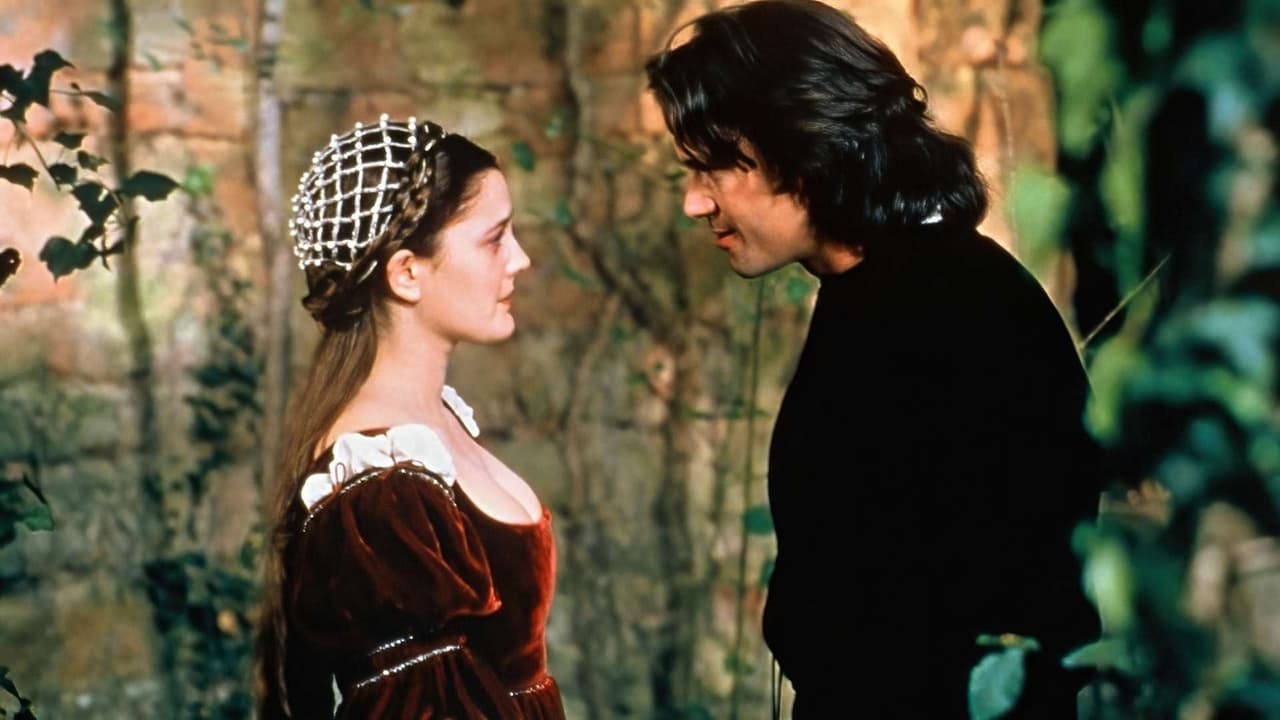
Looking back from 2024, EverAfter feels like a minor miracle. It was released in 1998, a year dominated by the asteroid-panic of Armageddon and the trauma of Saving Private Ryan. Amidst that noise, director Andy Tennant delivered a film that felt both old-fashioned and radical. It’s a drama that treats its source material with enough respect to strip away the magic, proving that the human elements—class struggle, grief, and the sheer audacity of a girl who reads—are more than enough to carry a blockbuster.
The Girl with the Glass Punch
At the center of it all is Drew Barrymore as Danielle de Barbarac. This was Barrymore at her absolute peak, successfully shedding her "wild child" tabloid image to become a grounded, relatable lead. Her Danielle isn't a passive waif waiting for a rescue; she’s a farm manager in all but name, keeping an entire estate afloat while her stepfamily treats her like furniture.
What I love about this performance is its physicality. When Danielle needs to save a servant from being sold into slavery, she doesn't just wish upon a star; she carries a full-grown man on her back across a field. She’s dirty, she’s tired, and she’s angry. Barrymore brings a certain "California-girl-doing-a-British-accent" earnestness that shouldn't work, but it does because her heart is so clearly on her sleeve. Prince Henry’s "moody teen" energy is the film's only real weak spot, but Danielle is so vibrant that you understand why he’d risk a crown to keep up with her.
A Masterclass in Malice
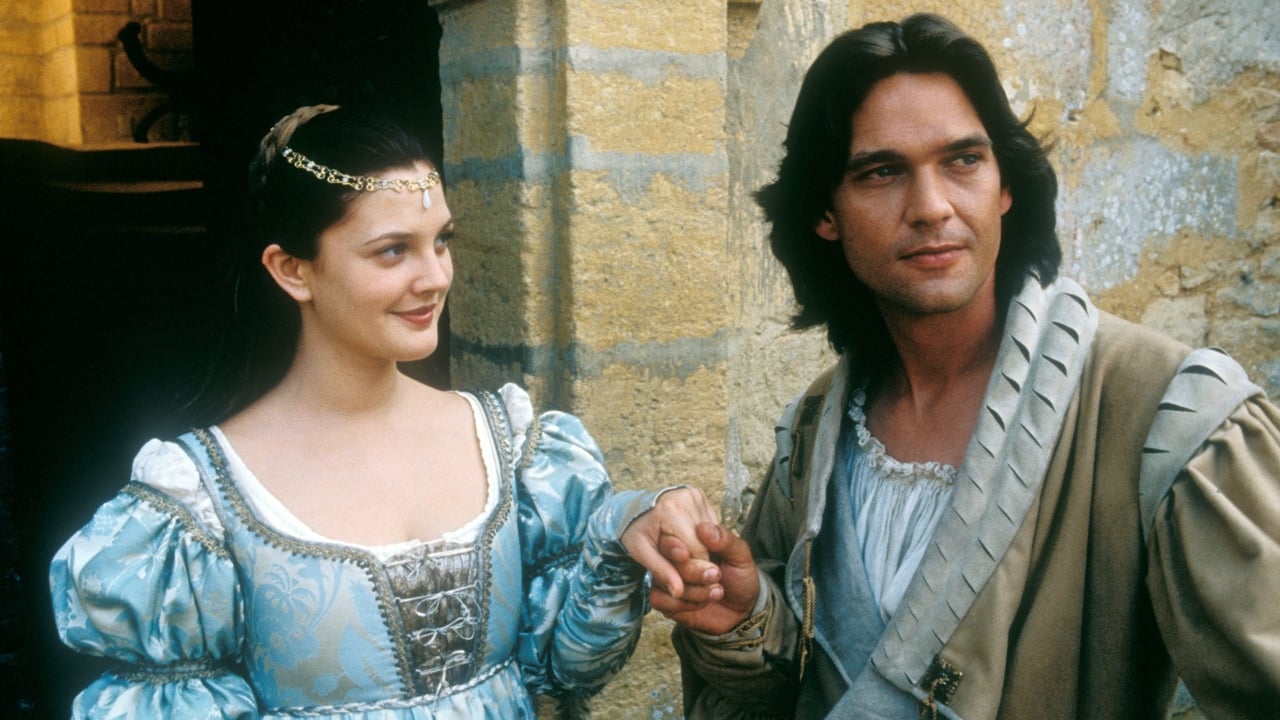
If Drew Barrymore is the heart, Anjelica Huston is the spine—cold, brittle, and terrifyingly sharp. As the Baroness Rodmilla de Ghent, Huston avoids the "wicked stepmother" caricature. Instead, she plays a woman who is acutely aware of how precarious her social standing is. Every sneer and calculated insult feels like a survival tactic in a world that discards widows the moment their money runs out.
The chemistry (or lack thereof) between Huston and her screen daughters is a highlight. Megan Dodds is perfectly insufferable as the social-climbing Marguerite, but the real MVP is a young Melanie Lynskey as Jacqueline. Lynskey provides the comedic relief and the moral compass, playing the "plain" sister with a dry wit that makes you want to pull her out of the 16th century and take her for a margarita. When the Baroness tells her, "You are only going to the ball to find a husband," and Jacqueline responds with a flat, "I'm only going for the food," I felt that in my very marrow.
Renaissance Fan-Fiction
The decision to include Patrick Godfrey as a crusty, genius Leonardo da Vinci is a stroke of brilliance. It grounds the film in a "real" world where art and science are the new magic. There’s a scene where he helps Danielle with her "costume" for the masquerade ball—the iconic "Just Breathe" dress with the iridescent wings—that remains one of the most breathtaking visual moments of 90s cinema. I actually tried to replicate those wings for a middle-school dance once, and I ended up looking like a very sparkly, discarded pizza box.
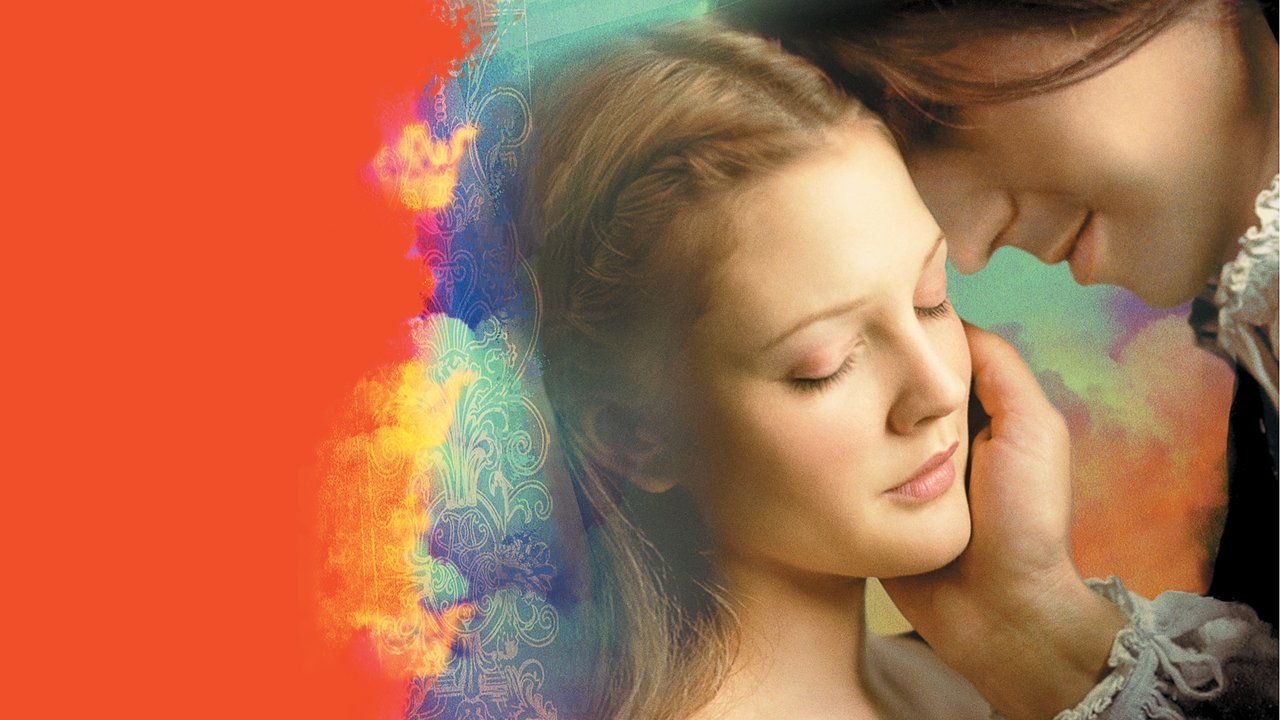
The film also benefits immensely from being shot on location in the Dordogne region of France. There’s a texture to the stone walls of the Chateau de Hautefort and the dampness of the forests that no green screen can replicate. It feels lived-in. The score by George Fenton is equally lush, leaning into choral arrangements that make the whole thing feel like a legend being told by a fireside.
While some might find the "feminist" leanings of the script a bit on the nose—Danielle literally quotes philosophy to the Prince while he’s trying to kidnap her—I’d argue it’s exactly what the genre needed. It turned a story about luck into a story about agency. This is the only version of Cinderella where the Prince is actually the least interesting person in the room, and honestly? That’s progress.
EverAfter is the rare 90s artifact that hasn't aged into a punchline. It’s a lush, witty, and surprisingly moving drama that remembers the most important rule of storytelling: if you want us to care about the happy ending, you have to make the protagonist earn it. It’s the perfect "rainy Sunday" movie, even if you’re just watching it to see Anjelica Huston get her comeuppance in the most satisfyingly bureaucratic way possible. It’s a gem that reminds us why we fell in love with Drew Barrymore in the first place.
Keep Exploring...
-
Blast from the Past
1999
-
Never Been Kissed
1999
-
It Takes Two
1995
-
Fool's Gold
2008
-
The Spanish Apartment
2002
-
Casanova
2005
-
The Sisterhood of the Traveling Pants
2005
-
Nick and Norah's Infinite Playlist
2008
-
Love Me If You Dare
2003
-
Hitch
2005
-
Buffalo '66
1998
-
High Fidelity
2000
-
About a Boy
2002
-
Punch-Drunk Love
2002
-
Stuck in Love
2013
-
It Could Happen to You
1994
-
That Thing You Do!
1996
-
Confessions of a Dangerous Mind
2002
-
S1m0ne
2002
-
As Good as It Gets
1997