Fallen
"Evil is patient. And it loves a good tune."
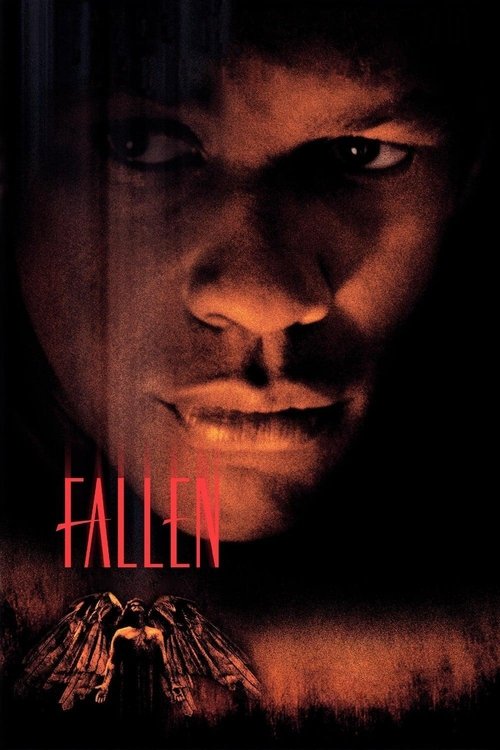
There is a specific kind of 1990s thriller that simply doesn’t exist anymore. It’s that grimy, rain-slicked, mid-budget procedural where a detective in a wool overcoat wanders through a dimly lit Philadelphia or New York, chasing something that feels just a little bit wrong. Usually, it's a serial killer with a flair for the theatrical—think Se7en or The Bone Collector. But then there’s Fallen, a movie that starts as a standard-issue gritty drama and then pivots, with a cheeky grin, into the realm of the supernatural.

I recently revisited this one on a rainy Tuesday while nursing a slightly-too-warm ginger ale, and every time the central demon jumped bodies through a simple touch, I found myself instinctively pulling my feet up onto the sofa. There’s something uniquely unnerving about a threat that can be anyone—the guy brushing past you on the sidewalk, a grandmother in the park, or even your partner.
The Body-Hopping Blues
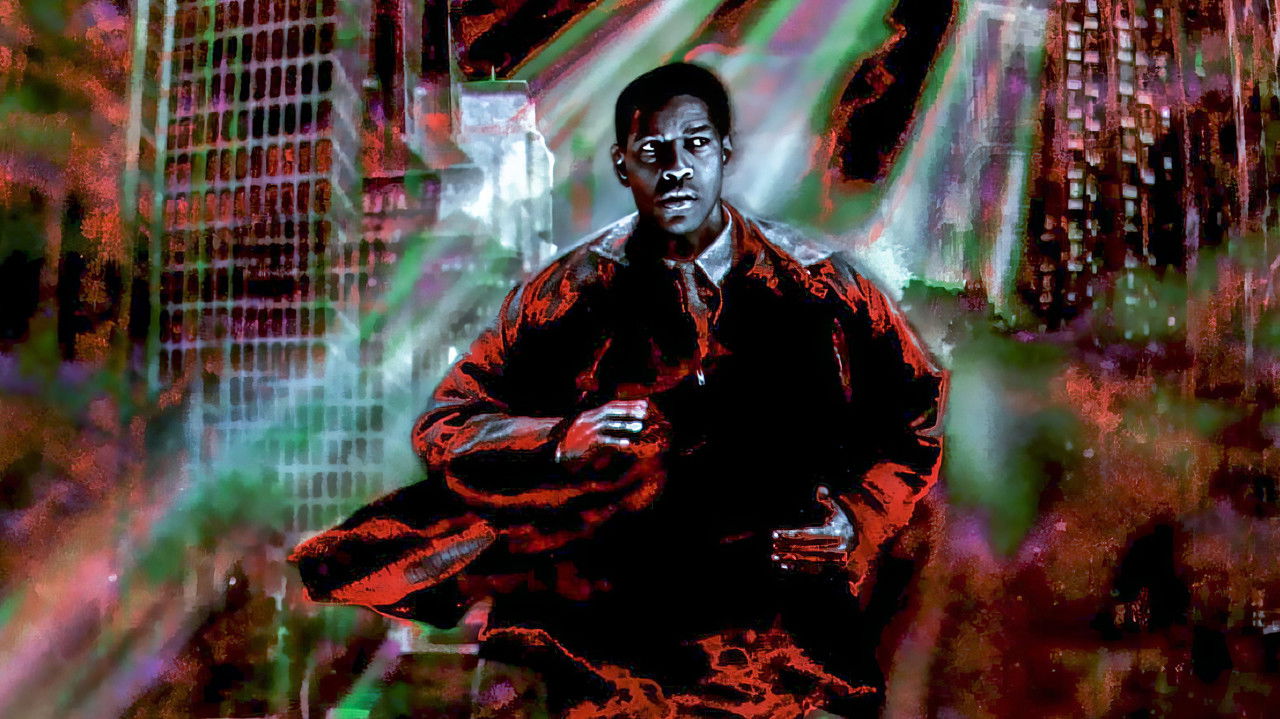
The film opens with the execution of Edgar Reese, played by an absolutely unhinged Elias Koteas (who you might remember as Casey Jones from Teenage Mutant Ninja Turtles or from his haunting work in The Thin Red Line). He’s a serial killer who goes to the gas chamber singing "Time is on My Side" by The Rolling Stones. You’d think that would be the end of it, but for Detective John Hobbes, played with effortless charisma by Denzel Washington, the nightmare is just beginning.
What makes Fallen work—and why I think it’s a tragedy it flopped so hard at the 1998 box office—is how it handles its central gimmick. The demon, Azazel, moves from person to person through physical contact. Director Gregory Hoblit (who also gave us the stellar Primal Fear) uses a distorted, yellow-tinted lens to show us Azazel’s point of view. It’s a bit of 90s stylistic flair that feels dated now, but in the context of the film’s "Modern Cinema" transition era, it’s a great example of using a visual shorthand to explain a complex supernatural rule without drowning the audience in exposition.
The sequence in the middle of the film where Azazel moves through a crowded precinct, hopping from one person to the next just to taunt Hobbes, is a masterstroke of tension. It turns a mundane public space into a minefield. Honestly, Denzel’s mustache in this movie is doing more investigative work than the actual script, and yet, he sells every second of his growing realization that he isn’t fighting a man, but a force of nature.
A Cast of Heavy Hitters
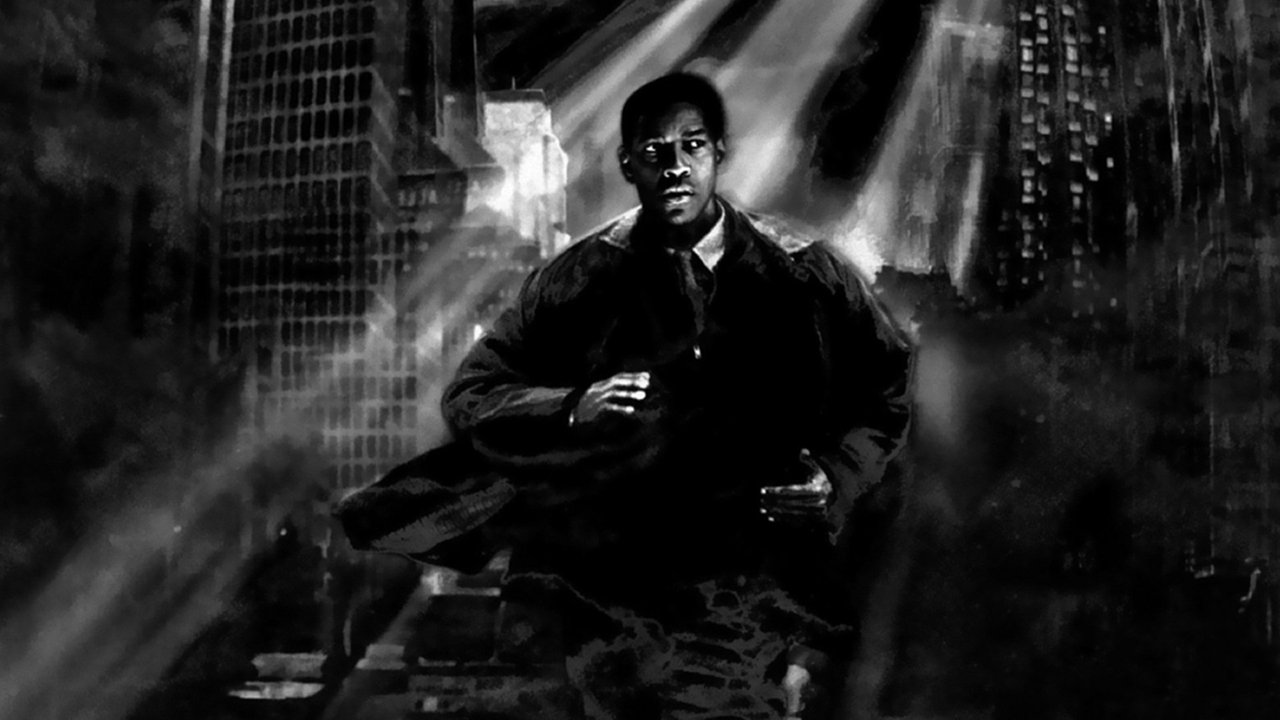
One of the joys of looking back at these late-90s gems is the "Before They Were Famous" (or "Right As They Became Famous") factor. We get James Gandolfini as Lou, Hobbes' partner, just a year before The Sopranos would change television forever. He’s great here—solid, dependable, and possessing that specific blue-collar vulnerability he was so good at. Then you have the legendary John Goodman as Jonesy, providing the warm, comedic relief that makes the eventual stakes feel much more personal.
Donald Sutherland shows up as the weary Lt. Stanton, doing that "authoritative but cryptic" thing he perfected in films like JFK and Invasion of the Body Snatchers. The ensemble is rounded out by Embeth Davidtz (Army of Darkness), who plays the daughter of a former cop who fell foul of the same entity decades earlier.
The chemistry between Denzel Washington and John Goodman is what anchors the drama. Without their lived-in friendship, the movie would just be a high-concept ghost story. Instead, it feels like a tragedy about a good man being systematically stripped of everything he relies on. It’s the kind of character-focused drama that often gets squeezed out of modern supernatural films in favor of jump scares and CGI spectacles.
The Twist and the Legacy
I won't spoil the ending, because the final five minutes of Fallen are legitimately clever. It’s one of those conclusions that recontextualizes the entire opening narration in a way that feels like a gut punch. It’s bold, cynical, and remarkably brave for a big-studio production. Apparently, the studio was nervous about the downer ending, but screenwriter Nicholas Kazan (who wrote Reversal of Fortune) fought to keep it. Thank goodness he did; without that ending, the movie would have been forgotten entirely.
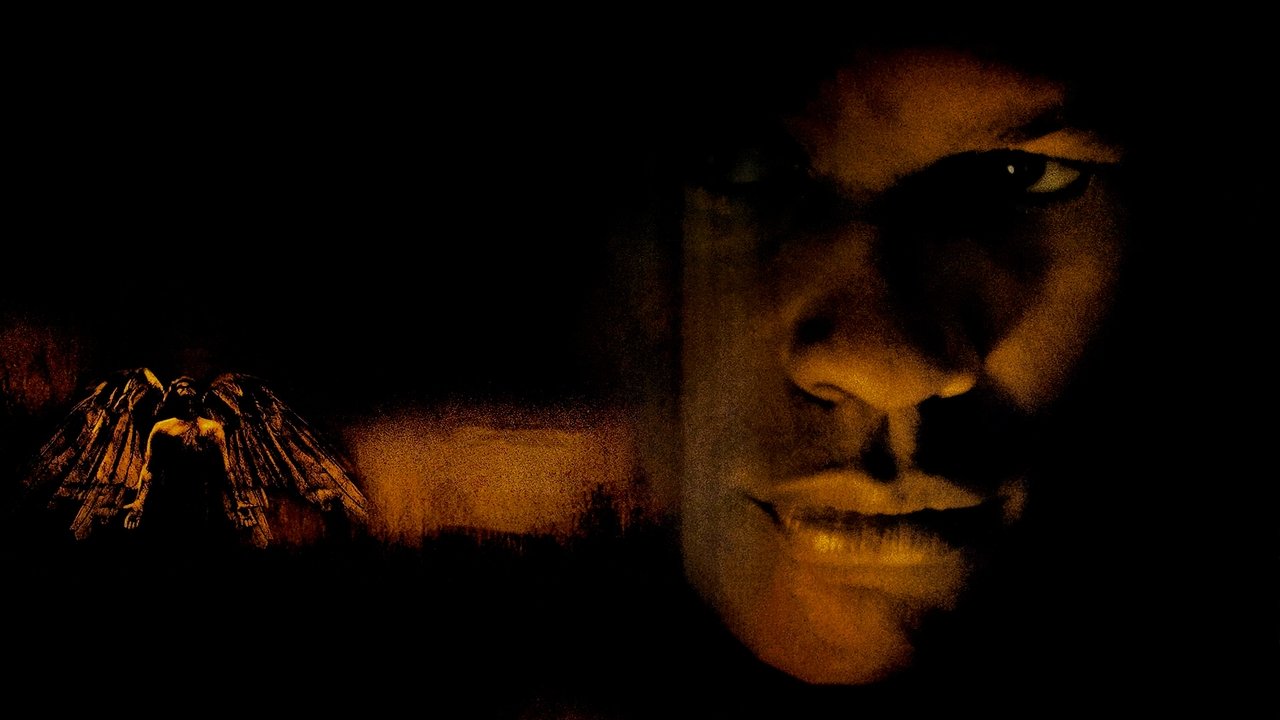
So why did it disappear? It was caught in the shadow of Titanic, which was still vacuuming up every dollar in existence in early 1998. It also didn't help that the marketing made it look like a standard copycat-killer movie rather than a theological thriller. Looking back, it captures that pre-Y2K anxiety perfectly—the feeling that there’s an ancient, unseen evil lurking just beneath the surface of our modern, rational world.
The soundtrack, featuring the haunting use of the Rolling Stones, is the final piece of the puzzle. It’s rare that a classic rock song can be made to feel genuinely menacing, but after watching this, you’ll never hear "Time is on My Side" the same way again. It becomes a taunt, a reminder that while humans are temporary, evil has all the time in the world.
The film is a relic of a time when we weren't afraid to let our leading men be vulnerable and our endings be messy. It’s got that grainy, 35mm texture that digital cinematography just can’t replicate, and a performance from Denzel Washington that reminds you why he’s been a titan for four decades. If you can find it on a streaming service or a dusty shelf, give it those two hours. Just maybe avoid shaking hands with anyone for a while afterward.
Keep Exploring...
-
Untraceable
2008
-
Primal Fear
1996
-
Frequency
2000
-
The Siege
1998
-

Out of Time
2003
-
John Q
2002
-
The Client
1994
-

Hackers
1995
-
Strange Days
1995
-
Breakdown
1997
-
Cop Land
1997
-
Kiss the Girls
1997
-
The Rainmaker
1997
-
A Simple Plan
1998
-
Arlington Road
1999
-
The Pledge
2001
-
Confessions of a Dangerous Mind
2002
-
Crimson Tide
1995
-
The Bone Collector
1999
-
The Gambler
2014