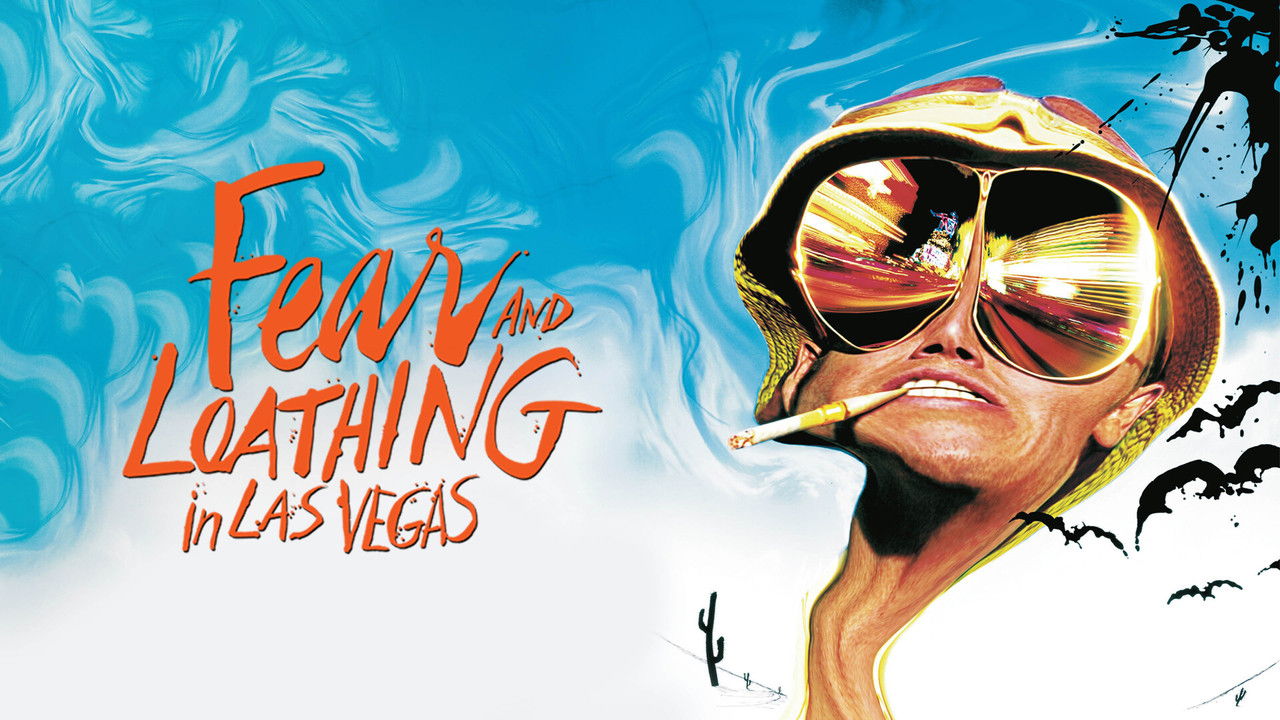
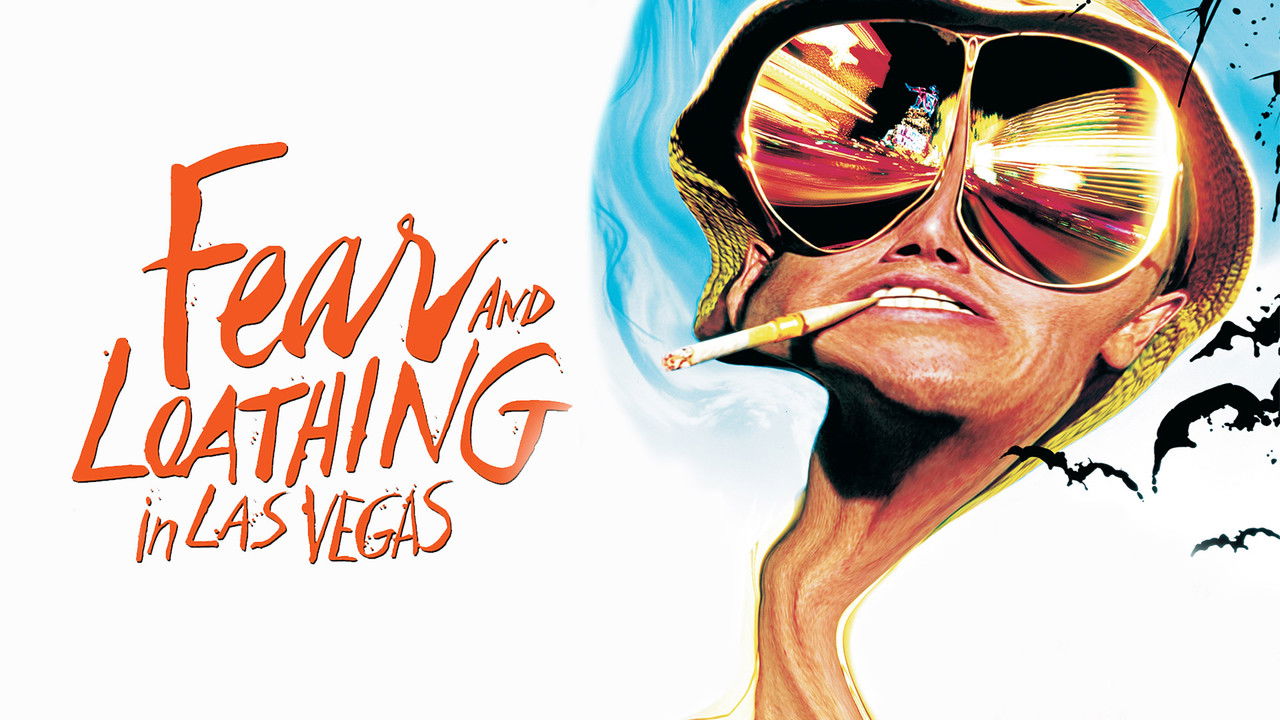
Fear and Loathing in Las Vegas
"One suitcase. Two lawyers. Zero chance of survival."
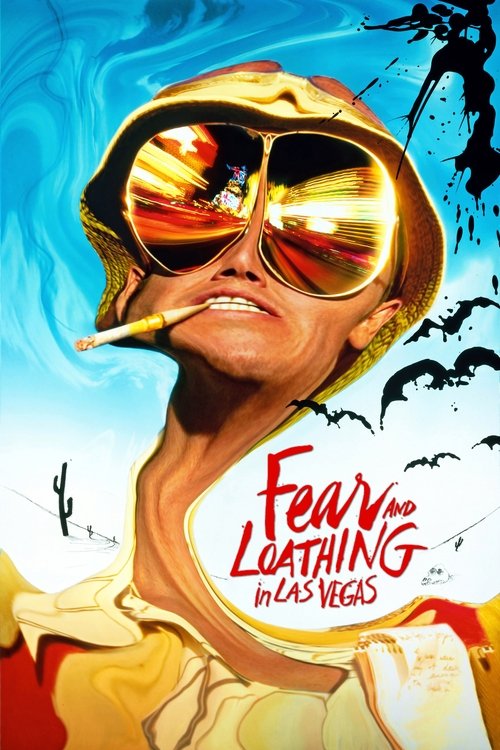
I remember watching this on a scratched-up DVD in a basement that smelled faintly of damp laundry and old pizza boxes. The menu music—that chaotic, repetitive circus theme—looped for nearly forty minutes while my roommate and I argued over who was responsible for the last bag of Cheetos. By the time we actually hit "Play," I was already in the perfect state of mind to appreciate the sheer, unmitigated lunacy of Terry Gilliam’s 1998 neon-soaked nightmare.
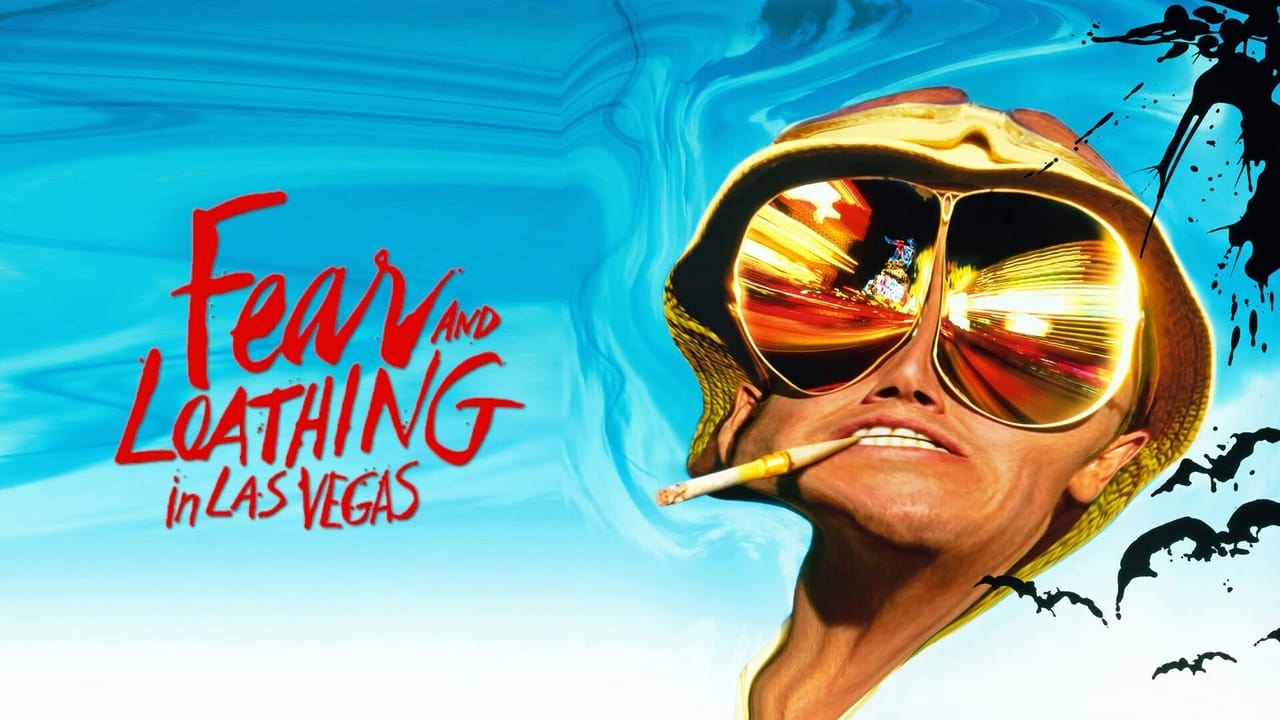
Fear and Loathing in Las Vegas is less of a movie and more of a sensory mugging. Based on Hunter S. Thompson’s legendary book, it follows Raoul Duke and his attorney, Dr. Gonzo, as they tear across the Nevada desert in a Red Shark convertible filled with enough pharmaceuticals to anesthetize a medium-sized zoo. Ostensibly, they’re there to cover a motorcycle race, but that plot point vanishes into the rearview mirror within the first ten minutes, replaced by a desperate, sweaty search for the "American Dream" amidst the glitz and grime of Sin City.
The Gonzo Metamorphosis
The first thing that hits you—even harder than the "Bat Country" opening—is the performance by Johnny Depp. This was long before he became a caricature of himself in a certain pirate franchise. Here, he’s doing something genuinely weird and obsessive. Depp reportedly spent months living in Hunter S. Thompson’s basement, letting the author shave his head and wearing Thompson’s actual, unwashed clothes from the 1970s. You can see it in the way he handles a cigarette holder or that staccato, mumbled delivery; Raoul Duke is the only role Johnny Depp never really stopped playing.
Then there’s Benicio del Toro as the Samoan lawyer, Dr. Gonzo. Looking back at this era, it’s wild to see the commitment to the "method." Del Toro famously gained 40 pounds by eating a truly heroic number of donuts every day to capture the bloated, menacing energy of Oscar Zeta Acosta (the real-life inspiration). He is terrifying and hilarious in equal measure, particularly in the scene where he demands a radio be thrown into the bathtub just as "White Rabbit" peaks. It’s the kind of performance that feels like it’s going to spill out of the screen and start a fight with you.
Gilliam’s Funhouse Mirror
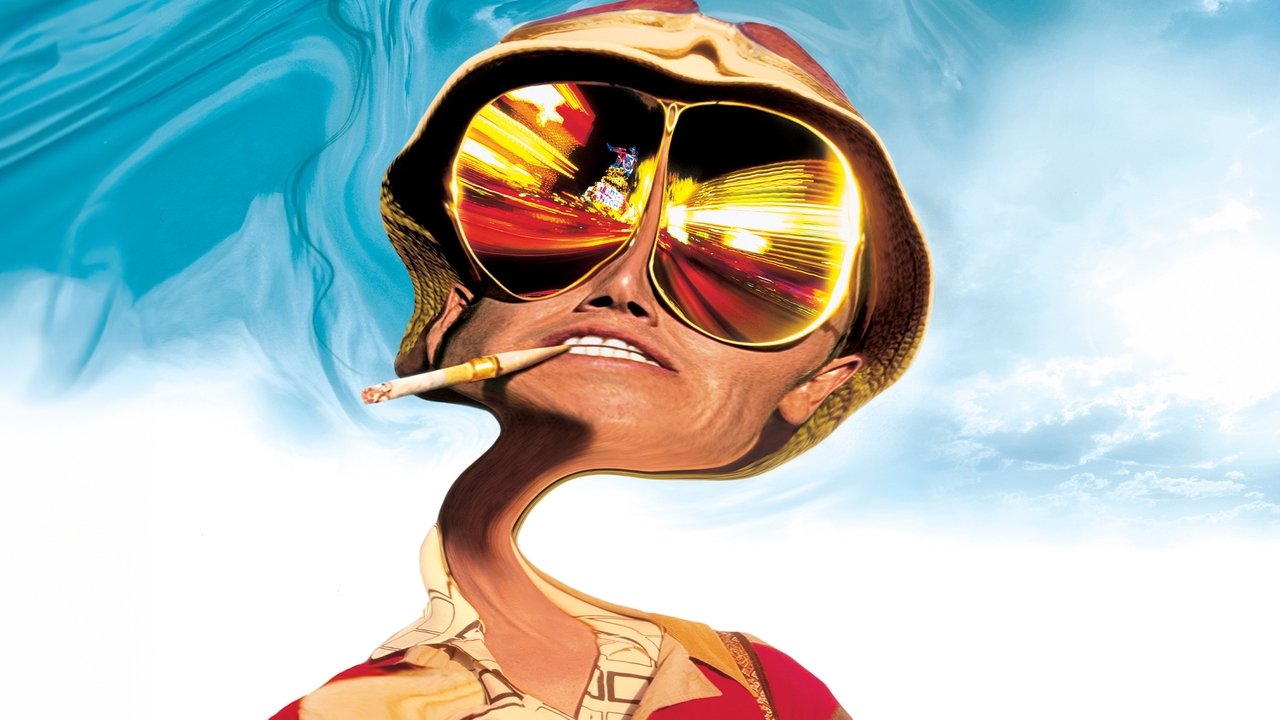
Terry Gilliam was the perfect choice to direct this. Coming off the success of 12 Monkeys, he had enough clout to convince Universal to bankroll a movie that is essentially two hours of guys having a bad trip. Gilliam’s signature style—wide-angle lenses that distort the edges of the frame and "Dutch angles" that make the world look like it’s tipping over—perfectly captures the paranoia of the source material.
What fascinates me about the production is that it’s a high-water mark for the transition from analog to digital. In today’s world, the infamous "Lizard Lounge" scene—where the hotel bar patrons transform into giant, copulating reptiles—would be 100% CGI. But in 1997, Gilliam used 25 massive, animatronic lizard suits and practical effects. Looking back, those physical costumes feel so much more grotesque and "real" than a digital render ever could. The way the light hits their slimy, rubbery scales makes you feel just as trapped and disgusted as Duke is.
It’s also worth noting the blink-and-you’ll-miss-it appearances from actors who were just starting to blow up or were already icons. A very young, bleach-blonde Tobey Maguire pops up as a terrified hitchhiker, and his expression of pure, unadulterated "I want to go home" is one of the most relatable things in cinema history.
A Cult Classic Reborn on Disc
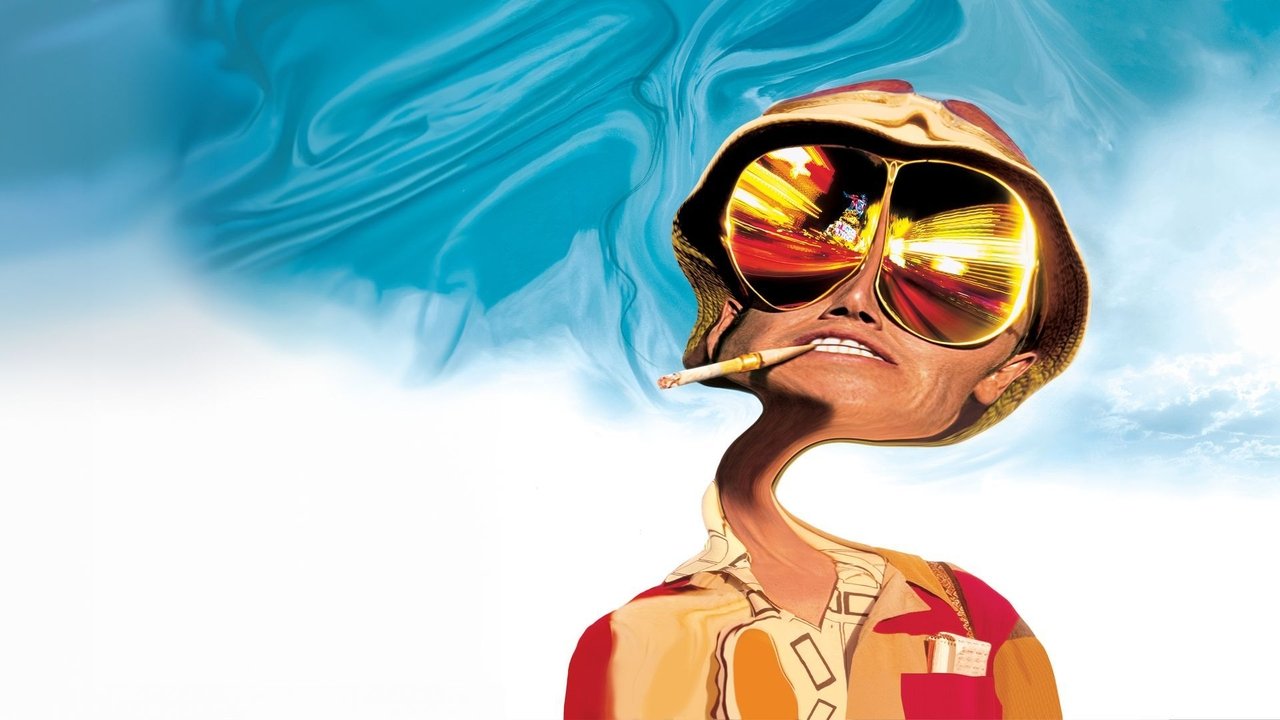
The film bombed spectacularly upon release, making back barely half its budget. Critics at the time mostly hated it, calling it repetitive and gross. But then the DVD era arrived. Fear and Loathing became one of those quintessential "home theater" titles. The Criterion Collection release, with its insane supplementals and Thompson’s own commentary, turned a theatrical flop into a permanent fixture of film student dorm rooms everywhere.
The movie captures that specific late-90s vibe of reassessing the 60s/70s counterculture with a cynical, hungover eye. It isn’t nostalgic for the era of "peace and love." Instead, it’s a autopsy of what happens when that energy runs out of gas in the middle of a desert. It’s loud, it’s messy, and it’s basically a $19 million home movie made by geniuses on a bender.
If you haven't revisited it lately, do it. It’s an endurance test, sure, but it’s one of the few films from that decade that still feels genuinely dangerous. Just maybe skip the Cheetos during the bathroom scene.
Ultimately, this movie is a masterpiece of discomfort. It doesn’t care if you’re having a good time; it only cares if you’re feeling the same frantic, vibrating anxiety as its protagonists. It’s a beautifully shot, superbly acted wreck of a film that proved Terry Gilliam could handle the "unfilmable" book. Buy the ticket, take the ride, and just be glad you don't have to clean the hotel room afterward.
Keep Exploring...
-
The Brothers Grimm
2005
-

The Darjeeling Limited
2007
-
Holes
2003
-
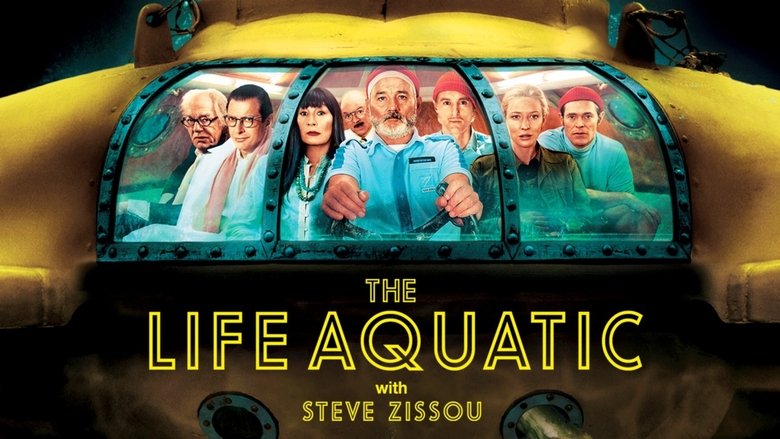
The Life Aquatic with Steve Zissou
2004
-
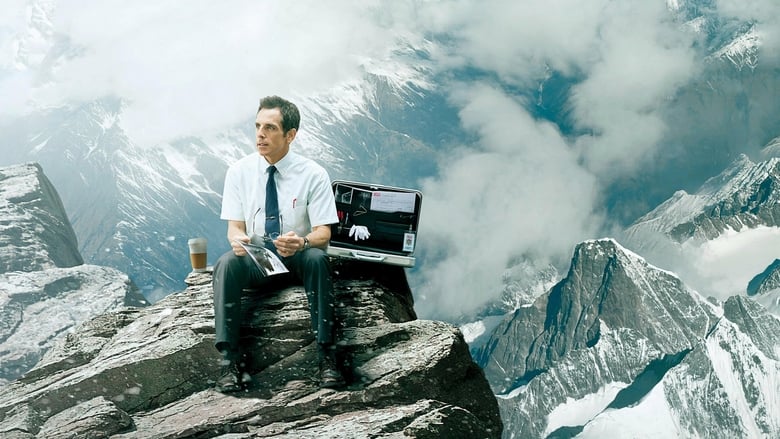
The Secret Life of Walter Mitty
2013
-
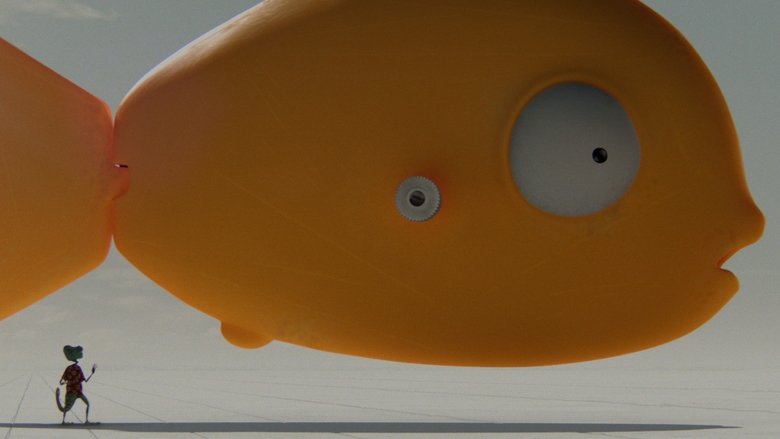
Rango
2011
-
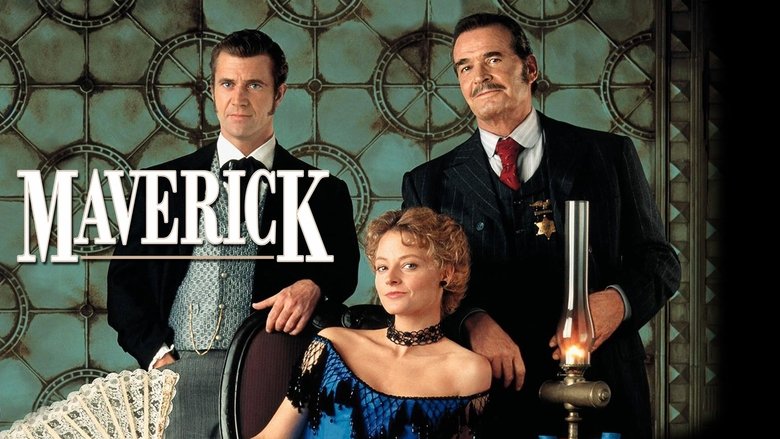
Maverick
1994
-
Ed Wood
1994
-
Dogma
1999
-
High Fidelity
2000
-
O Brother, Where Art Thou?
2000
-
Punch-Drunk Love
2002
-
Bad Santa
2003
-
Casanova
2005
-
Inherent Vice
2014
-
The Imaginarium of Doctor Parnassus
2009
-
Time Bandits
1981
-
The Adventures of Baron Munchausen
1988
-
The Fisher King
1991
-
Last Action Hero
1993