Happiness
"Smile until your face starts to crack."
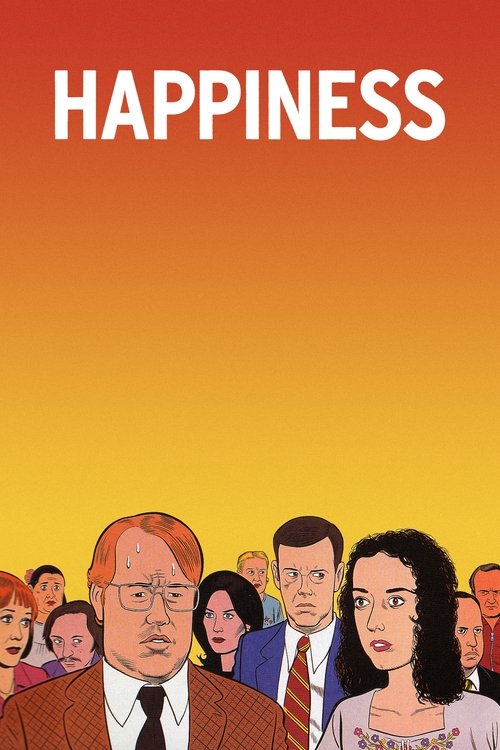
The 1998 Sundance Film Festival must have felt like a fever dream. While the rest of the world was gearing up for the candy-coated pop of Britney Spears and the blockbusting spectacle of Armageddon, a quiet, bespectacled man named Todd Solondz arrived with a film that felt like a hand grenade tossed into a Tupperware party. Happiness is a movie that shouldn't work. It deals with the most radioactive social taboos imaginable—pedophilia, obscene phone calls, and the crushing weight of suburban ennui—yet it manages to be one of the most profoundly human films of the 1990s.
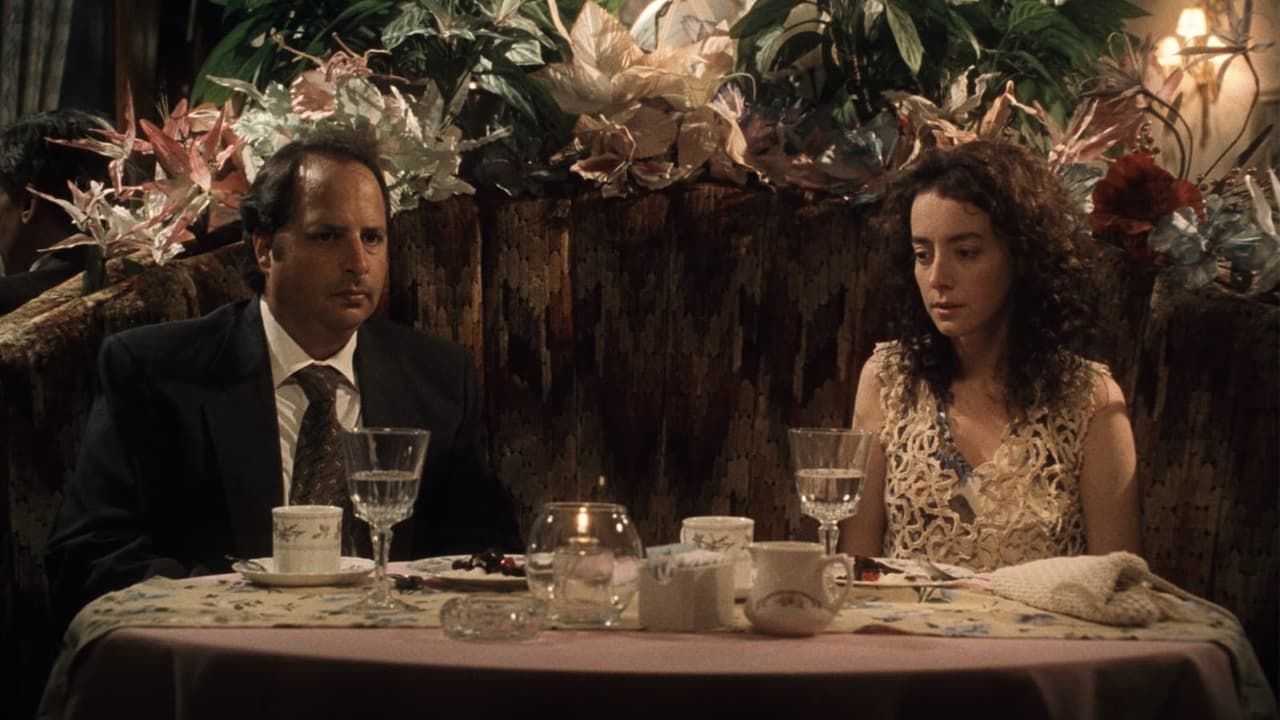
I watched this recently on a humid Tuesday evening while my neighbor’s leaf blower roared outside for two straight hours. Honestly, the monotonous, aggressive drone of suburban maintenance was the perfect soundtrack for a film that peels back the manicured lawns of New Jersey to reveal the termites underneath.
The Indie Revolution and the "Universal" Problem
Looking back at the late 90s, we were in the middle of a massive indie film renaissance. This was the era of Good Machine and Killer Films, where filmmakers were finally getting the keys to the kingdom to tell stories that the studio system wouldn't touch with a ten-foot pole. Happiness is the ultimate poster child for this defiance. It was originally supposed to be released by October Films, which was owned by Universal. When the suits saw the finished product—specifically the scenes involving Dylan Baker—they panicked. They essentially dumped the film, forcing the producers to release it independently.
It was a landmark moment for the DVD culture that followed. I remember the cult-like status this movie held in video stores; it was the "forbidden" disc that you recommended to friends just to see the look on their faces. It wasn't just shock value, though. Unlike the CGI-heavy spectacles of the era, Solondz relied on a dry, almost clinical cinematography by Maryse Alberti to let the discomfort sit in the room like an unwanted guest. There are no jump cuts to save you here; the camera just stares.
Performances That Humanize the Unthinkable

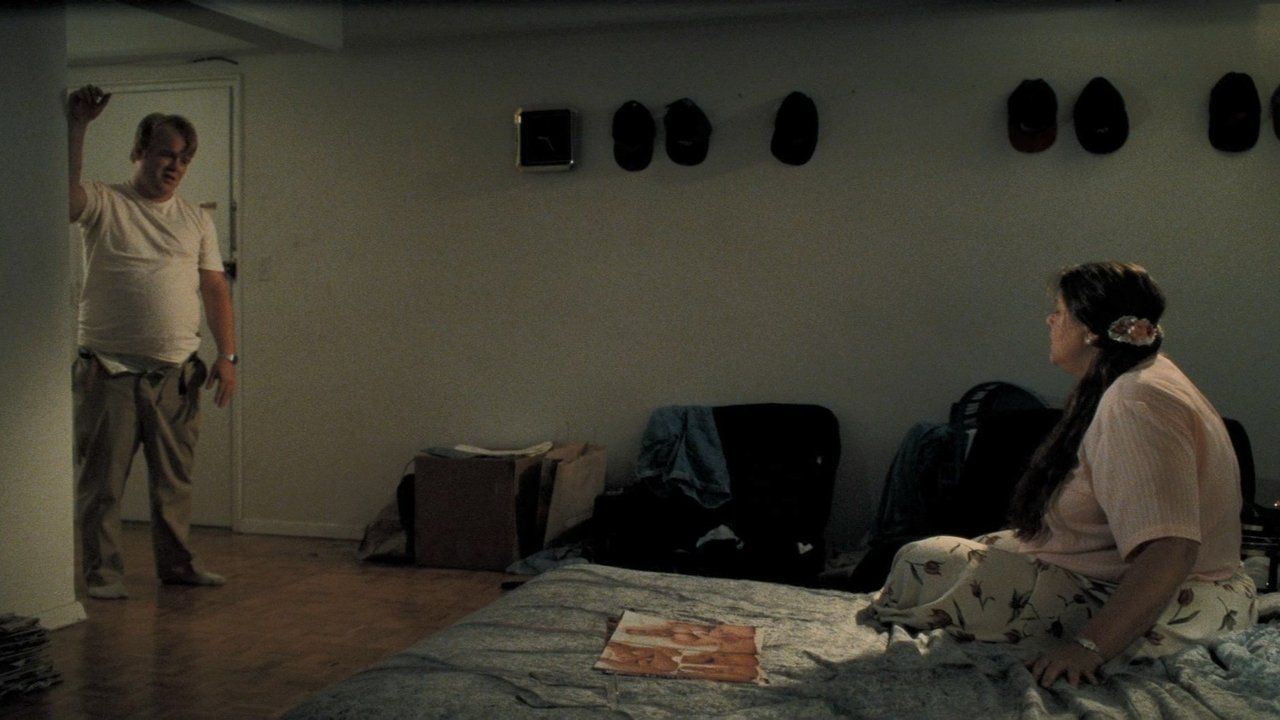
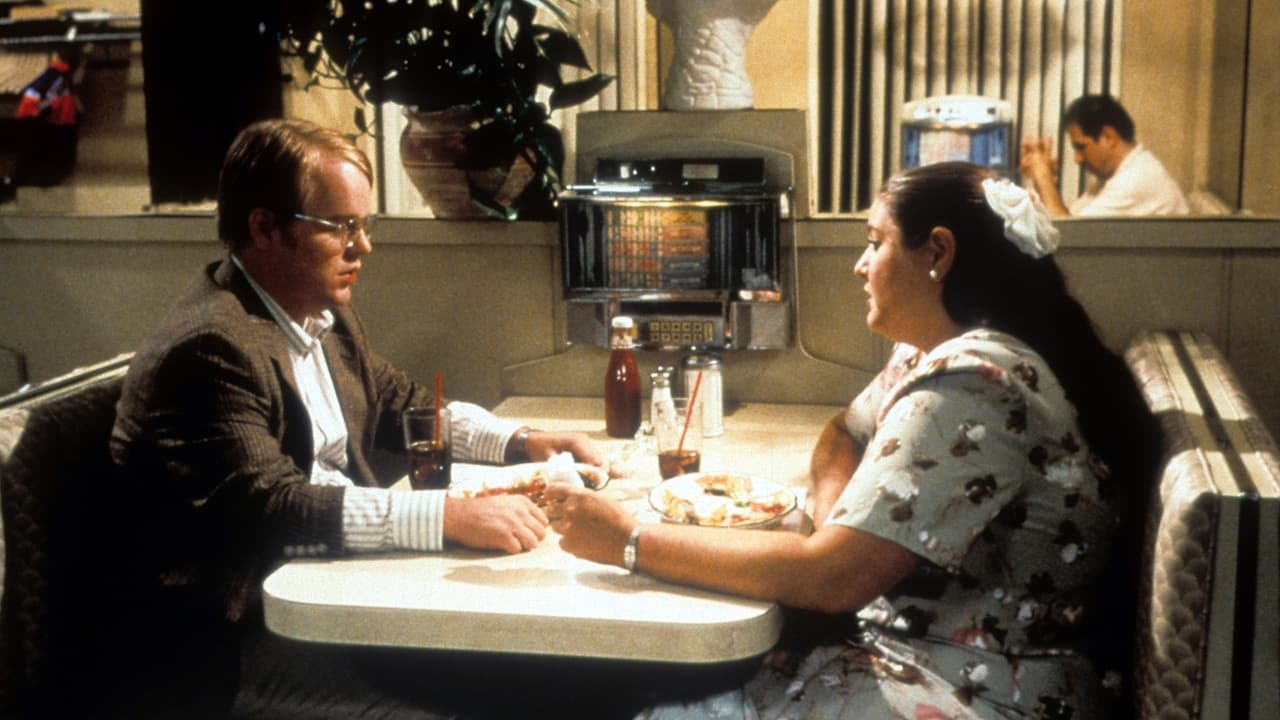
The cast is a literal "who’s who" of late-90s character actors delivering the best work of their careers. Jane Adams plays Joy Jordan, the "sensitive soul" of the family, with such a fragile, heart-shattering earnestness that you just want to buy her a coffee and tell her everything will be okay (even though it won't). Then there’s Philip Seymour Hoffman as Allen. This was before he was the world’s most celebrated actor, back when he was the king of playing the sweaty, desperate fringe-dweller. His phone-call scenes are a masterclass in awkwardness—he manages to make a heavy breather look like a tragic Shakespearean hero.
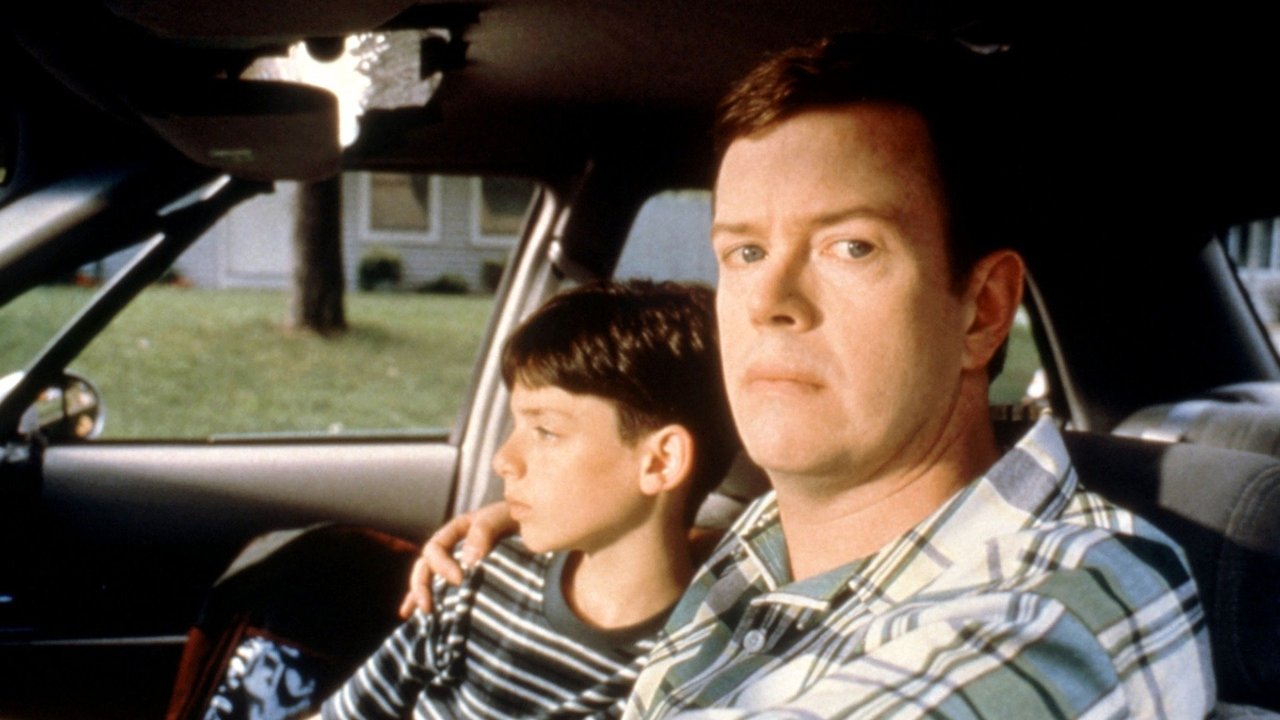
But we have to talk about Dylan Baker as Bill Maplewood. It is one of the most courageous, terrifying performances in cinema history. He plays a monster who looks exactly like the "World's Best Dad" on a coffee mug. The scene where he explains his "illness" to his son is legendary not because it’s graphic—it isn't—but because of how matter-of-fact it is. This film makes American Beauty look like a Disney Channel Original Movie. While other films of the era were poking fun at suburban plasticness, Solondz was doing a deep-tissue massage on the collective trauma of the American middle class.
Small Budget, Huge Impact
Made for a mere $3 million, Happiness is proof that you don't need a massive budget if you have a script that cuts like a razor. The production was a classic indie hustle; they shot in New Jersey on a tight schedule, and the "Collection" vibe of the film—intertwining stories—allowed them to maximize the cast's limited time. It’s funny in a way that makes you feel like you need a shower afterward. When Cynthia Stevenson, playing the "perfect" sister Trish, talks about how happy her life is while her husband is secretly spiraling, it’s a dark, satirical jab at the Y2K-era obsession with "having it all."
The film won the FIPRESCI Prize at Cannes, which is basically the "critics think you’re a genius" award, and it cemented Solondz as the premiere poet of the pathetic. It’s a movie that asks you to find empathy for people who don't deserve it, and in doing so, it forces you to look at your own messy, complicated humanity. It’s not a "comfortable" watch, but it’s an essential one.
Happiness is a jagged pill that stays in your system for years. It’s a time capsule of an era when indie cinema was brave enough to be truly dangerous, before everything was sanded down for franchise viability. If you have the stomach for it, it's a brilliant, haunting, and unexpectedly moving experience. Just maybe don't watch it with your parents.
Keep Exploring...
-
Buffalo '66
1998
-
Friday
1995
-
Chasing Amy
1997
-
Secretary
2002
-
Chungking Express
1994
-
The Adventures of Priscilla, Queen of the Desert
1994
-
The Postman
1994
-
Good Bye, Lenin!
2003
-
Night on Earth
1991
-
Garden State
2004
-

The Squid and the Whale
2005
-
High School Musical
2006
-
Super
2010
-
The Kids Are All Right
2010
-
Beginners
2011
-
Robot & Frank
2012
-
The First Time
2012
-

The Kings of Summer
2013
-
The Spectacular Now
2013
-
The Way Way Back
2013