Jack Frost
"He’s the world’s coolest dad—literally."
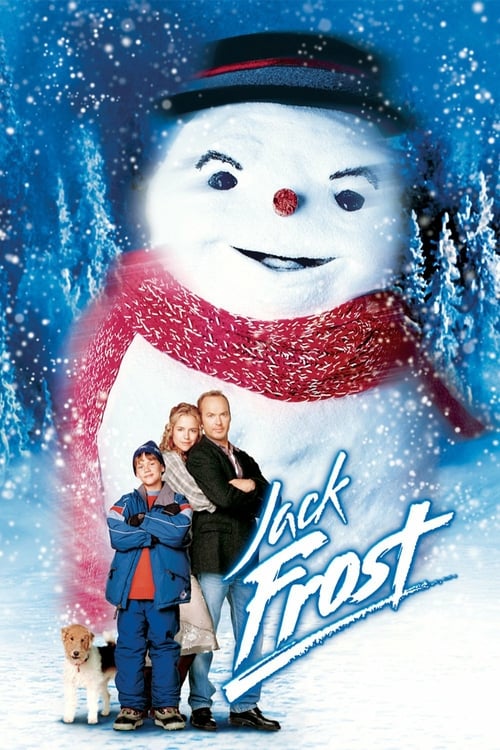
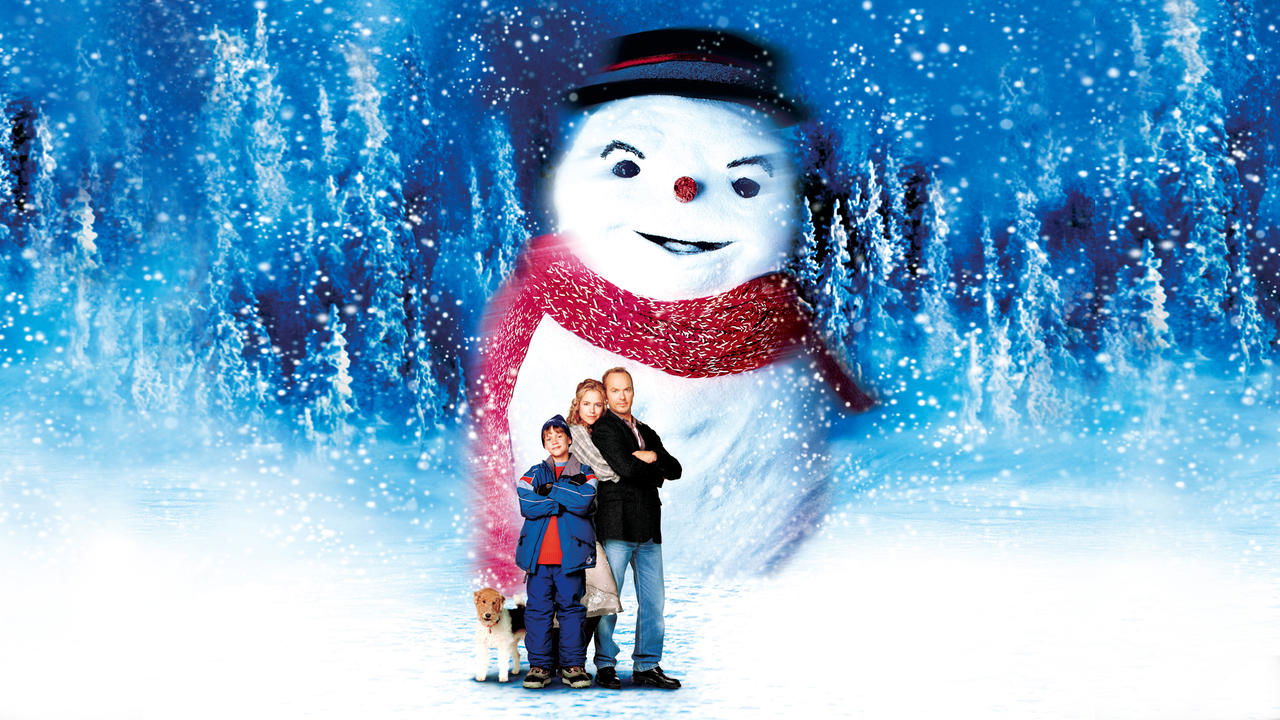
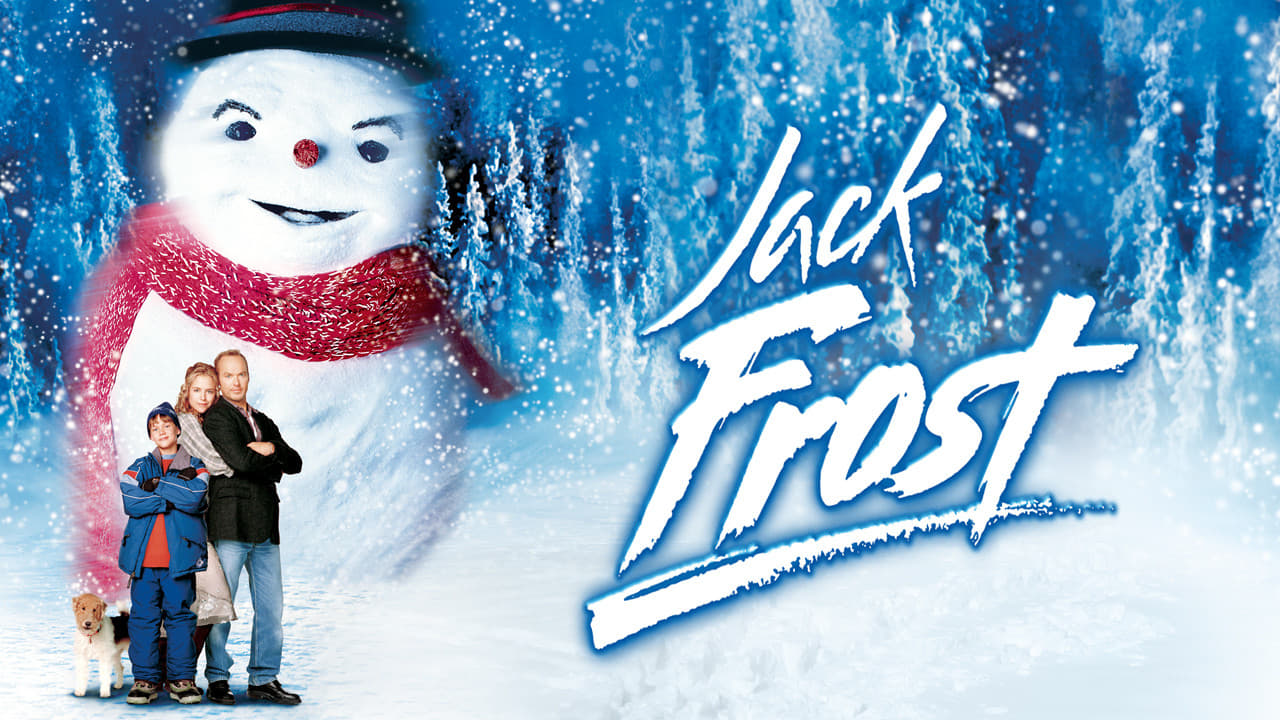
I remember staring at the box art in a Blockbuster back in the day, genuinely confused as to why Michael Keaton—the man who gave us Beetlejuice and Batman—had been transformed into a giant, sentient marshmallow. Looking back, Jack Frost (1998) stands as one of the weirdest artifacts of the late-90s transition from practical effects to digital wizardry. It’s a movie that attempts to blend the whimsical magic of a Rankin/Bass special with the soul-crushing weight of a terminal diagnosis drama. I watched this recently while drinking a mug of peppermint tea that was slightly too hot, and that mild tongue-scald was an appropriate physical companion for the experience of watching this film.
The Uncanny Valley of Christmas Past
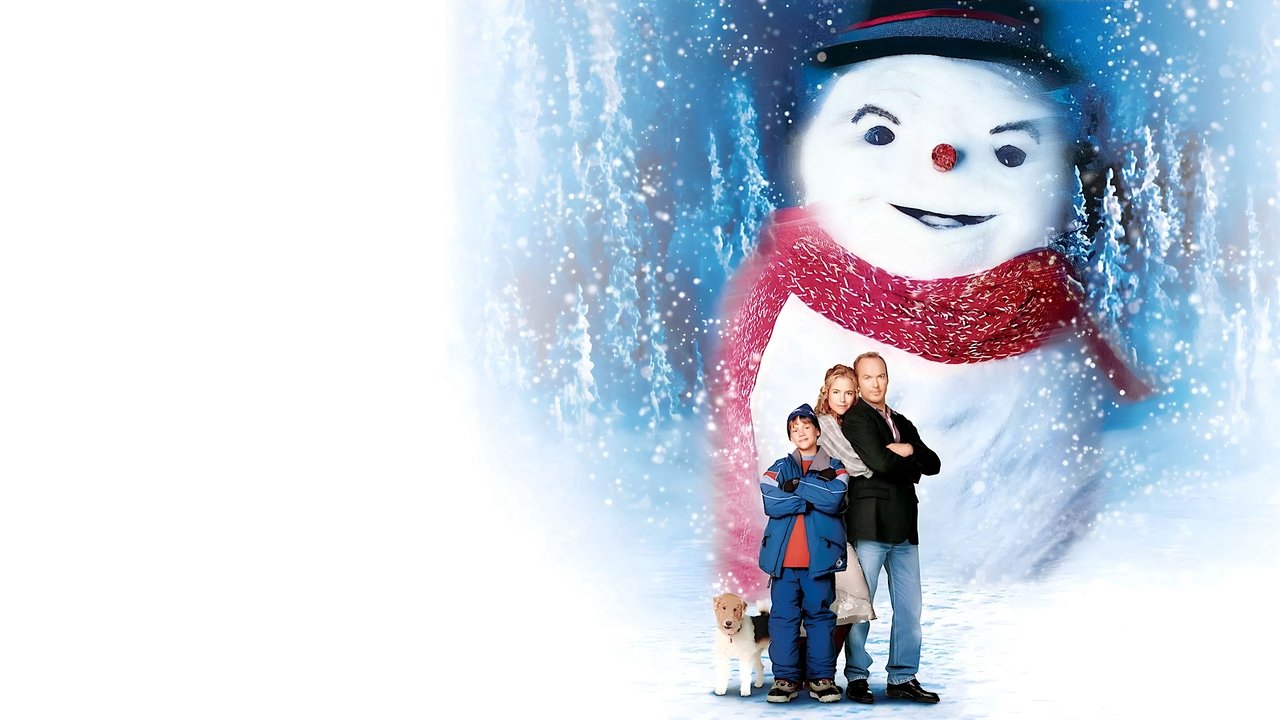
There is no way to talk about Jack Frost without addressing the Snowman in the room. This was a high-stakes collaboration between the legendary Jim Henson’s Creature Shop and the burgeoning world of CGI. The result is a creature that exists in a permanent state of "uncanny valley." At times, the practical suit looks cuddly and tactile; at others, when the digital facial animations kick in to allow Michael Keaton to deliver his trademark smirk, the effect is nothing short of a festive sleep paralysis demon.
In 1998, we were still figuring out how to make non-human faces emote without looking like they were melting into a digital abyss. While Jurassic Park had mastered the lizard brain five years earlier, trying to map Keaton’s frantic, jazz-inflected energy onto a pile of frozen water was a bridge too far for the tech of the time. Yet, there’s an ambition here I have to respect. It was a moment where Hollywood was throwing $27 million at "what if" scenarios, before everything became a polished, predictable franchise.
A Sled-Full of Heavy Themes
What’s truly fascinating—and arguably what makes the movie a "Drama" more than a "Comedy"—is its relentless focus on grief. For a family flick, the first act is surprisingly bleak. Jack is a musician who is constantly letting his son, Charlie (Joseph Cross), down. When Jack dies in a snowy car crash on Christmas Eve, the movie doesn't pivot to hijinks immediately. It lingers on the hollowed-out silence of the Frost household.
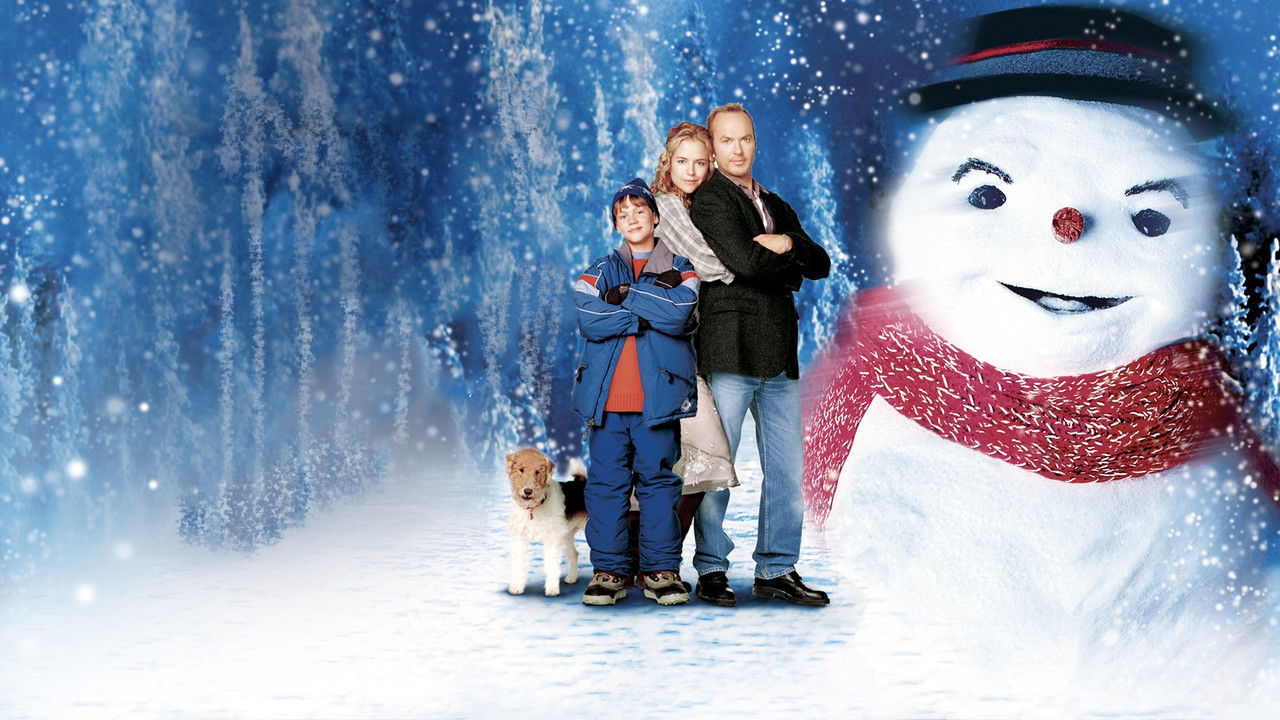
Kelly Preston is tasked with the unenviable role of the grieving widow, Gabby. She brings a grounded, quiet dignity to the role that feels like it belongs in a much more prestigious Oscar-bait film. When she’s on screen, you almost forget there’s a talking snowman outside. Joseph Cross also deserves a shout-out; he avoids the "precocious movie kid" tropes, playing Charlie with a raw, frustrated sadness that makes the eventually supernatural reunion feel earned rather than just goofy.
The script, co-written by Mark Steven Johnson (who would later give us Daredevil), is the emotional equivalent of a root canal wrapped in tinsel. It asks a lot of a ten-year-old audience: to process the sudden death of a parent and then accept a second-chance narrative where that parent returns as a temporary, melting avatar.
The Rollins and the Regret
One of the most "90s" elements of the film is the supporting cast. We get Mark Addy (fresh off The Full Monty) as the loyal best friend, but the real curveball is Henry Rollins. Seeing the Black Flag frontman playing Sid Gronic, an icy-hearted hockey coach, is the kind of casting choice that makes you miss the era before every role was focus-grouped to death.
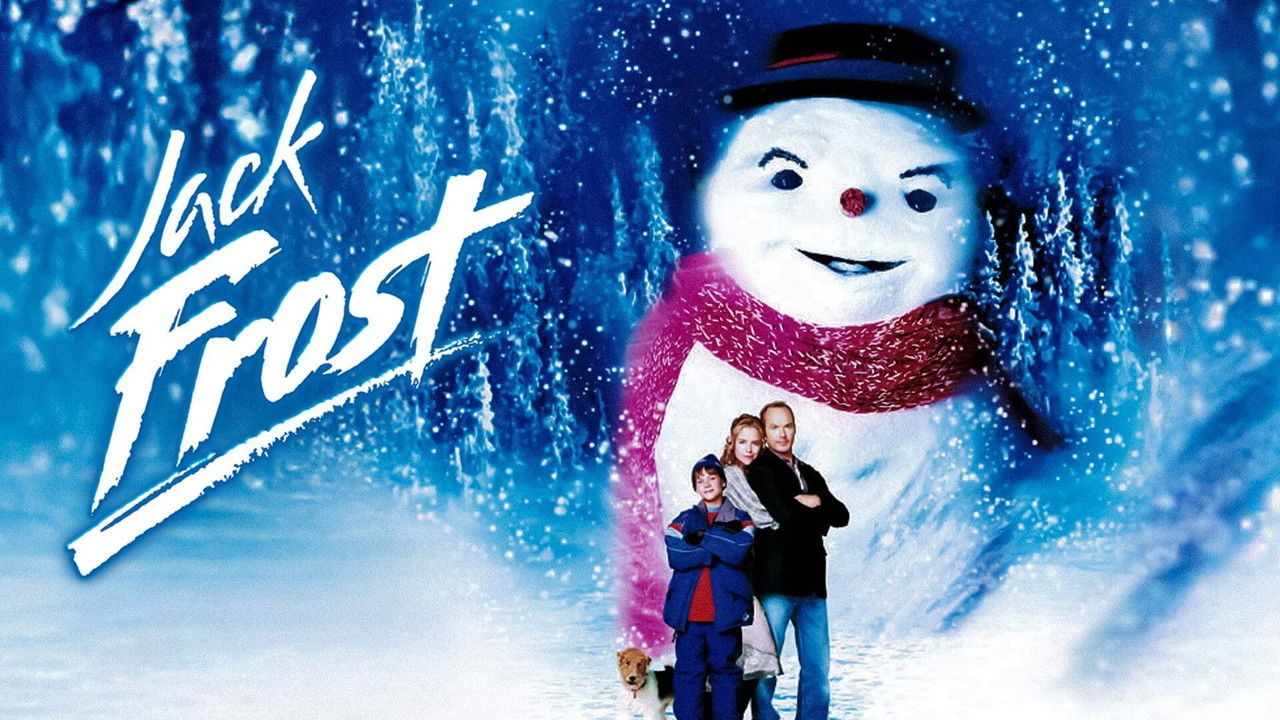
The film's pacing is erratic, swinging from slapstick sled chases to tear-jerky conversations about "The Medallion" and missed opportunities. The music by Trevor Rabin (of the band Yes) tries to bridge these gaps, shifting from bluesy rock to orchestral swells, but the movie never quite decides if it wants to be Liar Liar or Ghost.
In the pantheon of 90s cinema, Jack Frost is often remembered as a flop or a punchline because of its titular character's design. But watching it now, it’s a striking example of a "Modern Cinema" era drama—a time when studios were willing to get weird, get sad, and experiment with technology that wasn't quite ready for primetime. It’s a film about the desperate desire to say one last thing to the people we love, even if we have to look like a heap of slush to do it.
It’s a tonal mess that features a visual effect that will haunt your dreams, but the central performances by Kelly Preston and Joseph Cross give it an unexpected heartbeat. It’s a fascinating, if flawed, exploration of 90s "traumedy" that reminds me why I love the risks of that decade. You won't walk away thinking it's a masterpiece, but you'll certainly never forget the sight of Michael Keaton's voice coming out of that frozen face.
Keep Exploring...
-
Just My Luck
2006
-
The Odd Life of Timothy Green
2012
-
What a Girl Wants
2003
-

The Swan Princess
1994
-
Jack
1996
-
The Kid
2000
-
The Santa Clause 2
2002
-
The Santa Clause
1994
-

Babe
1995
-
First Daughter
2004
-

Ice Princess
2005
-
Nim's Island
2008
-
Aliens in the Attic
2009
-
A Thousand Words
2012
-
The Cobbler
2014
-

Wizards of Waverly Place: The Movie
2009
-
The NeverEnding Story II: The Next Chapter
1990
-
Shallow Hal
2001
-

Cheaper by the Dozen
2003
-
Holes
2003