Kirikou and the Sorceress
"Small in size, but a giant of the spirit."
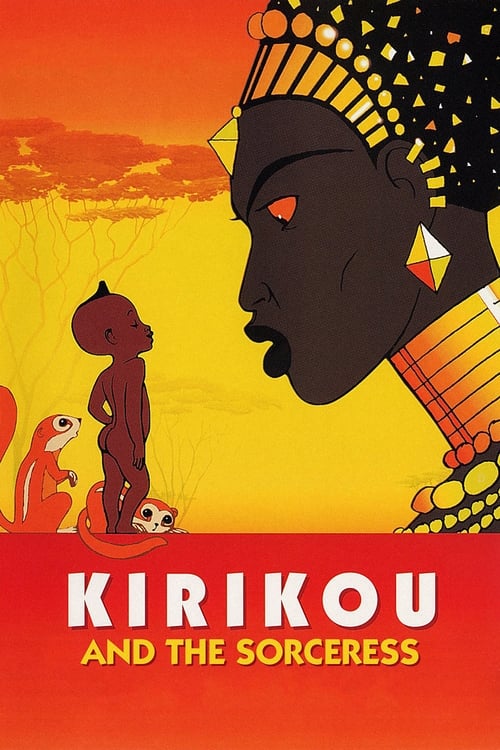
"Mother, give me birth!"

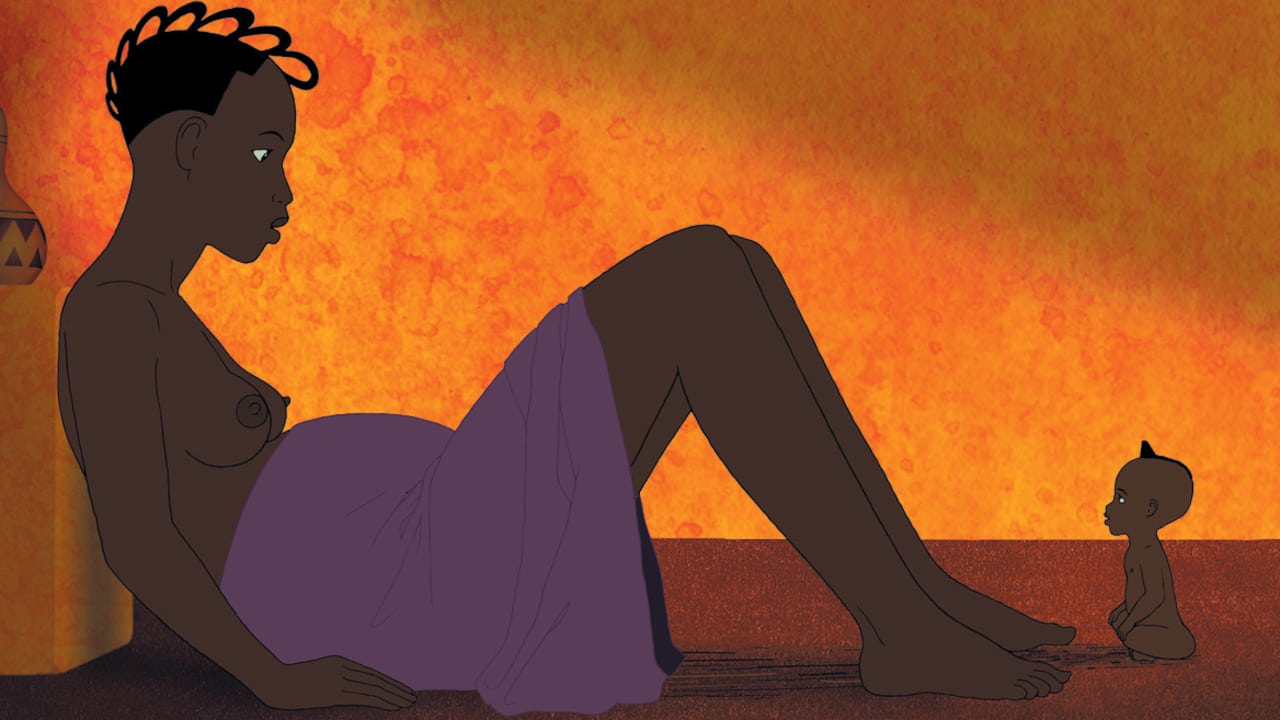
That’s how Kirikou and the Sorceress begins. Not with a "once upon a time," but with a tiny voice speaking from inside a womb, followed by a naked, miniature boy literally walking himself into the world, cutting his own umbilical cord, and immediately asking for a bath. If you’re used to the sanitized, formulaic "hero’s journey" of 1990s Disney, this 71-minute blast of West African folklore is going to feel like a cold, refreshing bucket of water to the face.
I first caught this on a grainy DVD years ago while my neighbor was outside unsuccessfully trying to learn the tuba. The discordant, brassy honks from next door oddly complemented the tension of the village scenes, making the eventual arrival of Youssou N'Dour’s (of Egypt fame) magnificent, rhythmic score feel like a divine intervention.
The Wisdom of a Three-Inch Hero
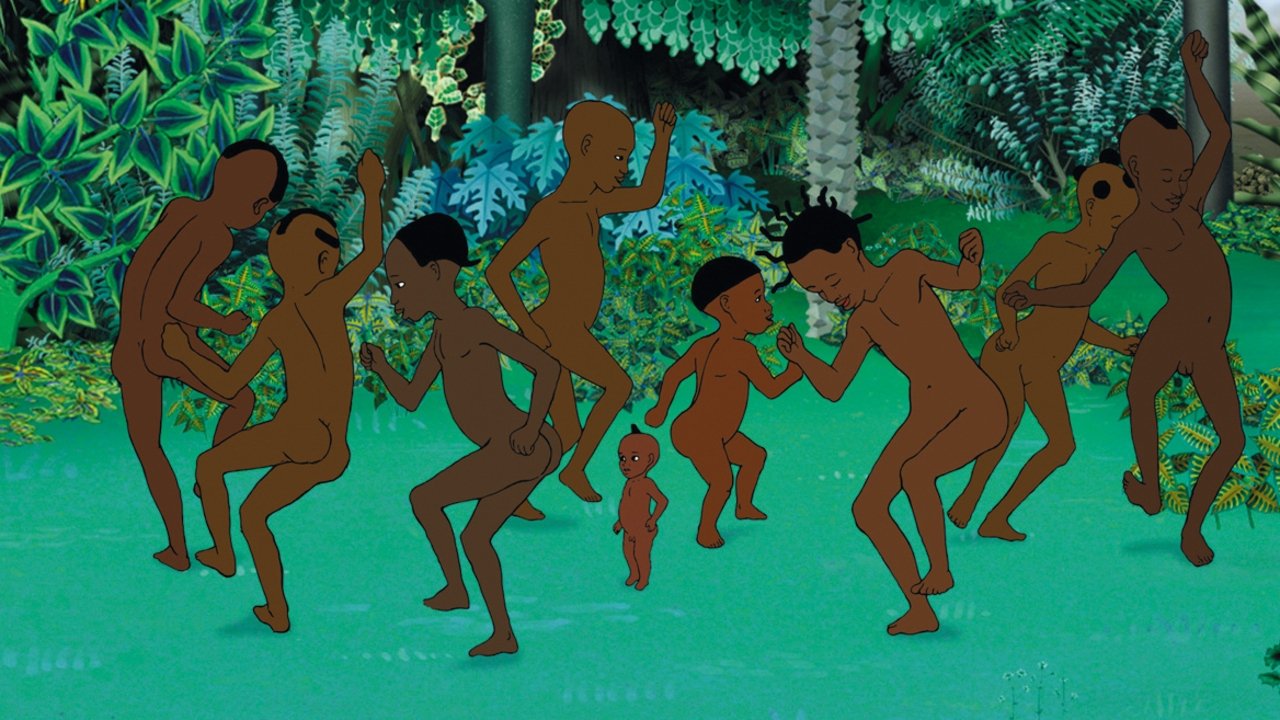
Directed by Michel Ocelot, who spent much of his childhood in Guinea, Kirikou arrived in 1998—the same year as Mulan and A Bug’s Life. While the rest of the world was sprinting toward the "plastic-wrap" look of early CGI or the hyper-active slapstick of the Renaissance era, Ocelot went the other way. He leaned into a flat, lush aesthetic that looks like a Henri Rousseau painting came to life and decided to dance.
The plot is deceptively simple: The village is under a curse. The men have vanished, the water has stopped flowing, and a terrifying sorceress named Karaba (Awa Sène Sarr) is to blame. Most stories would give the hero a sword and a destiny. Instead, Kirikou—voiced with a wonderful, matter-of-fact curiosity by Doudou Gueye Thiaw—asks the one question that villains hate most: "Why?"
Most Western animation treats children like idiots, but Kirikou treats them like philosophers. He doesn't just want to defeat Karaba; he wants to know why she’s so mean. It’s a level of psychological depth you rarely see in "family" films. The quest takes him through underground tunnels and across parched plains, leading to a confrontation that is less about a physical brawl and more about an act of profound empathy.
A Visual Rebellion in the Age of Pixels
Looking back at the late 90s, this film feels like a brave holdout for 2D artistry. At a time when Pixar was proving that computers could render every individual hair on a monster, Ocelot was proving that a simple, elegant line could convey just as much soul. The character designs are inspired by traditional African art—elongated limbs, bold patterns, and a vibrant use of color that makes the screen feel hot to the touch.
There’s a specific "tactile" quality to the animation. When Kirikou hides inside a carved wooden fetish or navigates the lush, oversized flora, you can almost feel the texture of the grain and the waxy surface of the leaves. It’s a testament to the fact that CGI might have won the box office war, but hand-drawn art like this won the war for my eyeballs.
It’s also worth noting the film’s "controversy" in English-speaking markets. Because the characters are depicted in their natural state—which is to say, without clothes—the film faced absurd hurdles from distributors who wanted to digitally add bras or shorts. Ocelot refused, and thank goodness for that. To censor Kirikou would be to strip it of its honesty and cultural specificity. It isn't sexualized; it’s just life.
The Independent Hustle
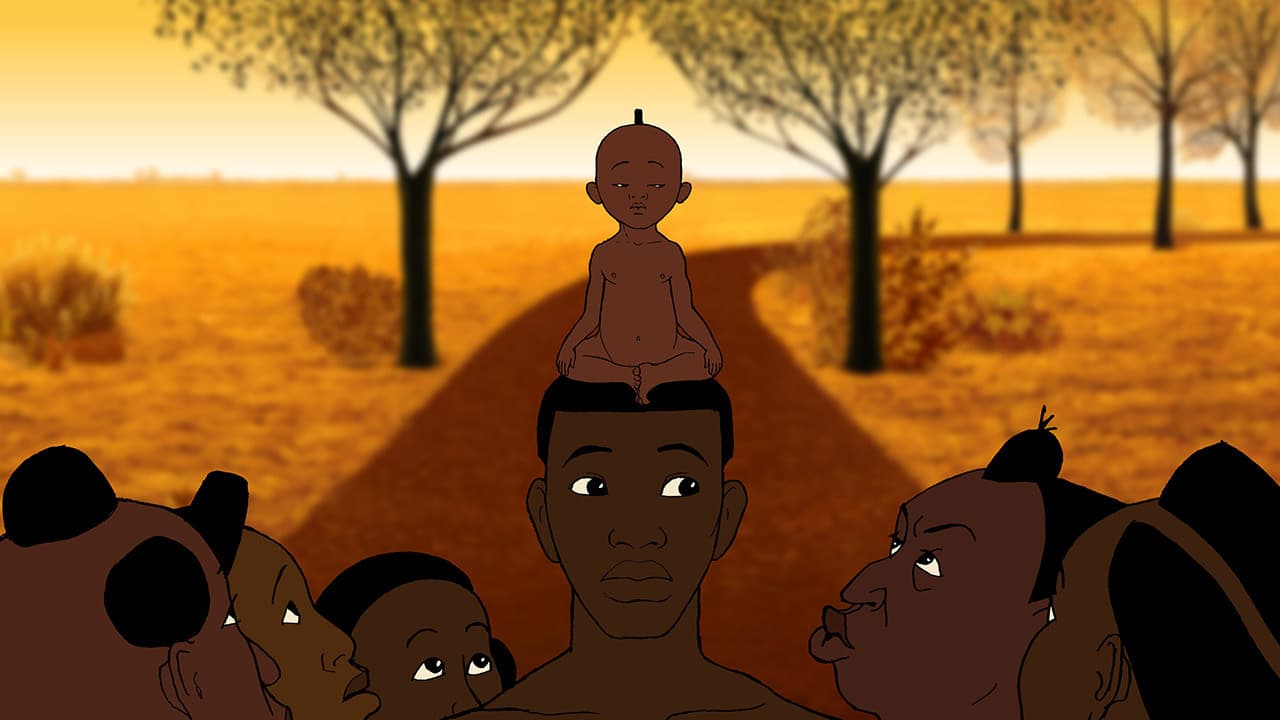
Behind the scenes, this was a true indie labor of love. While Disney was throwing $90 million at a single production, Ocelot was piecing this together with a fraction of that budget (around $4.5 million). He moved the production between France, Belgium, and Luxembourg, navigating the kind of "independent film hustle" that usually defines Sundance darlings rather than animated adventures.
The gamble paid off. It became a massive sleeper hit in France, outperforming major Hollywood blockbusters and proving that there was a hungry audience for stories that didn't follow the Burbank blueprint. It eventually spawned a franchise, including Kirikou and the Wild Beasts, but nothing quite captures the lightning-in-a-bottle magic of this original entry.
The cast, featuring Maimouna N'Diaye as the mother and Robert Liensol as the Sage of the Mountain, brings a grounded, theatrical gravity to the dialogue. They don't talk down to the audience. Even the peril feels real—when Karaba threatens the village, you feel the heat of her rage.
In an era defined by the rise of the digital franchise, Kirikou and the Sorceress remains a towering achievement of traditional storytelling. It’s an adventure that feels both ancient and radical, a 71-minute journey that manages to say more about courage, trauma, and curiosity than most three-hour epics. If you have five minutes to spare before your bus, go find the trailer. If you have an hour, watch the whole thing. You won't look at "heroes" the same way again.
Keep Exploring...
-
James and the Giant Peach
1996
-
Anastasia
1997
-
Hercules
1997
-

The Emperor's New Groove
2000
-
The Road to El Dorado
2000
-
Shrek
2001
-

The Cat Returns
2002
-
Treasure Planet
2002
-

Sinbad: Legend of the Seven Seas
2003
-
DuckTales: The Movie - Treasure of the Lost Lamp
1990
-
The Rescuers Down Under
1990
-

Aladdin
1992
-
Porco Rosso
1992
-
Shrek 2
2004
-

The Polar Express
2004
-

The SpongeBob SquarePants Movie
2004
-
Horton Hears a Who!
2008
-
Tinker Bell and the Lost Treasure
2009
-
How to Train Your Dragon
2010
-
Legend of the Guardians: The Owls of Ga'Hoole
2010