Lethal Weapon 4
"Old dogs, new kicks, and a very fast villain."
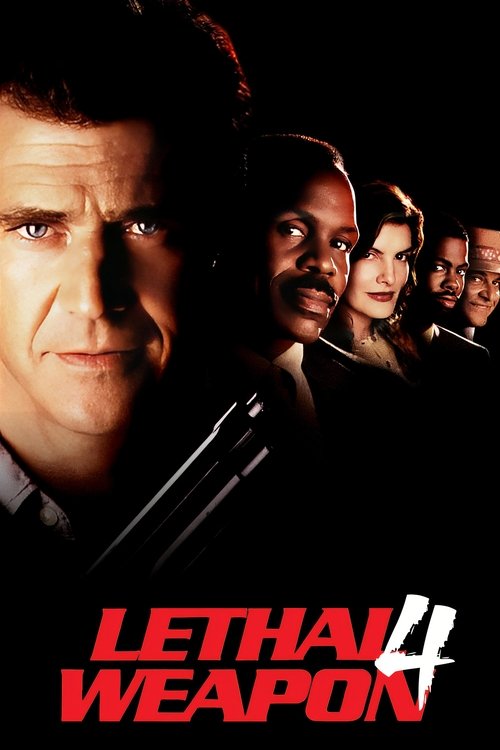
I revisited Lethal Weapon 4 on a Tuesday night while my apartment’s radiator was clanking in a rhythmic, metallic stutter that weirdly synced up with Eric Clapton’s signature guitar riffs on the soundtrack. It was the perfect atmosphere for a movie that feels like it was assembled in a frantic, high-energy workshop while the paint was still wet.
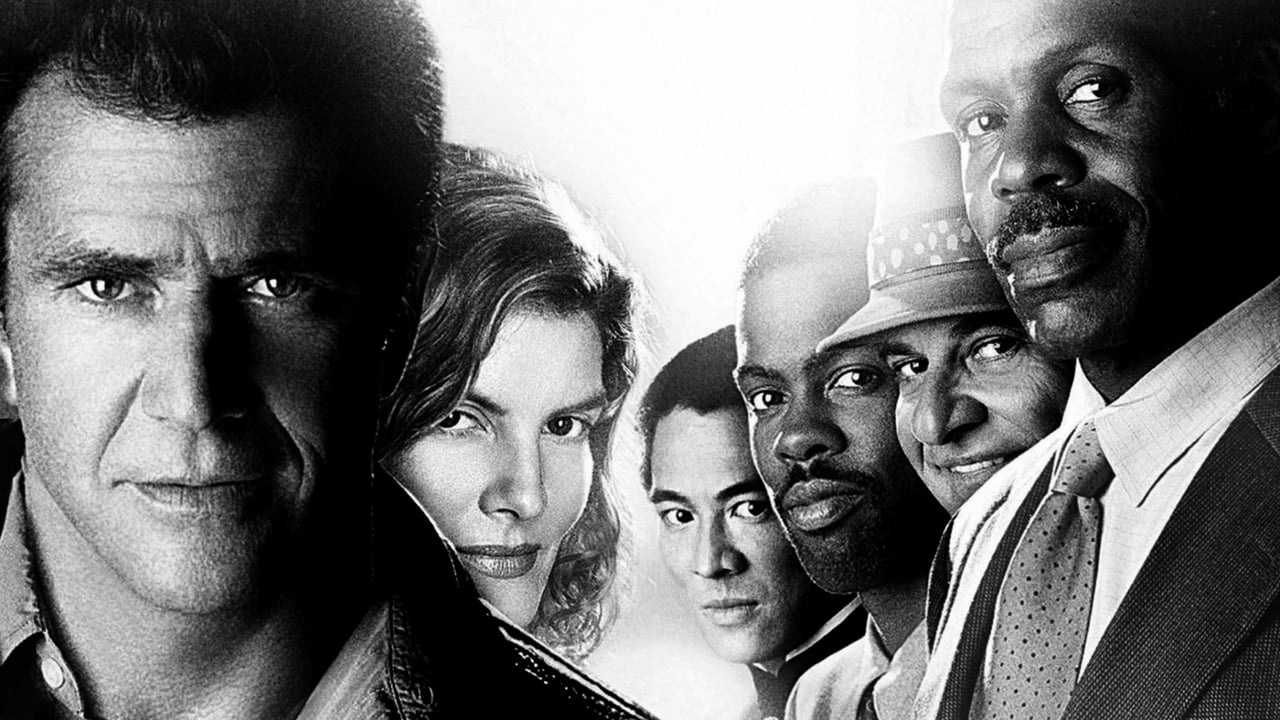
Released in 1998, this fourth outing for Riggs and Murtaugh arrived at a strange crossroads for Hollywood. We were moving away from the gritty, practical stunt-heavy 80s and into the glossier, high-tech, and increasingly expensive era of the mega-franchise. With a budget of $140 million—a staggering sum at the time—the film represents the absolute peak of the "action-comedy as a family reunion" subgenre. It’s bloated, it’s loud, and it’s occasionally ridiculous, but I’ll be damned if it isn't one of the most watchable things to ever come out of the late 90s.
The Fastest Fists in the West (and East)
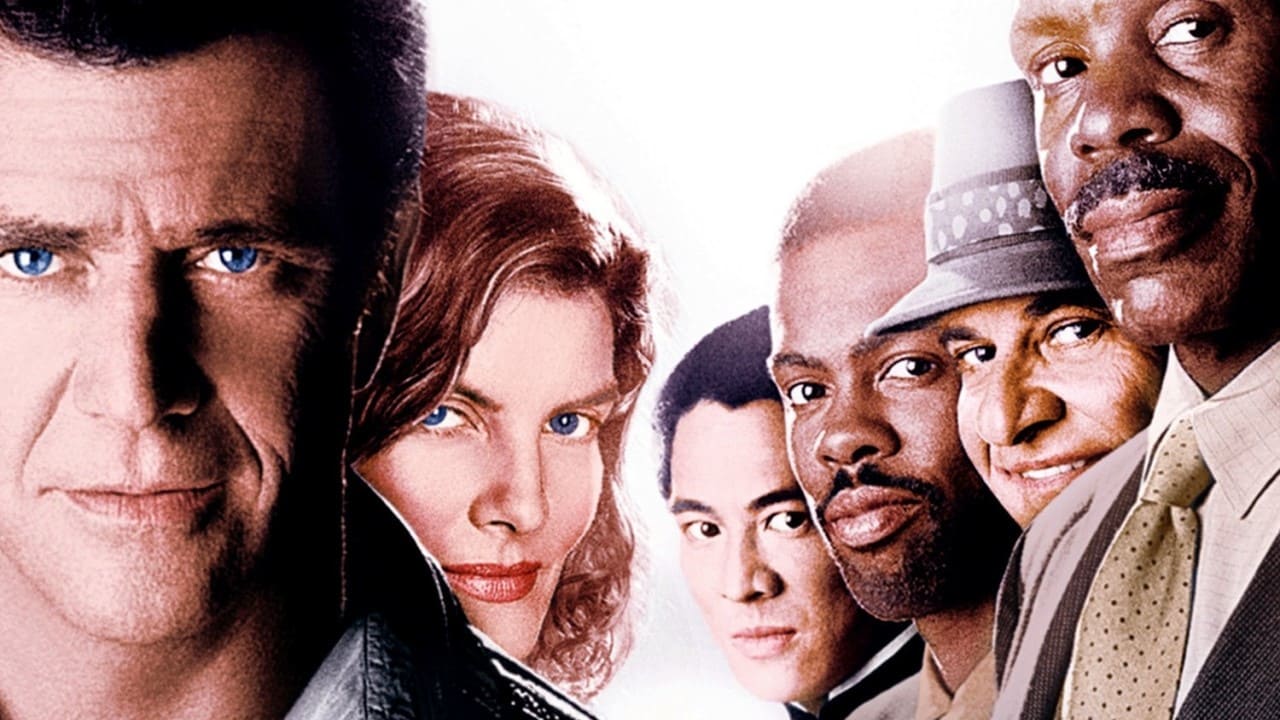
If you’re watching this for the plot involving Chinese triads and human smuggling, you’re only getting half the story. The real reason this movie stays in the rotation is the introduction of Jet Li to American audiences. Before he was a household name in the States, Jet Li was Wah Sing Ku, a villain so impossibly fast and lethal that he makes our heroes look like they’re fighting underwater.
There’s a legendary bit of trivia that I always think about during the final shipyard fight: Jet Li was reportedly moving so quickly during his takes that the cameras couldn't capture his movements clearly. The director, Richard Donner, actually had to ask him to slow down his strikes so the film shutter could keep up. You can see it on screen—there’s a precision to his movement that contrasts hilariously with the chaotic, brawling style of Mel Gibson’s Martin Riggs.
Speaking of Riggs, this is the film where he finally stops being the "suicidal loose cannon" and starts being the "slightly concerned uncle." The transition from the dark, rainy streets of the 1987 original to the sun-drenched, joke-filled set pieces of the fourth entry is a fascinating study in franchise evolution. By this point, the stakes aren't about Riggs finding a reason to live; they’re about whether Danny Glover’s Roger Murtaugh can handle the stress of a growing family and a very loud Chris Rock.
A Family Reunion with Explosions
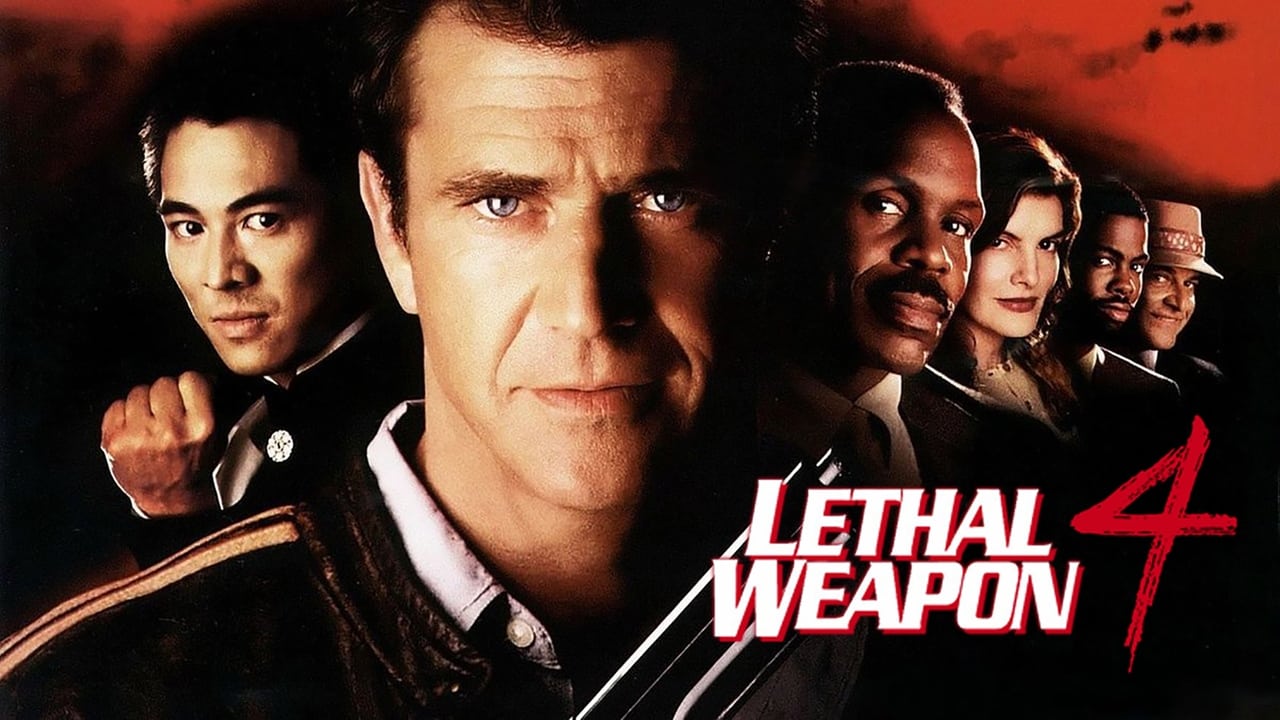
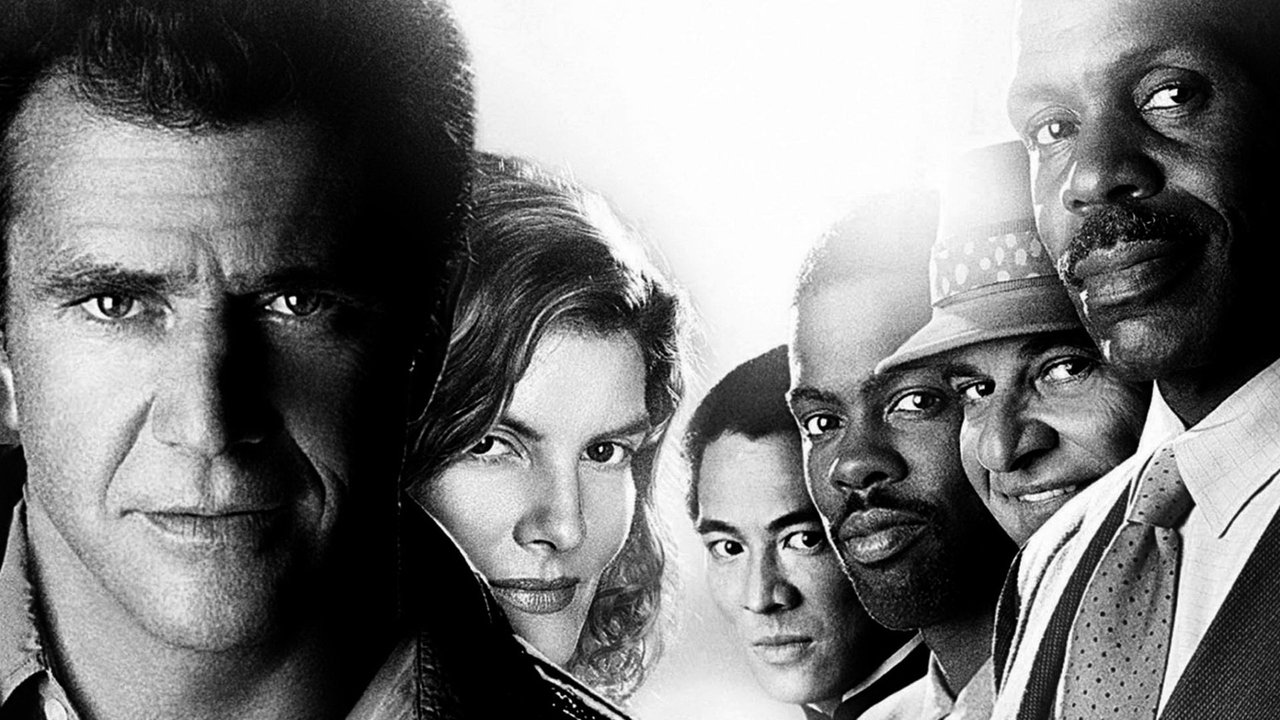
The Lethal Weapon series eventually became less about police work and more about a weird, dysfunctional family that just happened to carry badges. Rene Russo returns as Lorna Cole, providing a much-needed grounding force, while Joe Pesci’s Leo Getz is dialed up to eleven.
I know some people find Leo Getz grating by the fourth film, but I’ll go to bat for him. Joe Pesci’s monologue about his childhood pet frog, "Froggy," is a bizarre, improvised moment of character acting that has no business being in a $140 million action movie, yet it’s exactly the kind of "human friction" that modern CGI-fests are missing. Chris Rock joins the fray as Detective Lee Butters, and while his role is essentially a series of high-pitched stand-up bits, his chemistry with Danny Glover is surprisingly sweet. The movie is essentially a high-budget sitcom where the punchlines are punctuated by car flips.
The action choreography, handled with a mix of veteran stunt work and some early-stage digital cleanup, remains top-tier. There’s a freeway chase involving a house being dragged behind a truck that feels wonderfully physical. You can tell they actually closed down a five-mile stretch of the Las Vegas Beltway to film it. In an era where a scene like that would be 90% green screen, seeing real metal twisting and real glass shattering gives the film a weight that keeps it from feeling dated.
The "Too Old for This" Paradox
Looking back, the "I'm too old for this" catchphrase had become a self-fulfilling prophecy by 1998. The production was notoriously rushed; they started filming in January for a July release without a completed script. You can feel that frantic energy in the editing. Some scenes feel like they were written on a cocktail napkin ten minutes before the cameras rolled, which contributes to the film’s loose, improvisational vibe. It’s a movie that relies entirely on the charisma of its leads to bridge the gaps in logic.
Interestingly, the villain role was originally offered to Jackie Chan, who turned it down because he didn't want to play a "bad guy" in a Hollywood film. While seeing Jackie Chan vs. Riggs would have been a fever dream, Jet Li brings a cold, silent menace that the franchise desperately needed. He doesn't quip; he just dismantles people. It creates a genuine sense of threat that balances out the comedy.
Ultimately, Lethal Weapon 4 is the cinematic equivalent of a backyard barbecue with your loudest, most embarrassing relatives. It’s messy, there’s too much food, and someone is probably going to break something expensive, but you wouldn’t want to be anywhere else. It’s a relic of a time when star power could carry a thin script across the finish line with nothing but a grin and a well-timed explosion. It’s not the tightest film in the series, but it might be the most purely entertaining.
Keep Exploring...
-
Lethal Weapon 3
1992
-
Lethal Weapon 2
1989
-
Lethal Weapon
1987
-
Maverick
1994
-
Assassins
1995
-

16 Blocks
2006
-
The Rundown
2003
-

RED
2010
-
RED 2
2013
-

Taxi
1998
-
Conspiracy Theory
1997
-
The Brothers Grimm
2005
-
The Jackal
1997
-
Bad Boys
1995
-
Last Action Hero
1993
-
Charlie's Angels
2000
-
Shanghai Noon
2000
-
The Tuxedo
2002
-
Bad Boys II
2003
-

Sinbad: Legend of the Seven Seas
2003