Meet Joe Black
"Death takes a holiday and stays for dessert."
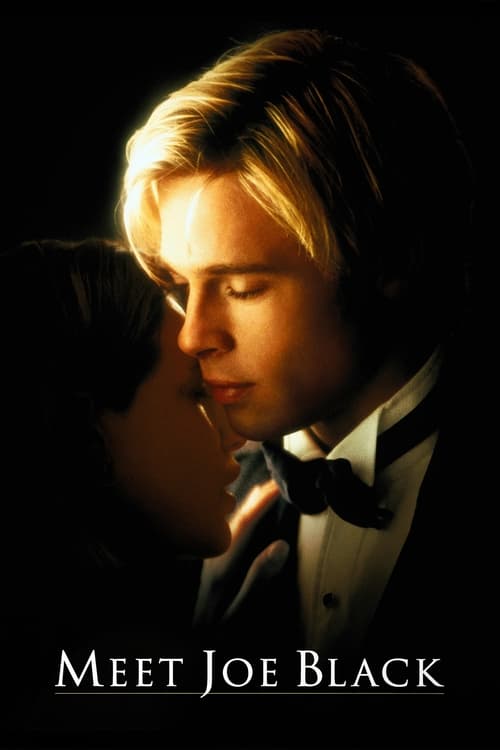
In the autumn of 1998, people were doing something remarkably strange: they were paying full price for a ticket to see Meet Joe Black, sitting through the trailers, and then immediately walking out of the theater. They weren’t protesting the three-hour runtime or Brad Pitt’s blonde highlights; they were there for the two-minute teaser of Star Wars: Episode I – The Phantom Menace. It was a bizarre moment in film history where a $90 million supernatural romance became the most expensive delivery system for a trailer ever devised.
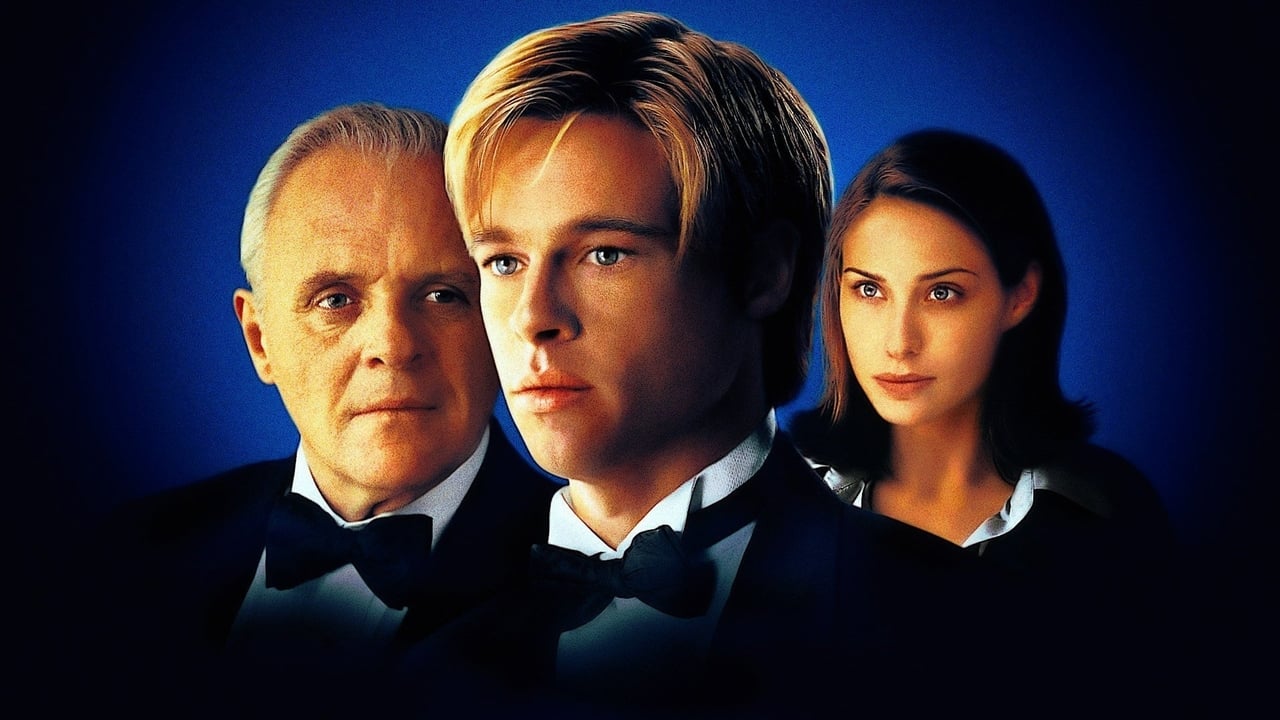
I recently revisited the film on a DVD I found in a "3 for $10" bin, and the disc had a smudge that made Jake Weber’s face look like a Picasso for three minutes, which honestly added a layer of avant-garde tension the movie was otherwise lacking. Looking back, Meet Joe Black is a fascinating artifact of a pre-MCU era where a studio would hand Martin Brest—the man who gave us Scent of a Woman and Beverly Hills Cop—a massive budget to film three hours of people whispering in libraries. It’s a movie that moves with the speed of a tectonic plate, yet I found myself weirdly hypnotized by its sheer, unhurried indulgence.
Death, Taxes, and Peanut Butter
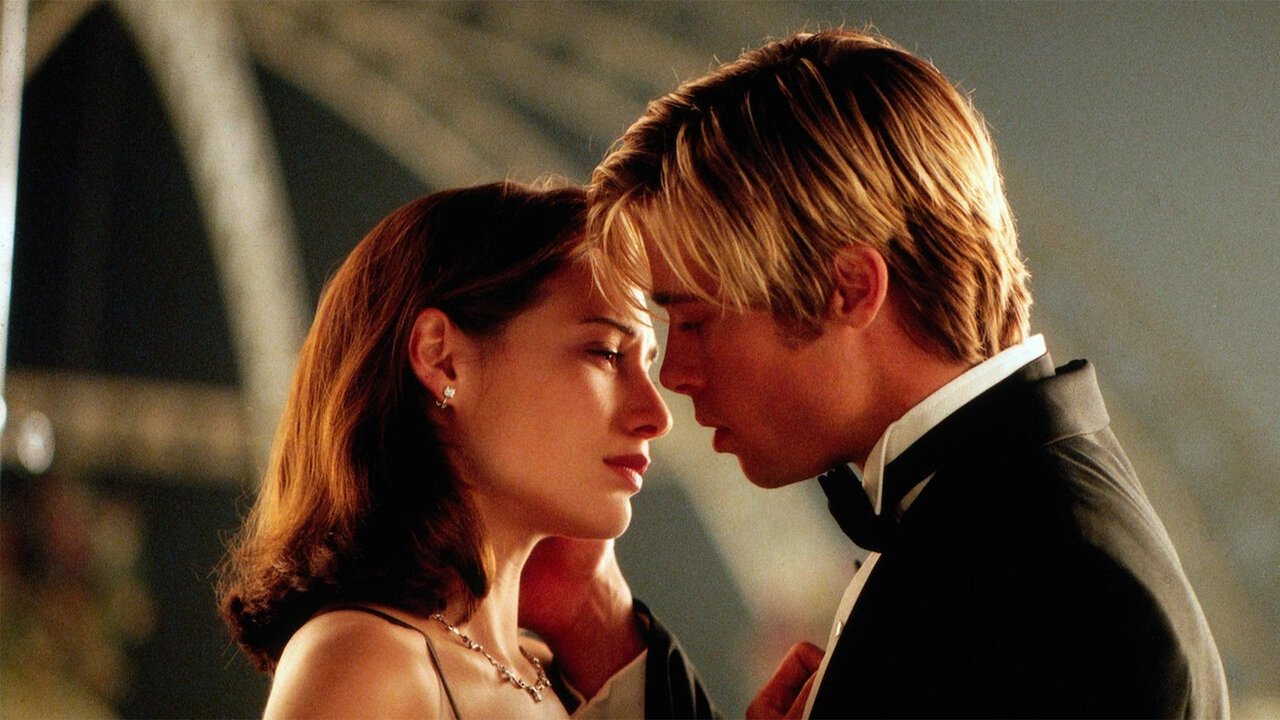
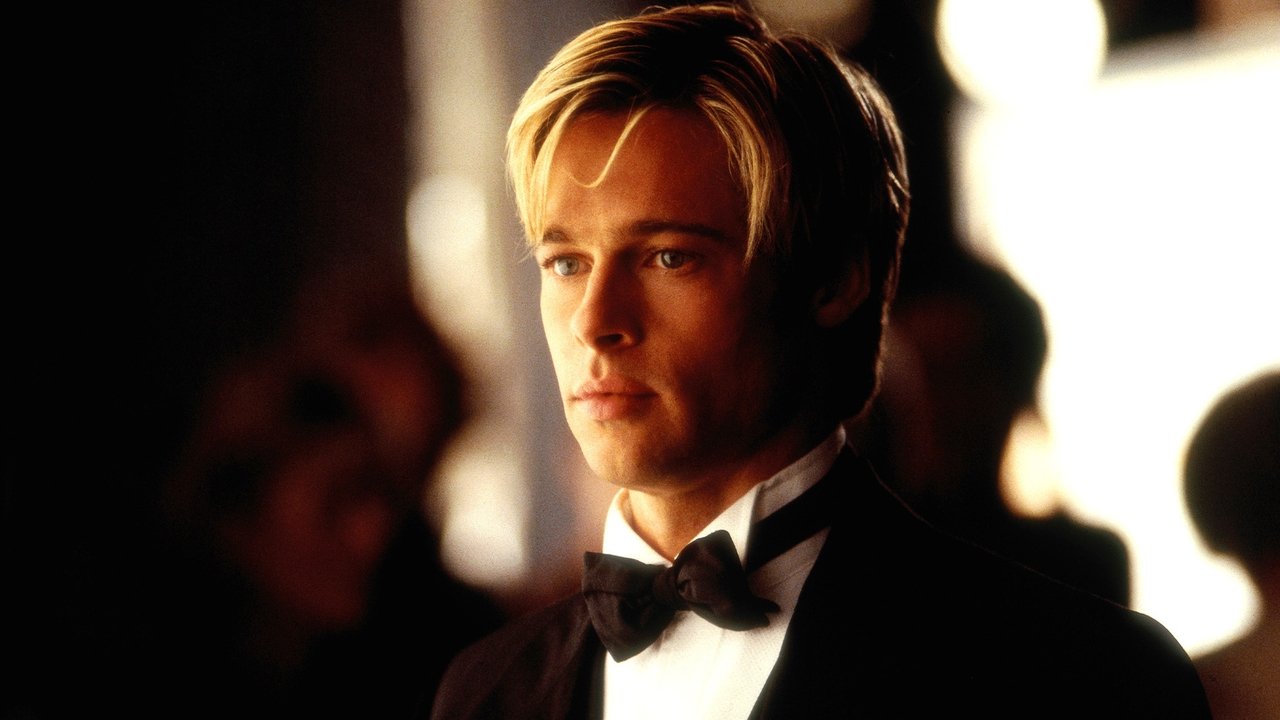
The premise is pure high-concept fantasy: Death decides to take a "human vacation" to see what all the fuss is about. He hitches a ride in the body of a gorgeous young man (Pitt) who just met a tragic end via two cars and some very questionable physics that turned a hit-and-run into a human pinball game. This new vessel, dubbed Joe Black, makes a deal with billionaire Bill Parrish (Anthony Hopkins): I’ll delay your impending heart failure if you show me around the human experience.
What follows isn't an action-packed romp, but a series of extremely long, exquisitely lit conversations. Brad Pitt plays Joe with a wide-eyed, alien detachment that was heavily criticized at the time. Watching it now, I kind of dig it. He’s essentially playing a toddler in the body of a Greek god. His obsession with peanut butter is the film’s most relatable subplot—because honestly, if I were an ancient primordial force, I’d also spend my first day on Earth licking a spoon in a state of religious ecstasy.
However, the real heart of the film isn't the romance between Joe and Bill’s daughter, Susan (Claire Forlani). It’s the relationship between the two men. Anthony Hopkins could read a car repair manual and make it sound like Shakespeare, and here he brings a weary, noble dignity to a man literally negotiating with the end of his life. Their chemistry is the only thing that justifies the film’s massive length.
The Lubezki Glow and the Long Goodbye
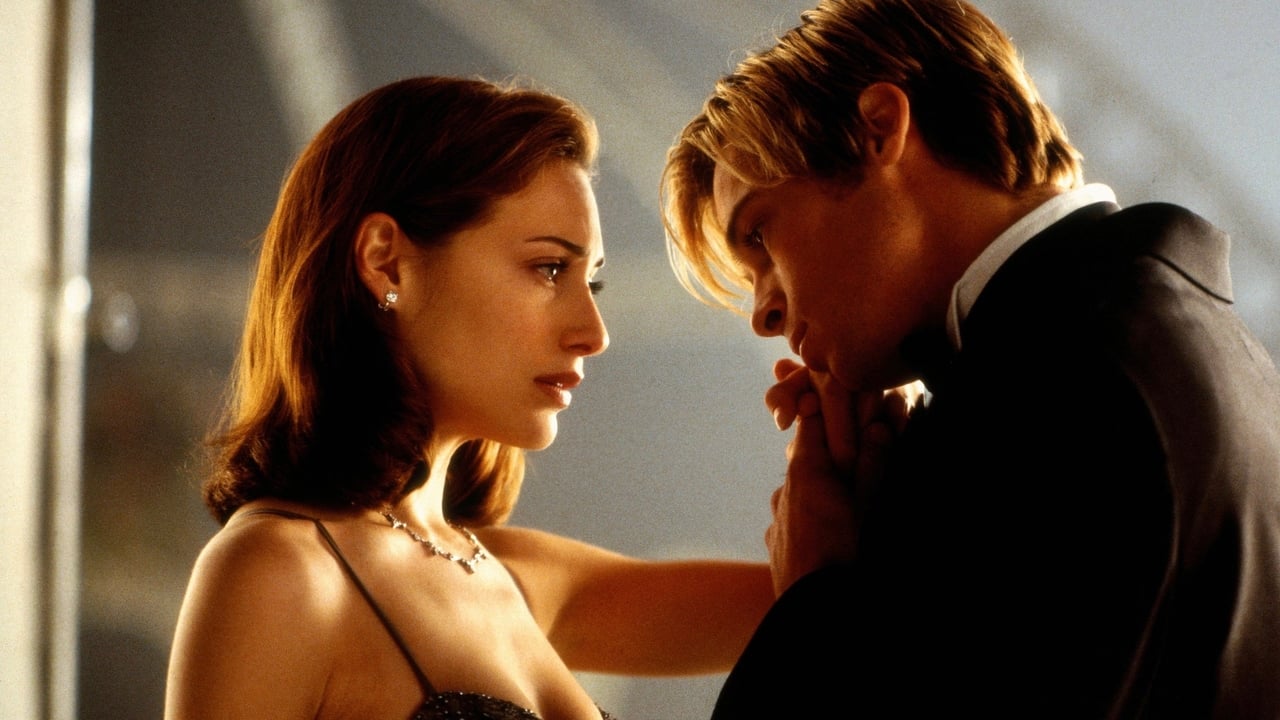
One thing that has aged magnificently is the look of the film. This was shot by Emmanuel Lubezki, the legendary cinematographer who would go on to win three consecutive Oscars for Gravity, Birdman, and The Revenant. Long before he was obsessed with "natural light only" and long takes, he was making 90s sets look like they were carved out of gold and silk. Every frame of Meet Joe Black is gorgeous. The Parrish estate looks less like a home and more like a cathedral dedicated to the concept of Being Very Rich.
But even the prettiest lighting can’t hide the fact that this movie is essentially a high-budget perfume commercial for the afterlife. Director Martin Brest was clearly given a blank check and a "no-cut" contract, leading to scenes that breathe so deeply they occasionally fall asleep. There’s a scene where Joe visits a hospital and speaks to an elderly woman in a Jamaican patois that is, quite frankly, the most accidentally hilarious thing Brad Pitt has ever committed to celluloid. It’s a "so bad it's good" peak that has fueled a thousand internet memes, and seeing it in the context of such a serious, somber film is a total trip.
A Cult Classic of Sincerity
Why does this movie still have a cult following? Why do I see it pop up on cable TV and find myself unable to change the channel? I think it’s because Meet Joe Black is unapologetically sincere. In an era of meta-humor and frantic editing, there’s something bold about a film that dares to be this slow and this sentimental. It’s a movie about the "small stuff"—the taste of a cookie, the sound of a voice, the way light hits a glass of scotch.
It’s also a reminder of the 90s "Star Power" economy. You couldn't make this movie today. No studio is spending $90 million (which would be nearly $170 million today) on a three-hour talk-fest about mortality unless there’s a superhero involved. The film's legacy is tied to its excesses—the budget, the runtime, the Star Wars connection—but beneath the bloat is a genuinely touching story about saying goodbye.
It’s not a perfect film, and you definitely need a snack and a bathroom break planned for the second hour, but it’s a singular experience. It feels like a relic from a time when movies were allowed to be big, weird, and incredibly indulgent just because they had a movie star and a dream.
If you have a free afternoon and a high tolerance for slow-burn drama, Meet Joe Black is worth the investment for the Anthony Hopkins performance alone. It captures a specific moment in Hollywood history where the "Director's Cut" was the only cut the studio released, for better or worse. Just be prepared: by the time the final fireworks go off, you might feel like you’ve actually lived through a few decades alongside Bill Parrish. But hey, at least you’ll have a sudden, inexplicable craving for peanut butter.
Keep Exploring...
-
The Curious Case of Benjamin Button
2008
-
What Dreams May Come
1998
-
The Family Man
2000
-
Just Like Heaven
2005
-
City of Angels
1998
-
The Legend of Bagger Vance
2000
-
Stranger Than Fiction
2006
-
The Illusionist
2006
-
The Time Traveler's Wife
2009
-

Legends of the Fall
1994
-
Phenomenon
1996
-
Scent of a Woman
1992
-
DragonHeart
1996
-
Hercules
1997
-
A Knight's Tale
2001
-
Enemy at the Gates
2001
-
Big Fish
2003
-

The Twilight Saga: Breaking Dawn - Part 2
2012
-

Seven Years in Tibet
1997
-
Sliding Doors
1998