Mighty Joe Young
"Big heart. Bigger gorilla. Better than you remember."

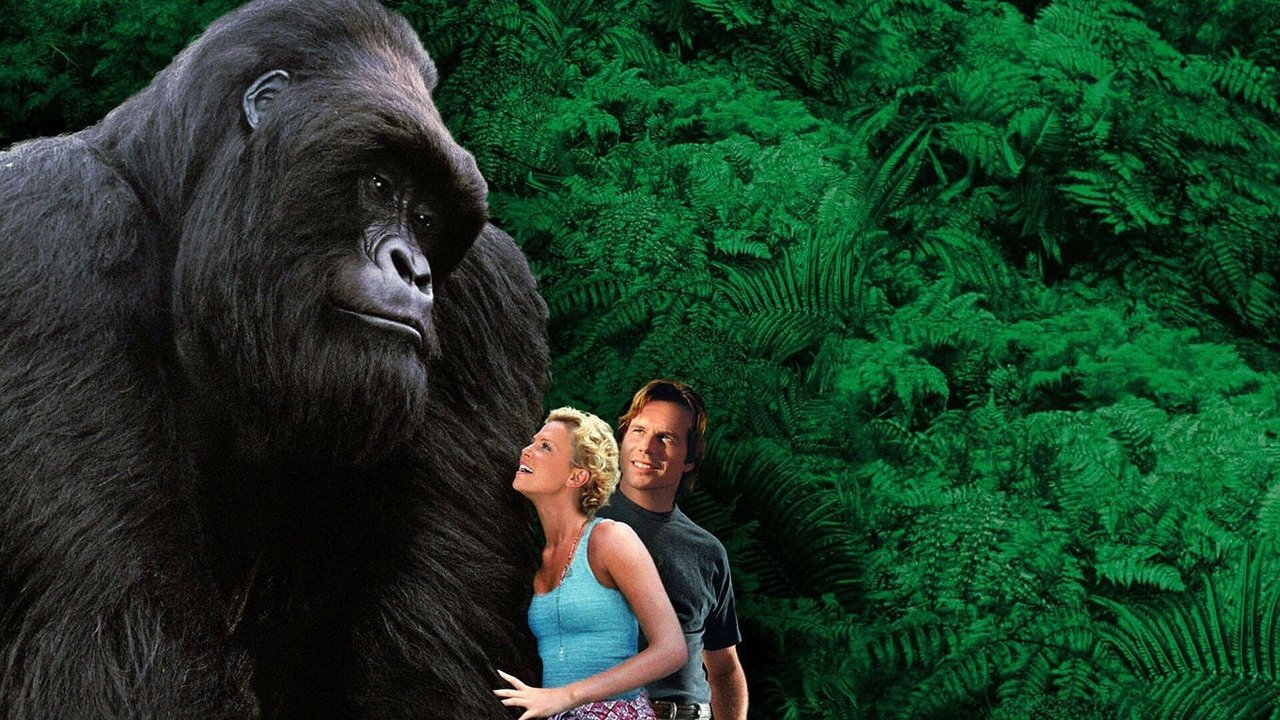
Before the world became obsessed with the sprawling, city-leveling carnage of the MonsterVerse, there was a brief, weird window in the late 1990s where Hollywood tried to make us fall in love with a gorilla that could actually fit in a reasonably sized warehouse. Disney’s 1998 remake of Mighty Joe Young arrived at a fascinating crossroads in cinematic history. It was released just six months after Roland Emmerich’s bloated Godzilla nearly killed the giant monster genre with sheer cynicism. In contrast, Ron Underwood’s film felt like a warm, earnest throwback—a movie that cared more about the look in a primate’s eyes than how many skyscrapers it could knock over.
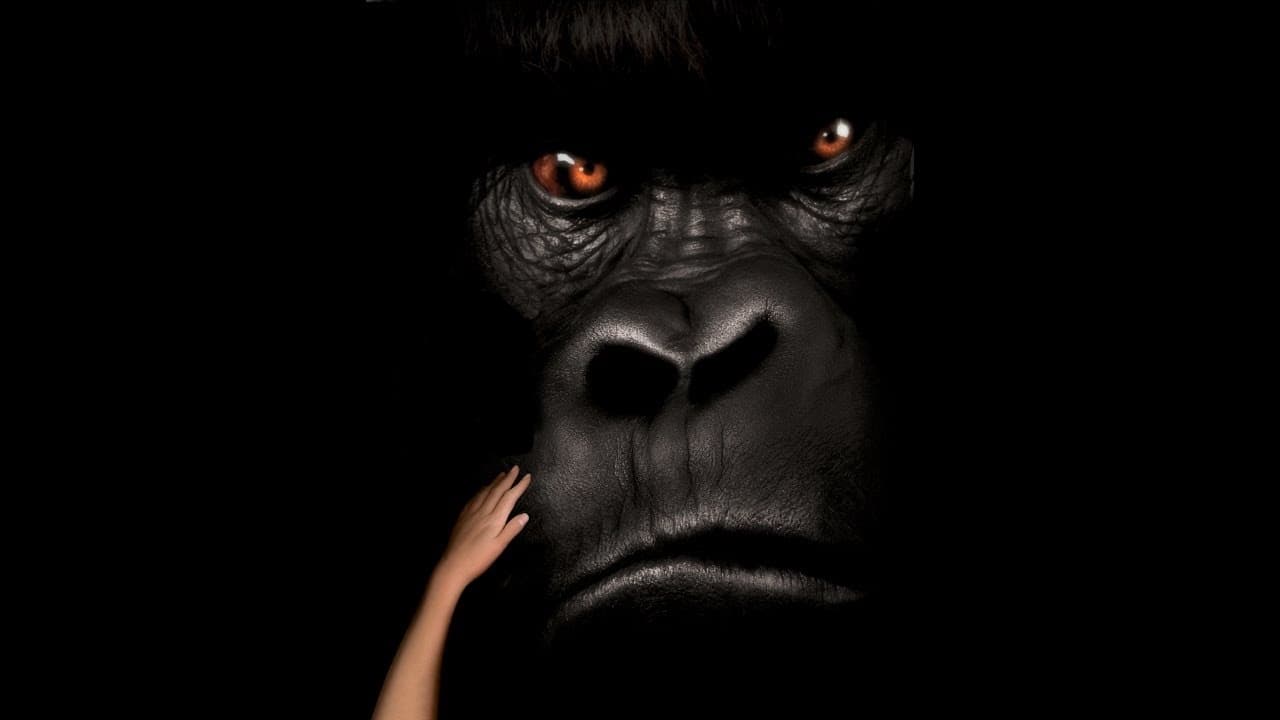
I recently revisited this on a Sunday afternoon while trying to peel the stubborn price sticker off a second-hand bookshelf, and I was struck by how much more "real" this 15-foot gorilla feels than the digital creations we see today. In an era where everything is rendered in a computer, there is something tactile and heavy about Joe that modern blockbusters rarely replicate.
The Peak of Practical Magic
The late 90s were the ultimate "bridge" era for special effects. We were moving away from the purely physical world of the 80s, but we hadn't yet surrendered entirely to the "green screen void" of the 2010s. For Mighty Joe Young, Disney enlisted the legendary Rick Baker—the man who basically owns the patent on cinematic primates—to create Joe.
What makes the action in this film work isn't just the scale; it's the weight. When Joe throws a poacher’s Land Rover, you feel the suspension groan. Most of the close-ups utilized incredible animatronic suits and puppets, while the wide shots used early CGI that, frankly, holds up better than it has any right to. Because the filmmakers had to match the digital Joe to a physical puppet on set, the lighting and texture have a grounded reality. It’s a film that proves CGI is always better when it has a physical prop to hold its hand. The choreography of the action sequences, particularly the early jungle skirmishes, relies on Joe using his environment—swinging, climbing, and shoving—rather than just being an invincible tank.
Theron, Paxton, and the Human Element
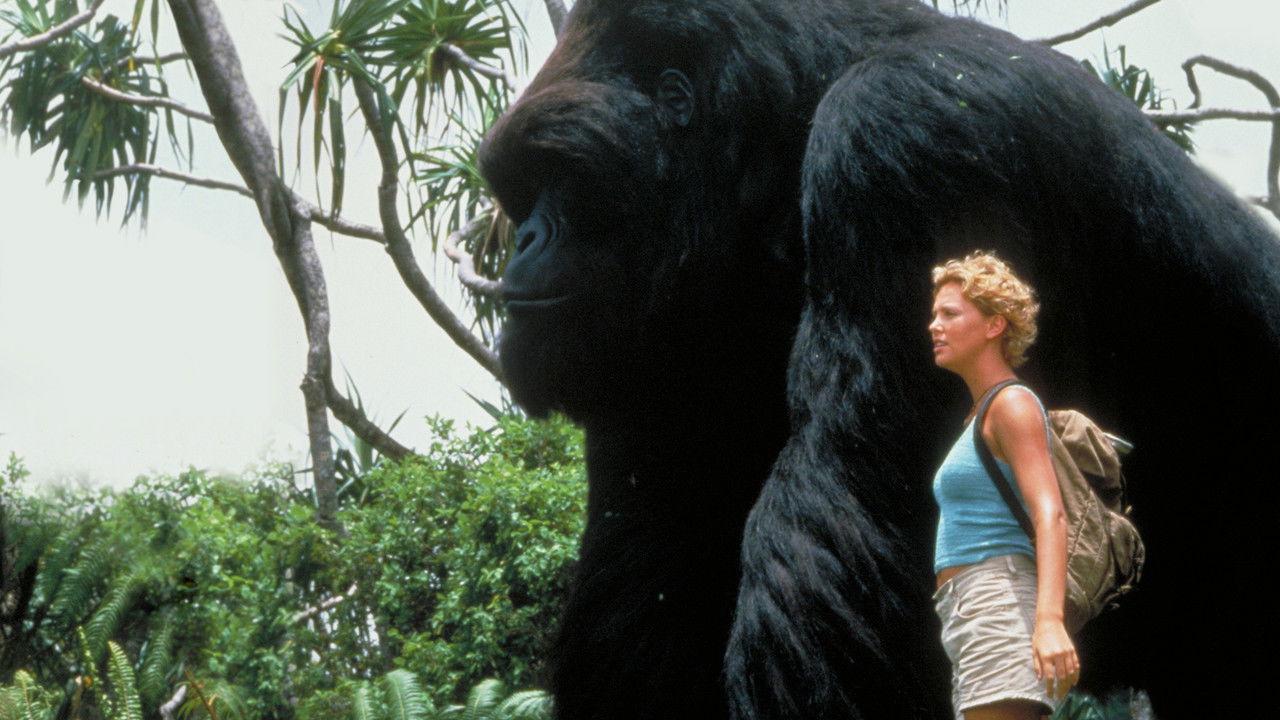
It’s easy to forget that before she was Furiosa or winning Oscars for Monster, Charlize Theron was the "Girl with the Gorilla." As Jill Young, she has the unenviable task of playing the "Jane" archetype, but she brings a sincerity to it that prevents the movie from sliding into total camp. She has to sell a lifelong bond with a digital effect, and her performance is the glue that keeps the emotional stakes from feeling ridiculous.
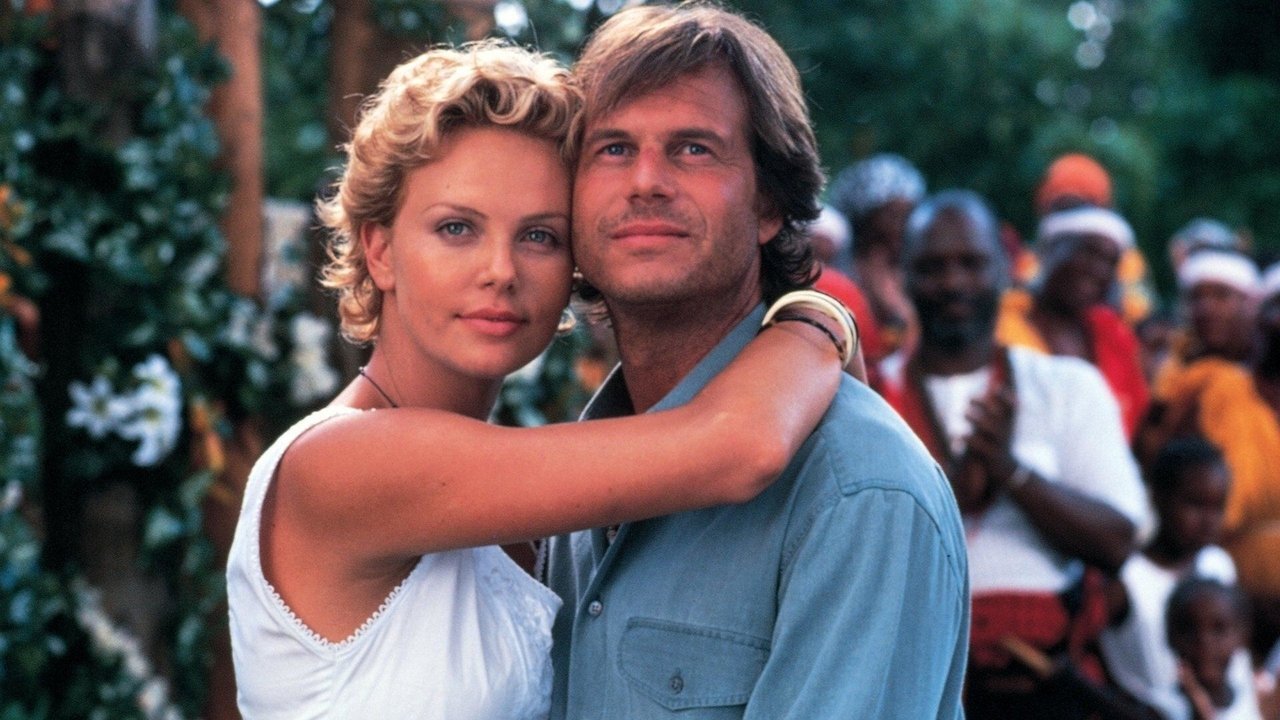
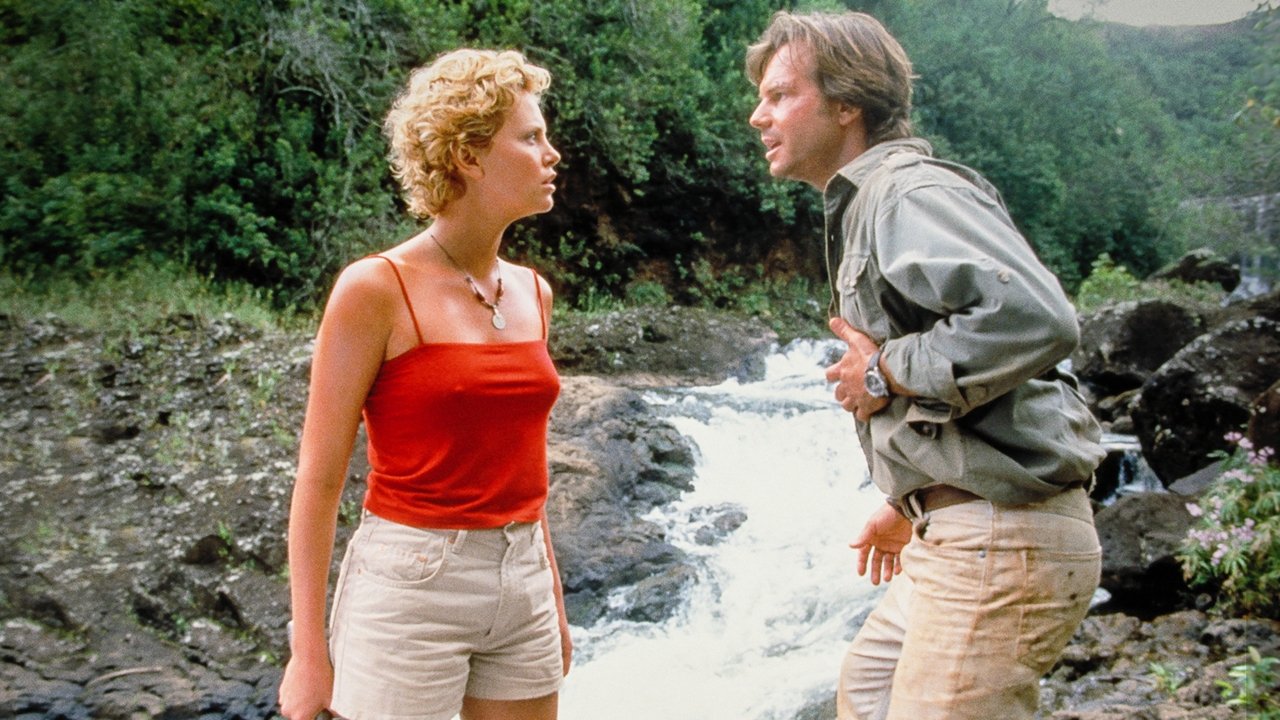
Opposite her is the late, great Bill Paxton as Gregg O'Hara. Paxton had a supernatural ability to play "The Guy Who Is Just Happy To Be Here," and his breezy, cowboy-conservationist energy is the perfect foil to the high-stakes melodrama of the plot. They have a chemistry that feels very much of its era—clean, slightly platonic, and fueled by shared adventure. Even the supporting cast is stacked with "hey, it's that person!" faces like Regina King and David Paymer, who treat the material with far more respect than a movie about a giant ape usually gets.
The Ferris Wheel and the Fall of the "Small" Blockbuster
The climax of the film takes place at a Los Angeles carnival, featuring a rescue sequence involving a burning Ferris wheel. It is a masterclass in 90s action pacing. There’s no world-ending threat; it’s just a scared animal and a small child in danger. The stakes are personal, which makes the tension palpable. The sound design here is particularly sharp—the metallic screeching of the wheel, the roar of the fire, and Joe’s huffs of exertion create an aural landscape that feels immediate and dangerous.
So, why has Mighty Joe Young largely faded from the collective memory? It likely suffered from being "too nice." In 1998, the box office was dominated by the disaster-porn of Armageddon and the edgy tech-thrills of The Matrix loomed just around the corner. A sincere, Disney-backed adventure about animal conservation felt a little bit like a relic even then. It lacked the "cool factor" that the turn of the millennium demanded. Looking back, however, its sincerity is its greatest strength. It’s a movie with a soul, directed by a man (Ron Underwood) who clearly understood that the best action comes from character motivation, not just physics.
Mighty Joe Young is the kind of mid-budget, high-effort spectacle that Hollywood has mostly stopped making. It’s a film that respects its audience's intelligence while aiming straight for their heartstrings. It isn't trying to set up a five-movie cinematic universe; it just wants to tell a story about a very big, very misunderstood gorilla and the people who love him. If you can find a copy, it’s well worth two hours of your time—if only to see Rick Baker's craftsmanship at its absolute zenith.
Keep Exploring...
-
Race to Witch Mountain
2009
-
Last Action Hero
1993
-

Sinbad: Legend of the Seven Seas
2003
-

Wizards of Waverly Place: The Movie
2009
-

Mystery Men
1999
-
Titan A.E.
2000
-
Final Fantasy: The Spirits Within
2001
-
Osmosis Jones
2001
-

Night at the Museum
2006
-

The Ant Bully
2006
-
Night at the Museum: Battle of the Smithsonian
2009
-

Puss in Boots
2011
-
Brave
2012
-
Maleficent
2014
-
Pokémon: The First Movie
1998
-

The Swan Princess
1994
-
James and the Giant Peach
1996
-
Shrek the Halls
2007
-
City of Ember
2008
-

Speed Racer
2008