Perfect Blue
"Who is the real you when everyone is watching?"
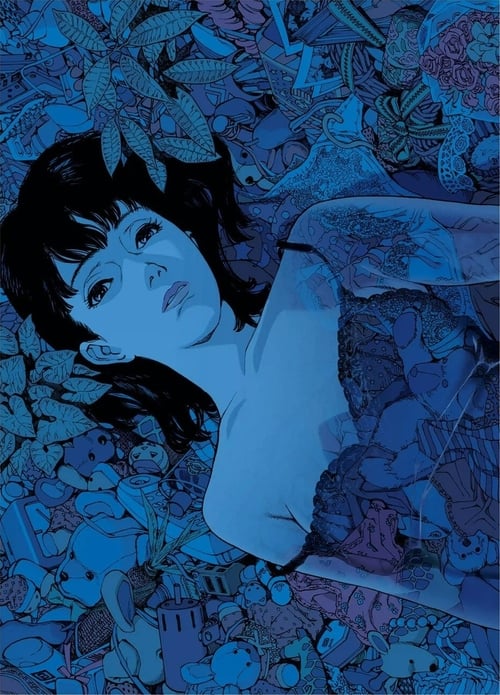
The first time I watched Perfect Blue, I was sitting in a dorm room on a humid Tuesday night, snacking on a bag of stale shrimp chips that probably should have been tossed a week prior. I expected a standard "cartoon" thriller—maybe something akin to a dark episode of Scooby-Doo. Instead, by the time the credits rolled, I was staring at my own reflection in the flickering CRT monitor, wondering if my own shadow was about to turn around and mock me.

Satoshi Kon’s directorial debut is less of a movie and more of a psychological surgical strike. It’s an animated fever dream that predates our modern obsession with "online personas" by a good decade, yet it feels more relevant today than almost anything currently playing in a multiplex. It’s a film that doesn't just depict a mental breakdown; it invites you to have one right along with the protagonist.
When the Idol Mask Cracks
We follow Mima Kirigoe (voiced with heartbreaking vulnerability by Junko Iwao), a member of a bubblegum J-pop trio called "CHAM!" who decides to trade her microphone for a chance at serious acting. It’s a move her management encourages but her "pure" fans view as a betrayal. As she navigates the sleazy underbelly of the TV industry—including a traumatic "on-camera" assault scene that remains deeply uncomfortable to watch—the lines between her life, her acting roles, and a mysterious blog called "Mima's Room" begin to dissolve.
What makes the drama here so potent isn't just the external threat of a bug-eyed stalker named Me-Mania (Masaaki Okura), but the internal rot of Mima’s own identity. Kon uses the medium of animation to do things live-action simply couldn't achieve in 1998 without a massive budget. He collapses time and space. One moment Mima is waking up in her apartment; the next, she’s on a film set; the next, she’s back on stage with CHAM!, only to realize she’s actually standing in a grocery store aisle. It’s disorienting, claustrophobic, and makes Inception look like a game of Candy Land.
The Architecture of a Breakdown
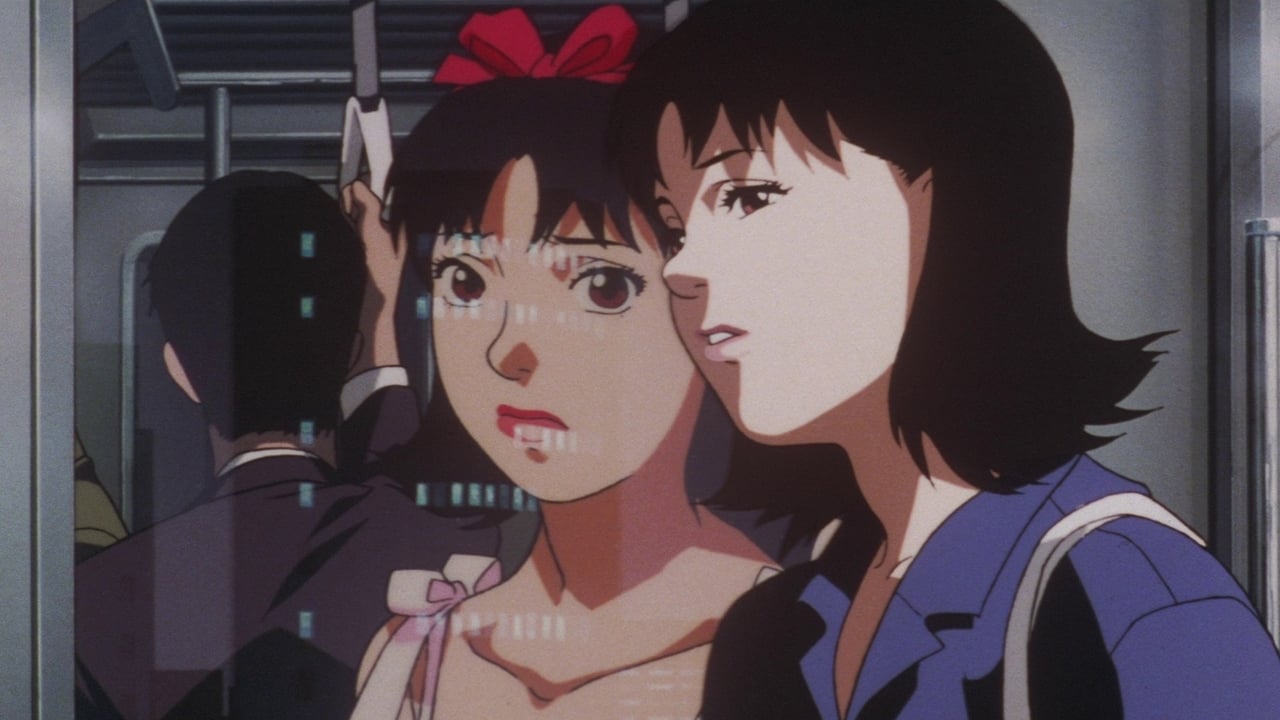
Looking back from our digital-first era, Perfect Blue is a terrifyingly prophetic look at the "Y2K anxiety" regarding the internet. In 1998, the web was a novel frontier, but Kon saw the danger of the parasocial relationship before we even had a word for it. The "Mima's Room" website—which looks like a digital fever dream designed by a haunted GeoCities account—functions as a collective hallucination where a stranger claims to be the "real" Mima, documenting her every private thought.
The production itself is a masterwork of "indie" resourcefulness. Originally intended to be a live-action straight-to-video project, a budget cut and an earthquake pushed the production into the arms of the legendary studio Madhouse. Because they didn't have the money for fluid, high-frame-rate action, Kon and screenwriter Sadayuki Murai leaned into "match cuts"—editing techniques where one scene bleeds into the next through a shared shape or sound. This wasn't just a cost-saving measure; it became the film’s visual language, perfectly mirroring Mima’s fracturing psyche.
There’s a specific kind of grit here that you don't see in modern, polished digital animation. The colors are muted, the shadows are heavy, and there’s a tactile sense of grime in the urban landscapes. It’s a reminder that during this transition from analog to digital, Japanese animators were finding ways to make "flat" drawings feel incredibly heavy and three-dimensional.
A Legacy Written in Stolen Shots
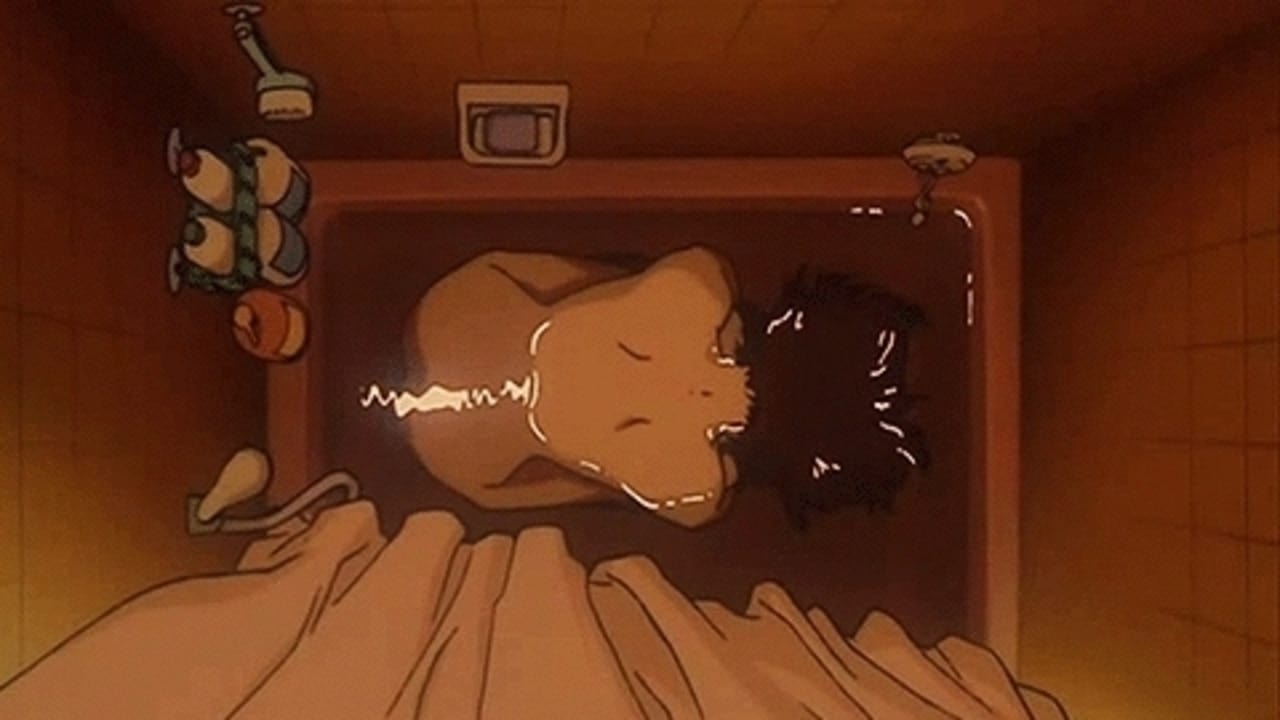
It’s impossible to talk about Perfect Blue without mentioning its massive footprint on Western cinema. If parts of this movie feel familiar, it’s likely because you’ve seen them "homaged" in the works of Darren Aronofsky. He famously bought the remake rights to the film just so he could recreate the iconic bathtub scream in Requiem for a Dream. Later, his Oscar-winning Black Swan would borrow so heavily from Mima’s double-life struggle that many fans consider it an unofficial live-action remake.
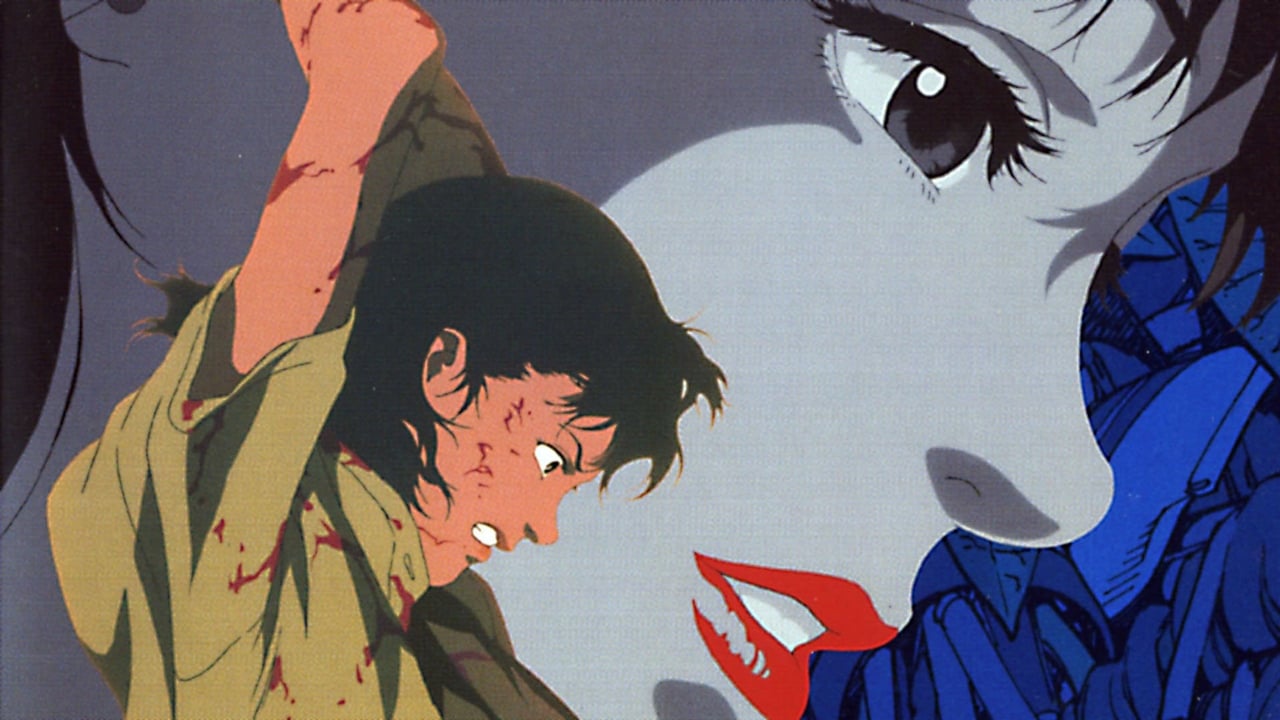
But the original remains the superior experience because it refuses to offer easy comfort. The score by Masahiro Ikumi is a dissonant, rhythmic assault that sounds like a panic attack put to tape. It’s not "fun" music, but it’s essential to the atmosphere of dread. By the time we reach the final act—where Mima is chased through the neon-soaked streets by a version of herself that refuses to stay dead—the film has fully transitioned into a slasher movie where the killer is a memory.
I love this movie because it treats animation with a gravity that Western audiences are only just beginning to accept. It’s a serious, grim, and often beautiful exploration of what happens when we let the world’s perception of us dictate who we actually are. It’s a film that demands your full attention for 82 minutes and then stays in the back of your head for the next twenty years.
Perfect Blue is a landmark of the late-90s indie spirit, proving that a compelling vision can overcome a limited budget every single time. It’s a brutal, uncompromising thriller that manages to be both a period piece of the early internet age and a timeless warning about the cost of fame. If you haven't seen it, turn off your phone, dim the lights, and prepare to question exactly who is looking back at you in the mirror. Just don't blame me if you start double-checking your door locks.

Keep Exploring...
-

Paprika
2006
-
Millennium Actress
2002
-
Tokyo Godfathers
2003
-
Batman Beyond: Return of the Joker
2000
-
Open Your Eyes
1997
-
Amores Perros
2000
-
Sympathy for Mr. Vengeance
2002
-
Batman: Assault on Arkham
2014
-
Hard Boiled
1992
-
Reservoir Dogs
1992
-

The Chaser
2008
-

Waltz with Bashir
2008
-

Blood and Bone
2009
-
The Secret in Their Eyes
2009
-

The Man from Nowhere
2010
-
Undisputed III: Redemption
2010
-
The Raid
2012
-
The Raid 2
2014
-

Ghost in the Shell
1995
-
Ring
1998