Pi
"The universe is a code. Break it."
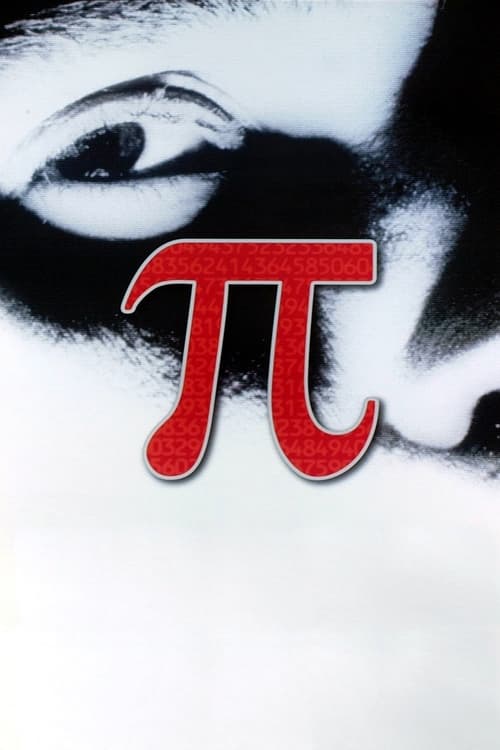
The screen isn’t just black and white; it’s a high-contrast battlefield of soot and bleach. Within the first few frames of Pi, you realize you aren't just watching a movie; you're being subjected to a migraine that someone caught on 16mm film. It’s grainy, it’s shaky, and it feels like it was developed in a bathtub filled with industrial chemicals. Back in 1998, this wasn't just another indie film—it was a sensory assault that announced the arrival of Darren Aronofsky, a director who seemingly wanted to reach through the screen and rattle your teeth.
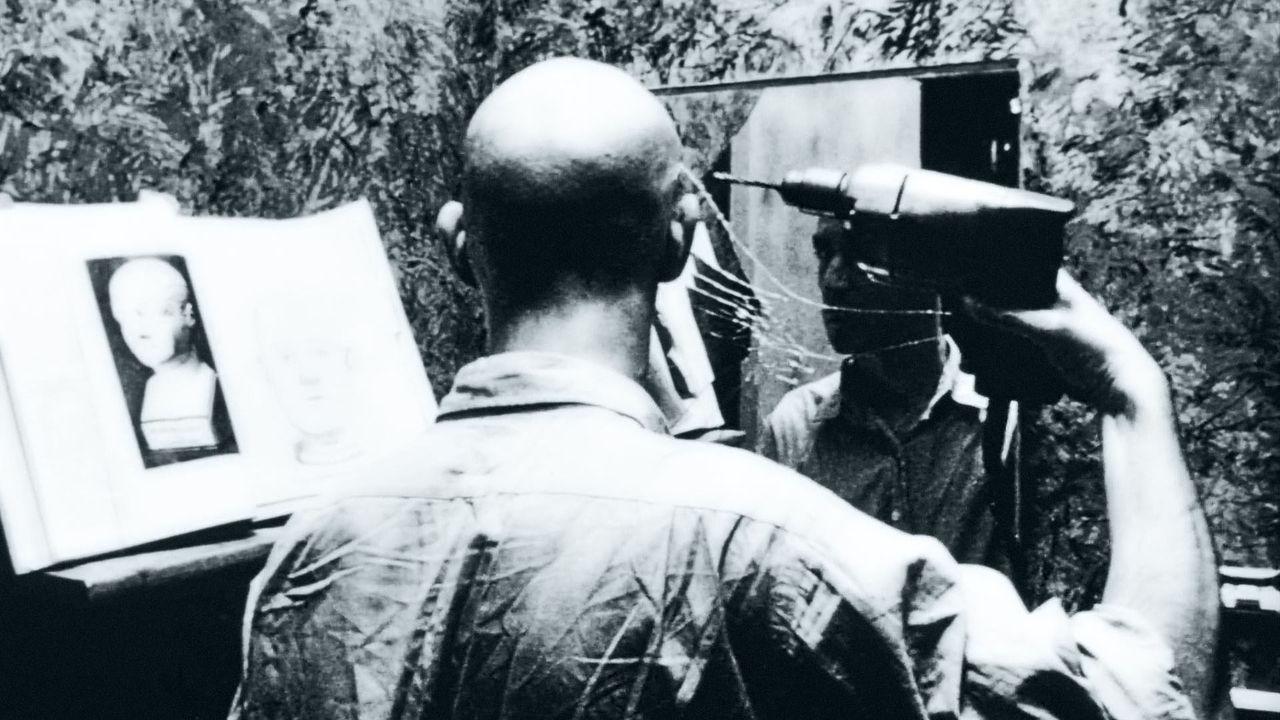
I first watched this on a flickering CRT monitor while my roommate was loudly trying to assemble an IKEA desk in the next room. The rhythmic, clumsy hammering of his mallet ended up syncing perfectly with the industrial pulse of the soundtrack, and for a second, I genuinely thought the movie was leaking into my actual reality. That’s the kind of film Pi is: it makes you look for patterns where they don't exist.
Mathematics as a Slasher Film
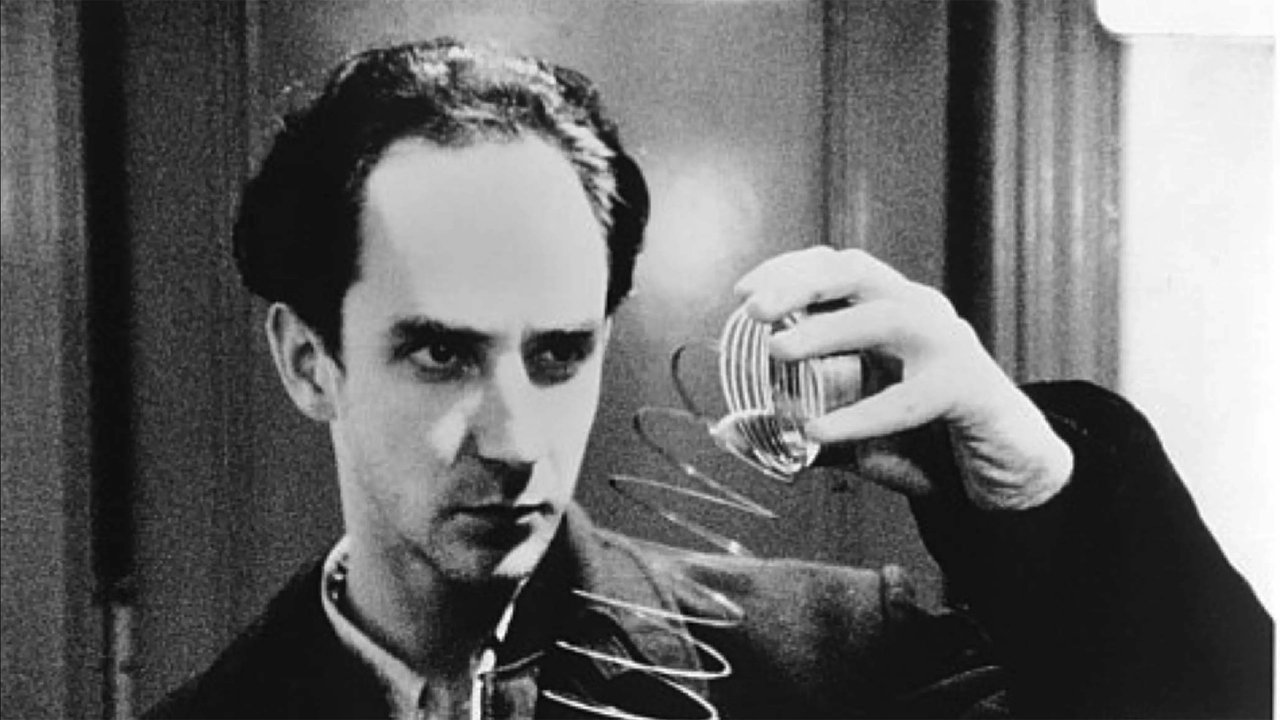
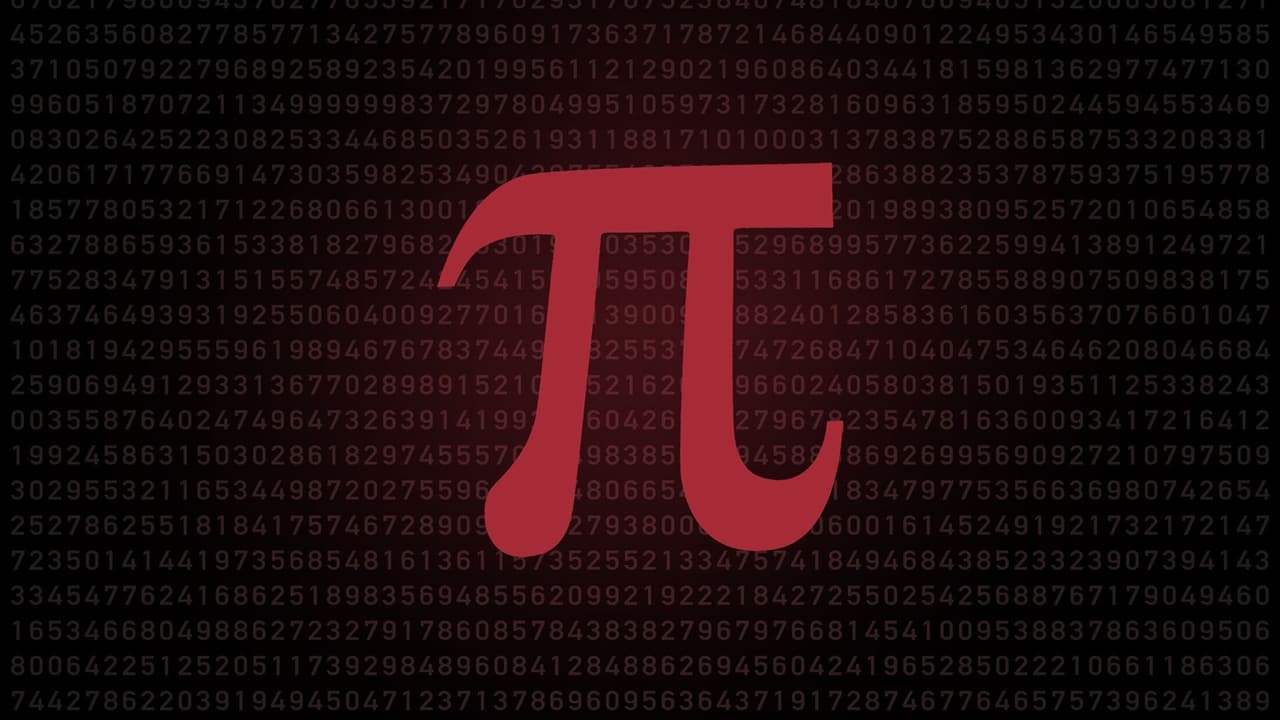
At its core, Pi is a psychological thriller about Maximillian Cohen, played with a frantic, sweating intensity by Sean Gullette. Max is a number theorist who lives in a triple-locked apartment filled with a custom-built supercomputer named Euclid. He’s searching for a 216-digit number that he believes represents the underlying pattern of the universe—a code that could predict the stock market or reveal the true name of God.
The brilliance of the script is how it treats mathematics not as a dry academic pursuit, but as a dangerous obsession. Aronofsky makes calculus look like a slasher flick. Max isn't running from a guy in a mask; he’s running from a headache, from Wall Street goons, and from Hasidic cabalists who want his brain. Sean Gullette’s performance is a masterclass in physical degradation. You can almost smell the stale coffee and copper on him. He captures that specific brand of genius that borders on total biological failure, making Max’s spiraling paranoia feel grounded and terrifyingly plausible.
The $60,000 Miracle
Looking back at the late 90s, Pi stands as a pillar of the DIY indie revolution. This was an era where the Sundance Film Festival could turn a $60,000 experiment into a cultural touchstone. Because the budget was so microscopic, the production had to be fueled by pure, unadulterated "guerrilla" energy. They didn't have permits for the New York City subway shots; they just had crew members standing in the way of police while they snatched the footage.
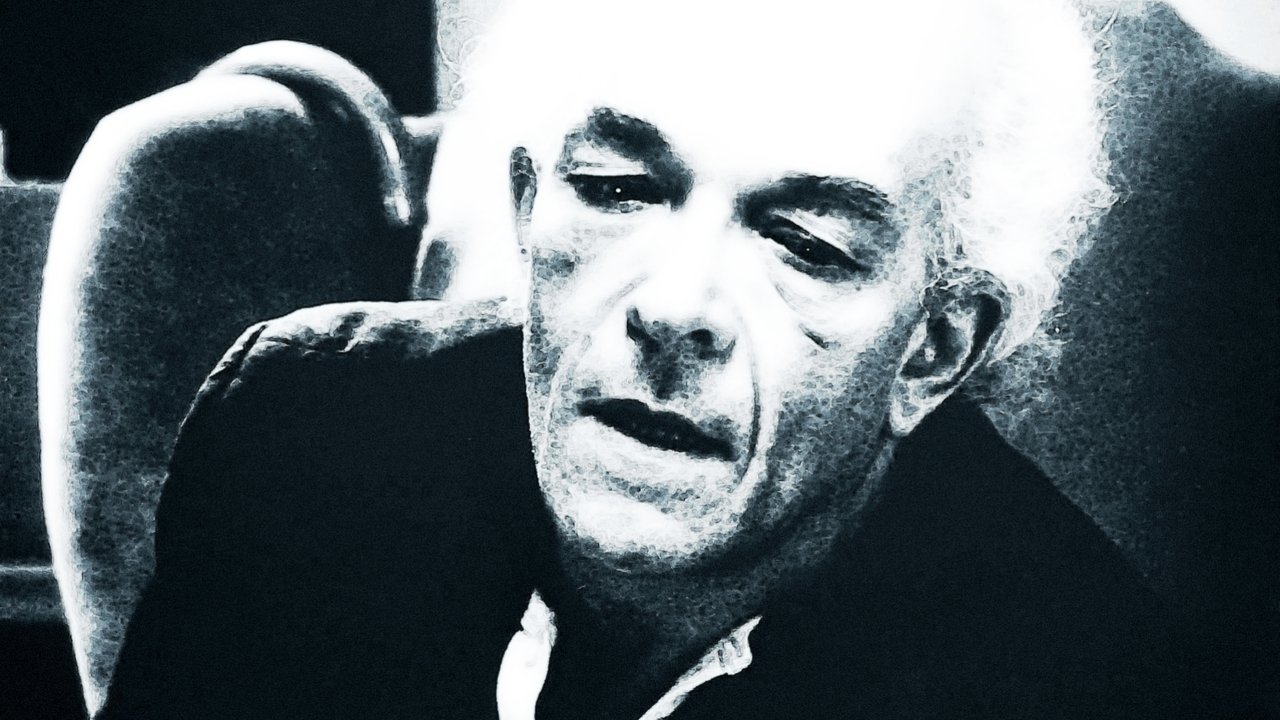
This lack of resources forced a level of creativity that modern digital filmmaking often lacks. The "SnorriCam"—a camera rig strapped directly to the actor’s body so the background moves while the face remains static—became an iconic visual shorthand for disorientation. It makes you feel trapped inside Max’s skull. When you see Mark Margolis (long before he became the bell-ringing Hector Salamanca in Breaking Bad) as Max’s mentor Sol Robeson, there’s a weight to their scenes that feels earned. Sol is the voice of caution, the man who stared into the sun and had the sense to blink, and his interactions with Max provide the film’s necessary emotional anchor.
A Symphony of Static and Synths
We have to talk about the sound. Clint Mansell’s score is a gritty, techno-industrial fever dream that defined a specific "Y2K anxiety" aesthetic. It’s the sound of a motherboard catching fire. When combined with Matthew Libatique’s cinematography—which treats the black-and-white reversal film like a charcoal sketch—the result is an atmosphere of total claustrophobia.

The film taps into that late-90s tech-dread that gave us The Matrix, but without the slick leather coats or the CGI bullet-time. Pi is the "low-tech" version of that same existential crisis. It asks: what if the world is just a simulation, but the hardware is glitching? Ben Shenkman appears as Lenny Meyer, a man who sees the divine in the decimal points, adding a layer of Jewish mysticism (Kabbalah) that elevates the story beyond a simple "mad scientist" trope. It’s a dense, messy, brilliant collision of religion and logic.
Darren Aronofsky would go on to make much bigger, shinier movies like The Black Swan and The Whale, but there is something uniquely potent about this debut. It’s raw, it’s uncompromising, and it refuses to offer the audience a comfortable exit. By the time the final, shocking act arrives, you’ve been so thoroughly immersed in Max’s escalating mania that the conclusion feels less like a plot point and more like a mercy killing. If you’ve ever found yourself staring too long at a screen or wondering if the universe has a hidden "Reload" button, Pi is the dark, jagged mirror you’ve been looking for.
Keep Exploring...
-
Requiem for a Dream
2000
-
The Secret in Their Eyes
2009
-
Black Swan
2010
-
Primal Fear
1996
-
L.A. Confidential
1997
-
Lost Highway
1997
-

The Game
1997
-
Arlington Road
1999
-
The Sixth Sense
1999
-
Unbreakable
2000
-
Mulholland Drive
2001
-
The Bourne Identity
2002
-
Mystic River
2003
-
Bound
1996
-
Eyes Wide Shut
1999
-
Infernal Affairs
2002
-
I'm Not Scared
2003
-
Open Your Eyes
1997
-
Run Lola Run
1998
-
Following
1999