Pocahontas II: Journey to a New World
"London is calling, but the romance is stalling."
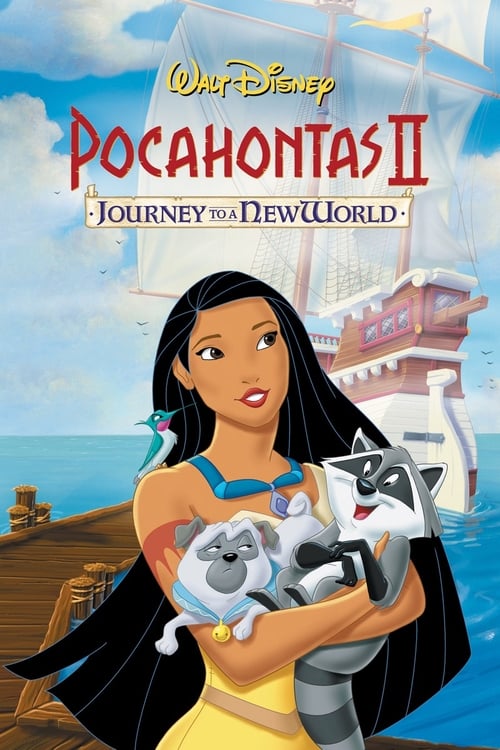
I remember the specific "thwack" sound a Disney plastic clamshell case made when you snapped it shut. In 1998, that sound usually signaled the end of a Friday night rental from Blockbuster. I watched Pocahontas II: Journey to a New World on a grainy CRT television while recovering from a mild case of the mumps, and the high-pitched, operatic trills of the Londoners in the opening number didn't exactly help my headache. But even through a fever, I could tell something was different. This wasn’t the sweeping, Oscar-winning epic of 1995. This was something scrappier, stranger, and arguably much more daring in how it chose to blow up its own franchise.
The Fish-Out-of-Water Adventure
The 1990s was the golden age of the "Cheap-quel"—those direct-to-video follow-ups produced by Disney Television Animation rather than the flagship studio. While the original Pocahontas was a lush, atmospheric tone poem about nature and forbidden love, Journey to a New World shifts gears into a frantic fish-out-of-water comedy. We find our heroine, voiced again with dignified grace by Irene Bedard (with Judy Kuhn providing that powerhouse singing voice), traveling to London as a diplomat to prevent a war.
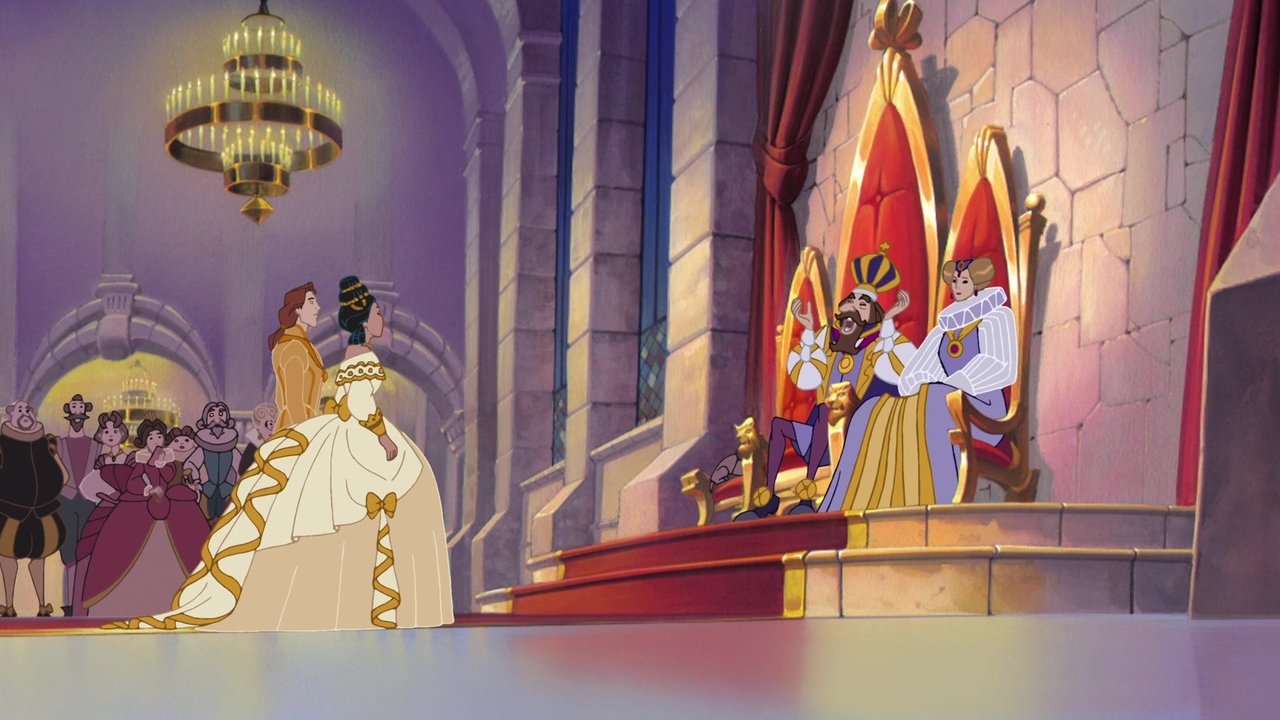
The "Adventure" here isn't through the misty forests of Virginia, but through the muddy, crowded streets of 17th-century London. It’s a classic trope: the "noble savage" navigating the absurdities of high society. There are sequences involving corsets, ballroom dancing lessons, and a very confused Meeko the raccoon trying to navigate a formal dinner. It lacks the scale of the first film, but it replaces it with a brisk, Saturday-morning-cartoon energy. The stakes feel smaller—mostly revolving around whether Pocahontas can impress the buffoonish King James (voiced by the legendary Jim Cummings) or if the returning villain Ratcliffe (David Ogden Stiers) can trick everyone into thinking she’s a "savage."
The Great Romantic Bait-and-Switch
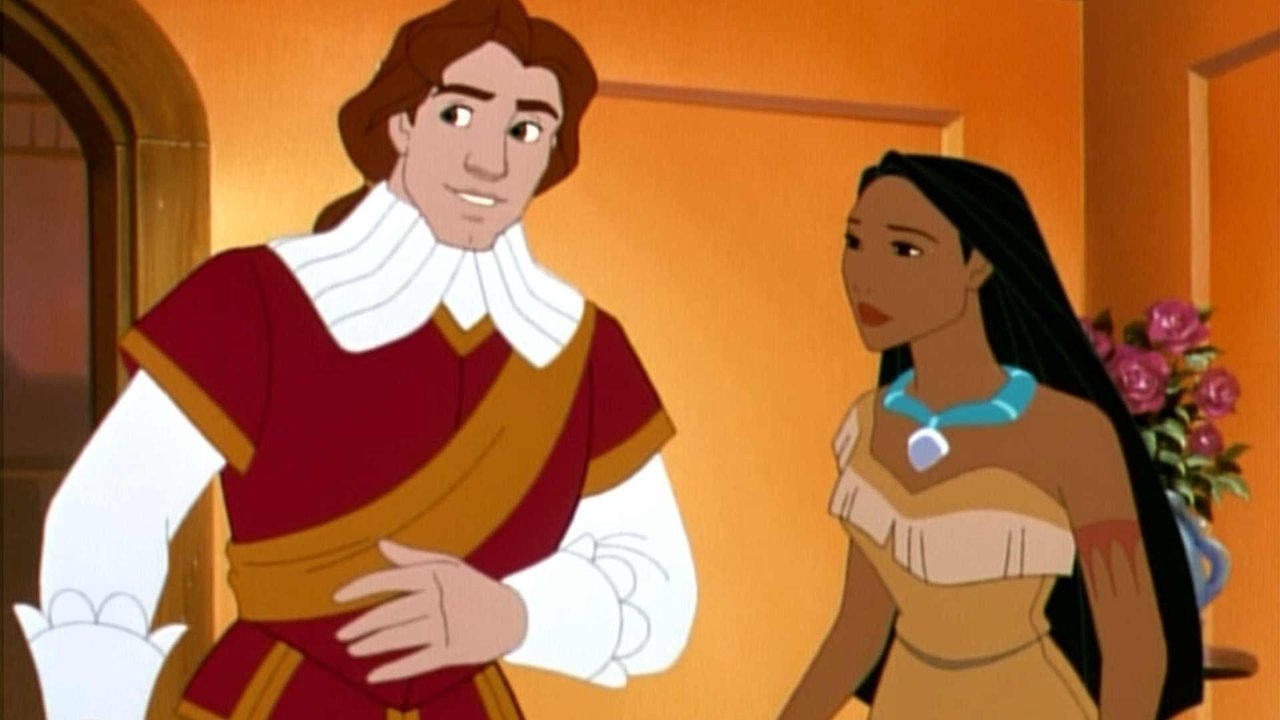
If you want to see a Disney fan get truly heated, ask them about John Rolfe. In a move that was absolutely radical for a kids' movie, this sequel decides to dump the primary love interest from the first film. John Smith is back—now voiced by Donal Gibson, taking over for his brother Mel—but he’s no longer the center of Pocahontas’s universe. Instead, we get John Rolfe, played by Billy Zane with a charm that sits somewhere between a stiff upper lip and a genuine heart.
Pocahontas II is the cinematic equivalent of a polite breakup text. It’s incredibly rare for a sequel to tell its audience, "Remember that guy you spent ninety minutes rooting for? Yeah, he’s not the one." Looking back, I actually appreciate the honesty of it. The first film was criticized (rightly so) for its massive historical inaccuracies. By introducing Rolfe, the filmmakers were actually steering the narrative closer to the real history, even if they had to break the hearts of every eight-year-old who bought the "Colors of the Wind" soundtrack. It’s a mature, if clunky, exploration of how the person you loved at eighteen might not be the person you need when you're seeing the world for the first time.
The DTV Aesthetic and Heritage
Technically, you can see where the budget was trimmed. The vibrant, angular art style of the original is replaced by thinner lines and flatter backgrounds. The "digital" sheen of the late 90s is starting to creep in here; while the original was one of the last great triumphs of hand-painted cels, the sequel feels like it’s being prepped for the DVD era. It’s a fascinating relic of that transitional period when Disney was trying to figure out how to monetize their "B-tier" stories without devaluing the brand.
Despite the lower frame rate, the cast remains top-tier. Linda Hunt returns for a brief, glowing cameo as Grandmother Willow, providing the only real tether to the mystical atmosphere of the first film. And Billy Zane really does put in the work; he manages to make Rolfe feel like a worthy successor rather than just "the other guy." He brings a certain Y2K-era "leading man" energy to a character who could have easily been a boring bureaucrat.

This isn't a lost masterpiece, and it’s easy to see why it drifted into the "forgotten" bin of the Disney vault. It’s a film caught between two worlds: trying to be a zany kids' comedy while also attempting a serious character study about growth and moving on. The movie is a brave, if clunky, apology for the first film’s romantic lies. It’s better than you remember, but not as good as it could have been with a theatrical budget.
If you’re a fan of animation history or just curious about how Disney handled their first "divorce," it’s worth a 72-minute look. It captures a very specific moment in the 90s when the studio was experimenting with how much they could change the status quo. It’s a bumpy journey to the New World, but at least it has the guts to admit that "happily ever after" sometimes looks different than we expected. Just don't expect the backgrounds to look as good as they did in 1995.
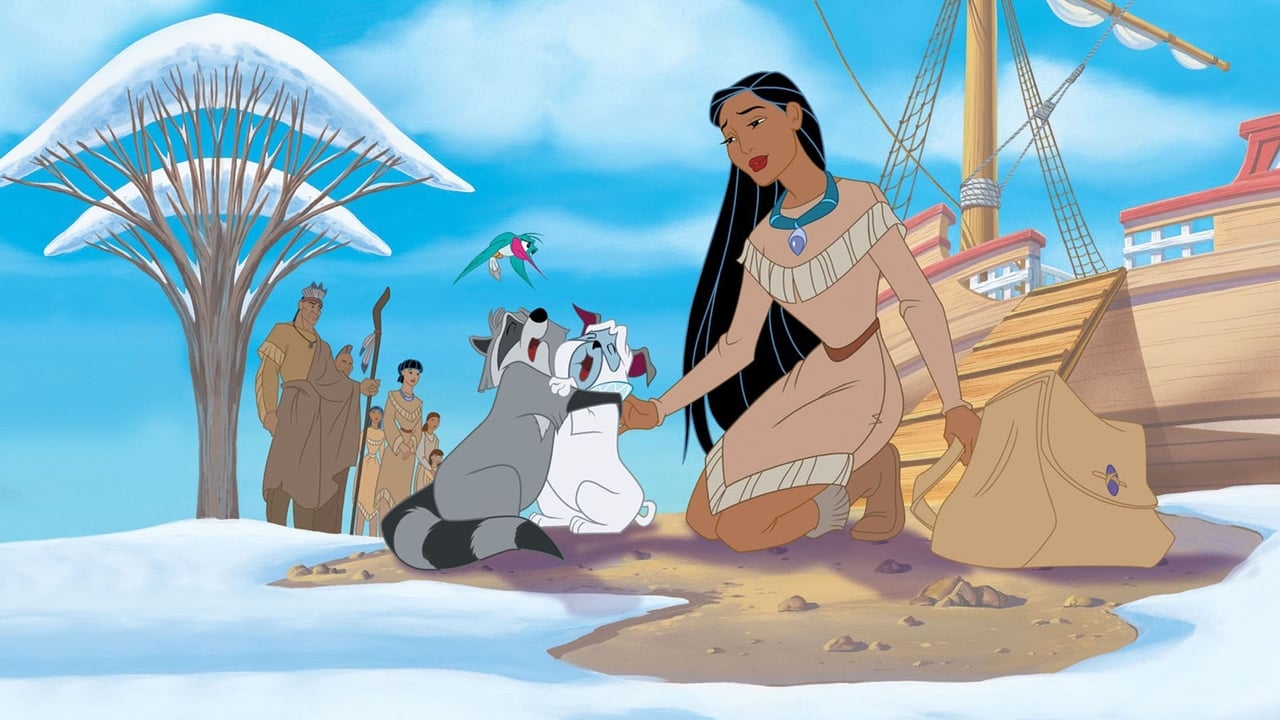
Keep Exploring...
-

Pocahontas
1995
-
Lady and the Tramp II: Scamp's Adventure
2001
-
Tinker Bell
2008
-

The Return of Jafar
1994
-
101 Dalmatians II: Patch's London Adventure
2003
-
Tinker Bell and the Great Fairy Rescue
2010
-
The Little Mermaid II: Return to the Sea
2000
-
Final Fantasy: The Spirits Within
2001
-
Osmosis Jones
2001
-
Cinderella II: Dreams Come True
2002
-

The Jungle Book 2
2003
-
A Goofy Movie
1995
-
Beauty and the Beast: The Enchanted Christmas
1997
-
Are We There Yet?
2005
-
Tarzan II
2005
-

The Ant Bully
2006
-
Shrek the Halls
2007
-
TMNT
2007
-
Open Season 2
2008
-
The Tale of Despereaux
2008