Pokémon: The First Movie
"The battle for the soul of a generation."
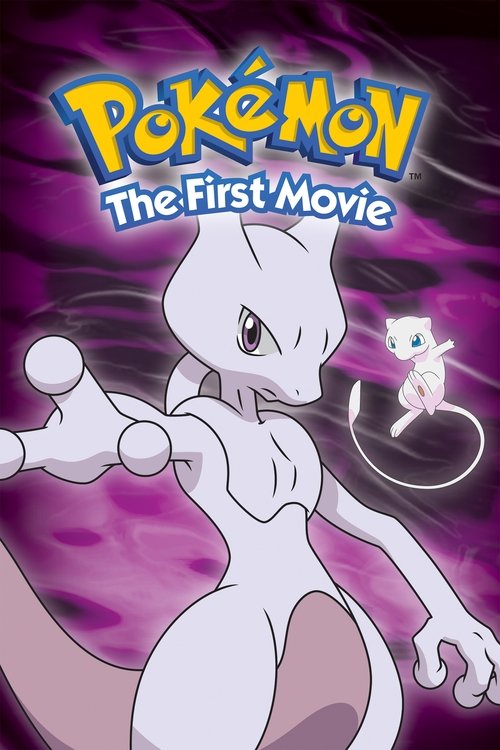
In the autumn of 1999, the Western world wasn't just undergoing a digital revolution; it was surrendering to a global takeover led by a yellow electric mouse. Before the Marvel Cinematic Universe became the blueprint for multi-platform dominance, Pokémon: The First Movie (officially titled Mewtwo Strikes Back) served as the definitive case study in how to turn a handheld video game into a multi-million dollar cultural pillar. It wasn't just a film; it was a mandatory pilgrimage for anyone under the age of 12, fueled by a marketing blitz that made the Star Wars: Episode I release earlier that year look like a quiet indie premiere.
Existential Dread with a Side of Popcorn
What strikes me most when revisiting this today is how surprisingly bleak the narrative architecture is for a "Family/Animation" flick. We aren't just looking at a high-stakes monster match; we’re looking at a clone’s existential crisis. Mewtwo—voiced with Shakespearean gravity by Philip Bartlett in the English dub and with equal intensity by Masachika Ichimura in the Japanese original—is a bio-engineered creature grappling with the trauma of his own birth.
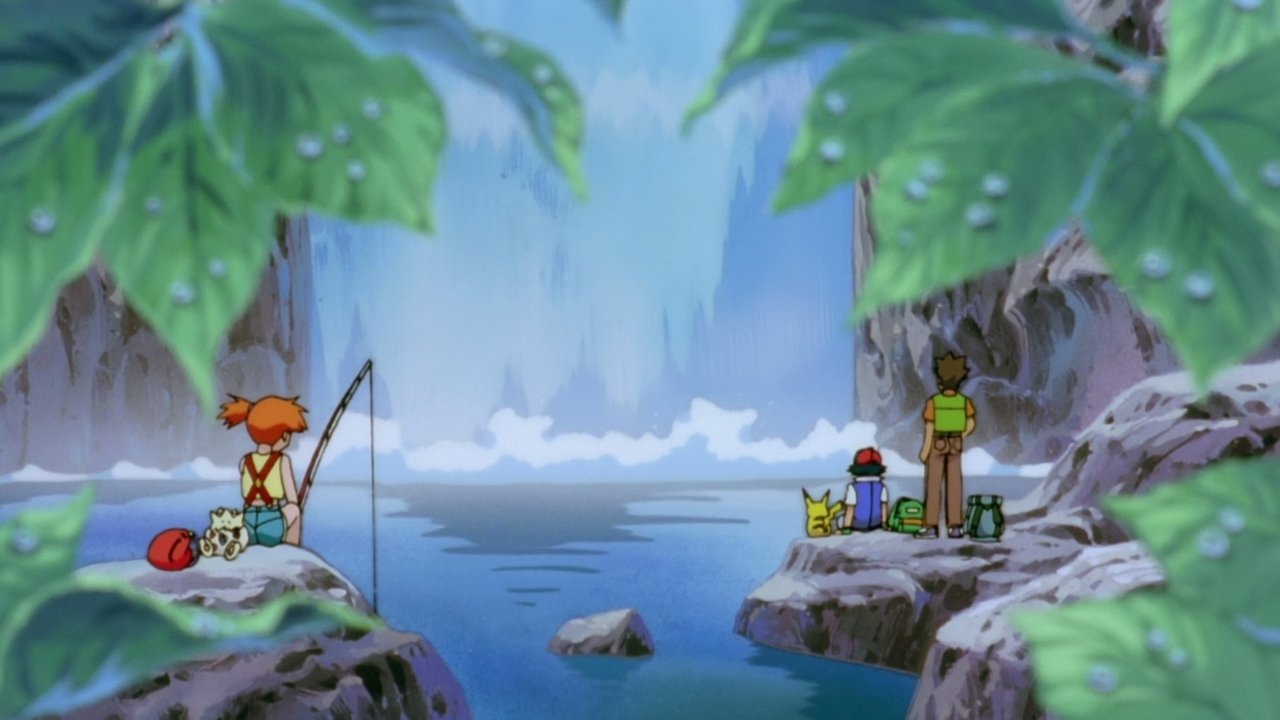
The screenplay by Takeshi Shudo (who also penned the brilliant Pokémon TV series) leans heavily into the "nature vs. nurture" debate. Looking back, the film captures that Y2K-era anxiety regarding cloning and genetic engineering, arriving just a few years after Dolly the Sheep became a household name. Mewtwo’s island fortress is a masterpiece of late-90s "digital-analog" hybrid animation. While the CGI used for the "bio-tubes" and the storm clouds looks like a primitive screensaver by 2024 standards, it gave the film a cold, sterile sheen that separated it from the softer, hand-drawn aesthetic of the weekly television show. It felt cinematic because it felt dangerous.
The Choreography of a Clone War
As an action piece, the film’s climax is less about "winning" and more about the physical toll of combat. When the original Pokémon are forced to fight their genetically enhanced clones, director Kunihiko Yuyama makes a deliberate stylistic choice: he strips away the flashy elemental attacks. There are no thunderbolts or fire blasts here. Instead, it’s a grueling, slow-motion sequence of physical exhaustion.
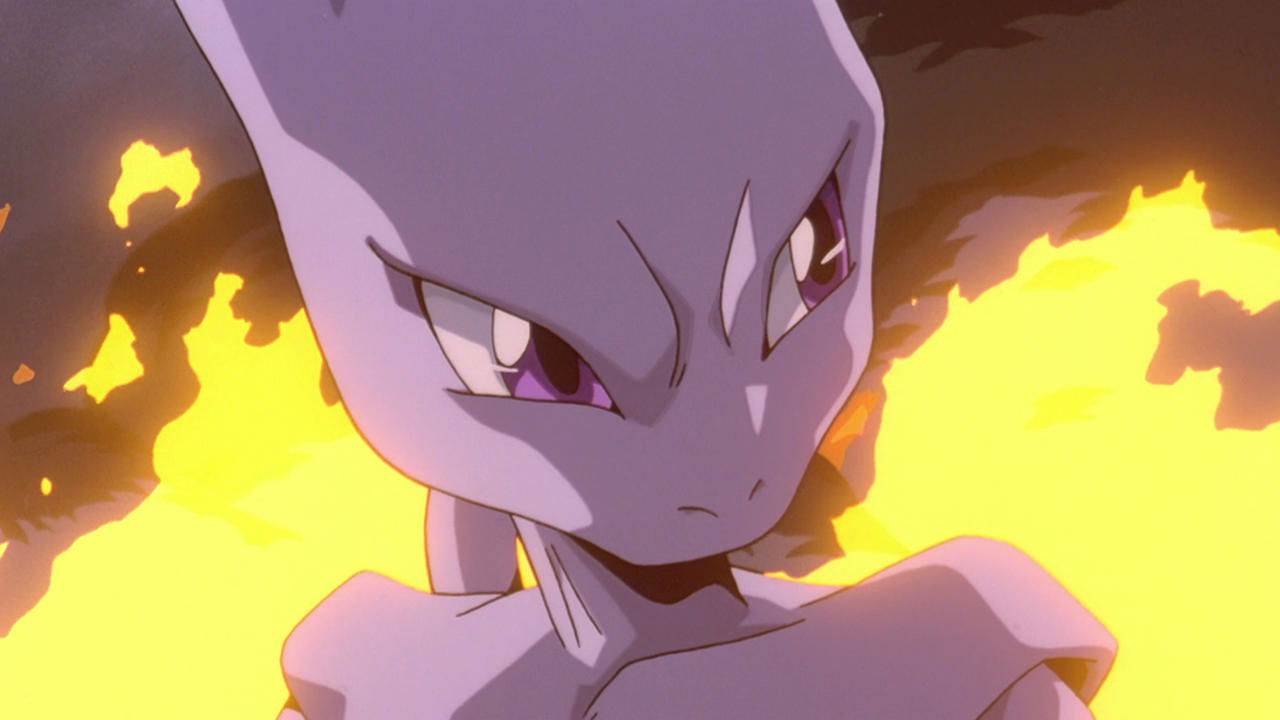
The sight of two identical creatures slapping each other until they collapse remains one of the most haunting sequences in 90s animation. I watched this recently while sitting on a particularly squeaky IKEA chair that sounded exactly like a crying Pikachu, and the unintended sound effects actually made the whole "suffering" theme hit even harder. The score, particularly in the English version with its "Brother My Brother" needle-drop, is pure 1990s melodrama. It’s heavy-handed, sure, but it perfectly mirrors the earnestness of the era. The action is staged with a clarity that many modern CGI-heavy blockbusters lack; you always know where Ash Ketchum (voiced by Rica Matsumoto / Veronica Taylor) is in relation to the chaos, and the stakes feel genuinely final.
The $160 Million "Free Card" Gamble
We can’t discuss this movie without talking about the sheer audacity of the "Blockbuster" strategy. The production budget was a modest $30 million—pennies compared to Disney’s Tarzan the same year—but the ROI was staggering. Warner Bros. knew exactly what they had. By bundling an exclusive "Mew" trading card with every ticket, they didn't just sell a movie; they sold a collectible. I’ve heard stories of theaters being absolutely pillaged for those cards, and that frenzy translated into a $163 million global haul.
Behind the scenes, the transition from Japan to the West involved some fascinating (and controversial) surgical "repairs." The original Japanese script was much more morally gray; Mewtwo wasn't necessarily a "villain" so much as a confused being seeking purpose. The Western localization, handled by 4Kids Entertainment, painted Mewtwo with a broader "world domination" brush to fit the Saturday morning cartoon mold. Looking back, the pacifist message of the ending is completely undermined by the fact that the entire franchise is built on magical dog-fighting for sport, but as a kid in a theater, that irony was lost in a sea of tears when Ash turned to stone.
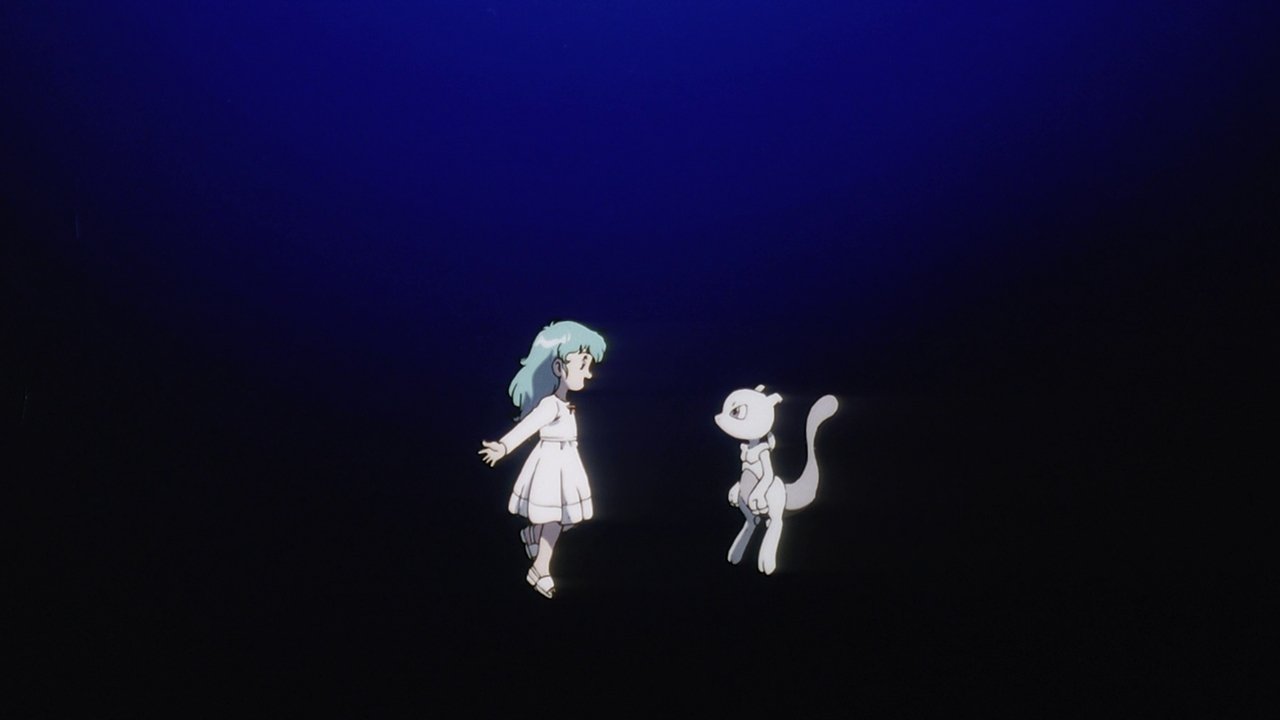
The film also serves as a time capsule for the voice cast. Ikue Otani’s work as Pikachu remains the gold standard for non-verbal performance, conveying more grief in a few "Pika-pi" squeaks than most actors manage in a monologue. The supporting cast, including Mayumi Izuka (Misty) and Yuji Ueda (Brock), provide the necessary levity to keep the film from descending into a total nihilistic pit, though the Team Rocket segments featuring Megumi Hayashibara (Jessie) feel like they belong to a different, much sillier movie.
Pokémon: The First Movie is a fascinating relic of a time when the "CGI Revolution" was just starting to poke its head through the floorboards of traditional animation. It’s a film that balances corporate cynicism with genuine heart, and while the dialogue is often clunky and the plot relies on a literal "tears of life" deus ex machina, its impact is undeniable. It proved that anime wasn't a niche hobby but a massive, commercially viable force in the West. It might not be a masterpiece of cinema, but as a cultural event, it was the perfect storm. For those of us who lived through it, it remains the ultimate "you had to be there" moment of 90s pop culture.

Keep Exploring...
-
Pokémon the Movie 2000
1999
-

Puss in Boots
2011
-

Sinbad: Legend of the Seven Seas
2003
-
Return to Never Land
2002
-
Brave
2012
-
Rise of the Guardians
2012
-
How to Train Your Dragon 2
2014
-

The SpongeBob SquarePants Movie
2004
-

The Swan Princess
1994
-
James and the Giant Peach
1996
-

The Cat Returns
2002
-

Night at the Museum
2006
-
Shrek the Third
2007
-
Horton Hears a Who!
2008
-
Shrek Forever After
2010
-

Frozen
2013
-
Maleficent
2014
-
Last Action Hero
1993
-
Anastasia
1997
-
Hercules
1997