Practical Magic
"Love is a curse; sisterhood is the cure."
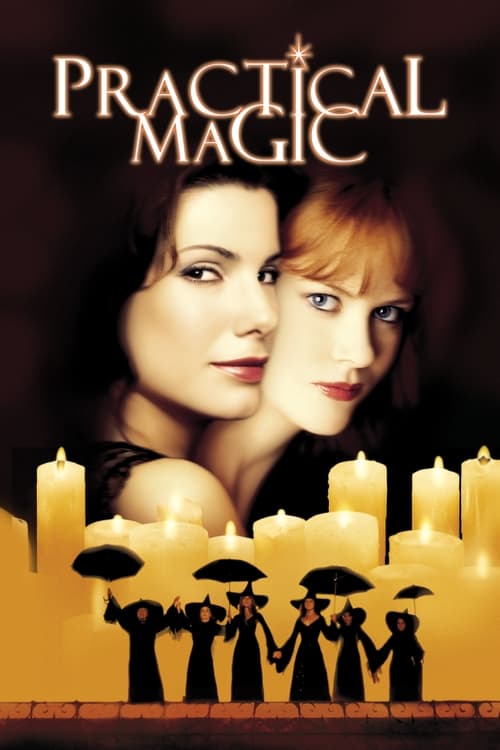
1998 was a peculiar year for the supernatural. While Charmed was just beginning its television reign and we were still two years away from a certain boy wizard hitting the big screen, magic on film felt strangely tactile. It wasn’t about glowing energy beams or multiverse-shattering portals; it was about the sound of a wooden spoon against a ceramic bowl, the smell of lavender, and enough white linen to clothe a small Mediterranean village. Practical Magic arrived during this peak era of "lifestyle magic," a movie that feels less like a narrative and more like an exquisitely curated Pinterest board from a decade before Pinterest existed.
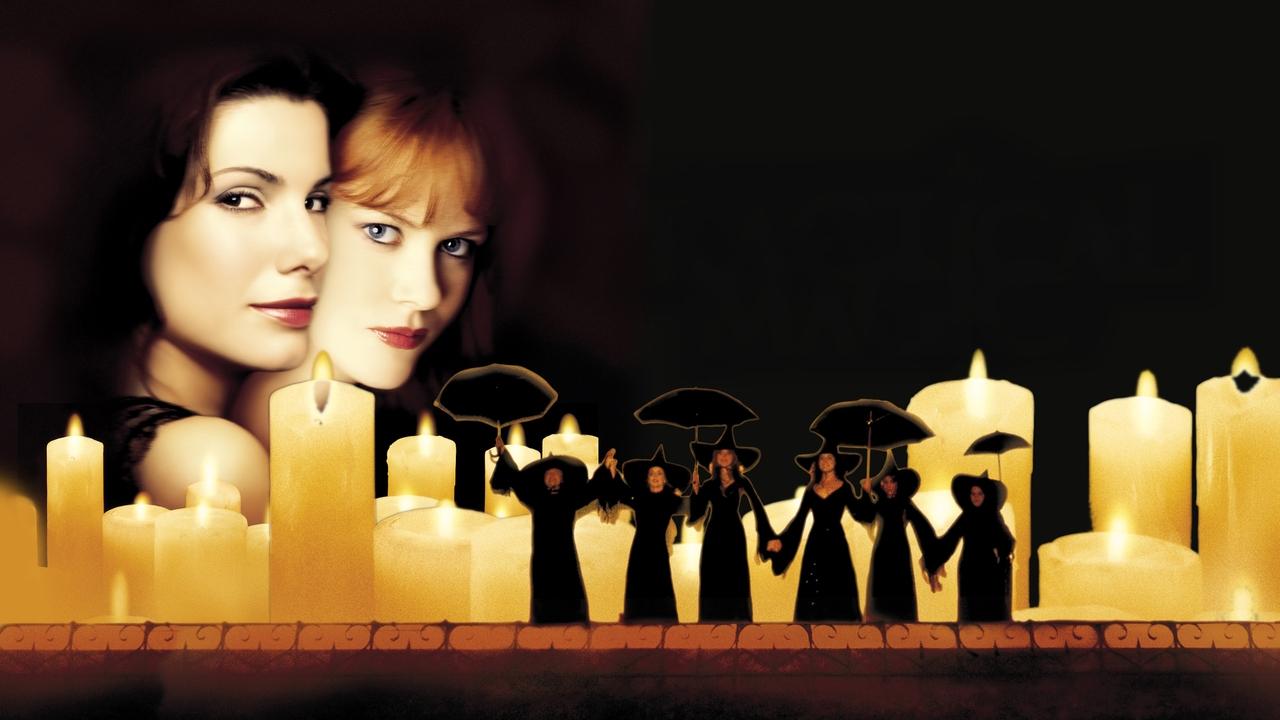
I watched this recently while eating a bowl of lukewarm cereal because the milk was about to expire, and honestly, the contrast between my mundane kitchen and the Owens family mansion was physically painful. That house is the undisputed star of the film—a towering, shingled Victorian masterpiece that makes you want to immediately quit your job and start an artisanal botanical shop.
The Alchemy of Bullock and Kidman
On paper, casting Sandra Bullock and Nicole Kidman as sisters feels like a studio executive's fever dream. In 1998, Bullock was the reigning queen of the "girl next door" rom-com, fresh off While You Were Sleeping, while Kidman was still navigating her transition from "Mrs. Tom Cruise" to the powerhouse she’d become in the early 2000s. Yet, the chemistry works because they lean into their archetypes: Bullock’s Sally is grounded, neurotic, and desperate for normalcy, while Kidman’s Gillian is a firecracker who treats life like a series of bad decisions waiting to happen.
The film relies heavily on their sisterly bond to bridge some fairly jarring tonal shifts. One minute you’re watching a cozy domestic drama about a woman trying to raise her daughters in a town that thinks she’s a freak, and the next, you’re in a supernatural noir involving the accidental death—and botched resurrection—of a Serbian cowboy. Goran Višnjić (best known for ER) plays the villainous Jimmy Angelov with such a cartoonish, brooding menace that he feels like he wandered in from a different movie entirely. He’s the grit in a movie that otherwise wants to be a silk scarf.
Midnight Margaritas and Mechanical Magic
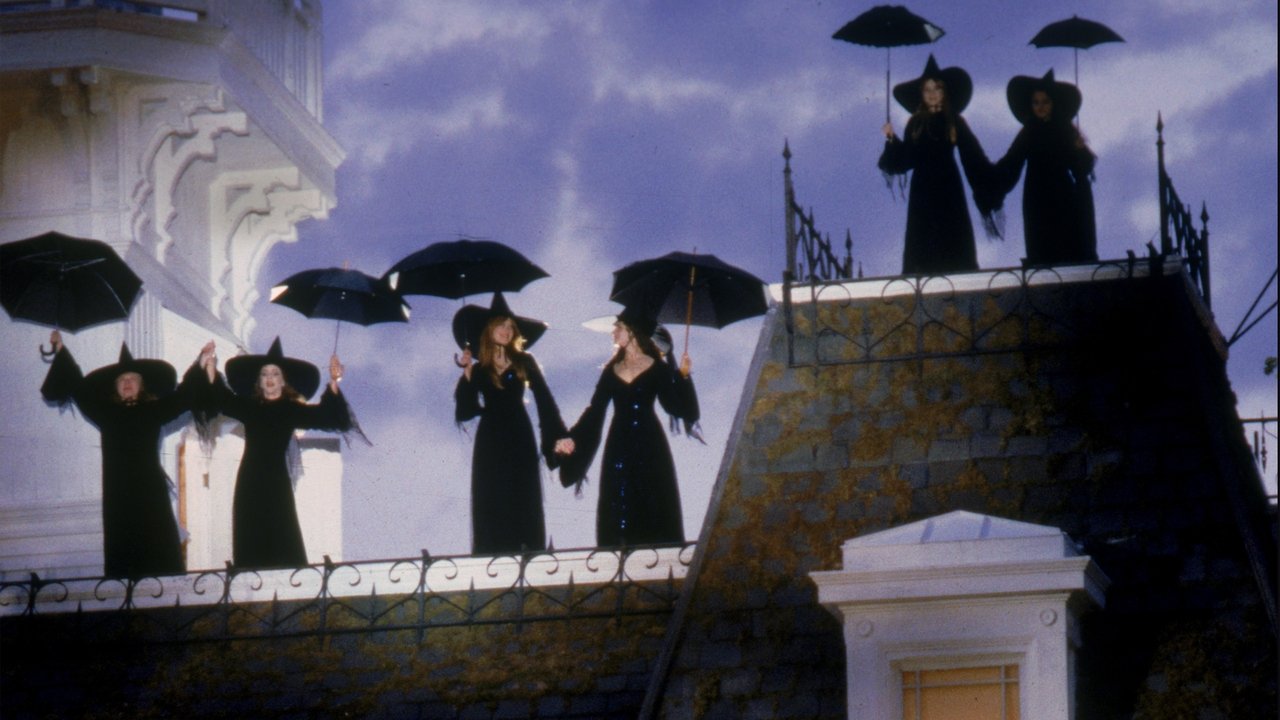
The heart of the movie, and the reason it has survived as a cult classic on DVD long after its disappointing box office run, is the relationship between the sisters and their aunts. Stockard Channing (our beloved Rizzo from Grease) and Dianne Wiest (Edward Scissorhands) are absolute scene-stealers. They represent the "Indie Renaissance" energy of the 90s—seasoned actors clearly having the time of their lives in ridiculous hats.
The "Midnight Margaritas" scene is arguably the most famous sequence in the film, and for good reason. It’s a masterclass in comedic timing and physical looseness. Apparently, the cast actually got drunk on bad tequila during filming, and you can feel that authentic, messy joy. It’s the kind of scene that makes you forgive the film’s wobblier moments, like the fact that Aidan Quinn’s detective Gary Hallet has the personality of a very handsome piece of drywall. Aidan Quinn’s eyes are more supernatural than the actual spells, possessing a shade of blue that feels like it was achieved via early CGI rather than genetics.
Speaking of effects, Practical Magic sits at a fascinating crossroads. Directed by Griffin Dunne (the poor guy from An American Werewolf in London), the film uses a mix of practical puppetry and early digital work. The "evil spirit" possession in the finale is a bit of a mixed bag; it’s ambitious for 1998, but it lacks the grounded charm of the earlier, herb-based magic. It’s a reminder that the late 90s were still figuring out how much computer-generated spectacle a character-driven story could actually hold.
A Recipe for Cult Longevity

Why do we still talk about this film? It certainly isn't because of the plot, which is as thin as a lace doily. It’s the atmosphere. It captured a specific Y2K-adjacent anxiety about belonging, wrapped in a warm blanket of New England aesthetics. Looking back, the film’s failure to find an audience in theaters makes sense—it was marketed as a standard rom-com, but it’s actually a dark, slightly messy tale about generational trauma and the power of the female collective.
The screenplay, co-written by Akiva Goldsman (who would later win an Oscar for A Beautiful Mind), tries to do too many things at once. It’s a romance, a thriller, a comedy, and a feminist manifesto. It shouldn’t work. And yet, there’s something so earnest about its commitment to the "Rule of Three" and the idea that Stockard Channing and Dianne Wiest are the only reasons to own a hat collection. It’s a movie that rewards rewatching not for the twists, but for the company of these women.
It’s the quintessential "comfort movie" because it acknowledges that life is messy and people die, but as long as you have your sisters and a well-stocked pantry, you might just survive the curse. It’s a vibe-heavy relic of an era when Hollywood still took big, expensive swings on mid-budget adult fantasies.
Practical Magic is a film that has aged like a fine wine—or perhaps a well-aged tincture. While the narrative gears grind a bit too loudly during the supernatural climax, the performances and the production design provide a level of warmth that modern, sterile blockbusters rarely achieve. It’s a flawed, beautiful, slightly spooky hug of a movie that reminds us that sometimes, the best way to get rid of an evil ex-boyfriend is a neighborhood-wide exorcism and a really good vacuum cleaner.


Keep Exploring...
-
Kate & Leopold
2001
-

Hercules
1997
-
Aquamarine
2006
-

Penelope
2007
-

Two Weeks Notice
2002
-
Groundhog Day
1993
-
The Mask
1994
-
Bedazzled
2000
-

S1m0ne
2002
-
Freaky Friday
2003
-

Pleasantville
1998
-

Mystery Men
1999
-
The Kid
2000
-
The Mexican
2001
-

The Santa Clause 2
2002
-

While You Were Sleeping
1995
-

Shrek 2
2004
-

Just Like Heaven
2005
-

Bedtime Stories
2008
-

The Little Rascals
1994