Ring
"The static is watching you back."
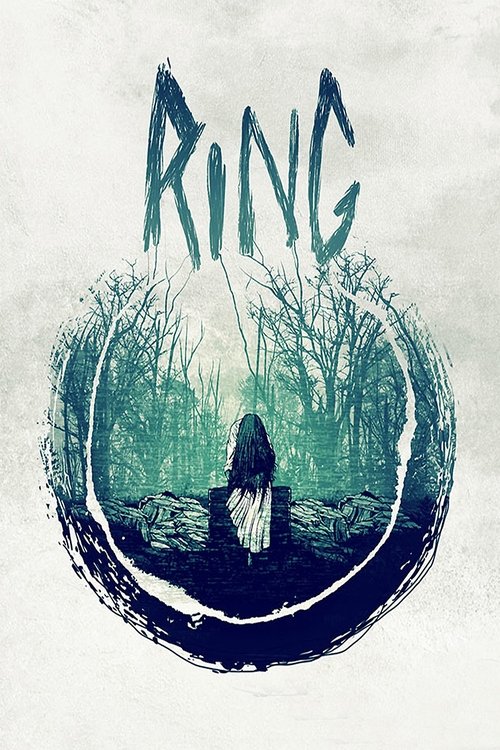
Long before high-definition streams and the sterile glow of smartphones, there was the grainy, flickering purgatory of the analog television. In 1998, Hideo Nakata took that mundane household object and turned it into a vessel for something prehistoric and hateful. I remember watching this for the first time on a humid Tuesday night, and just as the credits rolled, my neighbor started vacuuming through the paper-thin apartment walls; the muffled, rhythmic drone was so close to the film’s oppressive sound design that I nearly jumped out of my skin.
Ring (or Ringu) didn't just launch the J-horror boom of the late nineties; it fundamentally changed how we perceive the "haunted" space. It’s a film built on the terrifying realization that technology doesn't just connect us to each other—it can act as a bridge for things that were never meant to cross over.
The Texture of Dread
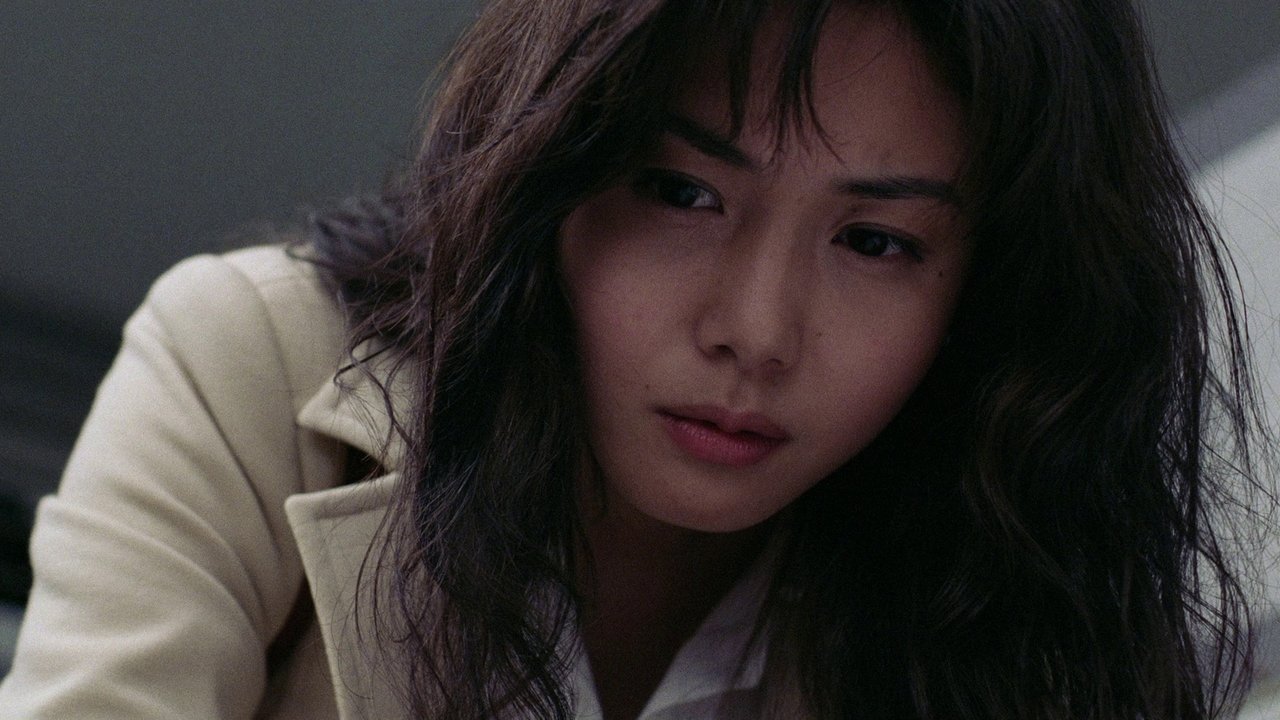
The plot is deceptively simple, echoing the logic of an urban legend. There is a tape. If you watch it, you receive a phone call. Seven days later, you die. Journalist Reiko Asakawa (Nanako Matsushima) begins investigating after her niece, Tomoko (Yuko Takeuchi), dies under inexplicable circumstances. When Reiko eventually finds the tape and watches it herself, the film shifts from a procedural mystery into a suffocating countdown.
What strikes me most about Ring two decades later is how much it relies on what we don't see. In an era where modern horror often feels like a competition of CGI jump scares, Nakata’s restraint feels radical. The cursed video itself is a masterpiece of experimental filmmaking—disjointed, grainy, and nonsensical. It feels like a nightmare captured on magnetic tape. There are no monsters jumping out of closets here. Instead, the horror is a slow-acting poison. The phone call after the video is actually scarier than the footage itself, because it confirms that the curse has acknowledged your existence.
Innovation on a Shoestring
While it eventually spawned a massive franchise and a polished Hollywood remake, Ring began as a lean, independent-minded production. With a budget of roughly $1.2 million—pocket change compared to the blockbusters of the time—the crew had to rely on psychological friction rather than expensive pyrotechnics.
The film’s most iconic sequence involves the emergence of Sadako, the girl in the well. To create her unnatural, stuttering gait, Nakata had the actress walk backward while performing jerky, exaggerated movements, then played the footage in reverse. It’s a low-fi, practical solution that creates a "glitch in reality" effect that CGI still struggles to replicate. It taps into the Uncanny Valley perfectly; your brain knows something is wrong with the physics of her movement, even if it can’t quite name it.
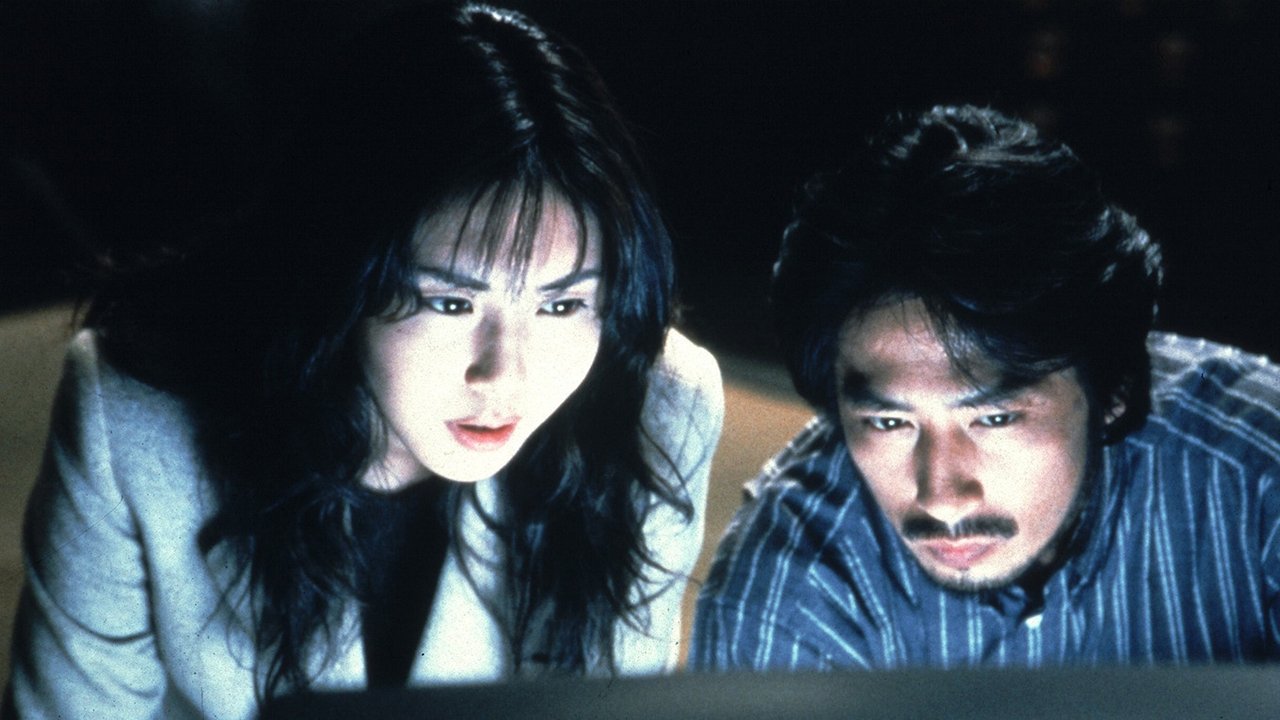
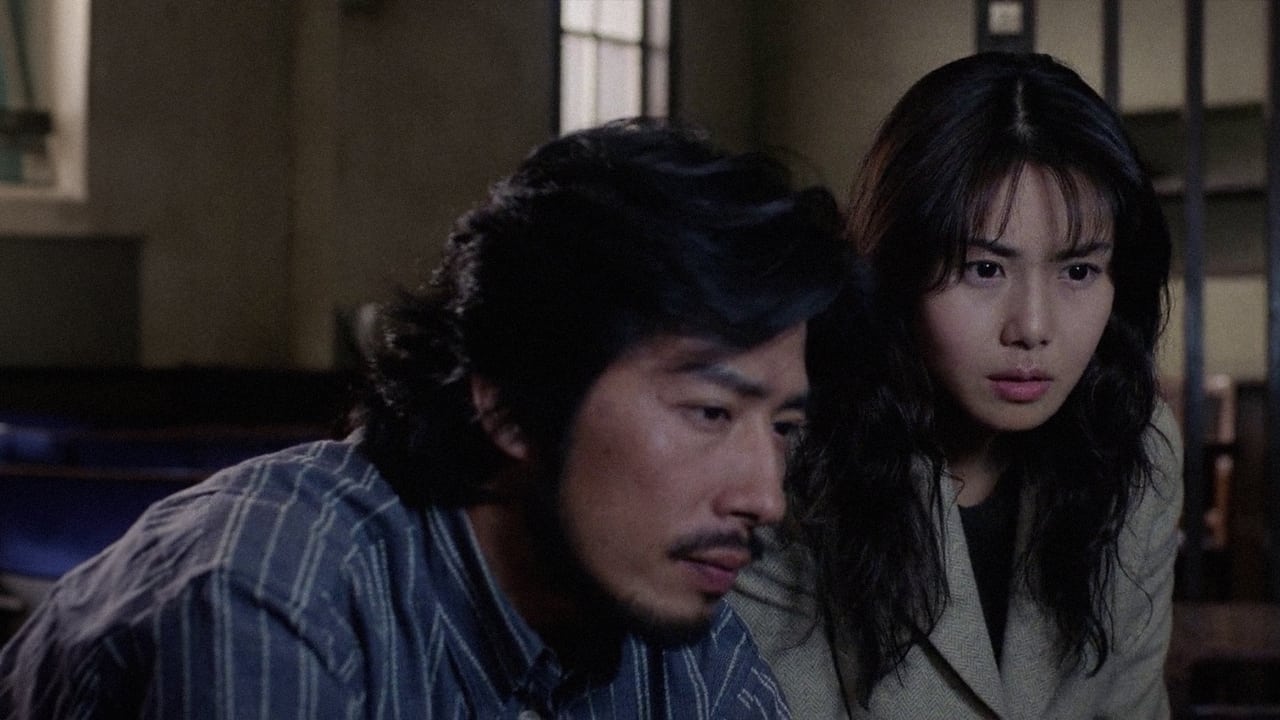
Nanako Matsushima and Hiroyuki Sanada (playing her cynical, psychic ex-husband Ryuji) bring a grounded, somber weight to the material. They don't act like "scream queens"; they act like parents who are slowly realizing they’ve invited a death sentence into their home. The stakes aren't just survival; they’re about the frantic, morally compromising things we do to protect our children.
A Ghost in the Machine
The film arrived at the perfect cultural crossroads. The late 90s were defined by Y2K anxieties and a burgeoning fear of how the "information age" might rot our brains. Ring literalized that fear. It suggested that evil could be duplicated, shared, and transmitted like a virus. It took the ghost—traditionally confined to old, drafty mansions—and put it inside the one thing every modern person owned: a TV set.
The cinematography by Junichiro Hayashi favors cold blues and oppressive greys, making even the daylight scenes feel damp and unwelcoming. There is a constant sense of moisture in the film—the well, the rain, the sea—that makes the atmosphere feel heavy, as if the characters are drowning in the plot long before the week is up. This isn't a "fun" horror movie to watch with a rowdy crowd. It’s an intimate, lonely experience that demands silence.
Ring remains the gold standard for atmospheric horror because it understands that the most effective scares happen in the viewer's imagination. It respects the power of a quiet room and the terrifying possibility that a blank screen isn't actually empty. It is a grim, meticulously paced descent that rewards patience with one of the most chilling final acts in cinema history. If you haven't seen it, find the original Japanese cut—just maybe keep your phone on silent for an hour or two afterward.
The film's ending refuses to offer the easy catharsis of a "slain" villain. Instead, it leaves you with a haunting moral dilemma that lingers long after the screen goes black. It suggests that once a curse is unleashed, the only way to survive is to pass the darkness on to someone else. It’s a cynical, brilliant conclusion to a film that proved you don't need a massive budget to traumatize an entire generation—you just need a good story and a very, very creepy well.

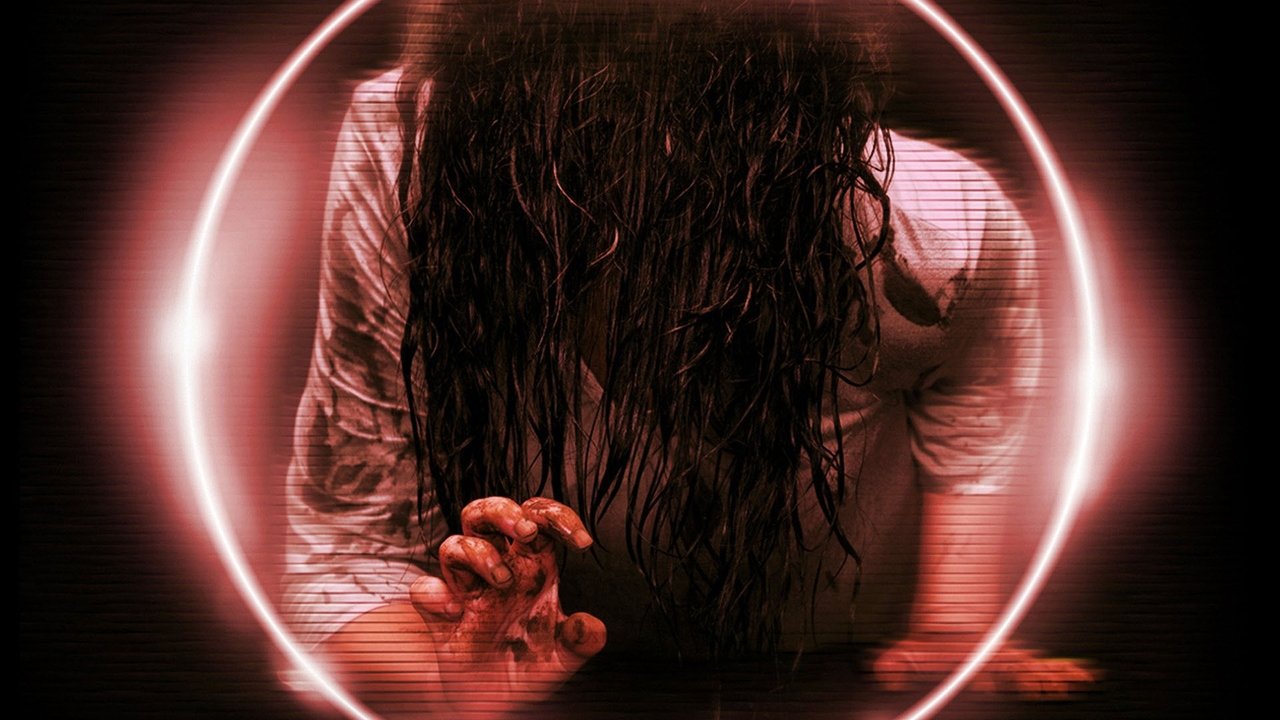
Keep Exploring...
-

The Devil's Backbone
2001
-
Shutter
2004
-
The Orphanage
2007
-
Audition
2000
-
Battle Royale
2000
-

Ichi the Killer
2001
-
The Hole
2001
-

Dog Soldiers
2002
-
High Tension
2003
-
From Dusk Till Dawn
1996
-

Thesis
1996
-
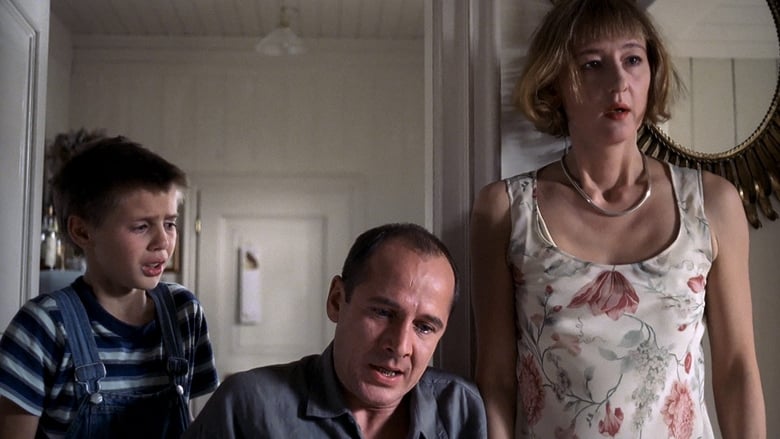
Funny Games
1997
-
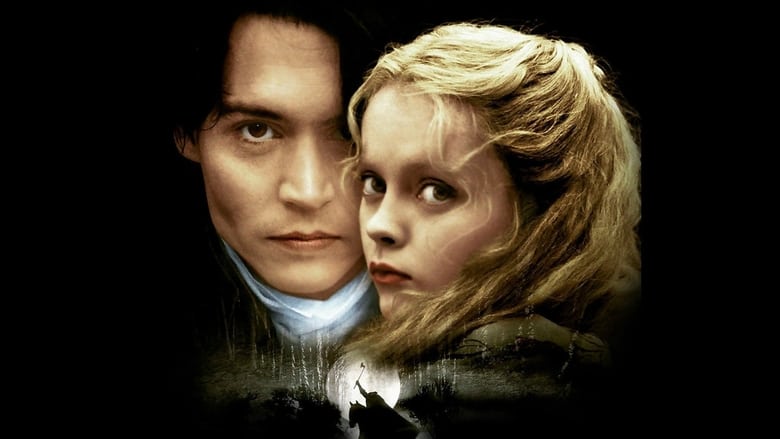
Sleepy Hollow
1999
-
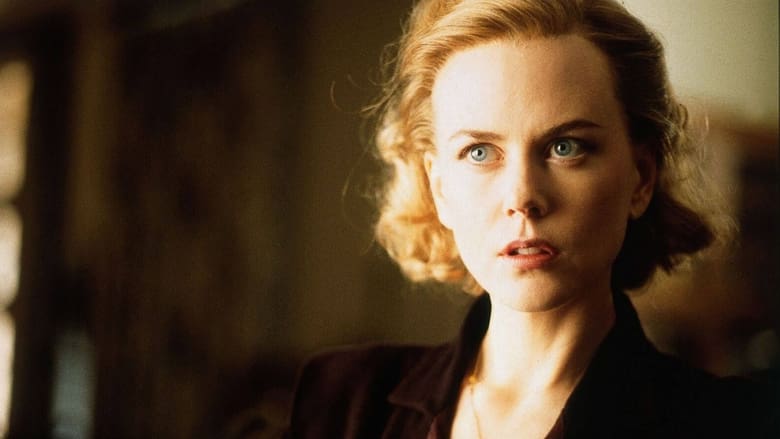
The Others
2001
-

28 Days Later
2002
-
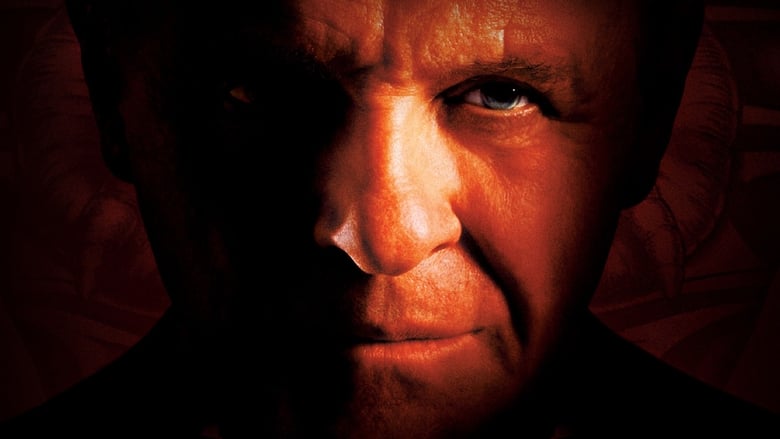
Red Dragon
2002
-
Shallow Grave
1994
-
Bound
1996
-
Open Your Eyes
1997
-
Pi
1998