Ronin
"No names. No questions. No way out."
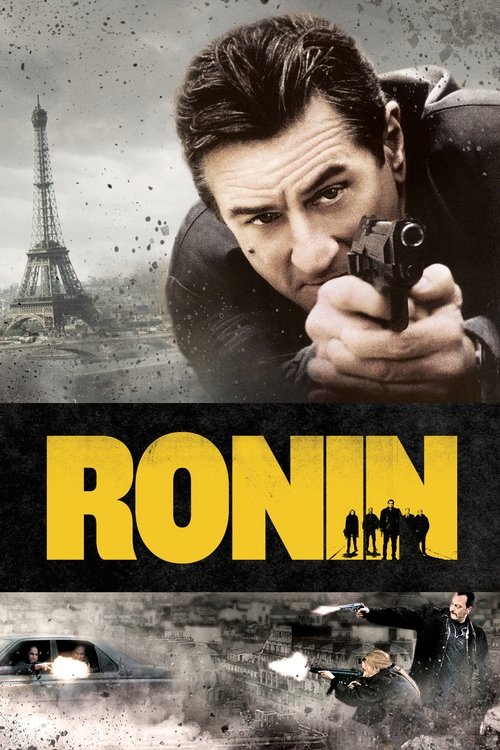
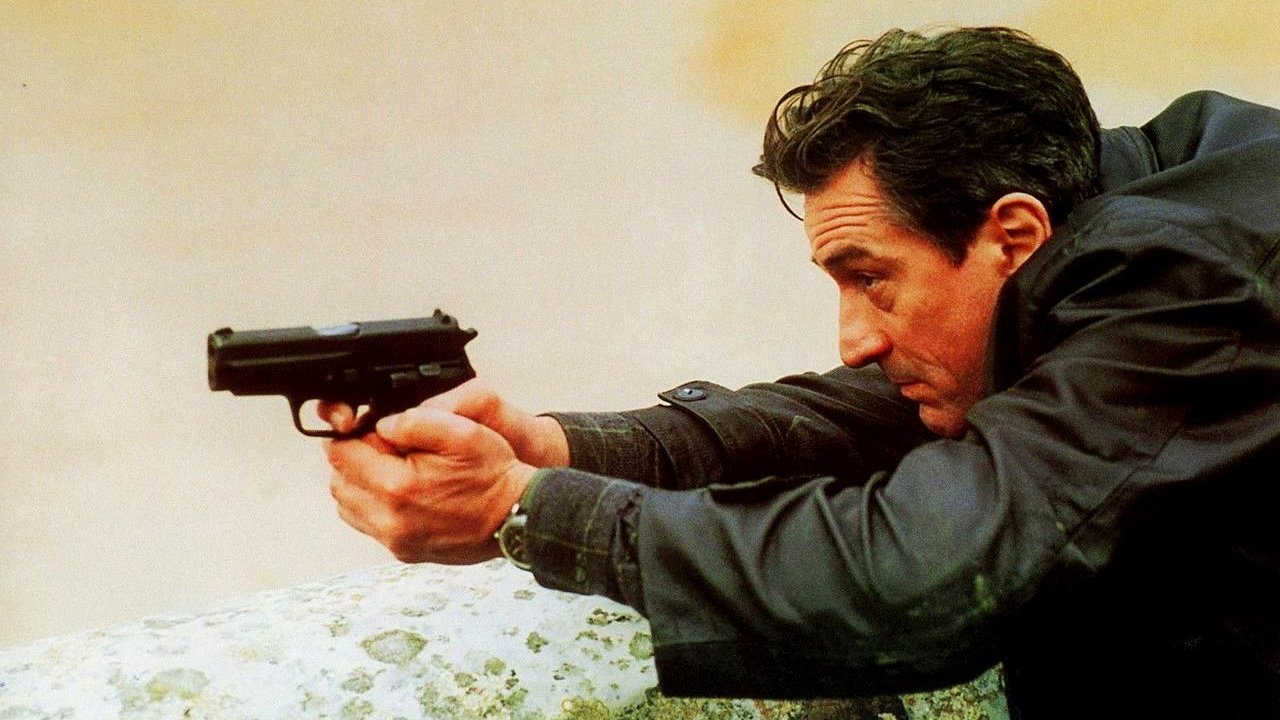
Most late-90s action movies were busy trying to figure out how many digital pixels it took to make an explosion look "real," but John Frankenheimer was busy hiring 300 stunt drivers to actually play chicken in the streets of Paris. Ronin arrived in 1998 like a ghost from the 1970s—all gray suits, cold coffee, and high-octane paranoia. While its contemporaries were chasing the high-tech sheen of Mission: Impossible, this film felt like it was shot in the rain and developed in a bucket of motor oil. It’s a film that respects the weight of a metal car door and the clicking sound of a magazine being slammed into a pistol.
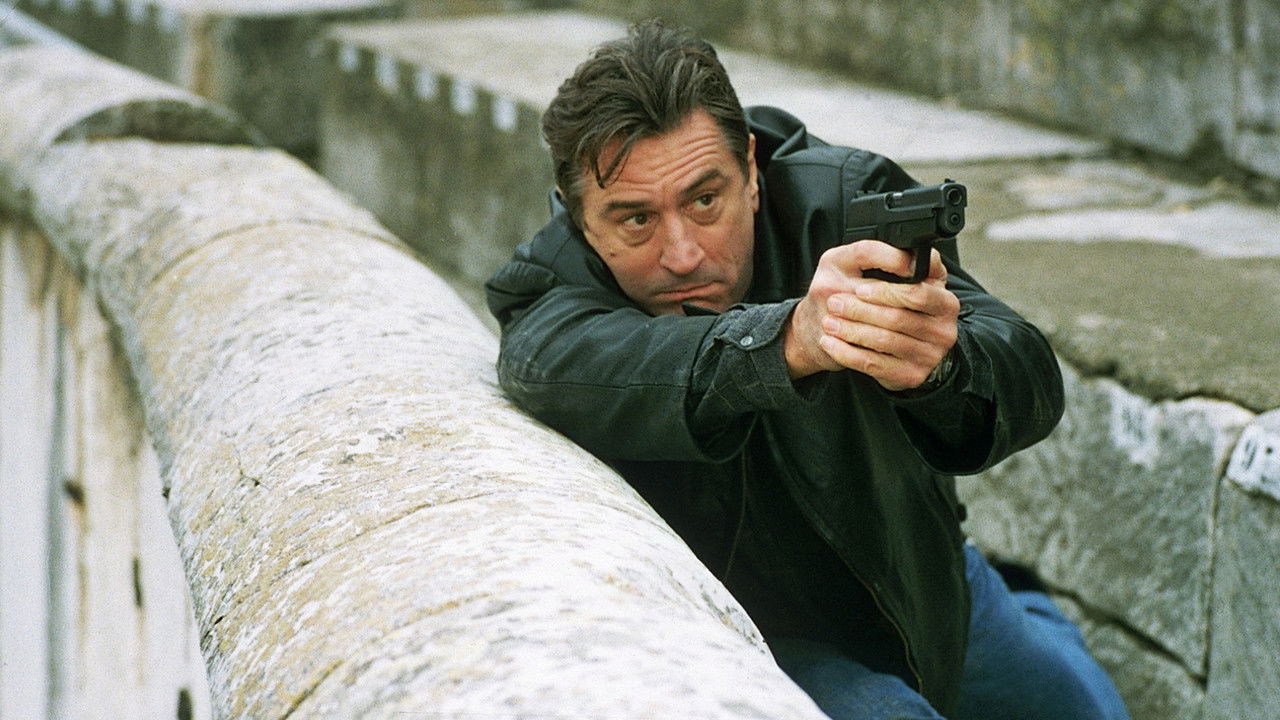
I watched this recently while trying to assemble a particularly stubborn IKEA bookshelf, and I ended up with three extra screws and a lopsided shelf because I kept getting distracted by the sheer geometry of the car chases. There is a specific kind of focus this movie demands. It’s a "dads with maps" movie, a genre that feels increasingly extinct in an era where every protagonist has a literal supercomputer in their pocket.
The Physics of the Chase
When we talk about Ronin, we are inevitably talking about the cars. In 1998, the industry was on the cusp of the CGI revolution that would eventually give us cars jumping between skyscrapers in the Fast & Furious franchise. Frankenheimer, the man who gave us Grand Prix (1966), clearly had no interest in that. He wanted the real thing. He famously had the actors sit in the cars while professional drivers handled the wheel at 100 mph, and you can see the genuine, unsimulated terror in Natascha McElhone’s eyes as she weaves a BMW through oncoming traffic.
The sound design here is a character of its own. There’s no bombastic superhero score drowning out the action; instead, you get the high-pitched whine of a Peugeot engine and the screech of tires that sound like they’re screaming in pain. The editing doesn't rely on the "shaky cam" chaos that would define the Bourne era a few years later. Instead, it’s remarkably clear. You always know where the Audi is in relation to the Mercedes, which makes the danger feel intimate rather than abstract. The car chases in Ronin make every modern green-screen sequence look like a thumb-twiddling exercise in boredom.
A Mamet-Sized Mystery
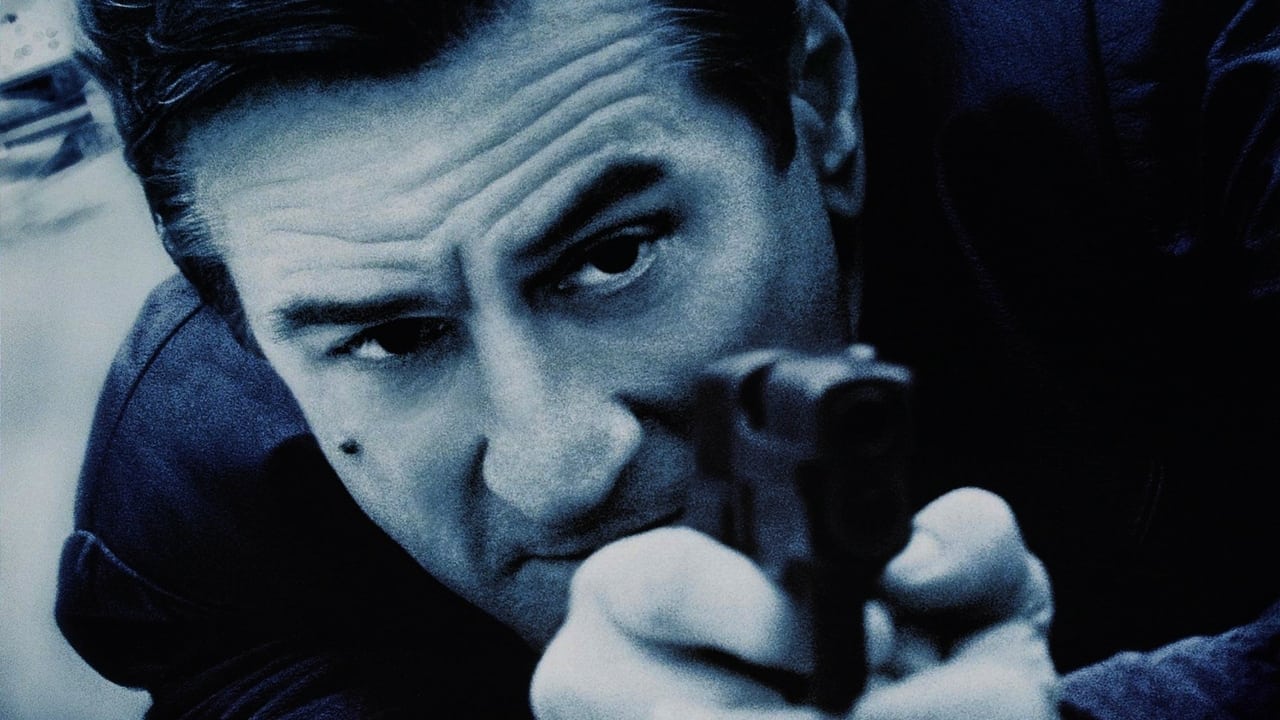
The plot is famously built around a "MacGuffin"—a briefcase with contents that are never revealed. It’s a classic Hitchcockian trope, but it’s handled with a gritty, mercenary cynicism that feels very much of its era. The screenplay is credited to J.D. Zeik and "Richard Weisz," which was actually a pseudonym for David Mamet. You can feel his fingerprints all over the dialogue. It’s clipped, repetitive, and obsessed with professional etiquette among thieves. "I never walk into a place I don't know how to walk out of," says Robert De Niro as Sam, and he delivers it with the kind of weathered authority he hasn't quite tapped into lately.
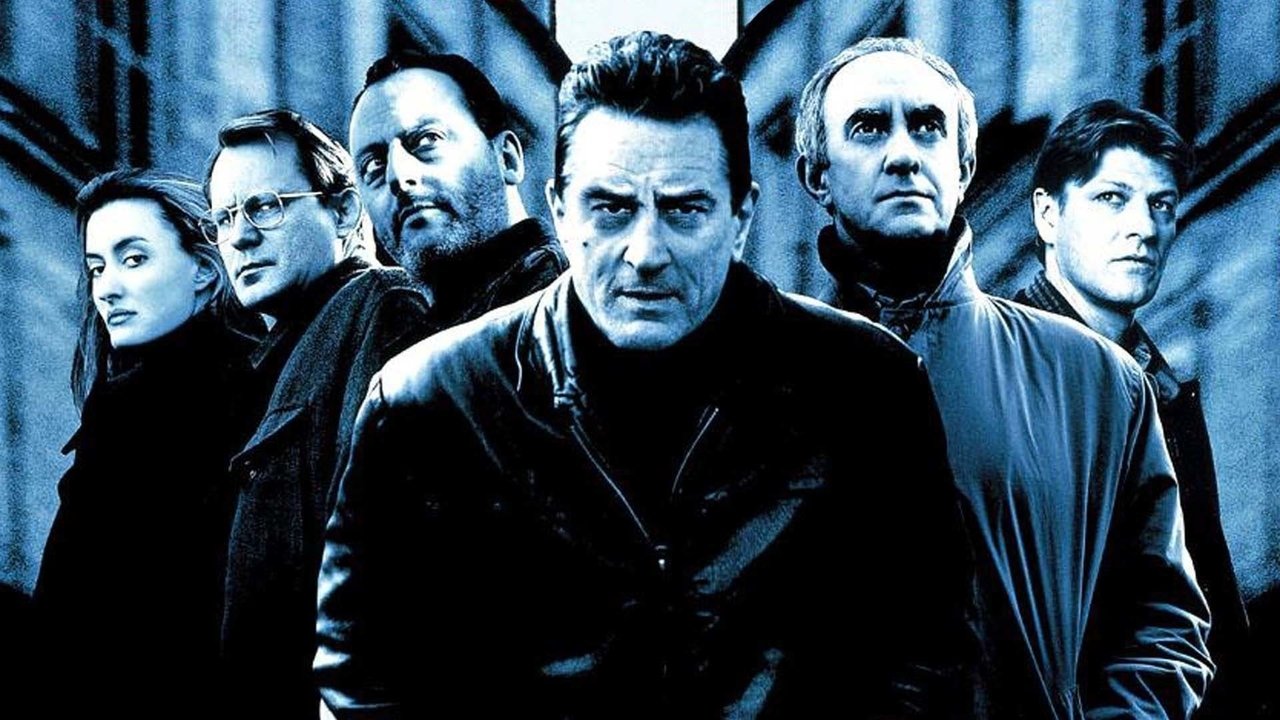
The ensemble is a dream team of "that guy" actors. You’ve got Jean Reno as the stoic Frenchman Vincent, who becomes Sam’s only true ally in a world of shifting loyalties. Then there’s Stellan Skarsgård as the icy Gregor and Jonathan Pryce as the IRA mastermind. Special shout-out must go to Sean Bean as Spence, the guy who talks a big game about "the ambush" but clearly shouldn't be trusted with a water pistol. Sean Bean’s exit from the group is the most satisfying dismissal of a "fake tough guy" in cinematic history. It’s a perfect bit of character work that establishes the stakes: in this world, if you aren't a professional, you're a liability.
The Last Stand of Analog Cool
Looking back, Ronin feels like a farewell to a specific type of filmmaking. It was released just as DVD culture was beginning to explode, and it became a staple of early home cinema enthusiasts who wanted to show off their surround sound setups. The "Special Features" era allowed us to see how Frankenheimer pulled off those stunts without digital trickery, cementing the film’s status as a cult classic for those who value practical craft.
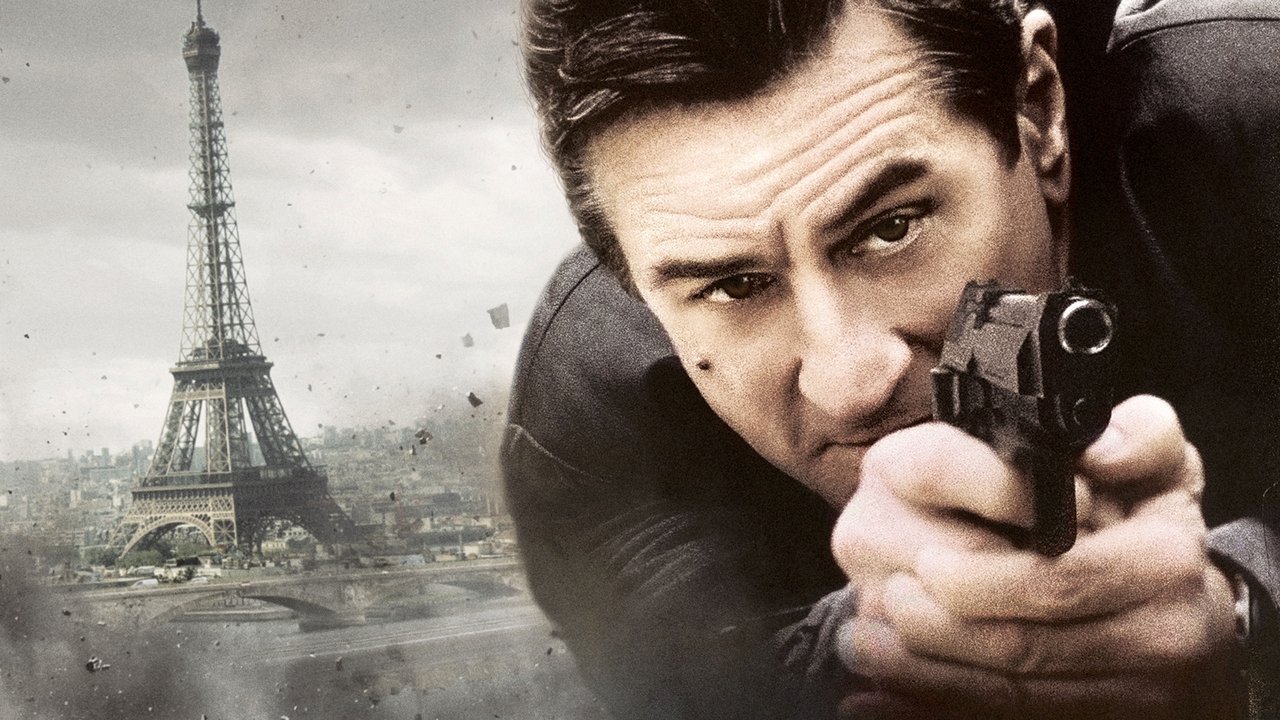
The film captures a post-Cold War anxiety—a world full of highly trained specialists who no longer have a country to fight for, so they sell their souls to the highest bidder. It’s bleak, it’s rainy, and it’s unapologetically adult. While Robert De Niro and Jean Reno sharing a cigarette and discussing the color of a boathouse might not sound like "action," it provides the soul that makes the subsequent car crashes actually mean something. Natascha McElhone’s Irish accent is admittedly about as authentic as a bowl of Lucky Charms, but she brings a cold, desperate energy to Deirdre that keeps the group on edge.
Ronin is a masterclass in tension and practical execution that has aged remarkably well precisely because it didn't rely on the "cutting edge" tech of 1998. It’s a movie for people who like their thrillers lean, their heroes cynical, and their car chases real enough to make their own insurance premiums go up. If you haven't revisited it lately, do yourself a favor: turn off your phone, crank up the volume, and watch how it's actually done. Just don't try to build any furniture while you're watching.
Keep Exploring...
-
Con Air
1997
-
The Jackal
1997
-
Lethal Weapon 4
1998
-

The Negotiator
1998
-
Gone in Sixty Seconds
2000
-
Spy Game
2001
-
Swordfish
2001
-
S.W.A.T.
2003
-
The Score
2001
-
Desperado
1995
-
From Dusk Till Dawn
1996
-
The Boondock Saints
1999
-
Once Upon a Time in Mexico
2003
-

16 Blocks
2006
-

The Fast and the Furious: Tokyo Drift
2006
-
The Taking of Pelham 1 2 3
2009
-
Gangster Squad
2013
-
RED 2
2013
-
The Transporter
2002
-
RoboCop 2
1990