Run Lola Run
"Twenty minutes to live. Three chances to get it right."
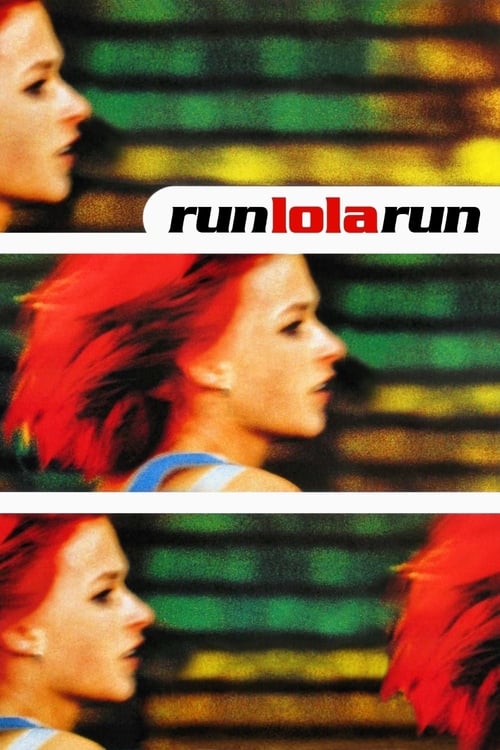
The first time I watched Run Lola Run, I was sitting on a sagging futon in a dorm room that smelled faintly of damp laundry and cheap incense. I was midway through a lukewarm Capri Sun, and by the time the credits rolled eighty minutes later, I realized I hadn't taken a single sip since the opening titles. My heart wasn't just beating; it was trying to exit my ribcage. That is the fundamental magic of Tom Tykwer’s 1998 lightning bolt: it doesn't just ask for your attention; it hijacks your central nervous system.
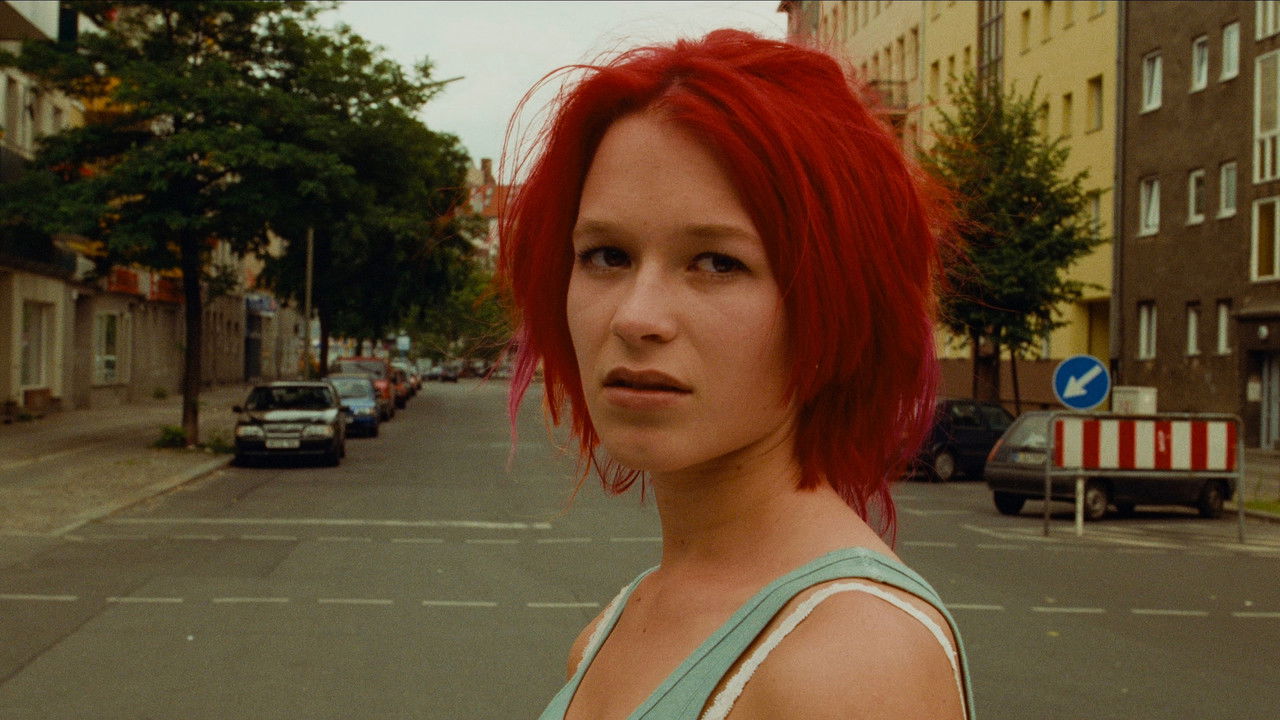
Coming out of Germany at the tail end of the 90s, this wasn't just a movie; it was a manifesto for the digital age. It arrived right when we were all obsessing over the "Butterfly Effect" and Y2K anxieties, yet it felt entirely human. The premise is stripped to the bone. Manni (Moritz Bleibtreu), a low-level courier for a very scary man, loses 100,000 Deutsche Marks on the subway. He has twenty minutes to get it back or he’s dead. He calls his girlfriend, Lola (Franka Potente), and she starts running. That’s it. That’s the movie. But in Tykwer’s hands, that simple dash becomes a triptych of fate, showing us three different versions of those twenty minutes based on micro-seconds of deviation.
The High-Velocity Language of the 90s
Looking back, Run Lola Run is a fascinating relic of a transition period in cinema. It’s a bridge between the analog grit of the early 90s and the hyper-stylized, "video game" logic that would eventually take over the 2000s. Tykwer uses every tool in the shed—35mm film, grainy video, animation, and even still-frame "flash-forwards" of the strangers Lola bumps into. Most films that try this look like a desperate music video, but here, the fragmentation feels essential. It captures that frantic, "alt-tab" mental state we were all starting to inhabit.
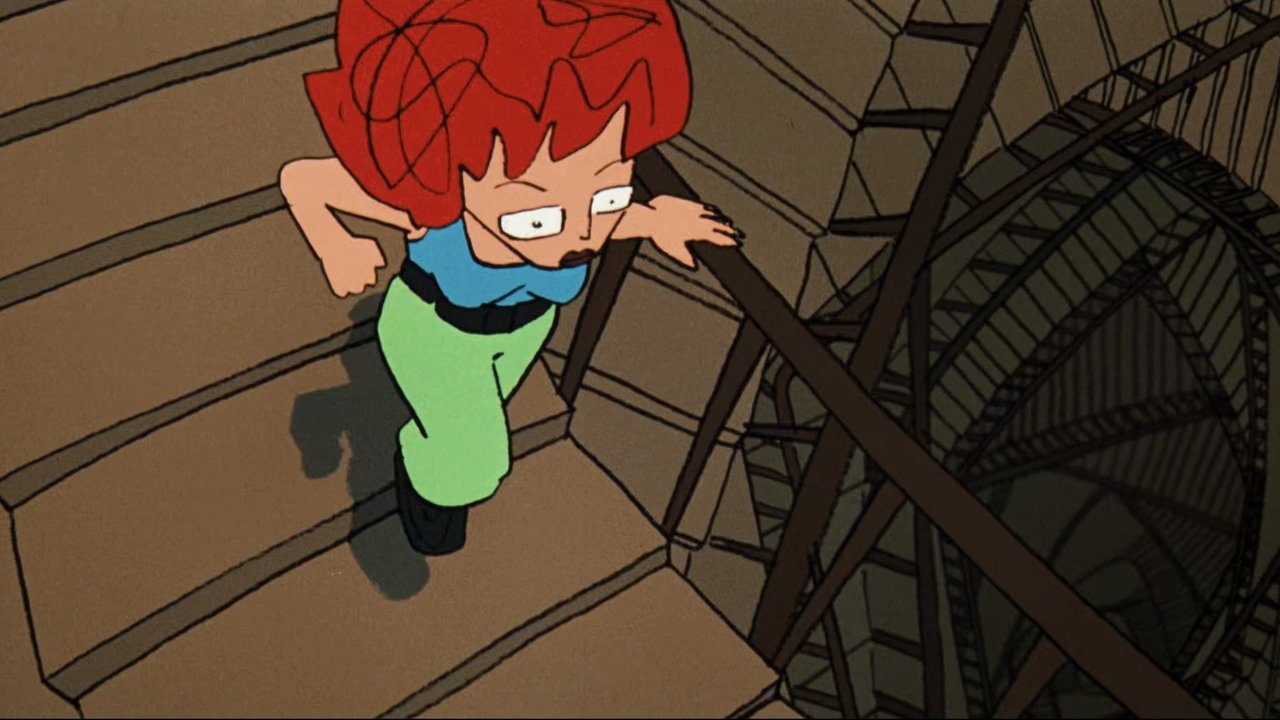
The action isn't about explosions or choreographed gunfights; it’s about the sheer, exhausting physics of a human body in motion. Franka Potente is a revelation here. With her shock of fire-engine red hair and heavy boots, she became an instant icon of indie cinema. There is a weight to her run. You see the sweat, the labored breathing, and the desperate focus in her eyes. It’s an intense, physical performance that anchors the movie’s more experimental flourishes. If you don’t feel the urge to go for a jog after the first ten minutes, you might actually be legally dead.
Berlin in Overdrive
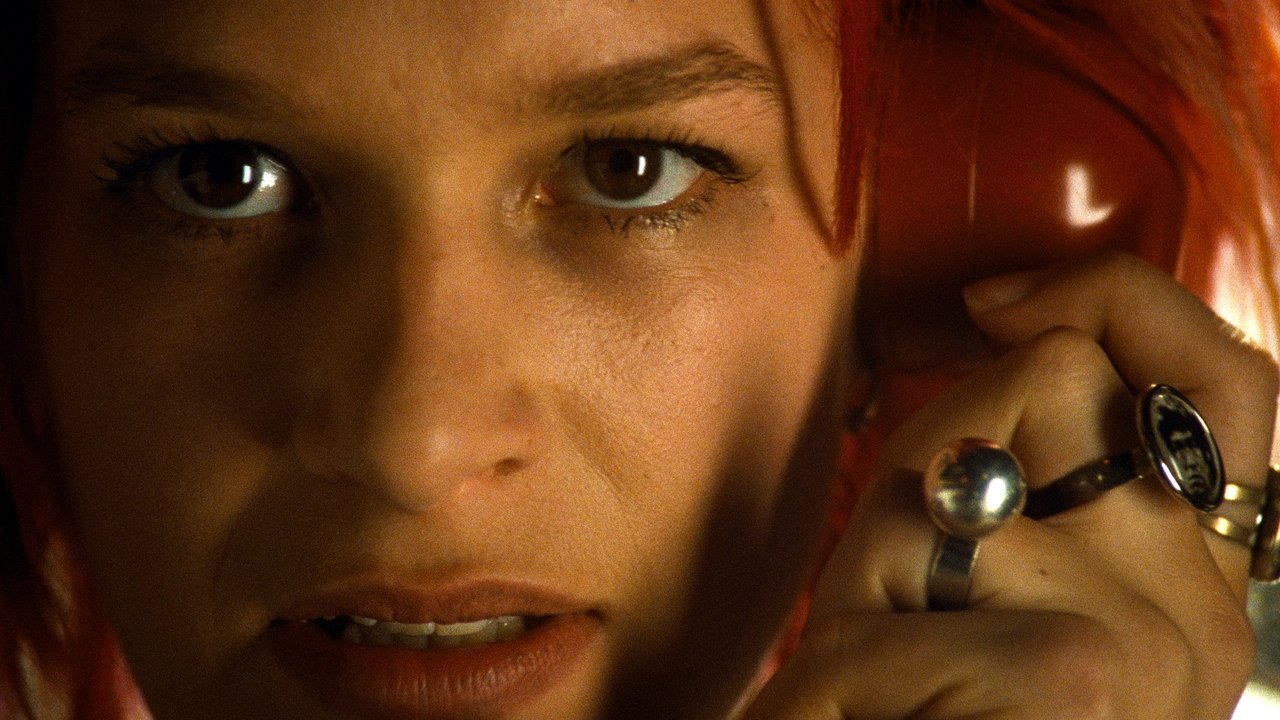
The film’s pulse is dictated by its soundtrack—a relentless, thumping techno score composed by Tykwer himself. In the era of the "Big Beat" and the Berlin Love Parade, this music wasn't just background noise; it was the engine. It creates a sense of dread that is almost oppressive. Unlike the sanitized, orchestral tension of modern blockbusters, the sound design here feels jagged and industrial.
The stakes are treated with a grim seriousness that elevates the film above a mere gimmick. When Manni stands outside that grocery store, shivering with a gun in his hand, you feel his pathetic, cornered-animal terror. Moritz Bleibtreu plays Manni not as a cool criminal, but as a guy who is profoundly out of his depth. This vulnerability is what makes the "reset" mechanic of the film work. We aren't just watching a cool trick; we are watching a woman desperately trying to pull her boyfriend back from the edge of a grave.
One of the coolest details I learned later was the sheer resourcefulness of the production. Despite looking like a million bucks (well, 7.6 million at the box office), the budget was a lean $1.5 million. They couldn't afford to shut down major sections of Berlin for weeks, so Franka Potente actually had to sprint through real crowds. That red hair? They had to re-dye it every few days because the sweat from her constant running kept washing the color out. It’s that kind of DIY grit that gives the film its soul.
The Beautiful Cruelty of Chance
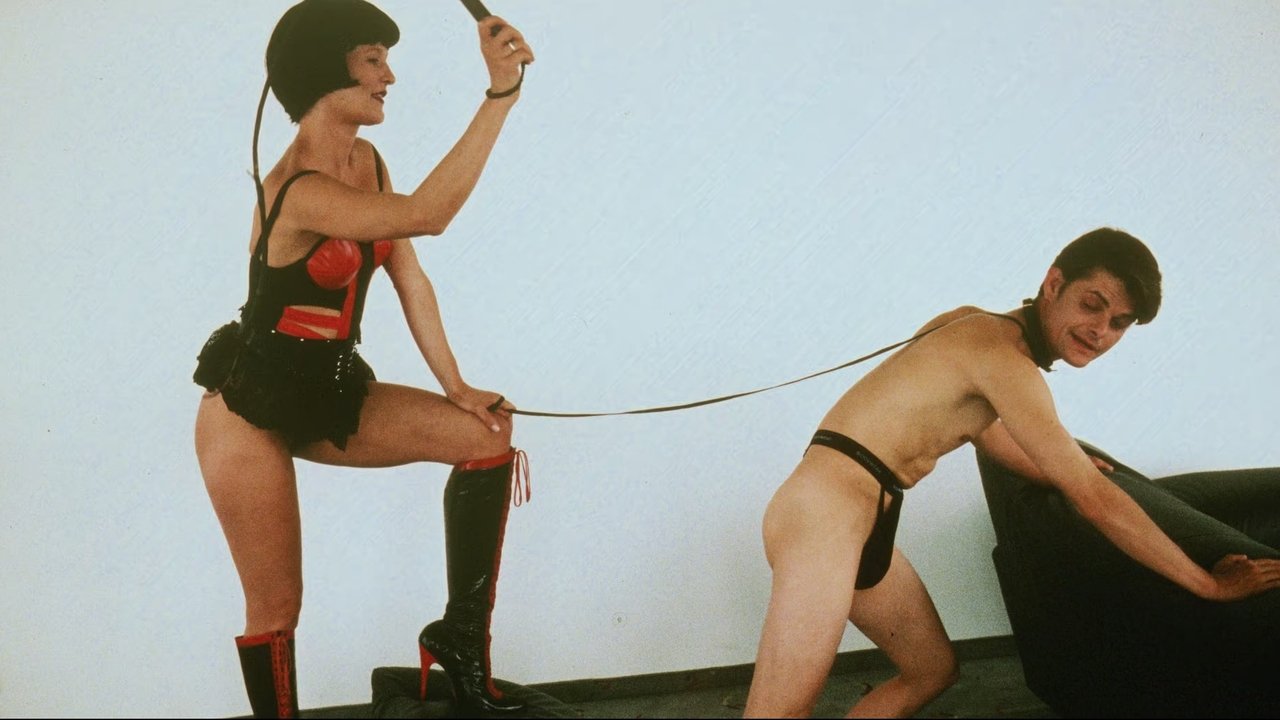
What keeps Run Lola Run relevant in the age of the "Multiverse" is its brevity and its bite. It doesn't waste time explaining the mechanics of its loops; it just trusts you to keep up. It leans into the darkness of its world—the coldness of Lola’s father (Herbert Knaup), the casual violence of the streets, and the way a single barking dog or a misplaced step can lead to a funeral.
I’ve reassessed this film several times over the decades, and what strikes me now is how it avoids being "slick." It’s loud, it’s vibrant, and it’s occasionally messy, but it has a heartbeat that most modern action films would kill for. It’s a reminder that you don't need a $200 million budget or a cape to make a superhero movie. You just need a girl, a ticking clock, and a pair of very sturdy shoes. Most directors today couldn't dream of packing this much tension into a feature-length film, let alone eighty minutes.
Ultimately, Run Lola Run is the ultimate "five-minute test" movie. If you start it, you aren't going anywhere until Lola stops running. It’s a masterpiece of pacing and a quintessential piece of 90s European cinema that has aged surprisingly well, mostly because the anxiety of a ticking clock is universal. Whether you’re watching it for the first time or the fiftieth, that techno beat still hits like a shot of espresso to the jugular.
Keep Exploring...
-
Battle Royale
2000
-
Sympathy for Mr. Vengeance
2002
-
Felon
2008
-

Blood and Bone
2009
-
Undisputed III: Redemption
2010
-
Oldboy
2003
-
Perfume: The Story of a Murderer
2006
-
Bound by Honor
1993
-
The Fugitive
1993
-
Crimson Tide
1995
-

Enemy of the State
1998
-

The Negotiator
1998
-
Infernal Affairs
2002
-
The Bourne Identity
2002
-
The Count of Monte Cristo
2002
-
Bound
1996
-
Open Your Eyes
1997
-
Pi
1998
-
Following
1999
-
Amores Perros
2000