Rush Hour
"Kicks, quips, and the accidental magic of 1998."
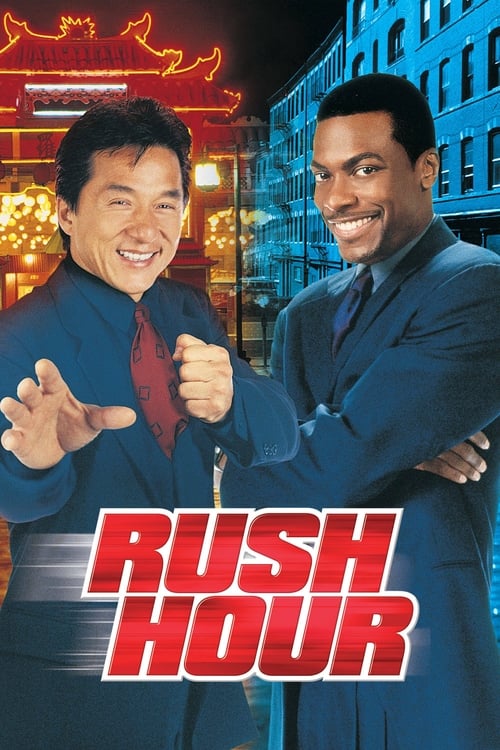
I remember watching Rush Hour in a basement that smelled faintly of damp laundry and stale popcorn—the exact 1990s ambiance this movie requires. At the time, I was trying to eat a bowl of dangerously hot ramen, and I nearly choked during the "War" singalong scene. It’s that kind of movie; it demands your attention by being unapologetically loud and surprisingly rhythmic.
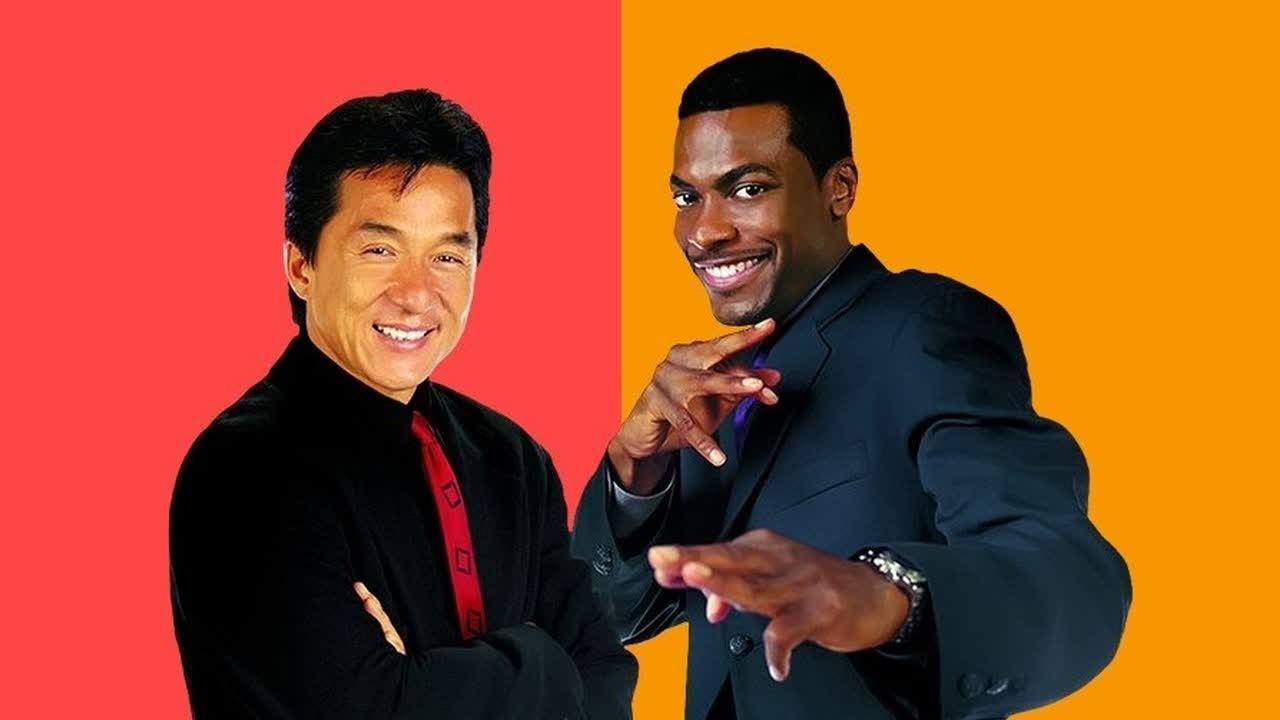
Looking back from our era of hyper-stylized, CGI-saturated blockbusters, Rush Hour feels like a souvenir from a lost world. It arrived in 1998, a year where Jackie Chan was still a bit of an exotic mystery to mainstream American audiences despite his legendary status in Hong Kong, and Chris Tucker was the human equivalent of a triple-shot espresso. Putting them together shouldn't have worked—it felt like a studio-mandated "fish out of water" experiment—but it ended up being the gold standard for the modern buddy-cop formula.
The Alchemy of Friction
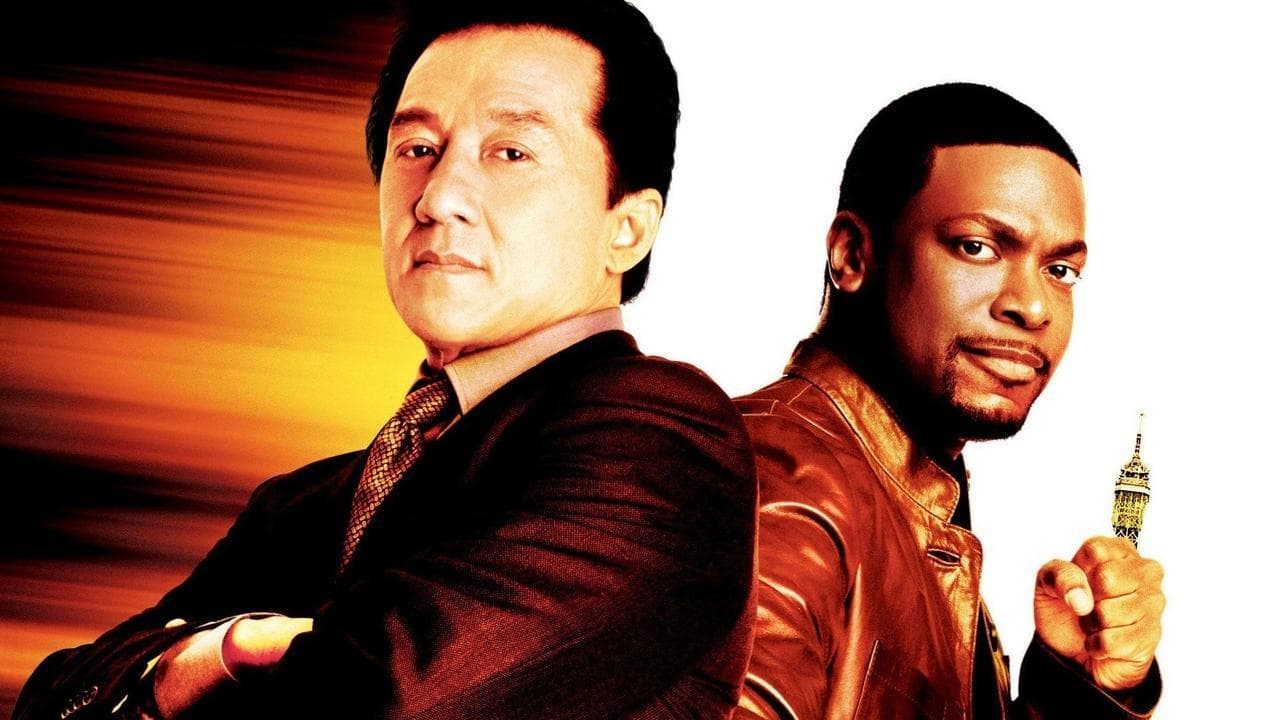
The plot is secondary, and we all know it. A Chinese consul’s daughter is kidnapped in Los Angeles, and the FBI wants the local police to keep a visiting Hong Kong detective out of their hair. Enter James Carter, an LAPD detective with an ego the size of the Hollywood sign. The movie’s engine isn't the kidnapping case; it’s the sheer friction between Jackie Chan’s physical discipline and Chris Tucker’s verbal anarchy.
Tucker, fresh off his breakout in F. Gary Gray’s Friday, is a force of nature here. He doesn't just deliver lines; he weaponizes them. His high-pitched, mile-a-minute delivery was a perfect foil for Chan’s Lee, who plays the "straight man" with a soulful, slightly confused dignity. The "War" singalong is objectively better than most modern musical numbers, largely because it feels like we’re watching two guys actually becoming friends in real-time.
Director Brett Ratner—who later gave us Red Dragon—doesn't get enough credit for just getting out of the way. He realized that the best thing he could do was point a camera at these two and let the sparks fly. It’s a testament to the "Modern Cinema" era’s transition: we still had the grounded, gritty feel of 90s film stock, but the "franchise" mentality was starting to bubble under the surface.
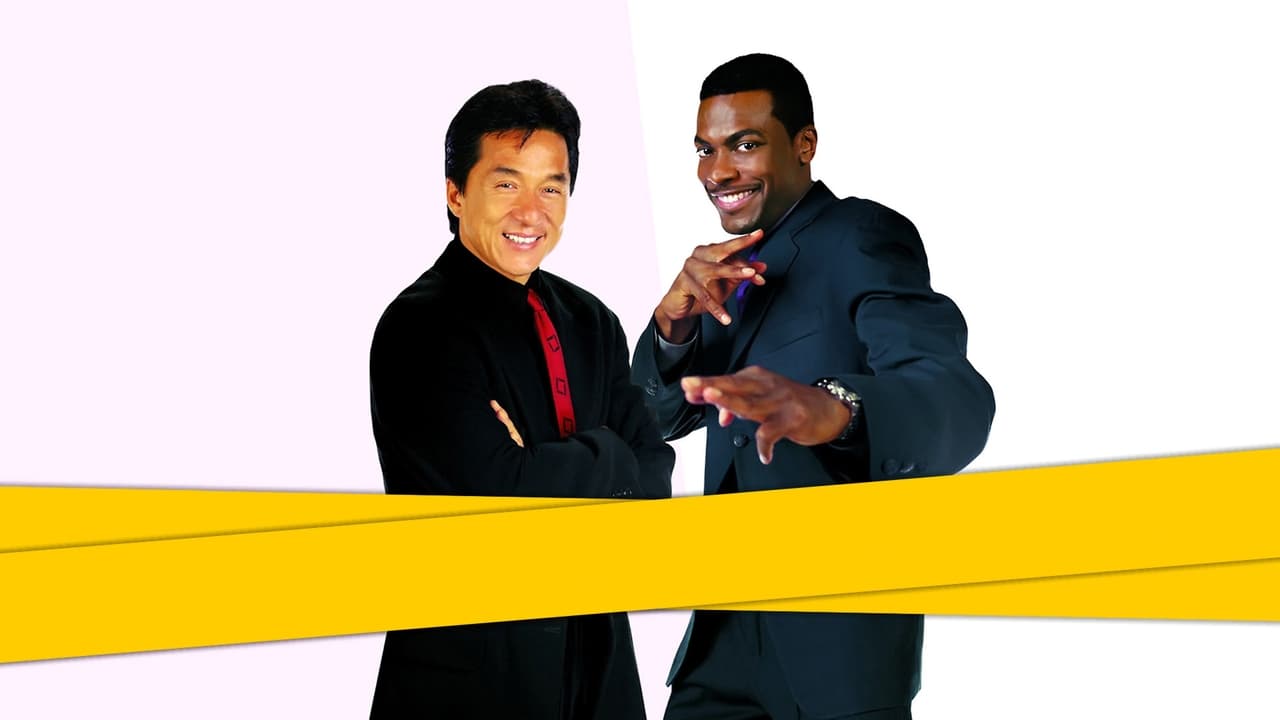
Stunts, Suitcases, and Sweat
What truly separates Rush Hour from the generic action-comedy pack is the stunt work. In 1998, we were on the cusp of the digital revolution, but Jackie Chan was still doing it for real. When you watch the fight in the Chinese Consulate where Lee is desperately trying to protect priceless Ming vases while fighting off goons, there’s a physical weight to it. There’s no "digital double" or weightless CGI. When Chan hits a wall, the wall (and likely Chan) actually hurts.
The choreography is a playground. Lee uses everything—suitcases, ladders, jackets, and even a heavy wooden beam—to incapacitate his enemies without ever looking like he’s trying to kill them. It’s "slapstick violence," a genre Chan perfected, and seeing it transposed onto the streets of Los Angeles alongside Chris Tucker’s "the-gun-is-my-best-friend" bravado is a joy. The supporting cast is surprisingly stacked, too. You’ve got the late, great Tom Wilkinson (of Michael Clayton fame) playing the villainous Griffin and Philip Baker Hall (a Paul Thomas Anderson regular) as the exasperated Captain Diel. They provide enough gravitas to keep the movie from floating away into pure silliness.
A Quarter-Billion Dollar Accident
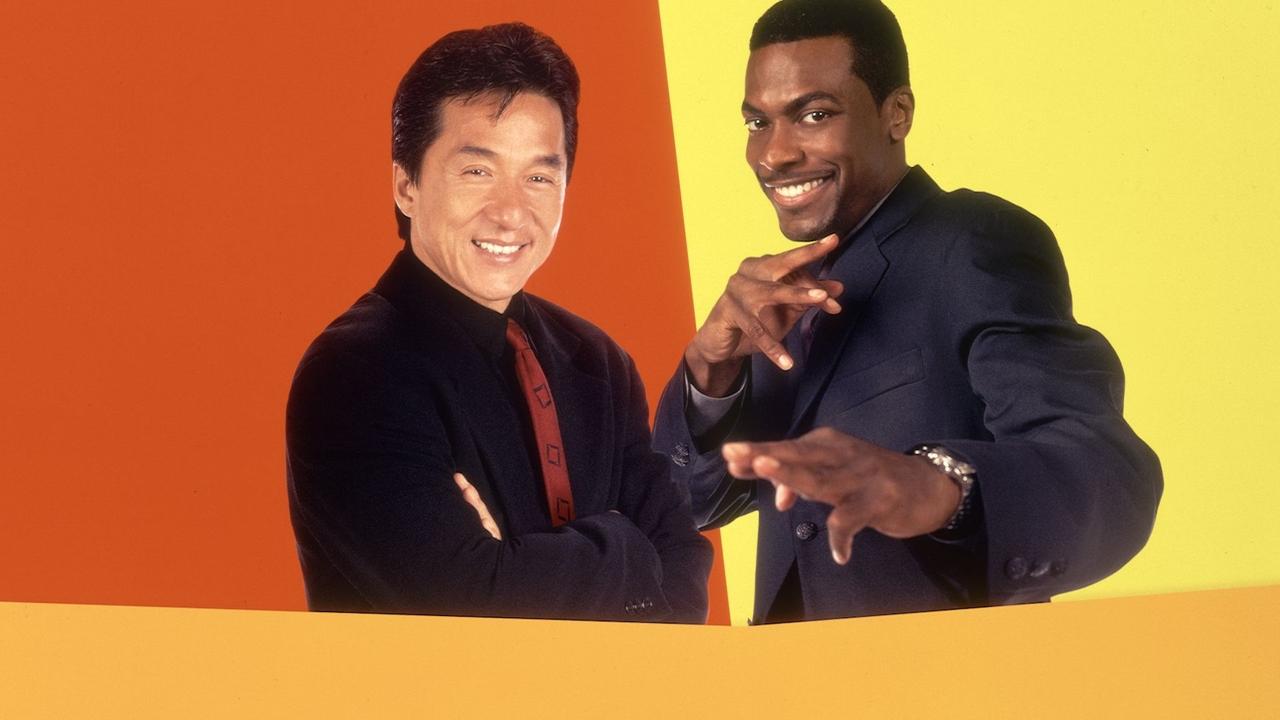
The success of Rush Hour was a genuine cultural phenomenon. Produced on a relatively modest $33 million budget, it went on to gross over $244 million worldwide. It wasn't just a hit; it was a wrecking ball that paved the way for more diverse casting in mainstream action movies.
Apparently, Jackie Chan was incredibly hesitant to make the film. After his previous American effort, The Protector, was a miserable experience, he almost gave up on Hollywood entirely. He famously didn't understand Chris Tucker’s improvisations during filming. That iconic line, "Do you understand the words that are coming out of my mouth?" wasn't just a scripted joke—it was a reflection of the genuine communication barrier they faced on set early on.
The film's impact was so massive it essentially created a mini-industry for Tucker, who famously negotiated a $20 million salary for the sequel—a move that sent shockwaves through Hollywood's accounting departments. It’s also worth noting the score by Lalo Schifrin, the man behind the Mission: Impossible theme. He blends traditional Chinese instrumentation with 70s-style funk and jazz, perfectly capturing the movie's cross-cultural soul.
Rush Hour is the cinematic equivalent of a perfect cheeseburger. It’s not trying to change your life or challenge your worldview; it just wants to make sure you have a blast for 97 minutes. While some of the racial humor feels a bit "of its time" (read: 1998), the genuine warmth between the leads keeps it from feeling mean-spirited. It’s a relic of an era when action stars were made of flesh and bone, and the biggest special effect was the chemistry between two guys who probably shouldn't have been in the same ZIP code, let alone the same squad car. If you’re looking for a breezy retrospective watch, this is the one. Just watch out for the hot ramen.

Keep Exploring...
-
Rush Hour 2
2001
-

Rush Hour 3
2007
-
Bad Boys
1995
-
Rumble in the Bronx
1995
-
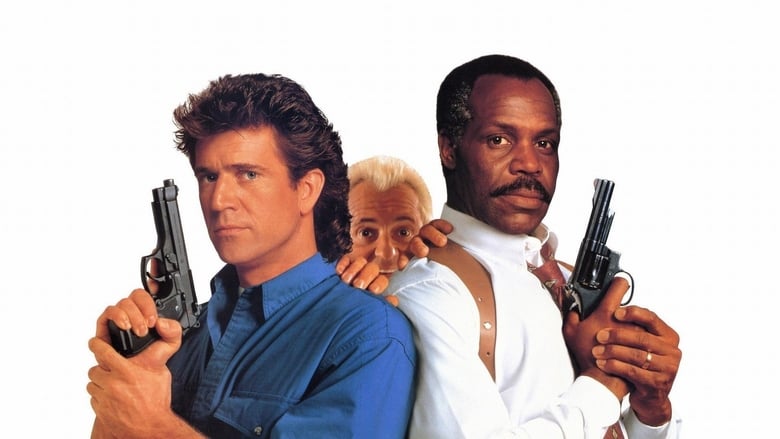
Lethal Weapon 3
1992
-
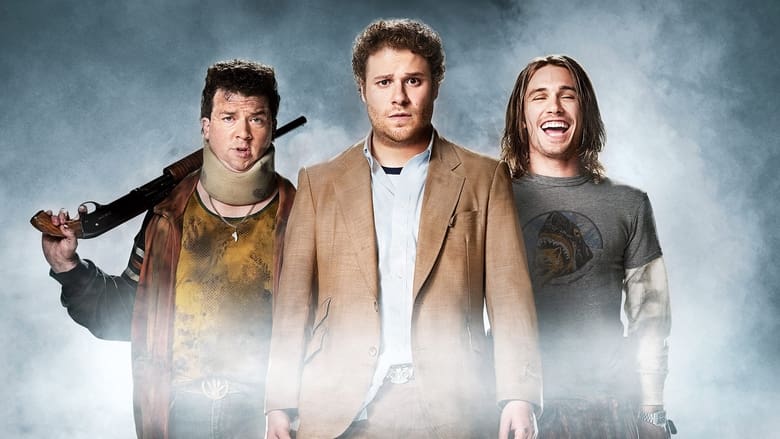
Pineapple Express
2008
-

21 Jump Street
2012
-
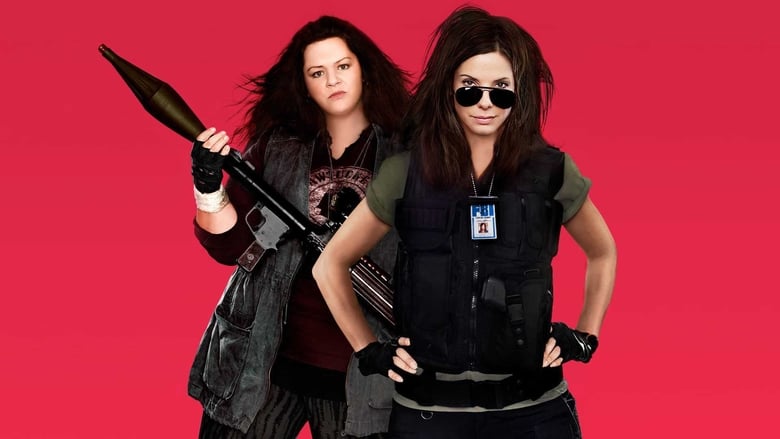
The Heat
2013
-

Kung Fu Hustle
2004
-

RED
2010
-
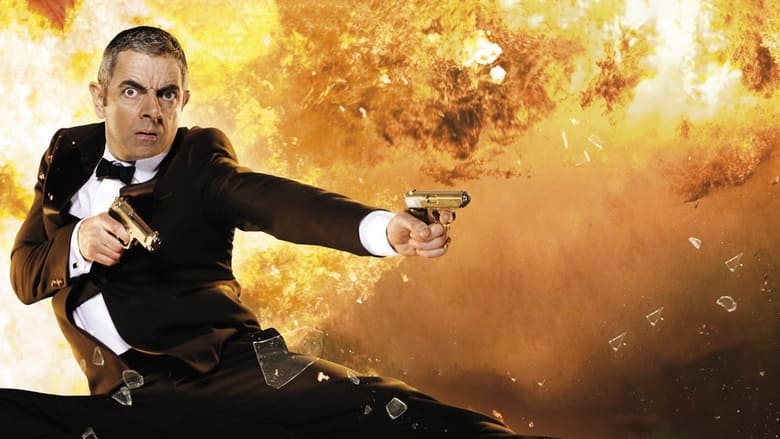
Johnny English Reborn
2011
-

Tower Heist
2011
-
22 Jump Street
2014
-
Miss Congeniality
2000
-
Lethal Weapon 4
1998
-

Taxi
1998
-
Blue Streak
1999
-
Taxi 2
2000
-
Bad Boys II
2003
-

Hot Shots! Part Deux
1993