Rushmore
"Extracurricular ambition. Mid-life exhaustion. The perfect revenge."
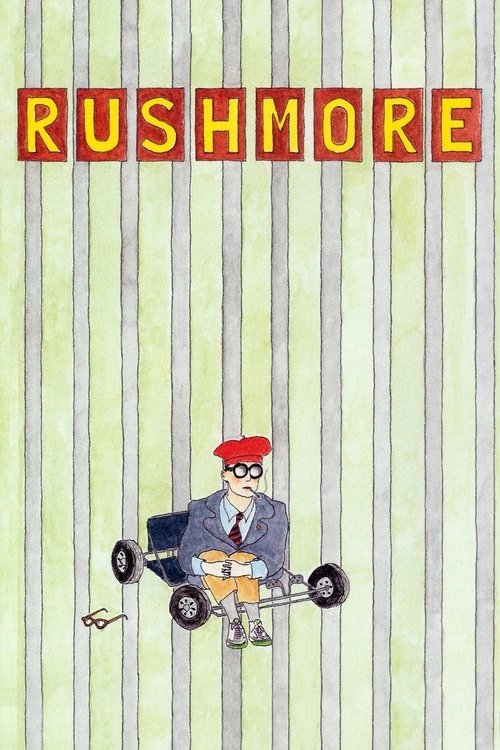
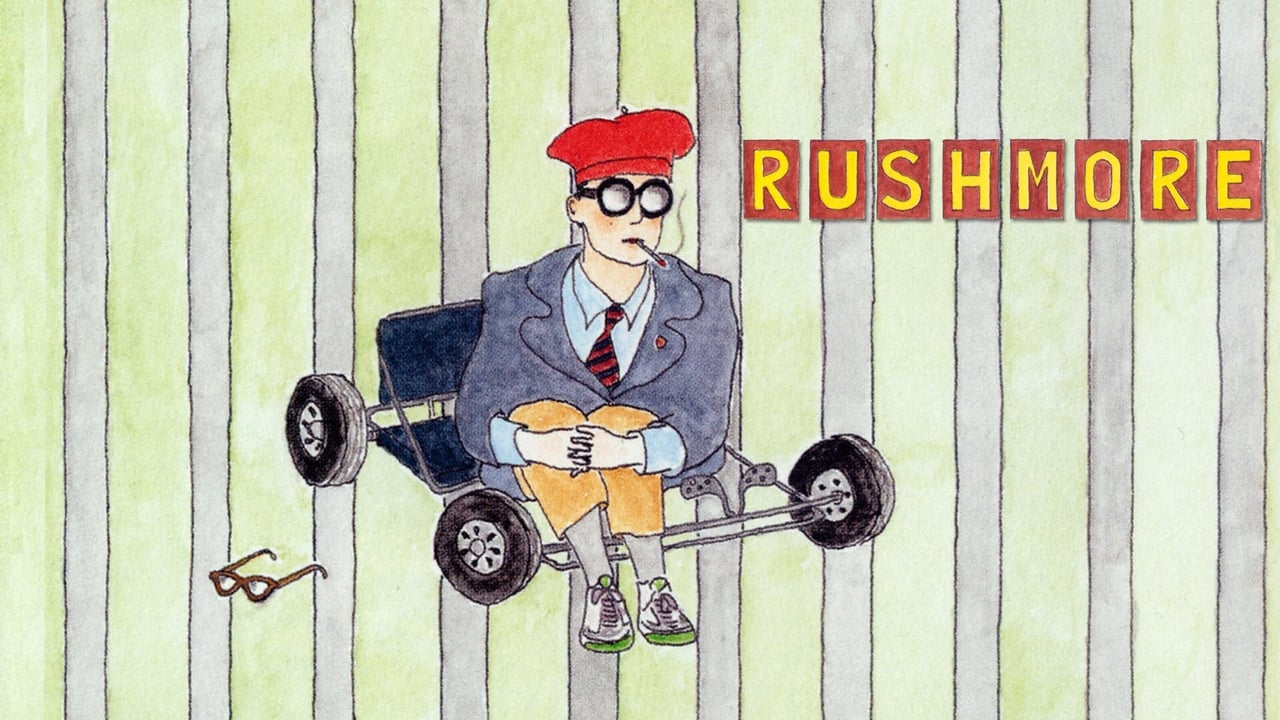
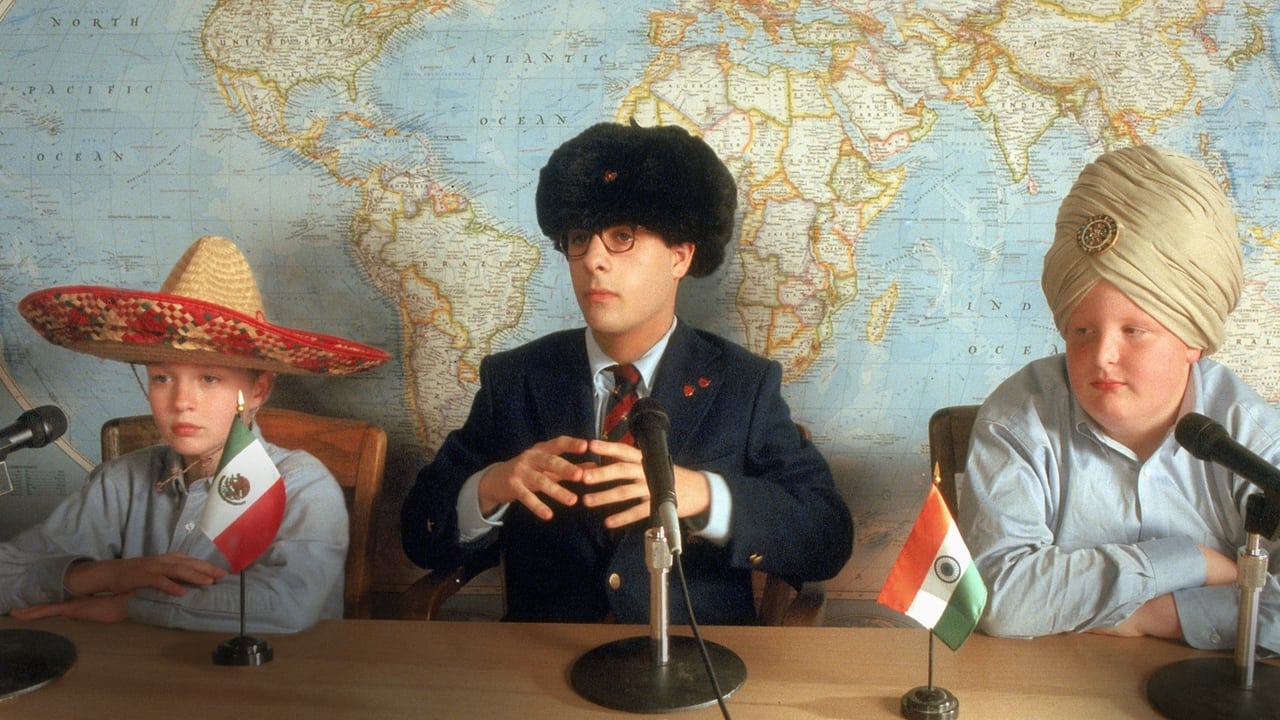
Max Fischer is a terrible student, but he’s a magnificent human being. Or at least, that’s what he’d tell you while adjusting his prep school blazer and directing a high-school stage adaptation of Serpico featuring actual explosions. When I first watched Rushmore, I was sitting in a beanbag chair eating a bowl of dry Cinnamon Toast Crunch, and I remember thinking that I had never seen a "teenager" on screen who felt so utterly alien yet completely recognizable.
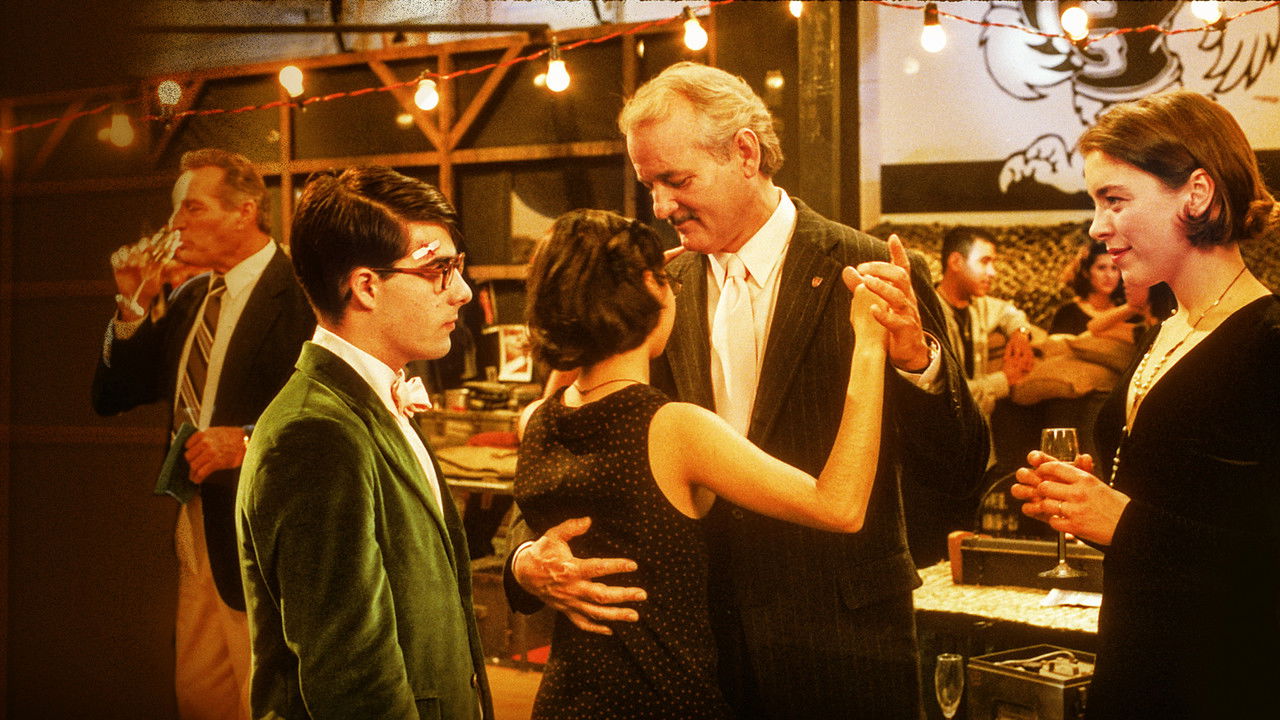
He isn't a heartthrob or a rebel; he’s a hyper-focused nerd with the ego of a Five-Star General and the social graces of a Victorian widower. This 1998 gem didn't just launch the career of Jason Schwartzman—it essentially invented the "Wes Anderson Style" before it became a Pinterest aesthetic of symmetrical pastel rooms. Looking back, Rushmore is the pivot point where 90s indie cinema stopped trying to be gritty and started being unashamedly literary.
The Birth of the Andersonian Hero
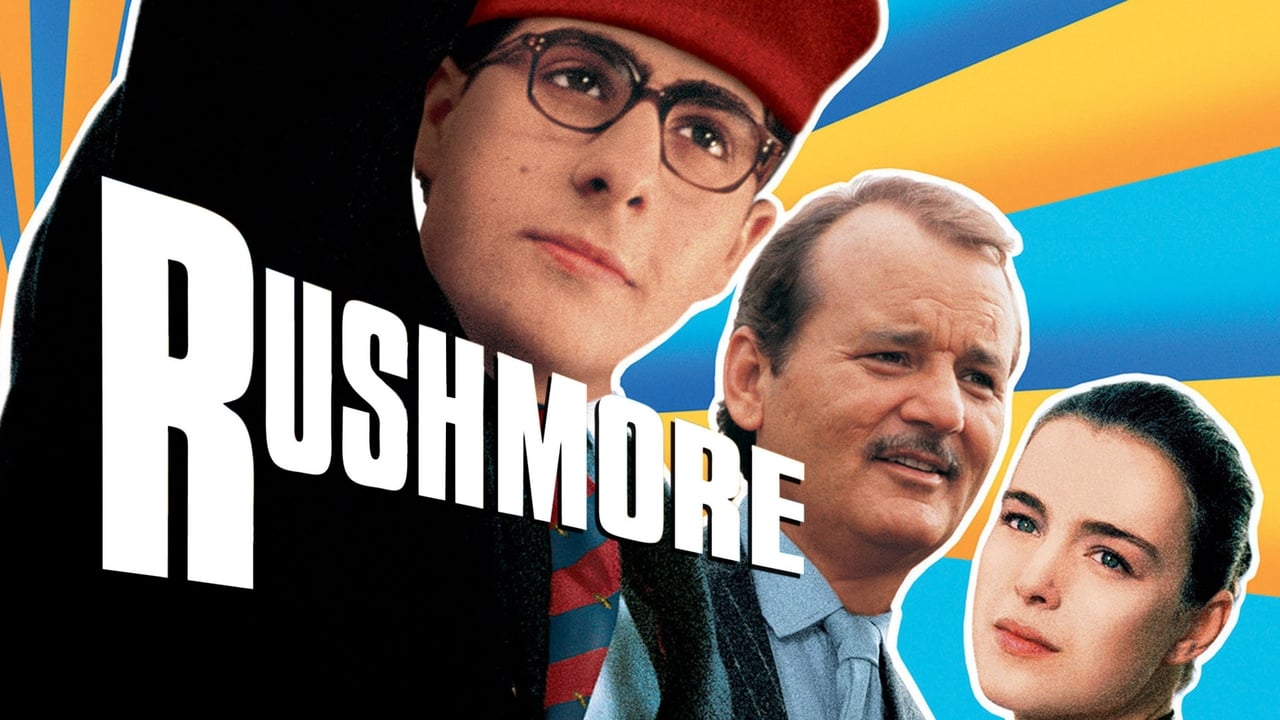
In his debut role, Jason Schwartzman is a revelation. He plays Max with a deadpan sincerity that should be annoying but is instead deeply endearing. Max is the king of extracurriculars at Rushmore Academy—fencing, calligraphy, beekeeping—but he’s failing every actual class. His world is upended when he falls for a first-grade teacher, Rosemary Cross (Olivia Williams), and strikes up an unlikely friendship with a depressed industrialist named Herman Blume, played by Bill Murray.
This was the film that effectively saved Bill Murray’s career, transitioning him from the "wacky guy from Ghostbusters" to the patron saint of deadpan melancholy. Watching Blume sit on his diving board, tossing golf balls into a pool while his spoiled, blonde-haired sons terrorize the neighborhood, is a masterstroke of visual storytelling. Herman Blume’s sons are the most terrifyingly blank-eyed children in cinema history, and their existence perfectly justifies Blume’s mid-life collapse. The chemistry between Schwartzman and Murray—moving from mentor/protege to bitter rivals in a "war" for Rosemary’s affection—is where the film’s dramatic heart beats fastest.
Beyond the Twee
While Wes Anderson is often criticized for his obsession with dioramas and color palettes, Rushmore feels remarkably grounded compared to his later work like The Grand Budapest Hotel or Asteroid City. There is a raw, jagged edge to the drama here. When Max and Blume start sabotaging each other—cutting brake lines and releasing swarms of bees—it’s hilarious, but it’s fueled by a very real, very adult sense of loneliness.
I’ve always felt that Olivia Williams gives the most underrated performance in the movie. As Rosemary, she has to be the object of two different men's obsessions (one a boy, one a man-child) while grieving her late husband. She doesn’t play it for laughs; she plays it with a tired, gentle patience that makes Max’s infatuation understandable. Even the supporting cast, like the legendary Seymour Cassel as Max’s barber father and Brian Cox as the exasperated Dr. Guggenheim, add layers of authenticity to a world that could have easily felt too "quirky" for its own good.
The DVD Revolution and Indie Buzz
If you were around in the early 2000s, you probably remember the Criterion Collection DVD of Rushmore. It was a status symbol for film nerds. This was the era where "Special Features" actually meant something. I spent hours watching the behind-the-scenes footage of Wes Anderson and co-writer Owen Wilson (who had previously collaborated on the equally charming Bottle Rocket) discussing their influences.
The trivia surrounding this film is legendary among the cult following. For instance, Bill Murray famously loved the script so much that he worked for scale (around $25,000), and when Disney refused to pay for a helicopter shot for one of Max's plays, Murray wrote Anderson a check for $25,000 to cover it. The director never cashed it, but it speaks to the devotion the project inspired.
Then there’s the soundtrack. Mark Mothersbaugh’s score, combined with a "British Invasion" heavy tracklist, gives the film a timeless feel. "Ooh La La" by The Faces is now inextricably linked to the film's final slow-motion shot, a moment that feels like a warm hug after 90 minutes of emotional warfare.
Rushmore is that rare bird: a high school movie that isn't really about high school. It’s a drama about the ridiculousness of the human ego and the redemptive power of forgiveness. It’s funny, yes, but it’s the quiet moments—like Max finally admitting his father is a barber rather than a neurosurgeon—that stick with you. If you haven't seen it in a decade, it's time to go back. It has aged better than your favorite velvet blazer.
Whether you’re a fan of the later, more stylized Anderson films or you find them a bit much, Rushmore remains his most human achievement. It’s a film that understands that being a "prodigy" is often just a mask for being a lonely kid who doesn't know where he fits. It celebrates the dreamers, the losers, and the beekeepers in all of us.

Keep Exploring...
-
The Royal Tenenbaums
2001
-

The Darjeeling Limited
2007
-
Moonrise Kingdom
2012
-
Bottle Rocket
1996
-
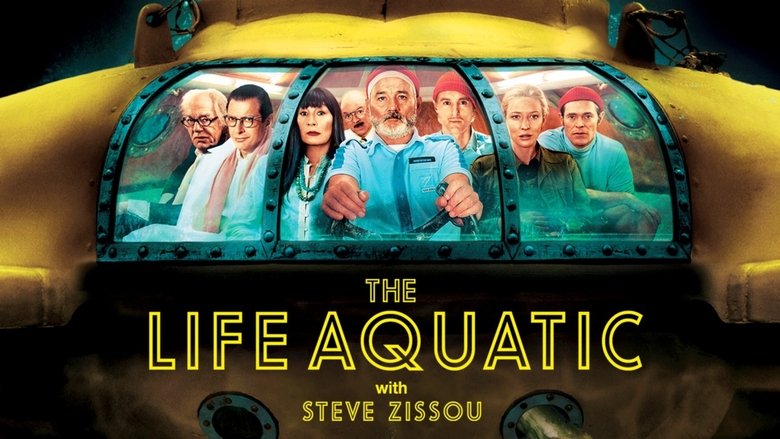
The Life Aquatic with Steve Zissou
2004
-
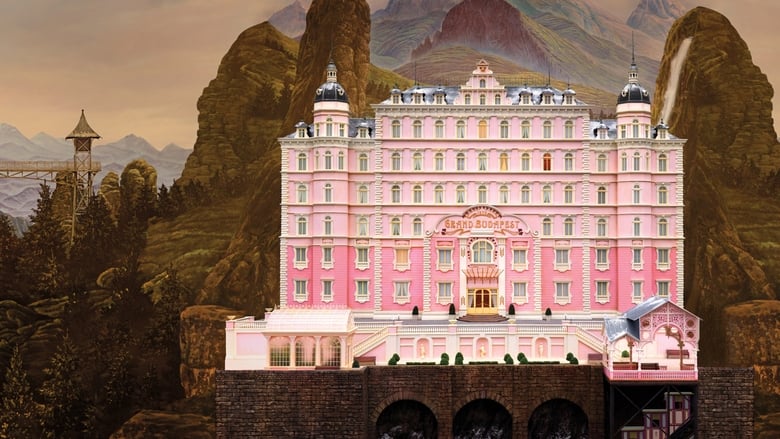
The Grand Budapest Hotel
2014
-
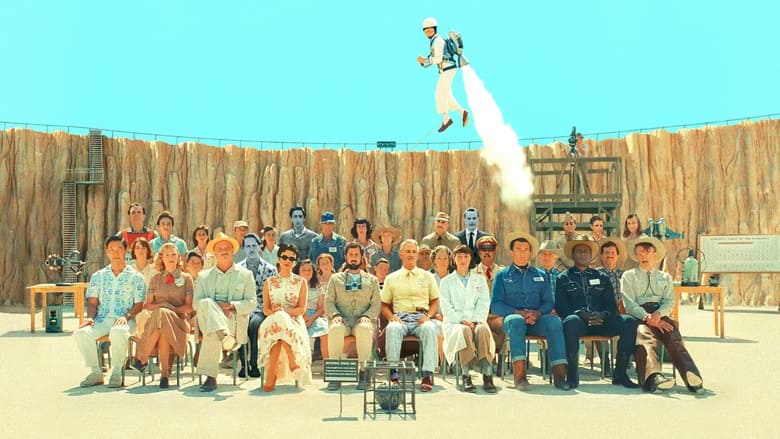
Asteroid City
2023
-
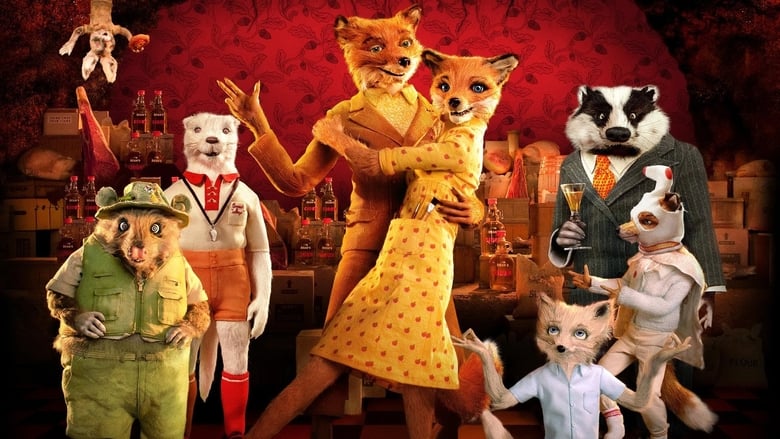
Fantastic Mr. Fox
2009
-
Hotel Chevalier
2007
-
The French Dispatch of the Liberty, Kansas Evening Sun
2021
-
Ed Wood
1994
-

Dazed and Confused
1993
-
Fear and Loathing in Las Vegas
1998
-
10 Things I Hate About You
1999
-

Being John Malkovich
1999
-
High Fidelity
2000
-
Adaptation.
2002
-
Punch-Drunk Love
2002
-
Bad Santa
2003
-
All About My Mother
1999