Shakespeare in Love
"Words are for lovers, but theater is for fools."
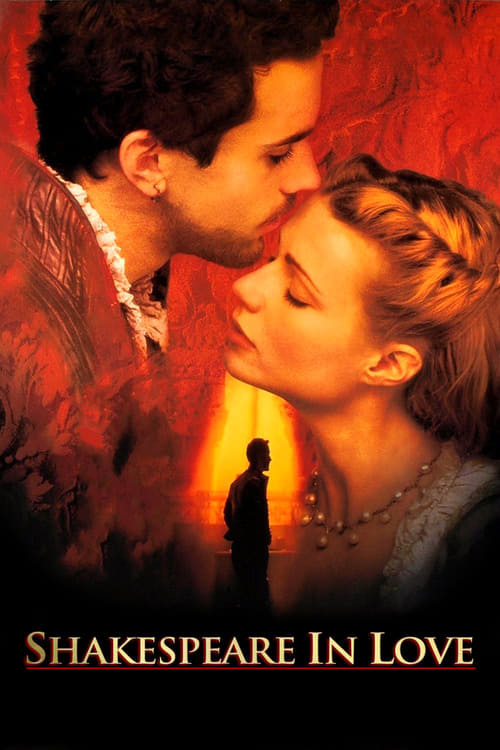
I remember watching Shakespeare in Love for the first time while hunched over a lukewarm bowl of instant ramen in my college dorm. My roommate was loudly playing a first-person shooter in the background, yet somehow, the rapid-fire Elizabethan wordplay managed to cut through the digital gunfire. It’s a movie that demands your ear. In the late 90s, this film was the absolute peak of the Miramax "prestige" machine—a movie that felt like an indie, looked like a blockbuster, and somehow convinced the Academy to snub Steven Spielberg’s Saving Private Ryan.
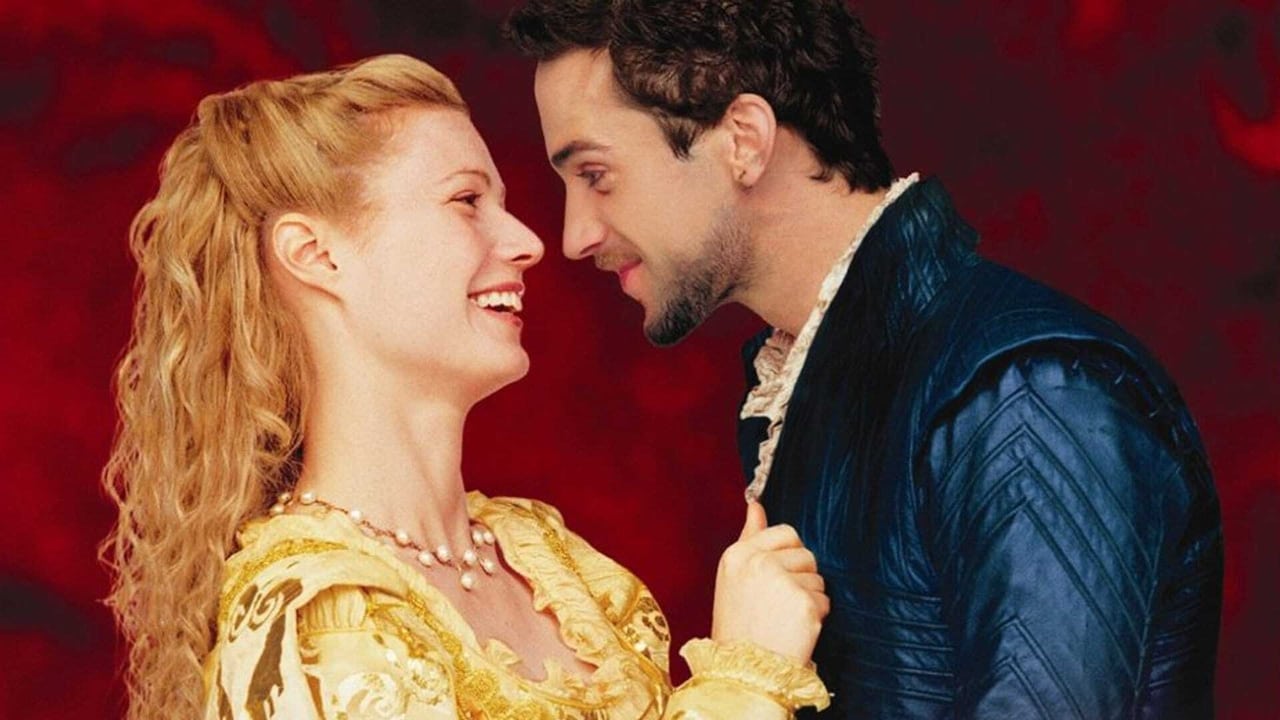
Looking back from the 2020s, it’s easy to get bogged down in the Oscar-night drama or the complicated legacy of the studio behind it. But if you strip away the baggage and the golden statues, what remains is one of the most literate, joyous, and genuinely funny comedies of the decade. It’s a movie for people who love the theater, written by Tom Stoppard (the wit behind Rosencrantz and Guildenstern are Dead) and Marc Norman, and it treats 16th-century London like a frantic, backstage sitcom.
The Natural Condition of Show Business
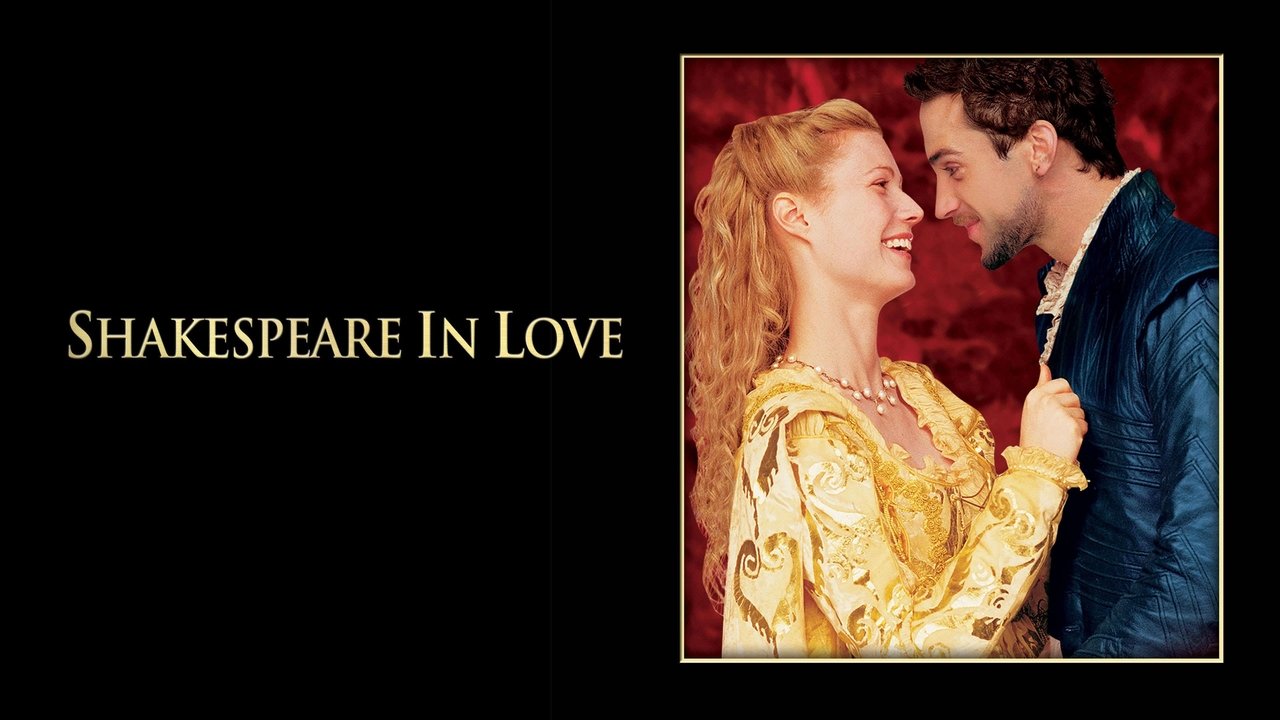
The plot is a delightful "what-if" scenario. A young, broke, and desperately blocked William Shakespeare (Joseph Fiennes) is trying to write a play called Romeo and Ethel, the Pirate's Daughter. He’s essentially a 1590s version of a struggling screenwriter who has sold the same script to two different producers. Enter Viola De Lesseps (Gwyneth Paltrow), a noblewoman who is obsessed with poetry and wants to act in a time when women were legally barred from the stage.
What makes the film hum isn't just the "forbidden love" trope, but the way it captures the sheer, sweaty panic of putting on a show. Geoffrey Rush, playing the debt-ridden theater owner Philip Henslowe, is the MVP here. His recurring gag—explaining that theater somehow always works out despite "insurmountable obstacles" through "a mystery"—is the most accurate description of the creative process ever put to film. I honestly think Geoffrey Rush's frantic energy here is the only thing that kept me from failing my film history finals.
The 90s were a golden age for the "Indie-Blockbuster," where a $25 million budget (huge for a period comedy at the time) could be used to recreate a muddy, vibrant London. Director John Madden (who later did The exotic Marigold Hotel) keeps the pace breathless. It’s a farce, after all. There are secret identities, a very judgmental dog, and a supporting cast that reads like a "Who’s Who" of British acting royalty.
A Masterpiece of Casting (and Accents)
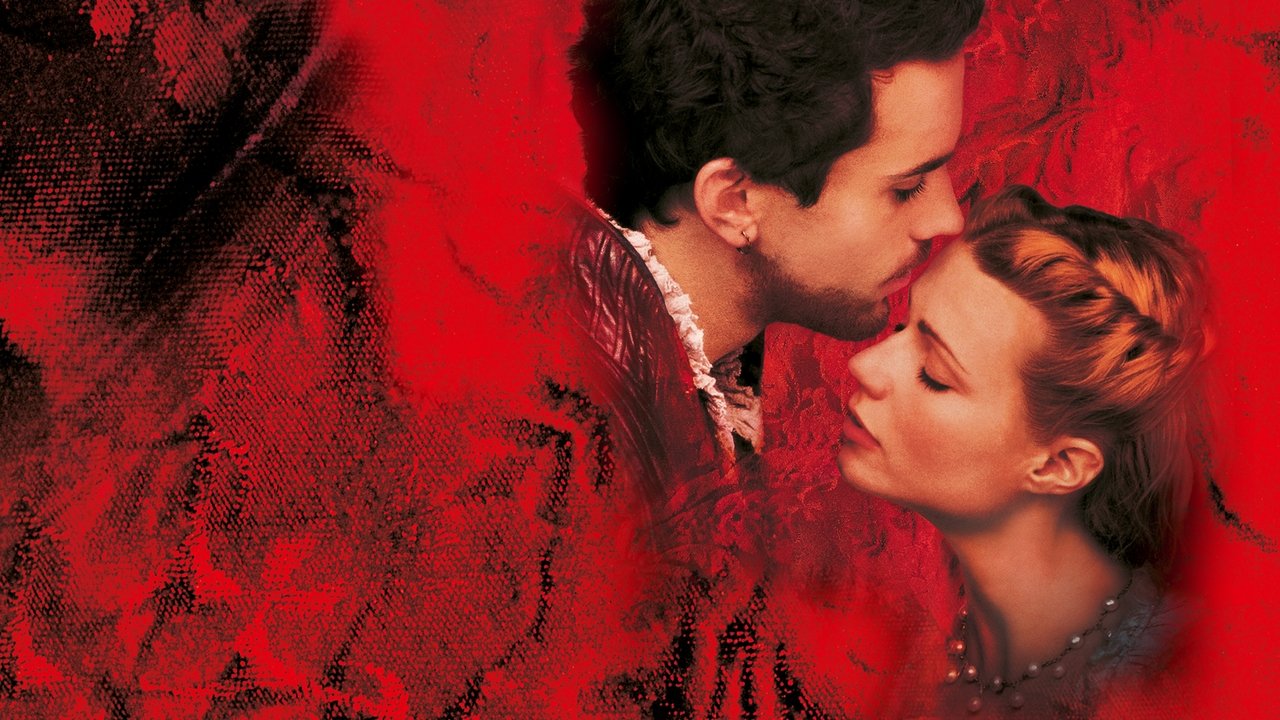
We have to talk about the "8-Minute Queen." Judi Dench won an Oscar for playing Queen Elizabeth I with about eight minutes of screen time, and honestly? She earned it. She moves through the film like a terrifying, orange-wigged hurricane, cutting through the romantic nonsense with dry observations about the "nature of love." Then there's Tom Wilkinson as the money-lending Fennyman, who starts as a heavy and ends up becoming a theater-obsessed stage parent. It’s a beautiful character arc hidden in a comedy.
And then there’s Ben Affleck. At the time, Affleck was fresh off Good Will Hunting and was essentially the biggest star on the planet. Seeing him pop up as the arrogant lead actor Ned Alleyn is a trip. Ben Affleck playing a 16th-century stage diva is arguably the most self-aware performance of his entire career. He leans into the pomposity with such glee that you can’t help but laugh every time he enters a room.
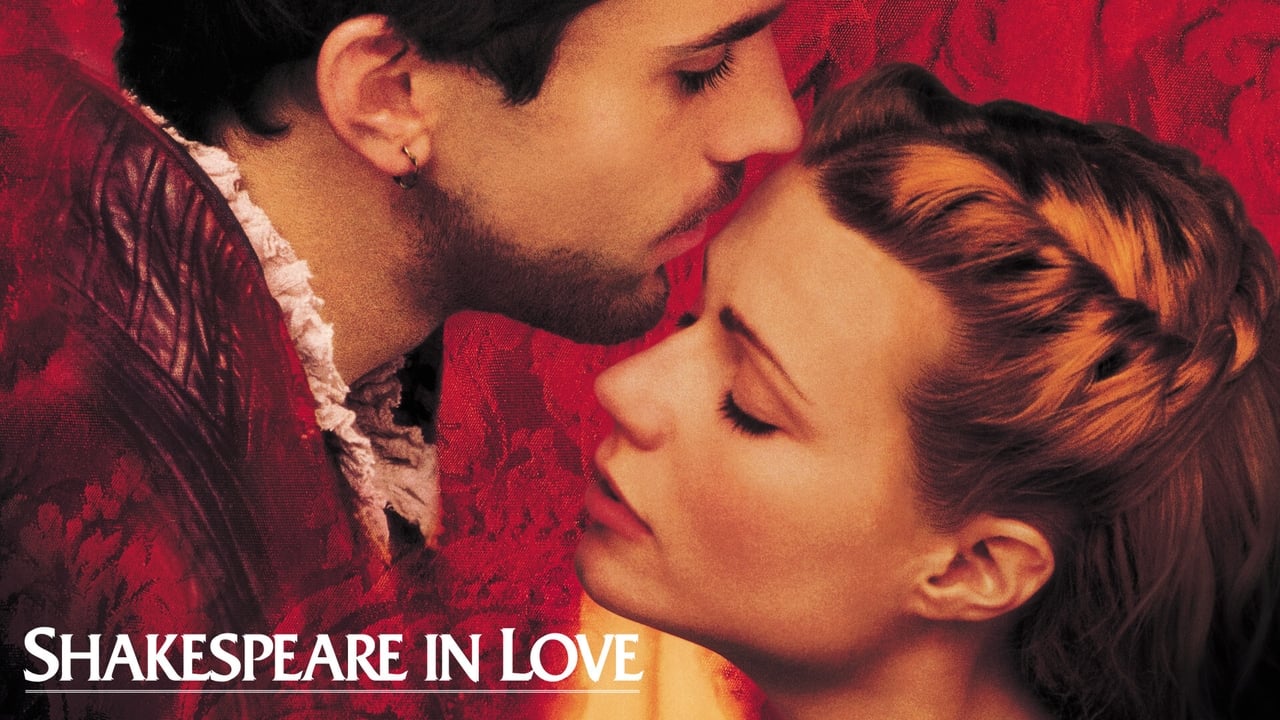
The chemistry between Joseph Fiennes and Gwyneth Paltrow is the engine, of course. Paltrow’s performance is luminous, even if her "boy" disguise wouldn’t fool a blind man. But the film isn't really about their romance; it's about how that romance fuels the creation of the greatest play ever written. It’s a love letter to the way life bleeds into art.
The Legacy of the "Mystery"
Since this was the peak of the Miramax era, the trivia is almost as famous as the movie. It’s well-known that Julia Roberts was originally attached to the project years earlier, but she walked away when she couldn’t get Daniel Day-Lewis to play Will. It’s also famous for the aggressive marketing campaign that pushed it to its Best Picture win.
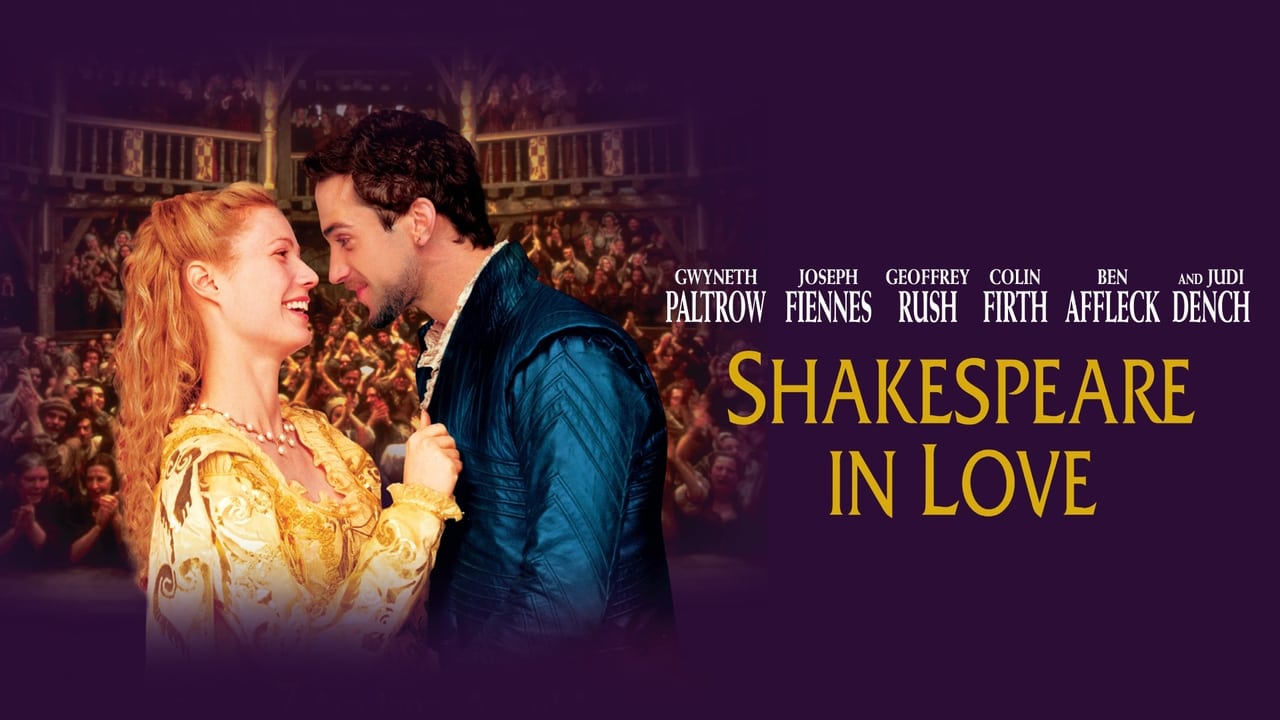
But does it hold up? Absolutely. While some 90s movies feel trapped in their era by clunky CGI or specific "Gen X" angst, Shakespeare in Love feels timeless because it’s rooted in the timelessness of the Bard. It’s recent enough to have the high-gloss production values we expect from modern cinema, but old enough to rely on practical sets and incredible costume design rather than digital shortcuts. The scene where the play finally opens—the shift from the chaotic comedy of the rehearsals to the pin-drop silence of the tragedy—still gives me chills.
It’s a rare "Blockbuster Comedy" that respects the intelligence of its audience. It doesn’t explain every joke; it trusts you to keep up with the references to Christopher Marlowe (Rupert Everett) or the subtle nods to Shakespeare’s other sonnets. It captures that specific millennium-adjacent optimism: the idea that art can change the world, or at least help you pay your rent.
In the end, Shakespeare in Love is exactly what Philip Henslowe promised: a mystery. It shouldn't work as well as it does. It’s a period piece, a romantic tragedy, and a slapstick comedy all rolled into one. It’s the kind of movie you find on cable on a rainy Sunday afternoon and realize, two hours later, that you’ve watched the whole thing without moving. It reminds me why I fell in love with movies in the first place—not for the "prestige," but for the magic of the show.
Keep Exploring...
-
The Best Exotic Marigold Hotel
2012
-
The Three Musketeers
1993
-
The Mask
1994
-

While You Were Sleeping
1995
-
The Wedding Singer
1998
-

There's Something About Mary
1998
-
About a Boy
2002
-
Freaky Friday
2003
-
As Good as It Gets
1997
-
Stepmom
1998
-

Notting Hill
1999
-
Two Weeks Notice
2002
-
Lost in Translation
2003
-
Something's Gotta Give
2003
-

Mallrats
1995
-
Bird on a Wire
1990
-
Pretty Woman
1990
-
Love & Other Drugs
2010
-
Friends with Benefits
2011
-
Midnight in Paris
2011