Six Days Seven Nights
"Paradise is just a crash landing away."
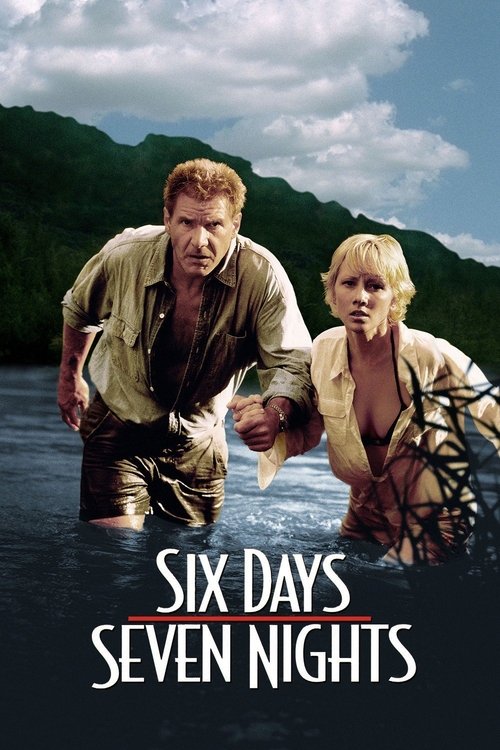
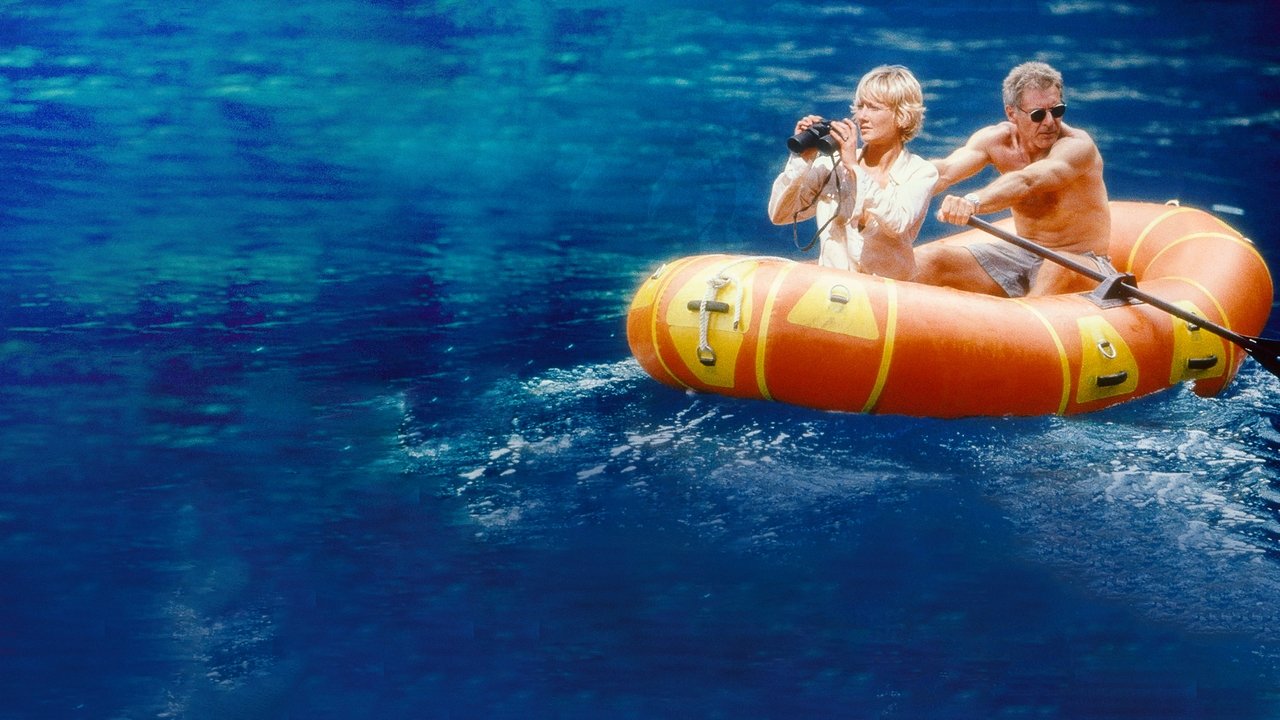
Harrison Ford’s face in 1998 was a landscape of crags, grunts, and the kind of world-weariness that only comes from decades of escaping rolling boulders and intergalactic bounty hunters. By the time Six Days Seven Nights rolled into theaters, he was transitioning into his "Grumpy Elder Statesman of Action" phase, and honestly, it’s a look that suits him. He plays Quinn Harris, a cargo pilot in the South Pacific who looks like he’s been pickled in saltwater and gin, which is exactly the kind of energy you want when a movie asks you to believe a de Havilland Beaver plane can be repaired with nothing but duct tape and desperation.
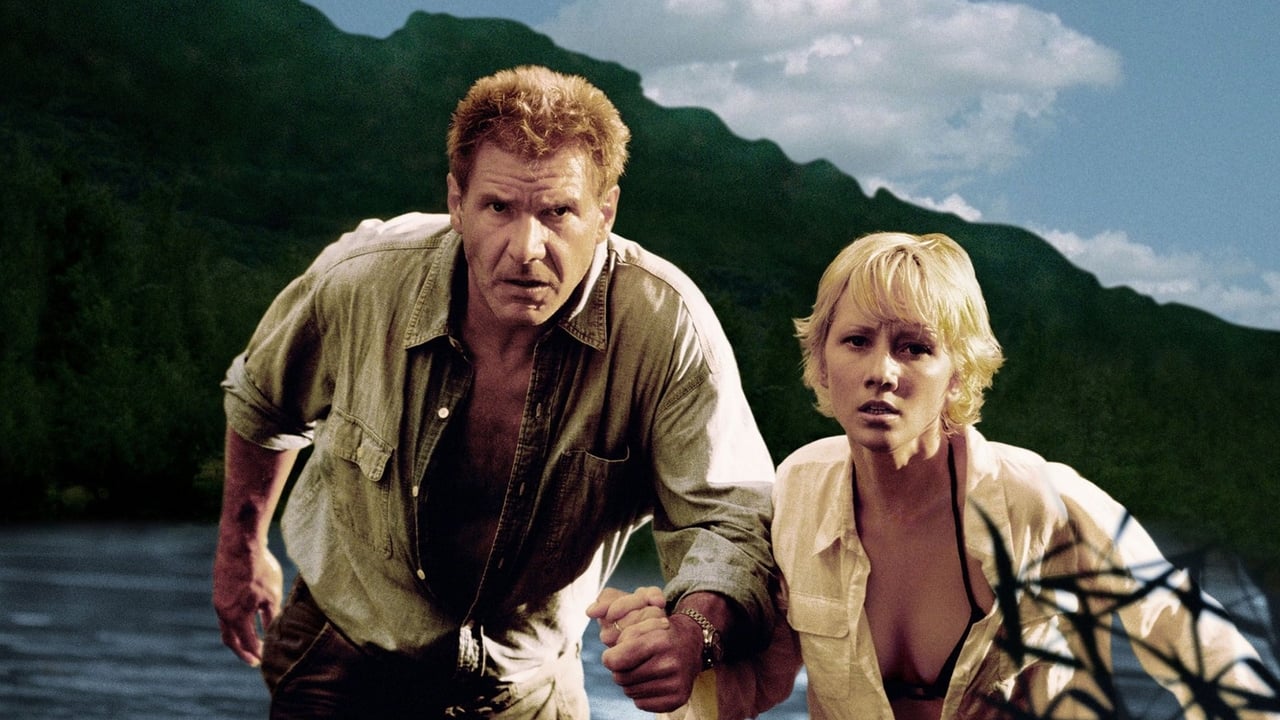
I watched this one on a Tuesday afternoon while nursing a slightly-too-warm Diet Coke and wearing a scratchy wool sweater that really didn't match the tropical vibe on screen, and yet, the film’s breezy, high-gloss 90s energy won me over. It’s a movie from that specific window in Hollywood history where "star power" was considered a viable substitute for a complex screenplay. You take two people who are moderately annoyed by each other, crash them on an island, add some pirates, and call it a day. It’s simple, it’s predictable, and in a world of convoluted multi-film "universes," it’s actually kind of refreshing.
High Heels and Low Altitudes
The plot kicks off when Robin Monroe (Anne Heche), a high-strung magazine editor, gets whisked away to a remote island by her boyfriend, Frank (David Schwimmer). If you’ve ever seen an episode of Friends, you know exactly what Schwimmer is doing here: he is playing "Ross Geller on Vacation," complete with the frantic hand gestures and the "I’m-doing-my-best" desperation. When Robin has to fly to Tahiti for a last-minute work emergency, she hires the local curmudgeon Quinn to fly her. A storm hits, the plane goes down, and suddenly the "city girl" and the "island man" have to survive.
Looking back, the chemistry between Harrison Ford and Anne Heche is fascinatingly spiky. At the time, the media was obsessed with Heche’s personal life, but watching it now, she’s a frantic, hilarious foil to Ford’s stoicism. She brings a manic energy that forces Ford to actually wake up and participate. He’s not just phoning it in; he’s playing the "straight man" to her chaos. There’s a scene involving a snake in a pair of shorts that—while arguably the peak of 90s rom-com silliness—actually works because Ford’s deadpan reaction is so pitch-perfect. The man can sell a "disgruntled pilot" better than anyone else in the history of SAG-AFTRA.
Practical Planes and Pacing
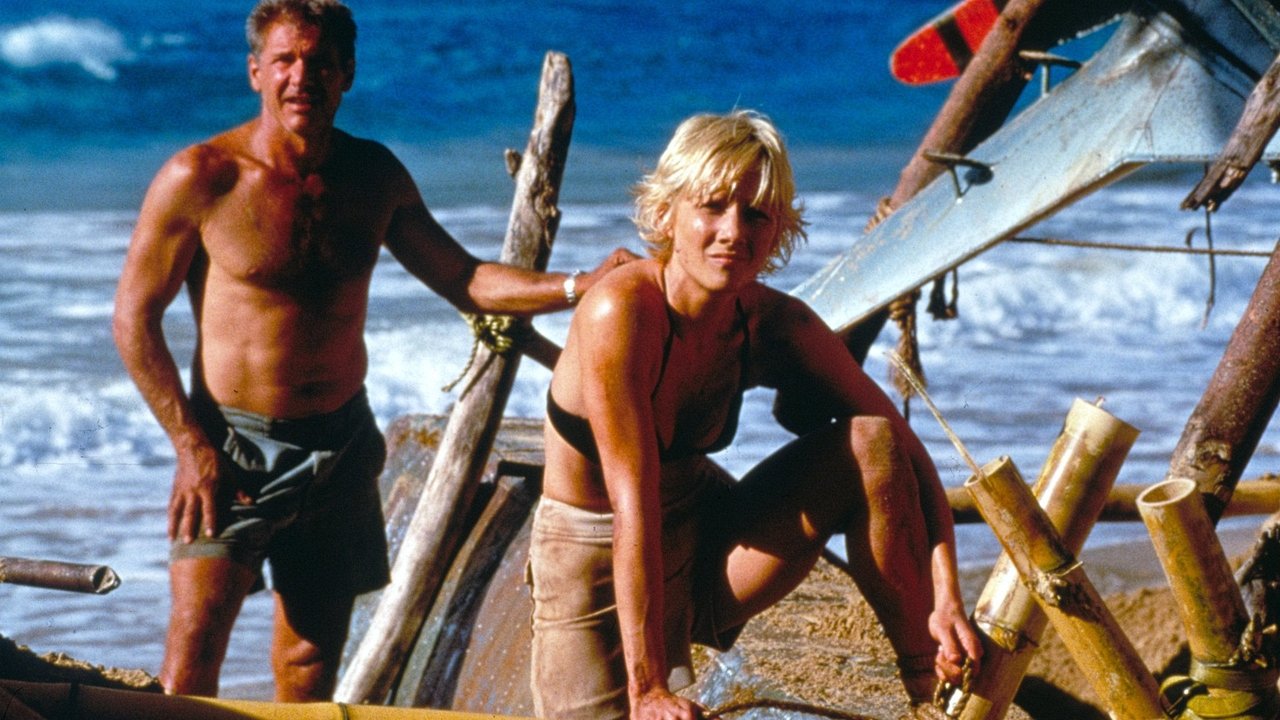
What really stands out in this retrospective era of CGI-everything is how much of this movie feels real. Director Ivan Reitman—who gave us Ghostbusters and Dave—was working at a time when you still built sets and crashed real things. The plane crash sequence is a masterclass in tension and practical effects. You feel the weight of the aircraft; you see the sand actually spraying up into the cockpit.
Ford, a real-life licensed pilot, reportedly did much of the flying himself, which adds a layer of authenticity you just don't get when an actor is sitting in a green-screen gimbal. When Quinn is maneuvering that plane, Ford’s hands are moving with the muscle memory of someone who knows what those dials actually do. It gives the action a physical gravity. The pirates, led by Temuera Morrison (years before he became the face of every Clone Trooper in the Star Wars galaxy), are a bit cartoonish, but they serve their purpose: they keep the momentum moving so the movie doesn't just become a two-person stage play about who can be more annoying. The movie's pirates are essentially the wet-bandits of the South Pacific, providing just enough threat to justify an explosion or two without ruining the vacation vibes.
A Relic of the Pre-Digital Rom-Com
There is a charming, almost naive quality to how Six Days Seven Nights handles its tropes. It’s a "Modern Cinema" era film that feels like a throwback to the 1940s screwball comedies like The African Queen. It’s a reminder of a time when the DVD release was the secondary prize, and we didn't need a post-credits scene to tell us if the characters were going to be okay.
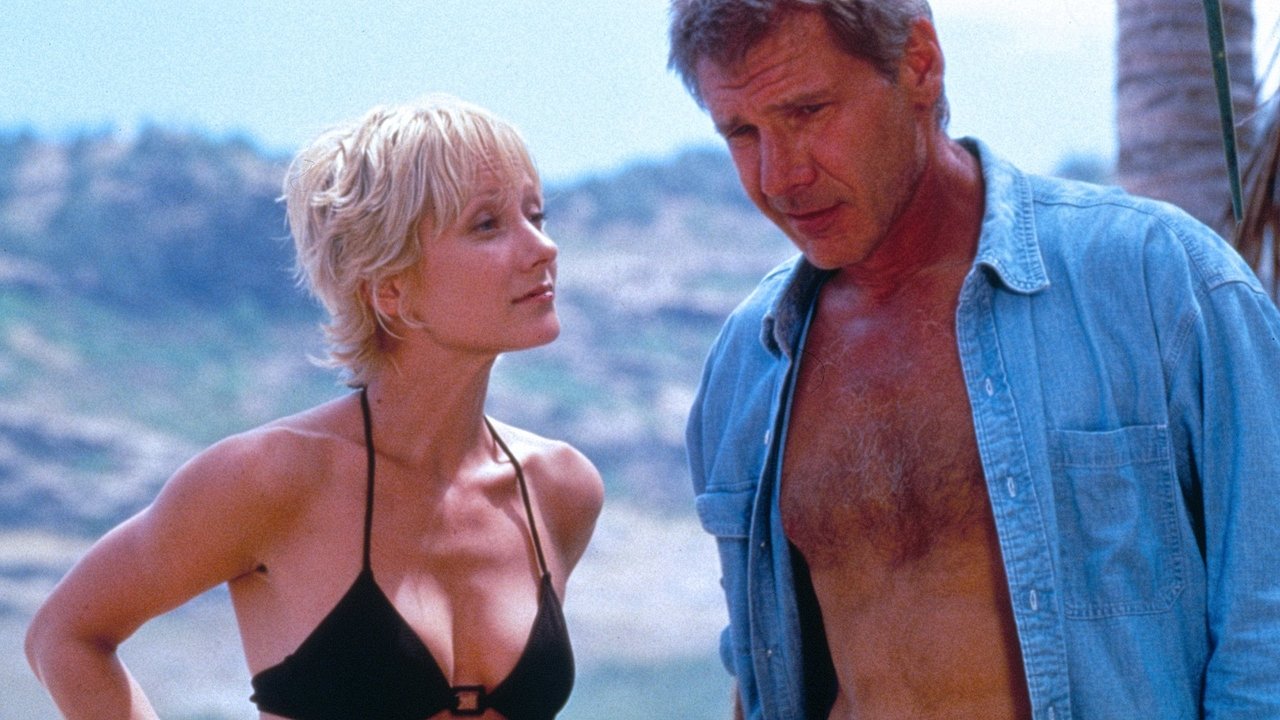
The supporting cast is doing heavy lifting in the margins, too. Allison Janney shows up briefly as a magazine executive and reminds me why she’s the queen of the dry delivery. Meanwhile, Jacqueline Obradors plays the "other woman" in the Frank storyline with a comedic timing that often outshines the leads' island survivalist drama. It’s a movie that knows exactly what it is: a glossy, $70 million excuse to see movie stars bicker in paradise. It doesn't ask much of you, and in return, it provides a perfectly paced 102 minutes of escapism. It captures that pre-9/11 sense of adventure where the biggest danger in the world was a tropical storm and a few guys with outdated machinery.
Ultimately, Six Days Seven Nights is a comfortable movie. It’s the cinematic equivalent of a resort buffet—you’ve had everything here before, but it’s prepared well enough that you’re happy you came. It’s worth a revisit just to see Harrison Ford lean into his comedic side before he became strictly a legacy-sequel actor, and to appreciate a time when a mid-budget adventure could thrive on nothing but charisma and a very small plane. It’s not a masterpiece, but for a five-minute distraction before your bus arrives, it’s exactly the kind of paradise worth crashing into.

Keep Exploring...
-
The Three Musketeers
1993
-
Maverick
1994
-
First Knight
1995
-
The Saint
1997
-

Mystery Men
1999
-
Evolution
2001
-
Final Fantasy: The Spirits Within
2001
-
Osmosis Jones
2001
-
The Mexican
2001
-
A Goofy Movie
1995
-
Bird on a Wire
1990
-

Hudson Hawk
1991
-

Sahara
2005
-
The Dukes of Hazzard
2005
-
Fool's Gold
2008
-
Who Am I?
1998
-
Taxi 2
2000
-
Spy Kids 2: The Island of Lost Dreams
2002
-
Teenage Mutant Ninja Turtles II: The Secret of the Ooze
1991
-
Last Action Hero
1993