Sliding Doors
"One missed train, two parallel fates."
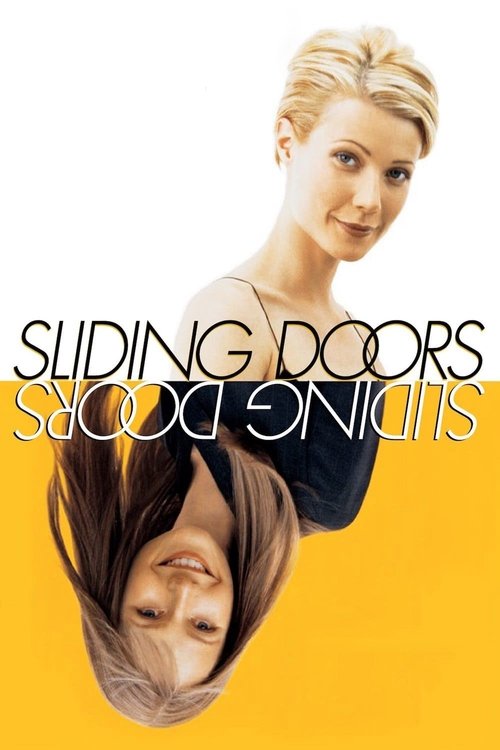
I remember watching this on a grainy VHS while eating a bowl of lukewarm cereal because my microwave had just bitten the dust, and somehow that domestic mundanity made the stakes of the film feel incredibly personal. Sliding Doors is the ultimate "sliding doors" movie—literally. It’s the film that took a common linguistic metaphor and turned it into a high-concept, quintessentially 90s romantic drama that still manages to itch that "what if?" spot in the back of our collective brains.
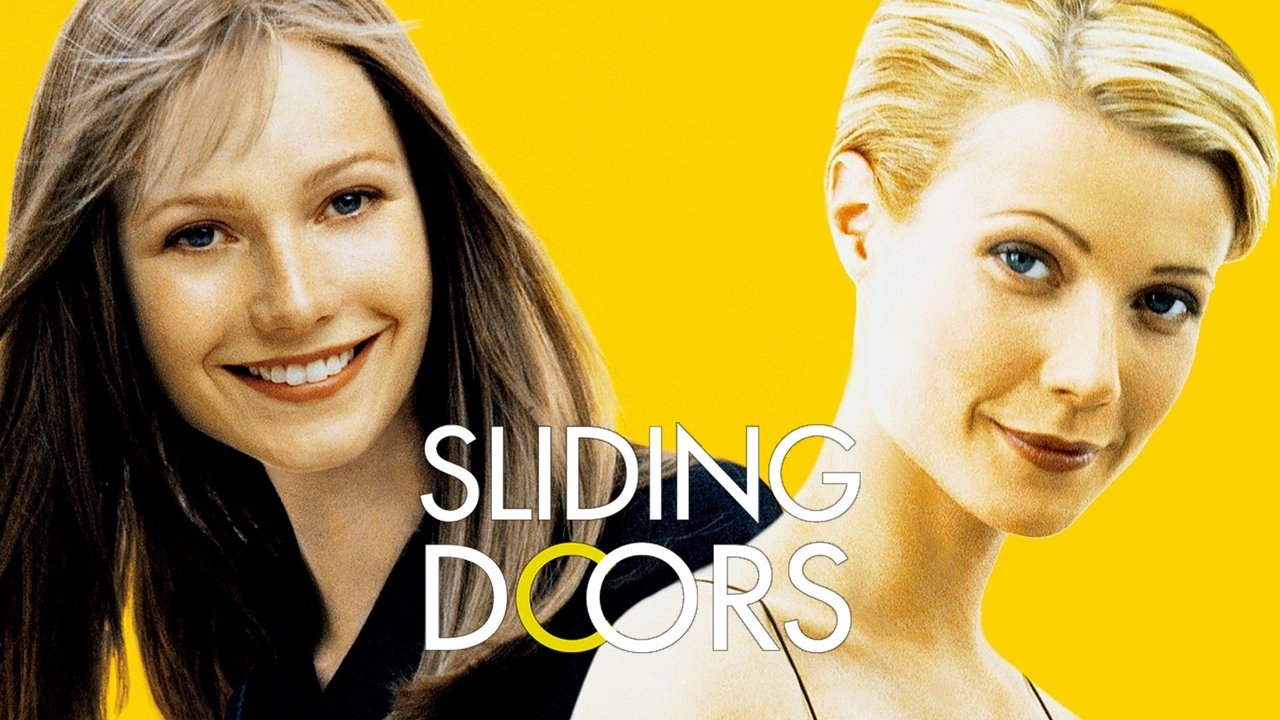
The Haircut That Defined a Decade
The premise is deceptively simple: Helen, played by Gwyneth Paltrow at the absolute height of her "I can do a flawless British accent" era, is fired from her PR job. As she runs for her train on the London Underground, the universe splits. In one reality, she catches the train and discovers her boyfriend, Gerry (John Lynch), is cheating on her. In the other, the doors slam shut, she misses the train, and her life continues in blissful, ignorant misery.
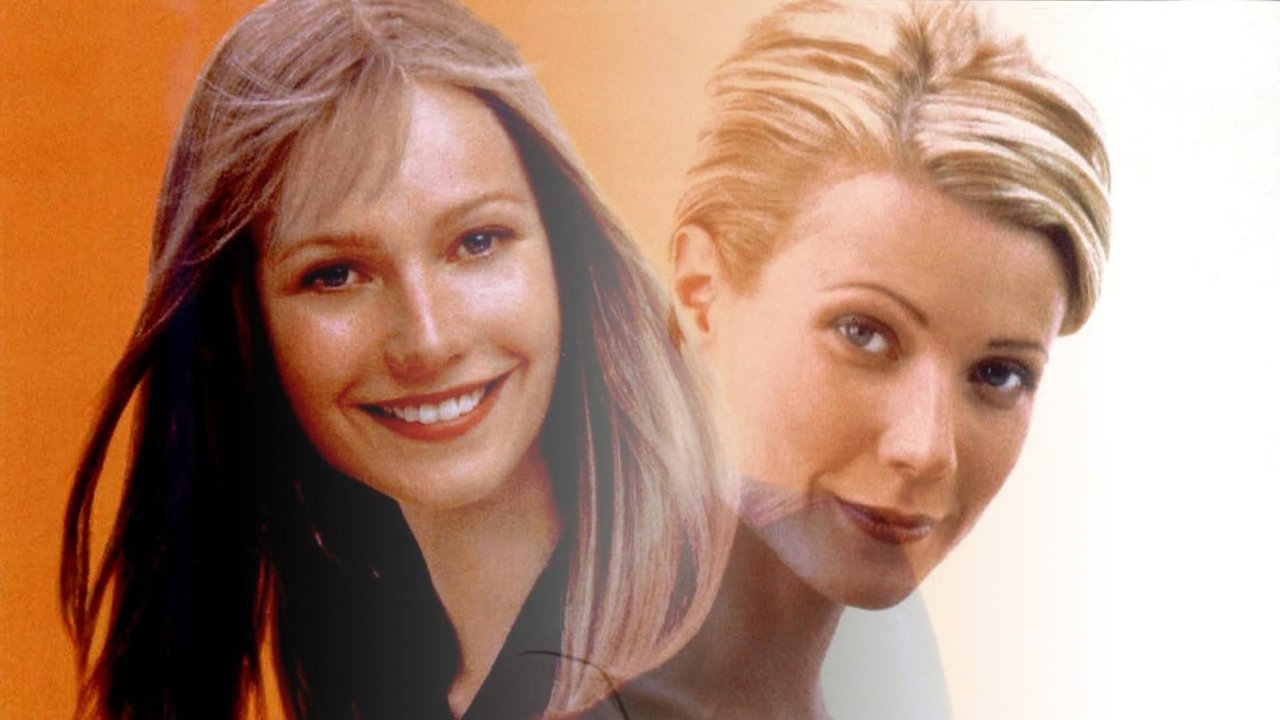
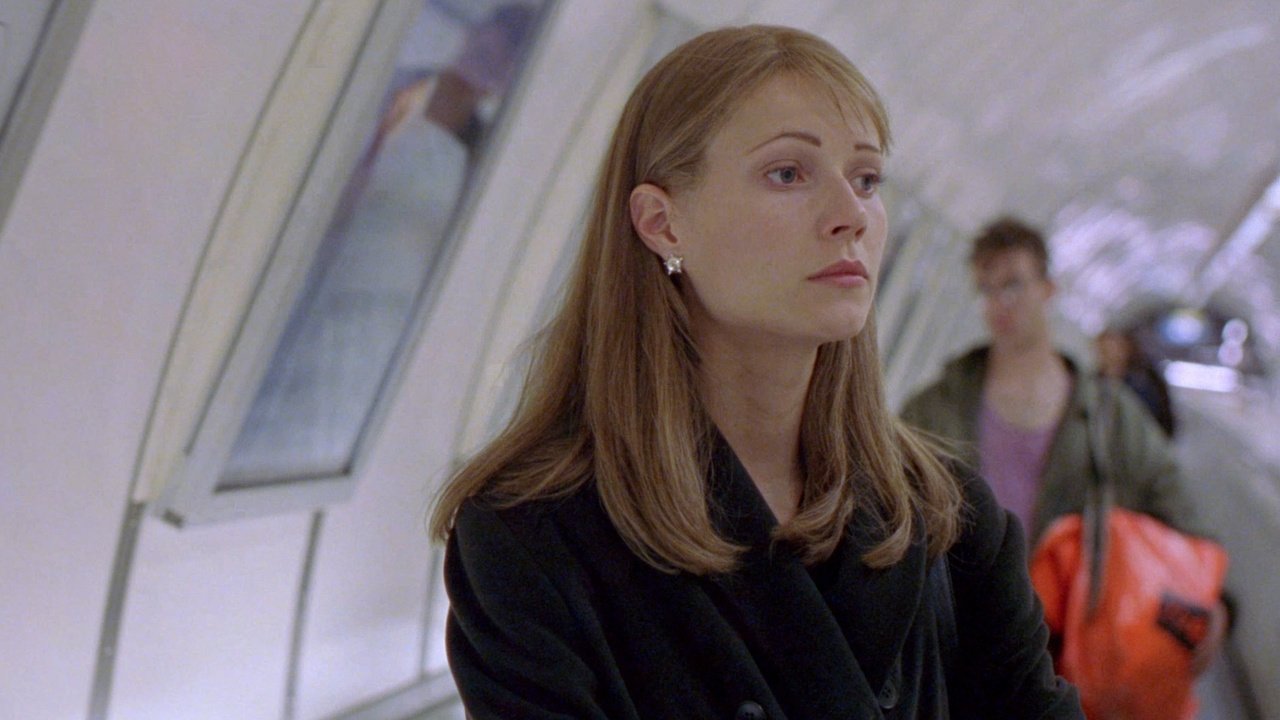
What’s fascinating looking back at this from our hyper-digital age is how analog the whole conflict is. There are no GPS trackers or find-my-phone apps. The entire plot hinges on the physical proximity of people and the timing of a heavy sliding metal door. To help us keep track of which timeline we’re in, the film employs a classic 90s trope: the radical makeover. "Catching the Train Helen" gets a chic, bleached-blonde pixie cut, while "Missed the Train Helen" keeps her long, mousy brown hair. It’s a visual shorthand that works perfectly, even if it feels a bit "Sundance-lite" by today’s standards.
Gwyneth Paltrow delivers a performance that is surprisingly grounded given the gimmick. She’s vulnerable, sharp, and carries the weight of two different trajectories with a grace that makes you forget you’re watching a structural experiment. But the real secret weapon is John Hannah. As James, the charming stranger Helen meets in the "successful" timeline, he is a walking advertisement for the Sensitive 90s Guy. He quotes Monty Python, he’s funny, and he’s remarkably patient. He’s the anti-Gerry.
A Masterclass in the "Damp Cardigan" Boyfriend
Speaking of Gerry, we have to talk about John Lynch. He plays a man so perpetually overwhelmed by his own lies that he practically vibrates with anxiety. Gerry is essentially a sentient damp cardigan of a man, and Lynch plays him with a pathetic, stammering energy that makes you want to reach through the screen and give him a stern talking-to.
His infidelity with Lydia (Jeanne Tripplehorn) is the engine of the film, and Tripplehorn is deliciously menacing here. She represents the "corporate-cool" 90s villainess—all sharp suits and sharper words. The drama isn't just about who Helen ends up with; it's about the psychological toll of being gaslit in one reality while finding liberation in another. Director Peter Howitt manages a tricky tonal balance. He keeps the pacing brisk, using Remi Adefarasin’s cinematography to differentiate the moods of the two London’s—one feeling warmer and filled with possibility, the other cramped and cold.
It’s worth noting that the script was reportedly inspired by a real-life near-miss Peter Howitt had with a car. That sense of "death or life by inches" permeates the film. It’s a drama that respects the gravity of small choices. While it was a massive hit at the time, earning nearly ten times its $6 million budget, it feels like it’s slipped into that "afternoon cable" category of memory. That’s a shame, because it’s a much tighter, smarter script than the average rom-com of the era.
The Beauty of the "What If?"
There is a specific kind of 90s indie-mainstream hybrid energy here that we don't see much anymore. It was produced by Mirage Enterprises—Sydney Pollack’s outfit—and you can feel that touch of prestige. It doesn’t rely on CGI to show the split; it relies on editing. The way the two stories weave in and out of the same locations is a testament to the craft of the era. It’s a film that trusts the audience to keep up with its dual-narrative structure without holding our hands too tightly.
Watching it now, I’m struck by how much it captures a London that doesn't really exist anymore—a pre-gentrified, slightly grittier but still romantic version of the city. It’s a movie about the chaos of the universe disguised as a romantic drama. It suggests that while we might not be able to control which train we catch, we eventually end up where we’re supposed to be, even if we have to take the long way around.
Sliding Doors remains a remarkably sturdy piece of storytelling. It’s the kind of film that makes you look at your own life and wonder which version of yourself is currently walking around in a parallel universe with a better haircut. It’s charming, occasionally heartbreaking, and a perfect snapshot of a time when the biggest threat to your relationship was just a well-timed train departure.
---
Keep Exploring...
-
Ghost Town
2008
-

Ruby Sparks
2012
-
Shallow Hal
2001
-
The Family Man
2000
-
It Could Happen to You
1994
-
The Hudsucker Proxy
1994
-
That Thing You Do!
1996
-

EverAfter
1998
-
Blast from the Past
1999
-
Never Been Kissed
1999
-
Kate & Leopold
2001
-
Confessions of a Dangerous Mind
2002
-
S1m0ne
2002
-
The Spanish Apartment
2002
-
What a Girl Wants
2003
-
A Dog's Will
2000
-
Johnny English
2003
-
Just My Luck
2006
-

Stranger Than Fiction
2006
-

17 Again
2009