Snake Eyes
"One arena. Twelve thousand suspects. No way out."
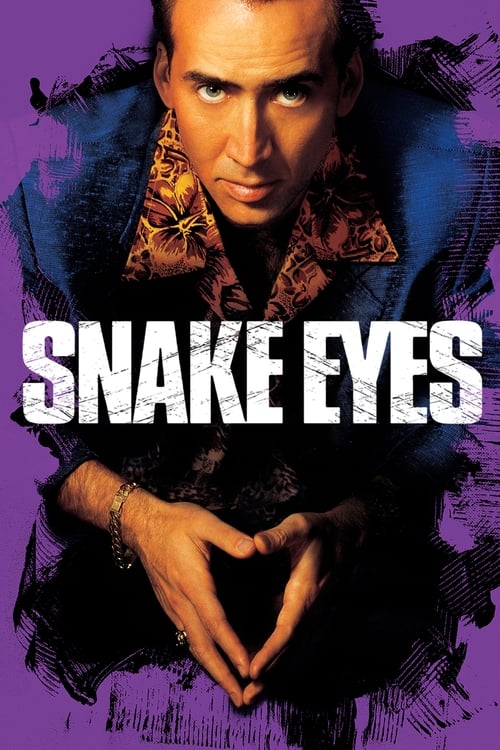
Rick Santoro is a man who doesn't just walk into a room; he vibrates into it, fueled by a mixture of Atlantic City adrenaline and a Hawaiian shirt that looks like it was designed by a colorblind pyromaniac. From the moment Nicolas Cage appears on screen in Snake Eyes, you realize you aren't watching a standard police procedural. You’re watching a Brian De Palma film, which means the camera is going to do things that shouldn't be physically possible, and the plot is going to twist until it screams.
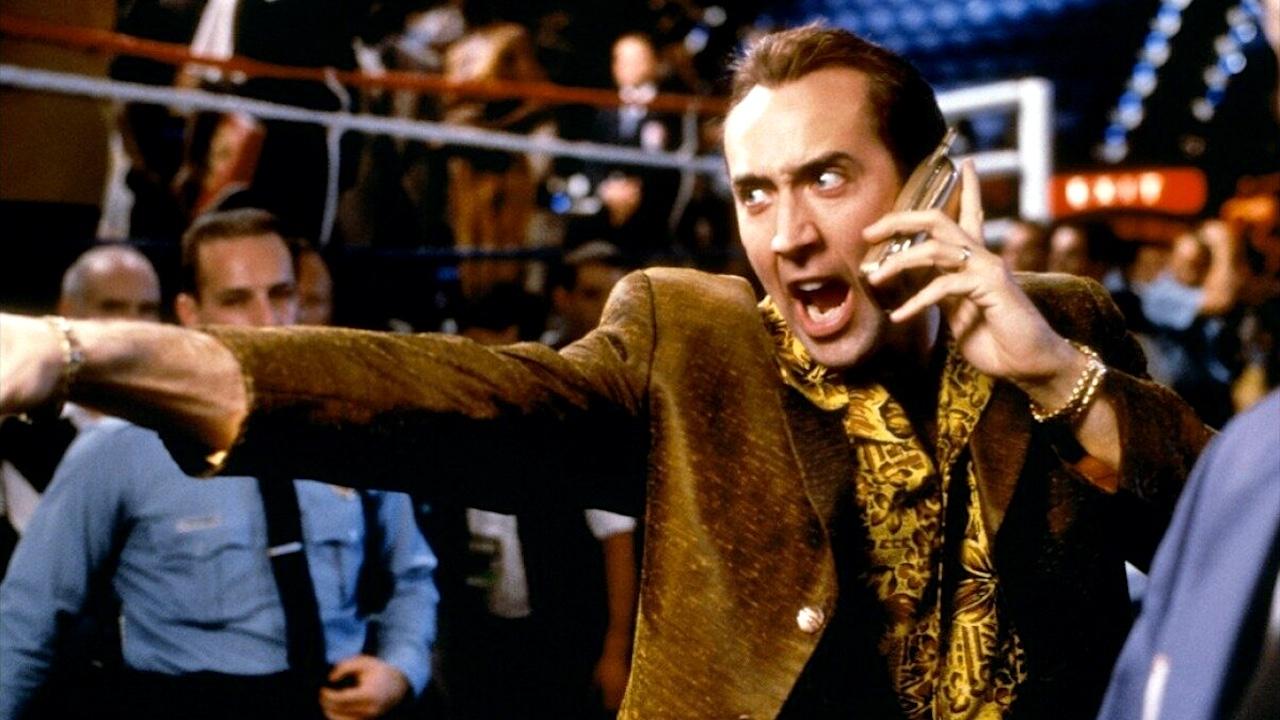
Released in 1998, Snake Eyes arrived at a fascinating crossroads for the adult thriller. This was a time when studios still handed $70 million to a director known for voyeuristic suspense and let him play in a massive sandbox. I rewatched this recently on a grainy DVD I found at a thrift store while eating a bag of slightly stale pretzels, and honestly, the low-res fuzziness of the late-90s format only added to the grime of the Atlantic City setting. It’s a film that feels like a relic of a lost civilization—one where "style over substance" wasn't a critique, but a mission statement.
The Twelve-Minute Magic Trick
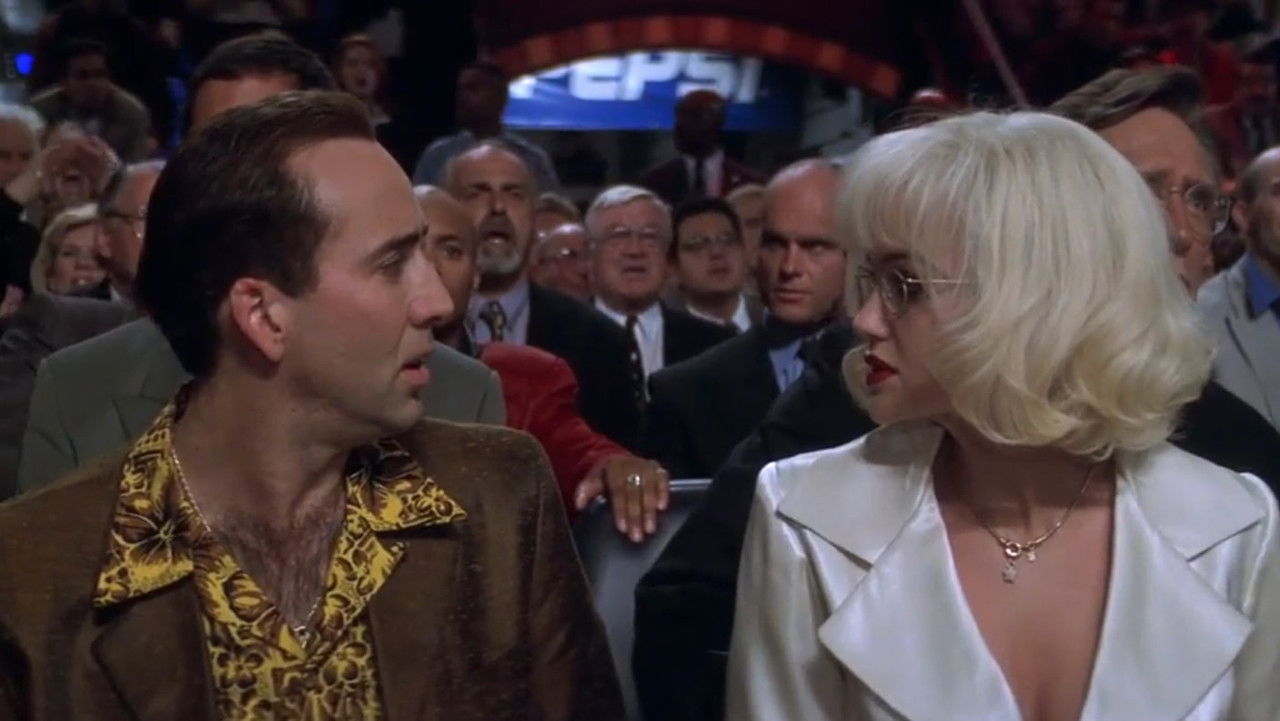
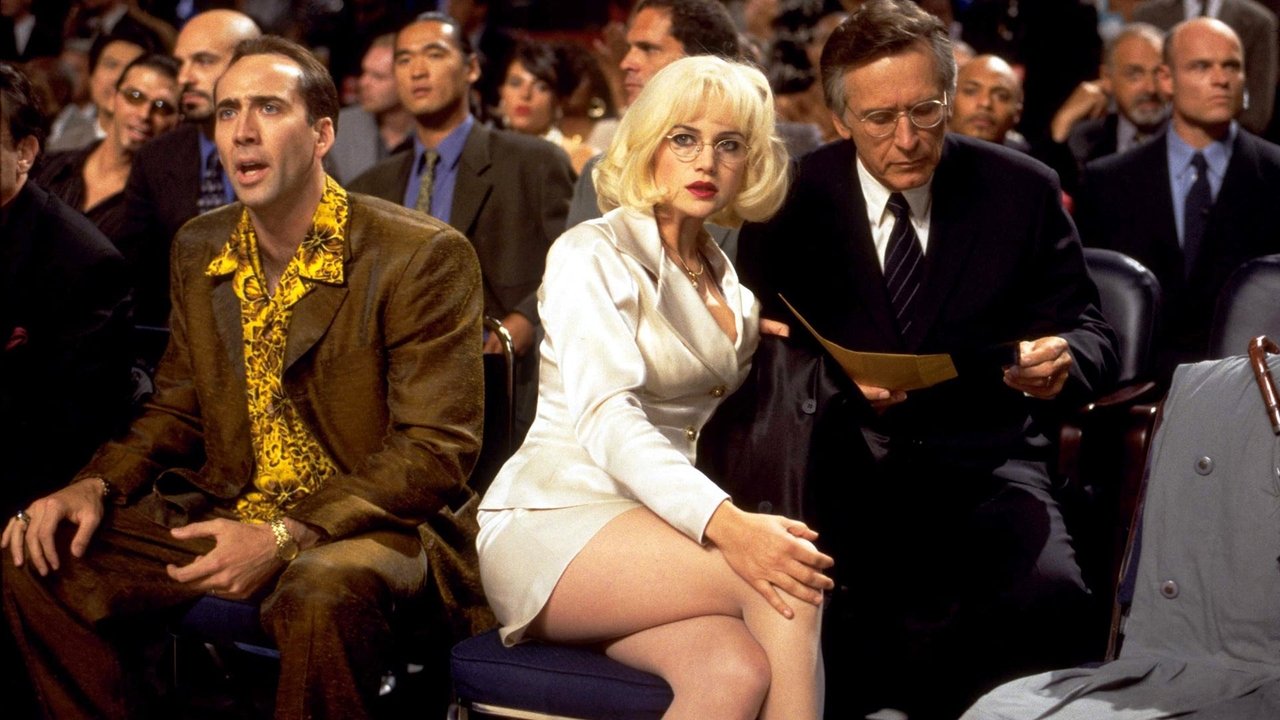
The first thing everyone talks about with Snake Eyes is "The Shot." For the first twelve or so minutes, De Palma and cinematographer Stephen H. Burum (who also shot The Untouchables) execute what looks like a single, unbroken take. We follow Santoro through the bowels of the Atlantic City Arena, through the crowds, into the locker rooms, and right up to the ringside seats for a heavyweight boxing match.
In retrospect, knowing it’s actually three shots cleverly stitched together doesn't diminish the feat. It’s a technical marvel that serves a narrative purpose: it establishes the geography of the crime scene and the manic energy of our protagonist. Nicolas Cage is at the absolute height of his "nouveau shamanic" acting style here. He’s loud, he’s corrupt, he’s high-fiving everyone in the building, and he’s clearly having the time of his life. Watching him navigate that opening sequence is like watching a tightrope walker who is also trying to solve a Rubik’s cube. It’s a performance that makes a double espresso look like a sedative.
A Rashomon in Neon
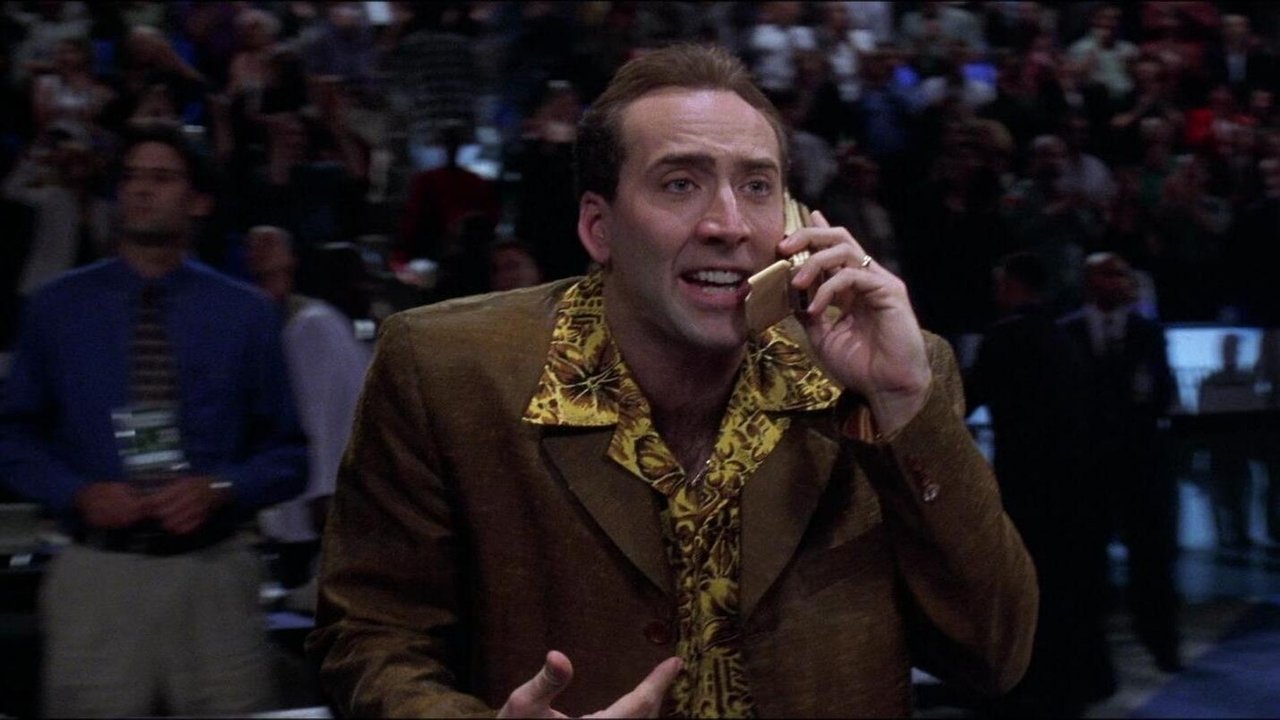
Once the shots are fired and the Secretary of Defense is assassinated in the middle of the arena, the film shifts gears. It becomes a "Rashomon" style mystery, where we see the same event from multiple perspectives. This is where De Palma leans into his favorite tropes: split screens, overhead "God's eye" shots, and a deep obsession with who is watching whom.
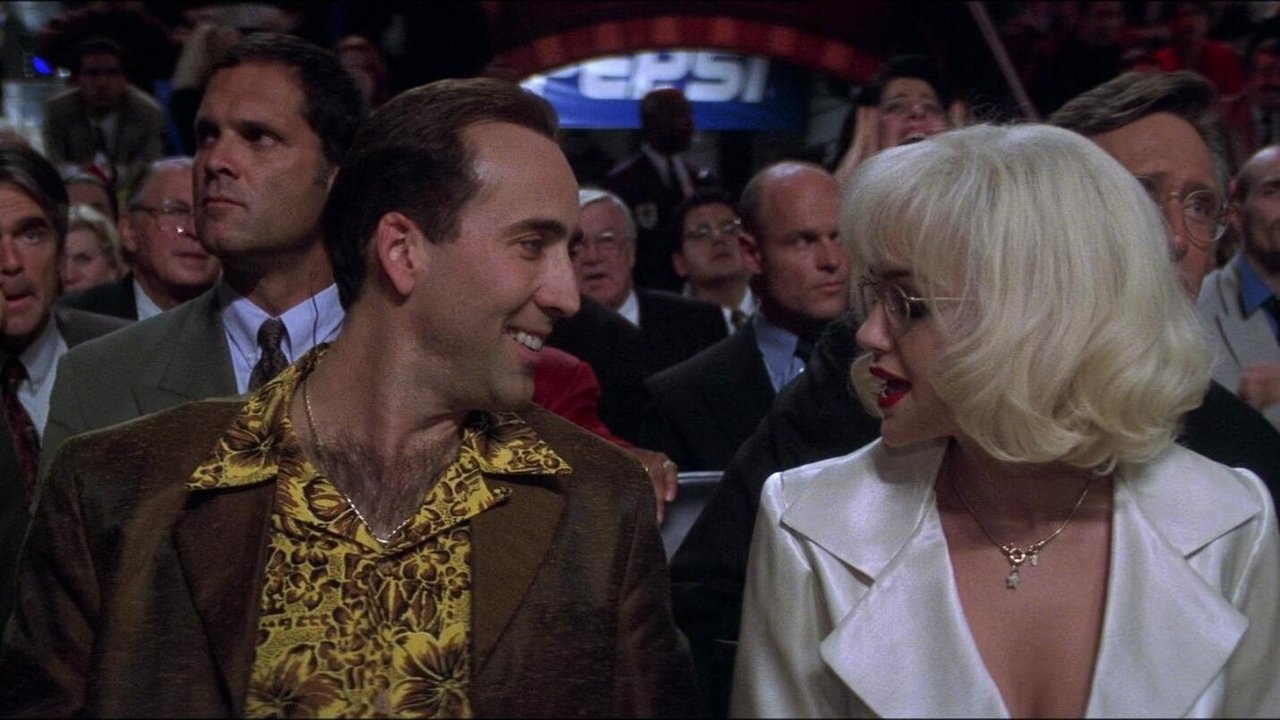
Gary Sinise plays Kevin Dunne, the straight-laced Navy Commander and Santoro's best friend, who was in charge of security. Sinise is the perfect foil for Cage; he’s all repressed tension and military posture, acting as the anchor for a movie that is constantly trying to float away into stylization. As the mystery unfolds involving Carla Gugino’s mysterious woman in a blonde wig and a conspiracy involving a new missile defense system, the film asks us to "Believe everything except your eyes."
The script by David Koepp (who wrote Jurassic Park and Mission: Impossible) is lean and mean, focusing almost entirely on the interior of the arena. This creates a claustrophobic, "bottle episode" feel on a grand scale. It’s a film about the 90s anxiety of the military-industrial complex, but it’s mostly about the fun of watching a master technician like De Palma use every tool in his kit to keep us off balance.
The Ending That Wasn't
One reason Snake Eyes has fallen into the "half-forgotten" bin is its notoriously wonky third act. If the film feels like it ends a bit abruptly, that’s because the original ending was literally washed away. The production originally filmed a massive, CGI-heavy climax involving a literal tidal wave crashing into the Atlantic City boardwalk.
Test audiences hated it, and the early-CG water effects apparently looked like a sentient puddle of blue Gatorade. De Palma had to scramble, cutting the wave and shooting a more contained, character-driven finale. While the theatrical ending is more grounded, you can feel the ghost of that bigger spectacle lingering in the shadows. It’s a perfect example of the era’s "CGI revolution" growing pains—a director with a massive vision being limited by the technology of the time.
Looking back, Snake Eyes is a fascinating bridge between the gritty noirs of the 70s and the glossy, tech-heavy thrillers of the 2000s. It lacks the emotional depth of something like Carlito’s Way, but it makes up for it with pure, unadulterated cinematic swagger. It’s a movie that invites you to enjoy the craft of the lie.
Ultimately, Snake Eyes is a celebration of artifice. It’s a film where the camera is a character, the setting is a labyrinth, and Nicolas Cage is the minotaur at the center of it all. It’s exactly the kind of movie that warrants a revisit on a rainy afternoon—it’s fast, it’s loud, and even when it stumbles, it does so with incredible style. They really don't make "B-movies" with this much A-list craftsmanship anymore.
Keep Exploring...
-
The Black Dahlia
2006
-

The Long Kiss Goodnight
1996
-
The General's Daughter
1999
-
Along Came a Spider
2001
-
Blood Work
2002
-
Basic
2003
-
Carlito's Way
1993
-
8MM
1999
-
Matchstick Men
2003
-
Body Double
1984
-
Striking Distance
1993
-
The Client
1994
-
Copycat
1995
-
Breakdown
1997
-
Kiss the Girls
1997
-
Arlington Road
1999
-

Stir of Echoes
1999
-
The Pledge
2001
-
The Score
2001
-
Mission: Impossible
1996