Stepmom
"Two women. One family. No easy answers."

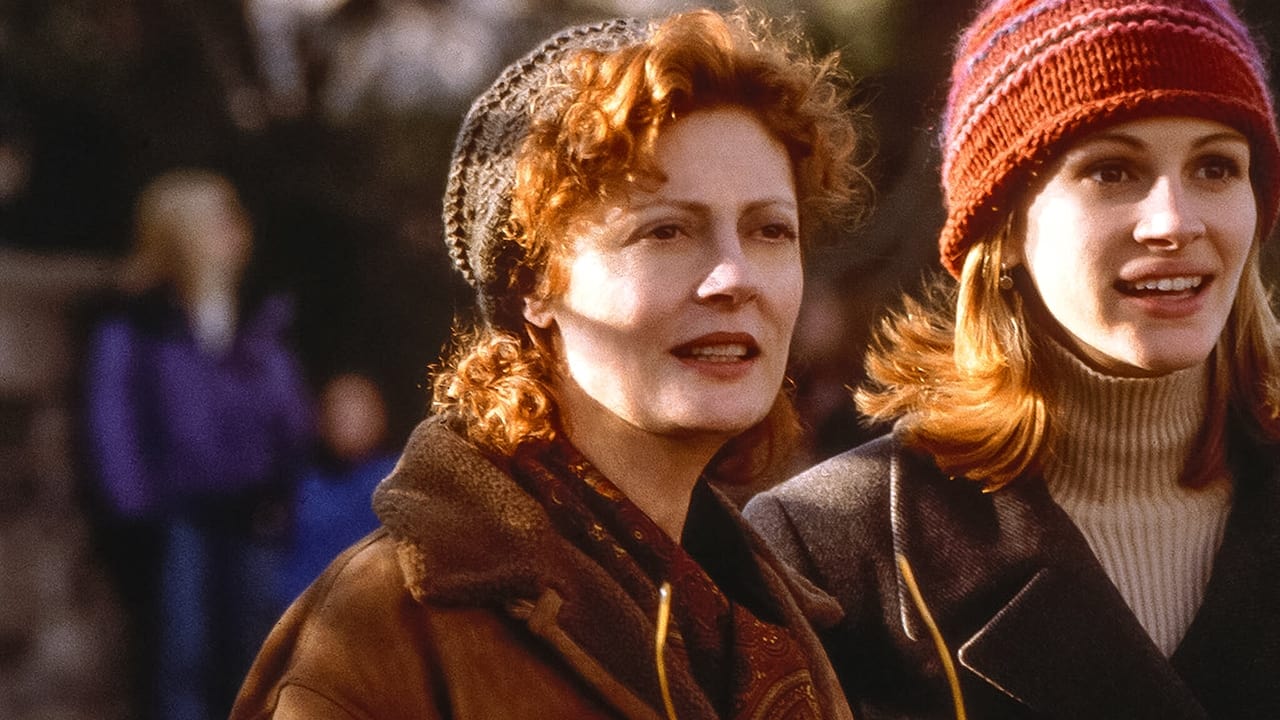
If you weren't around in the late nineties, it’s hard to explain just how much the "Fall Aesthetic" belonged to Susan Sarandon. Between the chunky knit sweaters, the golden-hour lighting of suburban New York, and that specific brand of maternal righteous indignation, she owned the season. I revisited Stepmom recently on a scratched DVD I found at a garage sale—the kind that still has the "Property of Blockbuster" sticker peeling off the front—and I realized that while the technology has aged (look at those brick-sized cell phones!), the emotional manipulation is still as high-performance as a Ferrari.
I watched this particular screening while eating a bowl of cereal that had gone slightly soggy because I got distracted by a scene where a dog wears a cape. That’s the Stepmom experience: one minute you’re chuckling at the mid-budget whimsy of a "cool dad" household, and the next, you’re being hit over the head with a sledgehammer labeled "Human Mortality."
The Battle of the Power Shoulders
At its heart, Stepmom is a heavyweight title fight. In one corner, you have Jackie (Susan Sarandon), the "Perfect Mom" who treats parenting like a high-stakes military operation. In the other, you have Isabel (Julia Roberts), the high-fashion photographer who represents everything the 1990s told us was "modern"—she’s career-driven, she lives in a loft that looks like a perfume ad, and she has absolutely no idea how to handle a petulant ten-year-old.
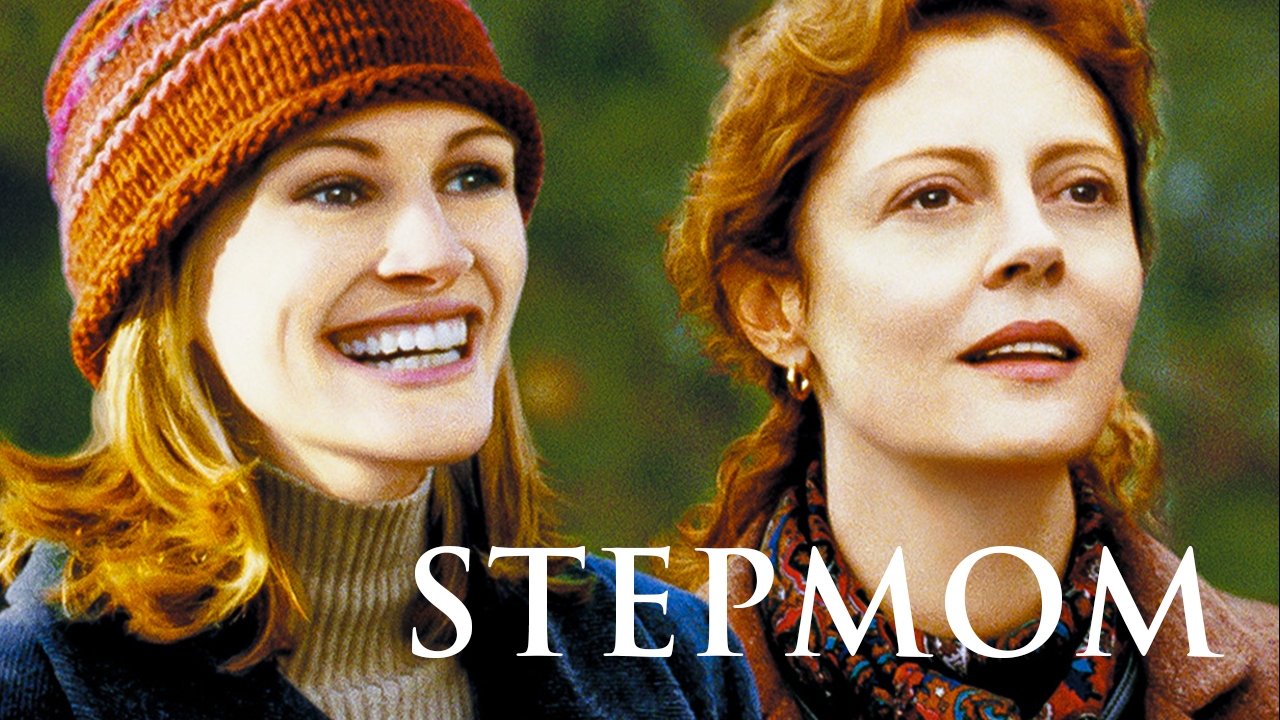
The chemistry between Sarandon and Roberts is what keeps this from dissolving into a puddle of syrup. Rumors at the time suggested the two stars hated each other on set, a narrative the media loved to feed, though both actresses have since debunked it. Honestly, that friction—real or manufactured—is the best part of the movie. When they finally have their big confrontation in a restaurant, it’s not just a script being read; it feels like two eras of Hollywood royalty fighting for the same piece of territory. Julia Roberts was at the absolute peak of her "America's Sweetheart" powers here, but she’s smart enough to play Isabel as flawed and occasionally incompetent.
The Columbus Touch and the Kids
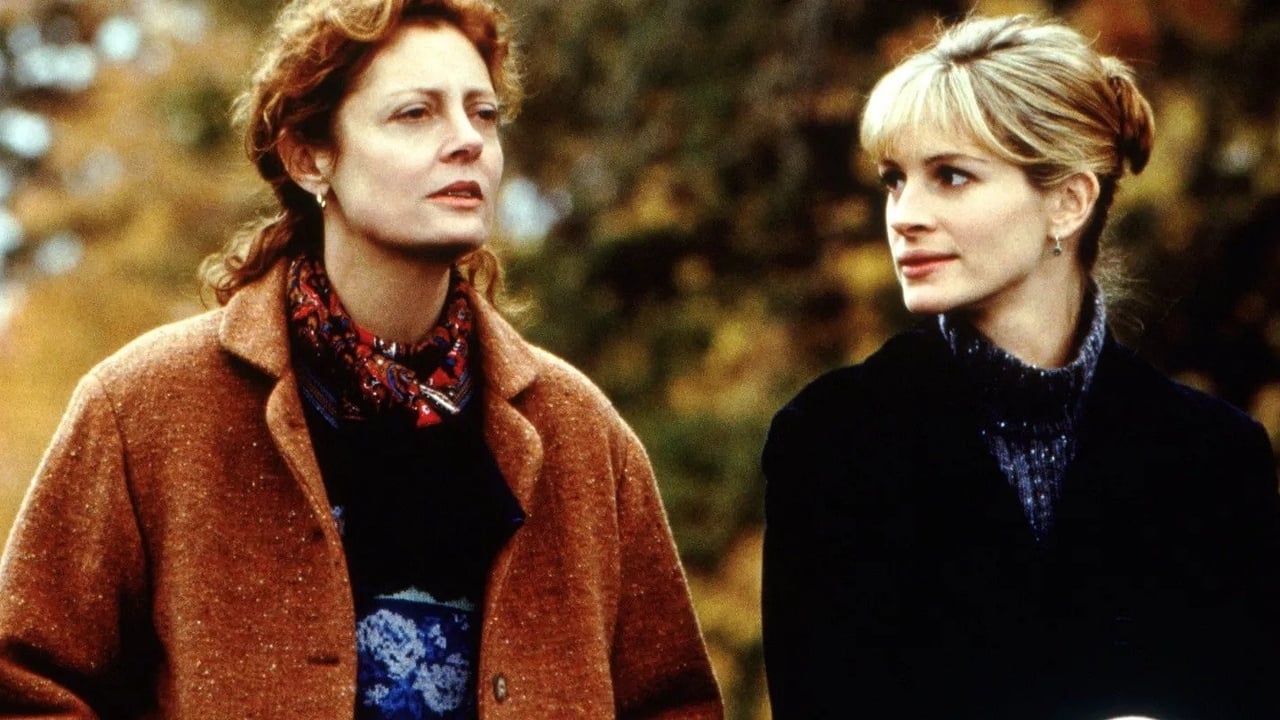
Director Chris Columbus—fresh off the massive success of Home Alone (1990) and Mrs. Doubtfire (1993)—knows exactly how to frame a family in crisis. He uses the same warm, amber-hued palette he’d later bring to the first two Harry Potter films. Everything looks expensive and lived-in. However, he also leans into the era's tendency for child actors to be... well, a lot.
Jena Malone, playing the teenage Anna, is a revelation here, capturing that specific 90s brand of "I’m wearing a flannel shirt and I hate everyone" angst. But let’s be real: The kids in this movie are weaponized emotional terrorists. Between Liam Aiken’s Ben performing magic tricks to deflect trauma and Anna’s relentless cruelty toward Isabel, you occasionally find yourself rooting for the divorce. Ed Harris plays the ex-husband, Luke, and while he’s a fantastic actor, his main job in this movie is to look handsome, feel guilty, and provide a bridge between two much more interesting women. He’s the human equivalent of a beige sofa—essential for the room, but you aren't exactly staring at it.
A Time Capsule of Tiers
Looking back, Stepmom arrived at a fascinating crossroads for the mid-budget drama. It was a massive commercial hit, raking in nearly $160 million against a $50 million budget—the kind of "adult" movie that simply doesn't get a wide theatrical release anymore without a superhero in the mix. It was a blockbuster built on tears rather than explosions.
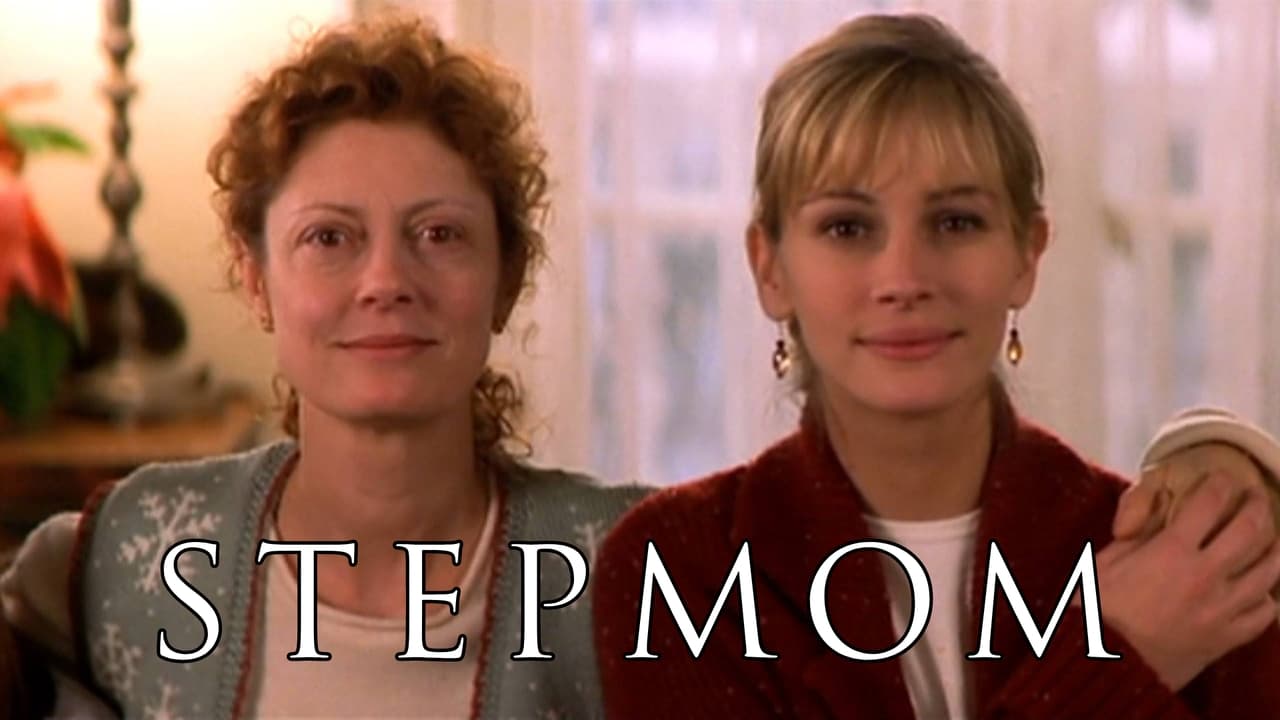
The film is also a masterclass in 90s "lifestyle porn." The production design makes you want to go buy a Jeep Cherokee and move to a house with a wrap-around porch immediately. But beneath the beautiful scenery is a surprisingly dark script. When the "big twist" (which I won't spoil, though the trailer did back in '98) is revealed, the movie shifts from a comedy of manners into a survival guide for grief. It’s also notable for its score by John Williams. Yes, the Star Wars guy. He swaps the trumpets for a solo guitar and some light strings, and it’s arguably the most effective weapon in the movie’s arsenal. If you don’t cry when the acoustic guitar kicks in, you might actually be a replicant.
What holds up best is the film's refusal to make anyone a total villain. In a modern version, Jackie would probably be a "Karen" and Isabel would be a "Girlboss," but here, they’re just two women terrified of losing their place in the lives of the people they love. It’s messy, it’s occasionally "cheesy," and the ending is designed specifically to dehydrate you through your tear ducts.
Stepmom is the ultimate "Comfort Cry." It’s a relic of a time when Hollywood believed that putting two of the biggest stars in the world in a room together and letting them argue about parenting was enough to carry a Christmas release. It’s manipulative, it’s sentimental, and the fashion is aggressively 1998, but the performances from Sarandon and Roberts elevate it into something that still feels genuinely moving. Just make sure you have a box of tissues and maybe a chunky sweater nearby.
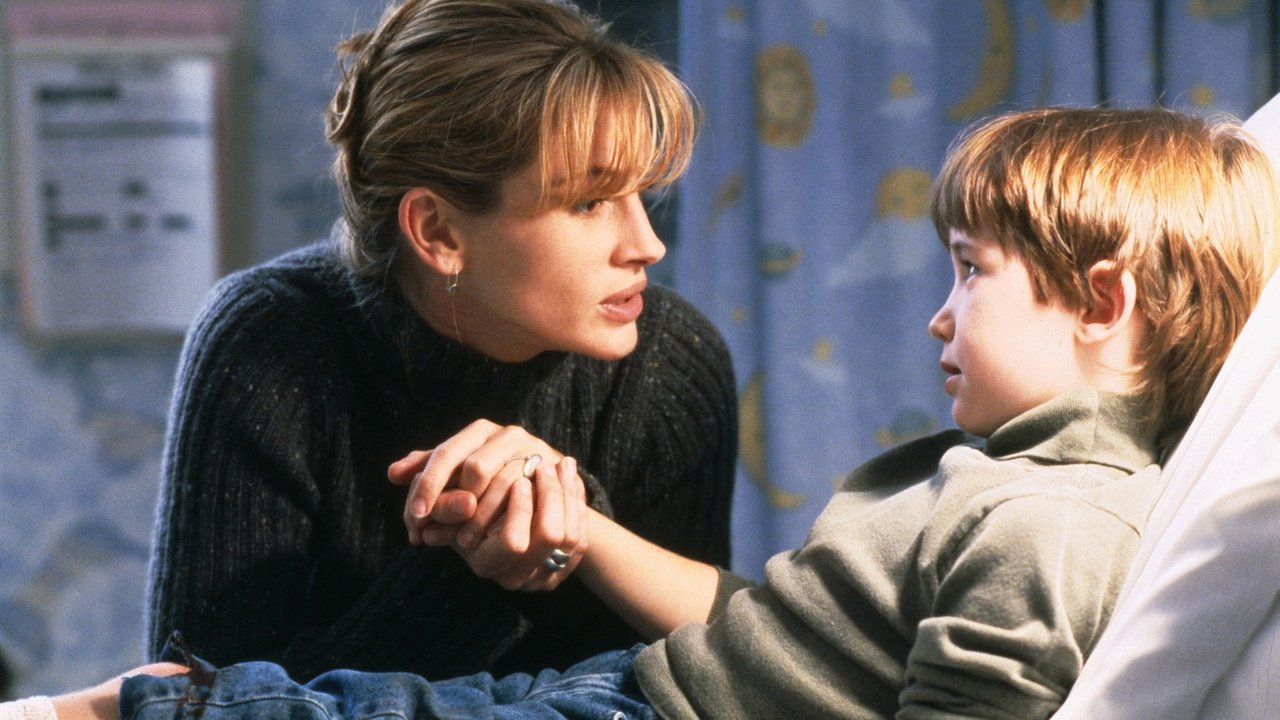
Keep Exploring...
-
As Good as It Gets
1997
-
Something's Gotta Give
2003
-
Shall We Dance?
2004
-
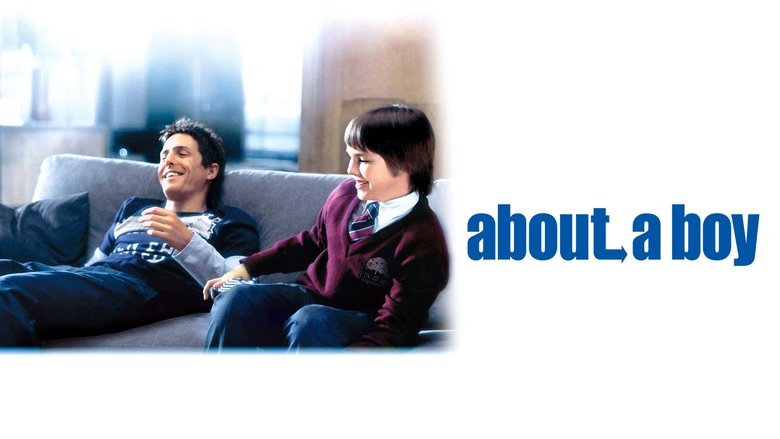
About a Boy
2002
-
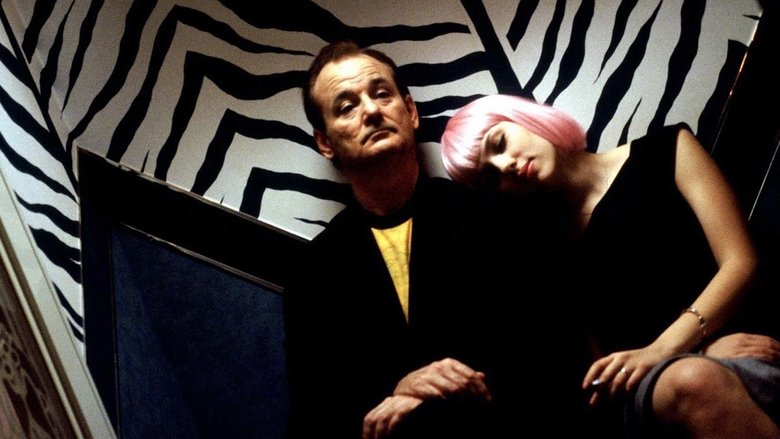
Lost in Translation
2003
-
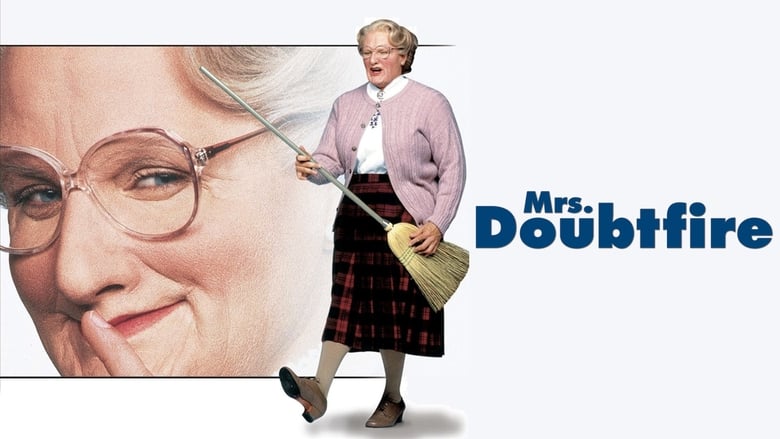
Mrs. Doubtfire
1993
-
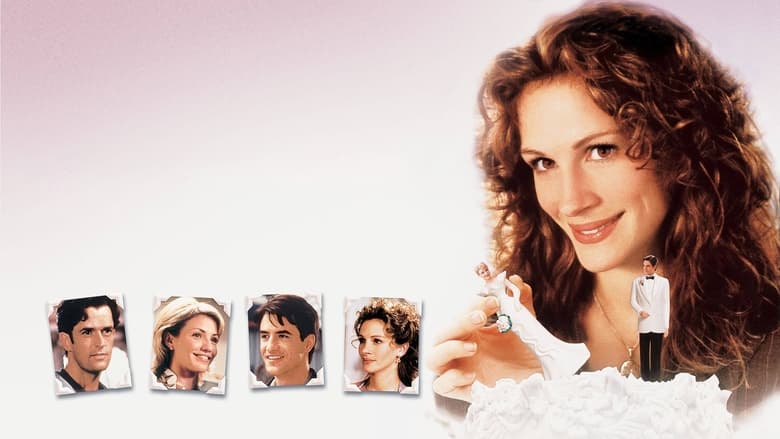
My Best Friend's Wedding
1997
-
Notting Hill
1999
-
Love & Other Drugs
2010
-
Silver Linings Playbook
2012
-
Jerry Maguire
1996
-
Buffalo '66
1998
-

EverAfter
1998
-
Blast from the Past
1999
-
Never Been Kissed
1999
-
High Fidelity
2000
-
Punch-Drunk Love
2002
-
Secretary
2002
-
The Artist
2011
-
Two Weeks Notice
2002